

How Endocrine Disorders Are Diagnosed: Blood Tests, Imaging, and Follow-Up

Diagnosing endocrine disorders often requires more than one test because hormones fluctuate and affect many organs. Blood tests are central to diagnosis, but urine tests, stimulation or suppression tests, and imaging may also be needed.
Key Takeaways
- Diagnosing endocrine disorders often requires more than one test because hormones fluctuate and affect many organs.
- Blood tests are central to diagnosis, but urine tests, stimulation or suppression tests, and imaging may also be needed.
- Results are interpreted together with symptoms, medicines, age, and overall health rather than in isolation.
- Follow-up visits help confirm the diagnosis, monitor treatment response, and detect changes early.
- Specialist assessment is especially useful when symptoms are complex, persistent, or involve more than one hormone system.
Endocrine disorder diagnosis usually combines a careful medical history, physical examination, blood and urine tests, and sometimes imaging studies. Follow-up is an important part of care because hormone levels can change over time and treatment often needs adjustment.
Overview: how endocrine disorders are diagnosed
Endocrine disorders affect glands that produce hormones, including the thyroid, pituitary, adrenal glands, pancreas, ovaries, and testes. Because hormones influence growth, metabolism, mood, reproduction, blood sugar, blood pressure, bone health, and many other body functions, symptoms can be broad and sometimes overlap with common everyday problems such as tiredness, weight change, sleep disturbance, or menstrual changes.
For that reason, endocrine disorder diagnosis is usually a step-by-step process rather than a single test. A doctor begins by listening to symptoms, reviewing personal and family history, asking about medicines and supplements, and performing a physical examination. This information helps identify which hormone system may be involved and which tests are most appropriate.
Laboratory testing is often the foundation of diagnosis. Blood tests can measure hormone levels directly or evaluate how hormones affect the body, such as blood sugar, calcium, electrolytes, or cholesterol. In some cases, urine tests, saliva tests, or special dynamic tests are used to see how a gland responds under controlled conditions.
Imaging studies may be recommended when doctors need to look at the structure of a gland, confirm the cause of abnormal blood results, or monitor a known condition. Follow-up is equally important because some endocrine conditions develop gradually, fluctuate over time, or require repeated testing to confirm a pattern before treatment decisions are made.
Symptoms and signs that may lead to testing
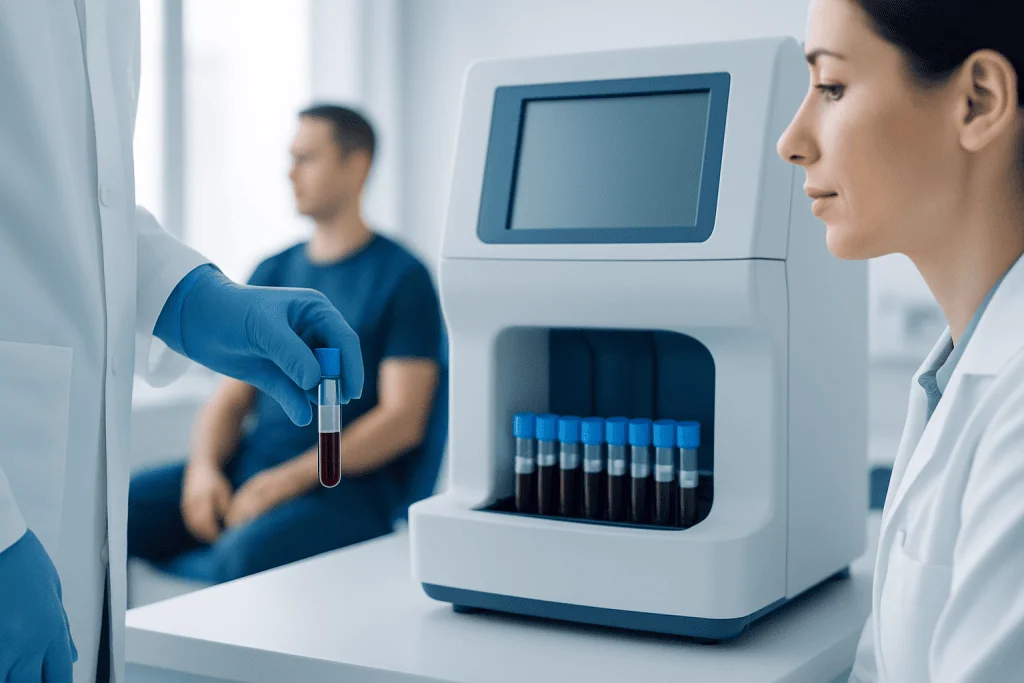
Hormonal problems can produce many different symptoms depending on the gland involved. A person may be evaluated for an endocrine disorder because of ongoing fatigue, unexpected weight gain or weight loss, heat or cold intolerance, excessive thirst, frequent urination, sweating, palpitations, tremor, constipation, diarrhea, mood changes, or difficulty concentrating.
Other symptoms may point more clearly toward a specific gland. Thyroid problems can cause neck swelling, voice changes, or changes in heart rate. Pituitary disorders may cause headaches, vision changes, irregular periods, fertility problems, or milk discharge unrelated to breastfeeding, as can hyperprolactinemia. Problems involving calcium balance may lead to kidney stones, bone pain, muscle weakness, or confusion, which may prompt evaluation for hypercalcemia.
In children and adolescents, clues can include unusual growth patterns, early or delayed puberty, or poor weight gain. In adults, low libido, erectile dysfunction, menstrual irregularity, acne, hair loss, or increased body hair may suggest a reproductive hormone imbalance. Blood sugar concerns, including frequent hunger, blurred vision, or elevated routine screening results, may lead doctors to assess for prediabetes or diabetes-related hormonal issues.
Not everyone with an endocrine disorder has obvious symptoms. Some conditions are found during routine health checks, pregnancy care, osteoporosis evaluation, fertility assessment, or imaging performed for another reason. When symptoms are subtle, repeating tests over time can be especially helpful.
Medical history, examination, and risk factors

Before ordering tests, doctors usually take a detailed history. They ask when symptoms began, whether they are constant or come and go, and whether there have been changes in weight, appetite, sleep, bowel habits, menstrual cycle, sexual function, or mood. They also review past illnesses, surgery, radiation exposure, pregnancy history, and family history of thyroid disease, diabetes, osteoporosis, adrenal disorders, or autoimmune conditions.
Medicines and supplements matter because they can affect hormone levels and test interpretation. Steroids, thyroid hormone, birth control pills, testosterone products, biotin-containing supplements, some psychiatric medicines, and certain blood pressure drugs can all influence results. Even recent severe illness, fasting, shift work, stress, and the time of day may change hormone measurements.
The physical examination may include weight, height, blood pressure, pulse, skin and hair changes, swelling, tremor, eye signs, neck examination, and assessment of muscle strength and reflexes. Doctors may also look for signs such as stretch marks, dehydration, abnormal pigmentation, breast discharge, or changes in body proportions that suggest particular endocrine conditions.
Risk factors differ by disorder, but common ones include family history, autoimmune disease, obesity, pregnancy, aging, chronic kidney disease, long-term steroid use, and previous treatment involving the brain, neck, or abdomen. Understanding these factors helps doctors choose the right tests and avoid unnecessary ones.
Blood tests and other laboratory tests
Blood tests are the main tools used in endocrine disorder diagnosis. Depending on the suspected problem, doctors may measure thyroid-stimulating hormone, free thyroid hormones, cortisol, adrenocorticotropic hormone, prolactin, growth-related hormones, parathyroid hormone, calcium, vitamin D, insulin, glucose, hemoglobin A1c, testosterone, estrogen-related hormones, luteinizing hormone, follicle-stimulating hormone, and other markers. The exact panel depends on symptoms and examination findings.
Many endocrine tests need careful timing. Cortisol often follows a daily rhythm, reproductive hormones may be interpreted according to the menstrual cycle, and fasting may be needed for glucose or insulin testing. A single abnormal value does not always mean disease, so repeat testing is common when a result is borderline or does not match the clinical picture.
Urine tests can also be useful. A 24-hour urine collection may help assess hormone production over an entire day, especially when levels fluctuate. In selected cases, saliva testing is used, such as late-night saliva measurements for certain cortisol-related concerns. Doctors may also order antibody tests when autoimmune causes are suspected, or general blood work to look for effects on liver, kidneys, cholesterol, blood count, or electrolytes.
Sometimes special dynamic testing is needed. In these tests, doctors give a medication or ask the body to respond to a controlled stimulus and then measure hormone changes over time. These studies can help confirm pituitary, adrenal, or growth hormone disorders when standard blood tests alone are not enough. Because preparation is important, these tests are usually arranged and interpreted by experienced endocrine teams.
Imaging tests and when they are used
Imaging is not needed for every hormonal problem, but it can be very valuable when doctors need to examine the size, shape, or structure of an endocrine gland. Ultrasound is commonly used for the thyroid because it is painless, does not use radiation, and can show nodules, inflammation, or gland enlargement. It may be recommended when there is a neck lump, swallowing discomfort, abnormal thyroid tests, or concern for thyroid nodules.
Computed tomography and magnetic resonance imaging are often used for deeper glands such as the pituitary or adrenal glands. MRI is especially helpful for the pituitary because it provides detailed images of the area behind the eyes and near the optic nerves. CT may help evaluate adrenal masses or complications involving calcium metabolism and the kidneys.
Nuclear medicine scans are used in selected situations to assess gland function rather than just structure. For example, a thyroid uptake scan may help clarify why thyroid hormone levels are high or distinguish certain thyroid conditions. Bone density testing may be advised when long-term hormone imbalance could weaken bones, and targeted imaging may be used if a hormone disorder is affecting the heart, kidneys, or reproductive organs.
Imaging results are always interpreted alongside symptoms and lab findings. A small structural change may not be the cause of symptoms, while significant hormone imbalance can be present even when imaging looks normal. This is one reason endocrine diagnosis often requires both laboratory and imaging information rather than either one alone.
Confirming the diagnosis and creating a treatment plan
After the initial evaluation, doctors bring together symptoms, examination findings, laboratory results, and imaging to decide whether an endocrine disorder is present and what type it is. The goal is not only to name the condition but also to identify the underlying cause, such as autoimmune disease, a benign nodule, inflammation, medication effect, inherited tendency, or a problem involving the pituitary gland that controls other glands.
In some people, diagnosis is straightforward. In others, it may take time because hormone levels can vary, one abnormality can affect another, and some results overlap between normal variation and disease. Doctors may repeat tests, order a different type of assay, or ask for short-term follow-up before confirming the diagnosis. This careful approach helps reduce misdiagnosis and supports more appropriate treatment.
Treatment planning depends on the disorder and its severity. Options may include hormone replacement, medicines that reduce excess hormone production, lifestyle measures, nutritional correction, monitoring without immediate treatment, or procedures when structural abnormalities are involved. For example, thyroid evaluation may lead to medical treatment, surveillance, or procedures linked to thyroid surgery when clinically appropriate. Blood sugar-related endocrine problems may also be managed with lifestyle counseling and, in selected patients, diabetes treatment.
Care is often multidisciplinary, especially when symptoms involve more than one gland or affect fertility, pregnancy, bones, vision, or the heart. Near the end of the diagnostic process or during treatment planning, some patients may benefit from centers with endocrinologists, radiologists, pathologists, surgeons, and other specialists working together. Acibadem International’s multidisciplinary specialists and JCI-accredited hospitals diagnose and treat endocrine conditions for international patients when advanced assessment is needed.
Why follow-up matters after endocrine testing
Follow-up is a key part of endocrine care because hormone systems are dynamic. Results can change with illness, stress, age, weight changes, pregnancy, menopause, and treatment. A person may have normal results early on and develop clearer abnormalities later, or treatment may need adjustment to keep hormone levels in a safe range.
Doctors may schedule repeat blood tests within weeks or months depending on the suspected condition. Thyroid disorders, calcium and vitamin D problems, blood sugar abnormalities, and pituitary conditions often require monitoring over time. Imaging may also be repeated if there is a nodule, gland enlargement, or another structural finding that needs surveillance rather than immediate intervention.
Follow-up visits are also the best time to review symptoms, side effects, and practical issues such as how and when medicines are taken. In endocrine care, correct timing of medication and testing can greatly affect results. Patients should tell their doctor about any new supplements, over-the-counter products, pregnancy plans, or major health changes before repeat testing.
Good follow-up helps answer important questions: Is the diagnosis confirmed? Is treatment working? Have hormone levels reached the target range? Is a structural change stable? This ongoing review supports safer care and can prevent both overtreatment and undertreatment.
Preparing for tests and when to see a doctor
Preparation can improve the accuracy of endocrine testing. Patients should follow instructions about fasting, medication timing, and the time of day for blood draws. They should also bring a list of prescription medicines, supplements, vitamins, and any recent test results. If they are unwell with a fever or major infection, it may be worth asking whether the test should be rescheduled, as acute illness can affect some hormone levels.
It is sensible to see a doctor if symptoms such as unexplained weight change, ongoing fatigue, palpitations, menstrual irregularity, excessive thirst, repeated low or high blood sugar readings, neck swelling, unexplained bone problems, or sexual health changes persist or worsen. Prompt assessment is also important when there are headaches with vision changes, significant weakness, dehydration, fainting, or sudden severe symptoms.
Self-diagnosis can be misleading because many hormone-related symptoms overlap with stress, poor sleep, nutritional issues, or other medical conditions. Home tests and internet information may be useful for general awareness, but they cannot replace professional interpretation. A qualified doctor can decide which tests are appropriate and what the results mean in context.
People who already have a diagnosed endocrine condition should attend recommended follow-up even if they feel well. Many hormone disorders can be monitored effectively, and regular review helps maintain long-term health, quality of life, and confidence in the treatment plan.
Frequently asked questions
What is the first step in diagnosing an endocrine disorder?
The first step is usually a medical history and physical examination. A doctor reviews symptoms, medicines, family history, and risk factors, then chooses targeted tests based on which hormone system may be involved.
Are blood tests enough to diagnose hormone problems?
Sometimes they are, but not always. Many endocrine disorders require a combination of blood tests, repeat measurements, urine tests, or imaging because hormone levels can change over time and need to be interpreted in context.
Why do some hormone tests need to be repeated?
Hormone levels may vary by time of day, stress, menstrual cycle, fasting status, or recent illness. Repeating a test helps confirm whether an abnormal result reflects a true disorder or a temporary change.
When is imaging used in endocrine diagnosis?
Imaging is used when doctors need to examine the structure of a gland or investigate an abnormal lab result. Common examples include thyroid ultrasound, pituitary MRI, and adrenal CT or MRI.
Do all thyroid nodules or abnormal scans mean cancer?
No. Many thyroid nodules and other endocrine imaging findings are benign. Imaging findings are assessed together with symptoms, blood tests, and sometimes further testing before any conclusion is made.
How long does it take to confirm an endocrine diagnosis?
It depends on the condition. Some diagnoses can be made quickly, while others need repeat testing or follow-up over weeks to months to confirm a consistent hormone pattern and identify the cause.
What should a patient do before endocrine blood tests?
They should follow any instructions about fasting, test timing, and medication use. It also helps to bring a list of medicines and supplements, since some products can affect hormone levels and test interpretation.
References
- World Health Organization
- National Institute of Diabetes and Digestive and Kidney Diseases
- American Thyroid Association
- Endocrine Society
- Mayo Clinic
This article is for general information only and is not a substitute for professional medical advice. Please consult a qualified doctor about your individual situation.
Medical weight-loss options in Turkey — costs & eligibility
JCI-accredited · board-certified surgeons · reply within 24h
Add us as a Preferred Source to see more of our trusted health content across Google Search, AI Overviews and Discover.
Check your numbers in seconds
BMI, calories, due date, blood pressure and 30+ more clinical calculators — free, instant, doctor-reviewed ranges.

Related Conditions
More from the Health Library



Related Specialists

Prof. Dr. Neslihan Kurtulmuş
Endocrinology
Prof. Dr. İnan Anaforoğlu
Endocrinology
Assoc. Prof. Dr. Ayşenur Özderya
Endocrinology
Assoc. Prof. Dr. Müjdat Kara
Endocrinology