

How Is Plastic Surgery Used for Cosmetic and Reconstructive Care?

Plastic surgery has two main branches: cosmetic and reconstructive care. Cosmetic procedures aim to enhance appearance, while reconstructive procedures restore form, function, or both.
Key Takeaways
- Plastic surgery has two main branches: cosmetic and reconstructive care.
- Cosmetic procedures aim to enhance appearance, while reconstructive procedures restore form, function, or both.
- A qualified plastic surgeon evaluates health, expectations, risks, recovery time, and likely outcomes before treatment.
- Many treatments are planned in stages and may combine surgery with scar care, rehabilitation, or non-surgical options.
- Choosing an experienced, appropriately credentialed surgeon and following aftercare instructions are important for safety and results.
Plastic surgery includes procedures that enhance appearance as well as operations that restore shape and function after injury, cancer treatment, burns, or congenital differences. Care is highly individualized, with treatment plans based on a person’s goals, overall health, and the area being treated.
Overview of plastic surgery
Plastic surgery is a medical specialty focused on reshaping, repairing, or restoring parts of the body. It includes cosmetic procedures, which are performed to improve appearance, and reconstructive procedures, which are used to correct problems caused by injury, disease, surgery, or congenital conditions present from birth. In many situations, the two overlap because improving appearance can also support comfort, confidence, and daily function.
Cosmetic surgery may involve the face, breasts, body, or skin and is usually elective. Reconstructive surgery may be recommended after cancer treatment, trauma, burns, severe wounds, or structural differences such as microtia or syndactyly. It can also help after scarring, tissue loss, or changes that affect movement, vision, speech, or other everyday activities.
Plastic surgeons are trained to consider both function and appearance. That means planning not only how a treated area will look, but also how it will heal, move, and fit with the rest of the body. Depending on the case, treatment may involve one operation or several stages over time.
Cosmetic and reconstructive care: what is the difference?
Cosmetic surgery is centered on enhancing features that are already healthy and functional. People may seek cosmetic procedures to change body contours, reduce signs of aging, improve facial balance, or address a feature that has long bothered them. Examples include breast reshaping, eyelid procedures, nose reshaping, liposuction, and body contouring after major weight loss.
Reconstructive surgery, by contrast, aims to restore tissue or repair a body part affected by a medical problem. This may include treatment after mastectomy, repair following facial trauma, scar revision after burns, or surgery to improve hand function and appearance after injury or a birth difference. A reconstructive procedure may be urgent, planned, or part of longer-term recovery.
Some treatments can serve both purposes. For example, breast surgery may reduce physical symptoms such as discomfort while also improving body proportion. Scar treatment may help movement and reduce self-consciousness. This is why the decision is not simply about appearance versus health; often, the best plan addresses both.
- Cosmetic care: focuses mainly on appearance and personal preference.
- Reconstructive care: focuses mainly on restoring form, function, or both after a medical need.
- Combined goals: many procedures support both physical recovery and emotional well-being.
Common reasons people consider plastic surgery
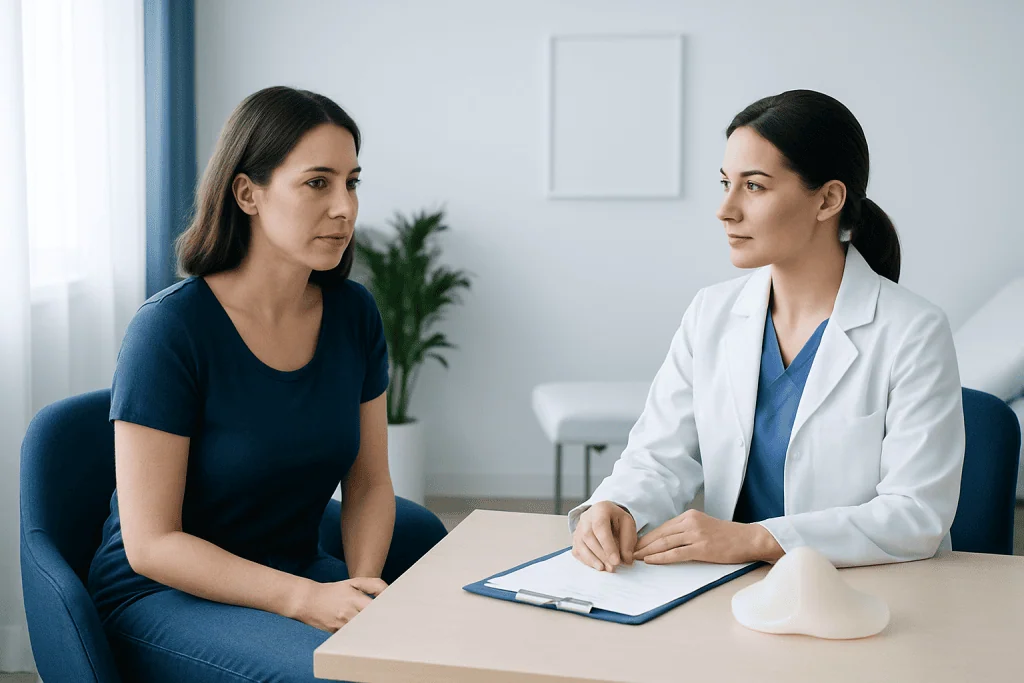
People choose plastic surgery for many different reasons, and there is no single typical patient. Some want to address visible changes related to aging, pregnancy, major weight loss, or genetics. Others need treatment after surgery, trauma, infection, chronic wounds, or conditions that change how a part of the body works.
Cosmetic concerns may include breast size or shape, loose skin, body contour, prominent ears, facial aging, or acne scarring. Depending on the situation, a surgeon may discuss options such as cosmetic surgery, body contouring, or acne scar treatment. Not every concern requires surgery, and some people may benefit from non-surgical approaches or simply reassurance that no treatment is necessary.
Reconstructive needs may arise after breast cancer surgery, accidents, burns, congenital differences, or complex wounds. In some cases, a person may need procedures such as breast reconstruction or highly specialized repairs like reconstructive ophthalmology when the eyelids or tissues around the eye are affected. The best timing depends on healing, overall health, and whether other treatments are still ongoing.
Assessment, consultation, and planning
A plastic surgery consultation usually begins with a detailed medical history and a conversation about goals. The surgeon asks about symptoms, past operations, medications, allergies, smoking, chronic conditions, and any concerns about scarring or healing. For reconstructive cases, the doctor also reviews the original condition, prior treatments, and whether function has been affected.
An examination follows to assess skin quality, soft tissue, symmetry, underlying structures, and overall suitability for treatment. Photographs may be taken for planning and follow-up. In some cases, imaging or laboratory tests are needed, especially if surgery involves deeper structures or if a person has important medical conditions.
Good planning is essential because outcomes depend on matching the right treatment to the right person. The surgeon explains what the procedure can realistically achieve, where scars may be, how long recovery may take, and what risks should be considered. A well-informed patient is better able to decide whether the expected benefits are worth the recovery and limitations.
This consultation is also the time to discuss emotional readiness and expectations. Plastic surgery can make meaningful changes, but it cannot create perfection or solve every concern about body image. A careful, honest conversation helps build a treatment plan that is safe, realistic, and personally appropriate.
How plastic surgery is performed
Plastic surgery techniques vary widely depending on the area being treated and the reason for surgery. Some procedures remove extra skin or fat, others reposition tissue, reshape cartilage or bone, release scar tightness, or rebuild missing structures. Reconstructive surgery may use local tissue, skin grafts, implants, or flaps, in which tissue with its own blood supply is moved from one part of the body to another.
Procedures may be done under local anesthesia, sedation, or general anesthesia. Some are day procedures, while others require a hospital stay and closer monitoring. Reconstructive operations are often more complex because they may need stepwise planning, coordination with other specialties, or later revision procedures to refine function and appearance.
After surgery, it is common to have swelling, bruising, mild to moderate discomfort, dressings, and temporary restrictions on activity. Drains, splints, compression garments, or special wound care may be needed in some cases. Recovery time depends on the procedure, the surgical site, and the body’s healing response.
Follow-up visits are important to monitor healing, address questions, and guide scar care. While many results improve steadily over weeks to months, final results may take longer to become clear, especially after reconstructive surgery or procedures involving swelling-prone areas such as the face or breasts.
Benefits, risks, and recovery
The potential benefits of plastic surgery depend on the reason for treatment. Cosmetic procedures may improve body confidence and satisfaction with appearance. Reconstructive procedures may restore contour, help clothing fit better, improve comfort, or support important functions such as eyelid closure, hand use, or wound coverage.
Like all surgery, plastic surgery carries risks. These may include bleeding, infection, delayed healing, fluid collection, poor scarring, asymmetry, numbness, tissue loss, or the need for revision surgery. Some people have a higher risk of complications, including smokers and those with diabetes, vascular disease, obesity, or certain autoimmune conditions.
Recovery is not only about the first few days after surgery. Swelling, scar maturation, changes in sensation, and emotional adjustment are all part of the process. People usually heal best when they rest adequately, avoid smoking, take medicines only as directed, protect healing skin from sun exposure, and attend all scheduled follow-up appointments.
Results are often long-lasting, but they are not entirely immune to aging, weight changes, pregnancy, or new medical problems. Understanding this helps patients approach surgery with realistic expectations and a better appreciation of the need for ongoing self-care.
Self-care, preparation, and choosing a surgeon
Careful preparation can improve safety and support smoother healing. Before surgery, patients are often advised to stop smoking, review medications and supplements, maintain stable weight, and control chronic conditions such as diabetes or high blood pressure. It is also helpful to plan practical support at home, including transport, meals, childcare, or help with daily tasks during early recovery.
Choosing a qualified plastic surgeon is one of the most important decisions. Patients should look for appropriate specialist training, experience with the specific procedure, and a clear explanation of benefits, risks, alternatives, and expected recovery. It is reasonable to ask how often the surgeon performs that operation and whether the procedure will be done in an accredited hospital or surgical facility.
Patients can also help themselves by preparing questions in advance. Useful questions include whether non-surgical options exist, what scars to expect, how pain is usually managed, how long time off work may be needed, and what signs of complications should prompt urgent contact with the medical team.
For international patients, coordinated care can be especially valuable. Near the end of the treatment journey, some people seek centers able to combine plastic surgery with oncology, ophthalmology, orthopedics, rehabilitation, and wound care. Acibadem International’s multidisciplinary specialists and JCI-accredited hospitals provide diagnosis and treatment for international patients who need cosmetic or reconstructive plastic surgery care.
When to see a doctor
A medical consultation is a good idea when a person is considering surgery for a long-standing appearance concern or when changes in the body are causing discomfort, functional problems, or distress. Reconstructive assessment is especially important after cancer treatment, trauma, burns, difficult scars, chronic wounds, or congenital conditions that affect movement or normal anatomy.
Urgent assessment may be needed after injuries with tissue loss, severe facial swelling, open wounds, signs of infection, or sudden changes around the eyes, hands, or airway. A doctor should also be contacted promptly if a recent surgical site becomes increasingly red, hot, swollen, very painful, or starts draining unexpectedly.
People should seek follow-up if they are unhappy with healing, concerned about asymmetry, or unsure whether recovery is progressing normally. Early guidance can often help prevent small concerns from becoming larger problems. In all cases, personalized advice from a qualified doctor is the safest way to decide if plastic surgery is appropriate.
Frequently asked questions
Is plastic surgery only for cosmetic reasons?
No. Plastic surgery includes cosmetic procedures to enhance appearance and reconstructive procedures to restore form or function after injury, illness, cancer treatment, burns, or congenital differences. Many patients benefit from a combination of both goals.
What is the difference between cosmetic and reconstructive surgery?
Cosmetic surgery is usually elective and focuses mainly on appearance. Reconstructive surgery is performed to repair or restore a body area affected by a medical condition, trauma, or previous surgery, although it often improves appearance as well.
How long does recovery from plastic surgery take?
Recovery varies widely depending on the procedure, the area treated, and a person’s overall health. Some people return to light activities within days, while others need several weeks or longer for swelling to settle and healing to progress.
Will plastic surgery leave scars?
Most surgical procedures leave some degree of scarring because incisions are part of treatment. Plastic surgeons plan incisions carefully to reduce visibility, and scars often fade over time, although individual healing differs from person to person.
Can non-surgical treatments replace plastic surgery?
Sometimes. Non-surgical treatments may help with mild concerns, skin texture, or early signs of aging, but they cannot fully replace surgery when tissue needs to be removed, repositioned, or reconstructed. A specialist can explain which option best matches the concern.
How can someone know if they are a good candidate for plastic surgery?
A good candidate is generally in stable health, understands the risks and recovery, and has realistic expectations about outcomes. The best way to know is through an individualized consultation with a qualified plastic surgeon.
References
- American Society of Plastic Surgeons
- NHS
- Mayo Clinic
- National Institute of Arthritis and Musculoskeletal and Skin Diseases
- World Health Organization
This article is for general information only and is not a substitute for professional medical advice. Please consult a qualified doctor about your individual situation.
Oncology care in Turkey — second opinion and treatment plan
JCI-accredited · board-certified surgeons · reply within 24h
Add us as a Preferred Source to see more of our trusted health content across Google Search, AI Overviews and Discover.

Related Treatments
Related Conditions
More from the Health Library



Related Specialists
Assoc. Prof. Dr. Erdem Güven (m)
Aesthetic Plastic & Reconstructive Surgery
Prof. Dr. Şükrü Yazar
Aesthetic Plastic & Reconstructive Surgery
Prof. Dr. Hakan Ağır
Aesthetic Plastic & Reconstructive Surgery
Prof. Dr. Bülent Saçak
Aesthetic Plastic & Reconstructive Surgery