How Much Does SMILE Eye Surgery Cost in Turkey? 2026 Prices vs USA, UK & Germany

Published market ranges suggest SMILE eye surgery in Turkey is often less expensive than in the USA, UK, and Germany. A personal eye assessment is essential because eligibility and final pricing depend on corneal thickness, prescription, and overall eye health.
Key Takeaways
- Published market ranges suggest SMILE eye surgery in Turkey is often less expensive than in the USA, UK, and Germany.
- A personal eye assessment is essential because eligibility and final pricing depend on corneal thickness, prescription, and overall eye health.
- Quoted prices may or may not include tests, medications, airport transfers, accommodation, and follow-up care.
- Quality matters as much as cost; patients should check surgeon experience, technology, and hospital accreditation such as JCI.
- SMILE is not suitable for every refractive error, so some patients may be advised to consider another laser vision correction procedure.
smile eye surgery cost turkey is generally lower than in the USA, UK, and Germany when looking at published market ranges, but there is no single fixed fee for every patient. Final pricing depends on a detailed eye examination, the hospital, the technology used, and what is included in the treatment plan and travel package.
Overview: How Much Does SMILE Eye Surgery Cost in Turkey?
For patients comparing international options, smile eye surgery cost turkey is usually lower than published market ranges in the USA, UK, and Germany. In broad market terms, patients may see Turkey prices commonly discussed in the lower-thousands of euros or US dollars for both eyes, while published ranges in Western countries are often substantially higher. However, these are only indicative market ranges, not fixed offers, and the final price always follows an eye examination and a written quote.
SMILE, short for Small Incision Lenticule Extraction, is a laser vision correction procedure used mainly for myopia and, in selected cases, astigmatism. Cost planning should never focus only on the headline fee. A meaningful comparison also looks at what is included, such as pre-operative testing, surgeon review, medications, follow-up visits, and travel-related services for international patients.
Patients researching laser eye surgery in Turkey should also keep in mind that not everyone is a candidate for SMILE. A specialist may recommend a different approach depending on the prescription, corneal structure, dry eye symptoms, or other eye findings. This is one reason why responsible hospitals avoid giving guaranteed prices before a consultation.
Turkey vs USA, UK and Germany: Indicative Price Comparison
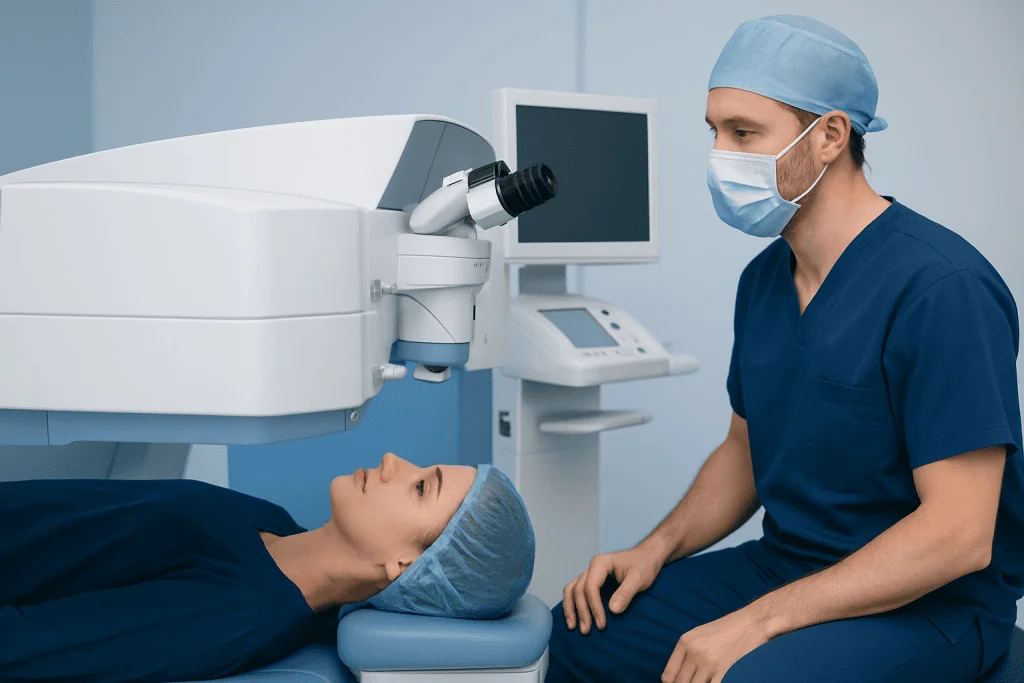
Published market ranges vary by city, provider, technology platform, and whether the figure is quoted per eye or for both eyes. Even so, many patients compare Turkey with the USA, UK, and Germany because the gap can be meaningful. The table below uses broad indicative ranges from commonly published private-market pricing patterns and should be treated only as a general planning guide.
- Turkey: often discussed around €1,800-€3,500 for both eyes
- USA: often discussed around $4,000-$7,000 for both eyes
- UK: often discussed around £3,500-£6,500 for both eyes
- Germany: often discussed around €3,500-€6,000 for both eyes
Based on these broad market ranges, Turkey may appear roughly 30% to 60% lower than some private-sector prices in the USA, UK, or Germany. These percentages are only approximate because exchange rates, package contents, surgeon seniority, and case complexity can change the comparison significantly. A lower advertised price does not always represent better value if important tests, medicines, or follow-up care are excluded.
For that reason, patients benefit from requesting a detailed written quote that clearly states whether the price is for one eye or both eyes, what services are included, and what additional costs might arise after the eye examination. This approach gives a more realistic comparison than looking at headline numbers alone.
What a SMILE Eye Surgery Package Typically Includes
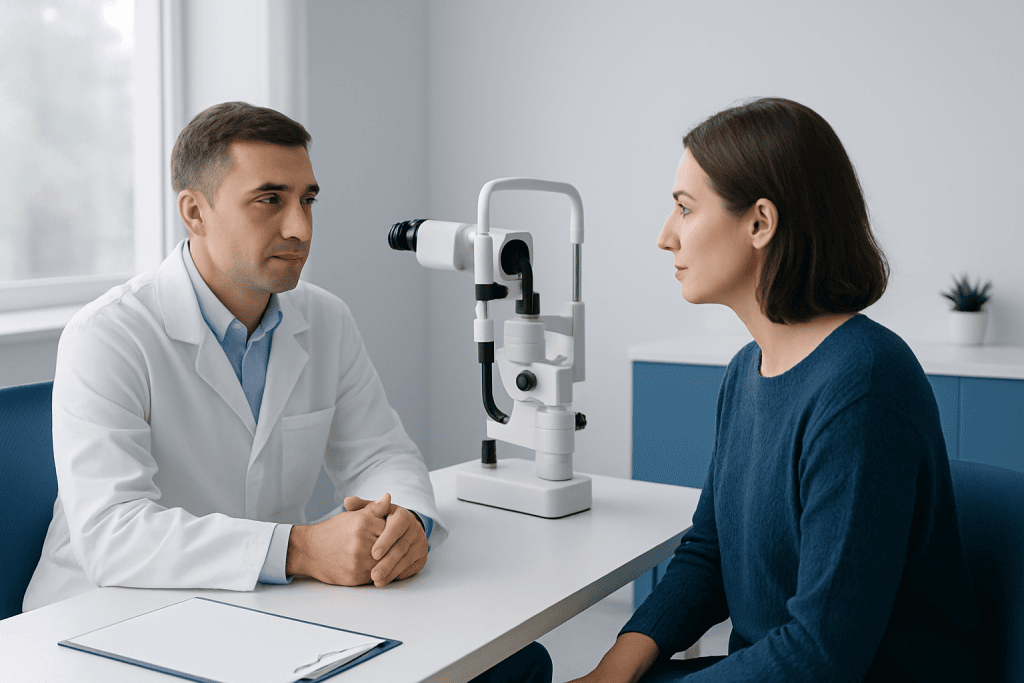
In Turkey, some hospitals and eye centers present SMILE as part of an international patient package rather than a procedure-only fee. This can make budgeting easier, especially for people traveling from abroad. Still, package contents differ widely, so it is important to check exactly what is covered before making travel plans.
A typical package may include the surgeon consultation, detailed eye testing, the procedure itself, routine medications used around the time of surgery, and one or more follow-up visits. International patient packages may also include interpreter support, airport transfer, or hotel arrangements. Other providers may quote only the surgery fee and leave accommodation, extra tests, and aftercare separate.
Useful questions to ask include whether the quote covers both eyes, whether repeat examinations are included, and whether there are any extra charges if the surgeon decides SMILE is not the safest option. If an alternative is recommended, patients may be guided toward another form of vision correction treatment that better matches their eye measurements and visual goals.
What Can Make the Price Go Up or Down?
Several factors influence smile eye surgery cost turkey. One of the biggest is clinical suitability. Patients with straightforward myopia and healthy corneas may move through assessment and treatment planning more simply than those with thin corneas, irregular topography, dry eye disease, or mixed refractive errors. Extra testing may be needed before a surgeon can confirm whether SMILE is appropriate.
The hospital and surgeon also matter. Pricing may be higher at large, internationally recognized hospitals with advanced diagnostic systems, experienced refractive surgeons, and multilingual care teams. This does not automatically mean another provider is unsuitable, but it does help explain why quotes can differ even within the same city.
Technology and aftercare can also affect the total. A quote may reflect the laser platform used, the depth of pre-operative screening, included medications, follow-up schedule, and whether care coordination for international patients is part of the service. If a patient has an eye condition such as keratoconus, SMILE may not be recommended at all, and this changes both treatment planning and cost expectations.
Travel timing is another practical factor. Flights, hotel category, length of stay, and whether a companion travels with the patient can all change the overall budget, even if the medical fee itself remains the same. Looking at the total trip cost, not only the surgery line item, gives a more useful estimate.
Quality, Safety and Accreditation: Why the Cheapest Option Is Not Always Best
Laser eye surgery is elective, but it is still a medical procedure that depends on careful patient selection, precise diagnostics, and close follow-up. For this reason, quality and safety should sit alongside price in any decision. Patients may wish to ask about surgeon qualifications, case selection protocols, diagnostic technology, infection-control standards, and emergency support if concerns arise after surgery.
Hospital accreditation can also be part of the decision-making process. JCI accreditation is one internationally recognized marker that patients often look for when comparing hospitals abroad. Accreditation does not guarantee a specific result, but it can indicate structured quality and patient-safety standards within the hospital environment.
Another sign of responsible care is a willingness to say that SMILE is not the right option for every person. Patients with significant dry eye, unstable prescriptions, certain corneal disorders, pregnancy-related vision changes, or other eye health issues may need to postpone treatment or choose a different procedure. Good refractive surgery programs prioritize suitability over convenience or speed.
Consultation and Eligibility: Why a Personal Quote Matters
A personal quote matters because SMILE is only offered after the eye has been properly assessed. The consultation usually includes corneal mapping, refraction testing, tear film assessment, and a broader eye health examination. These findings help confirm whether the patient is an appropriate candidate and whether the likely visual outcome justifies the procedure.
If the examination shows that SMILE is not ideal, the ophthalmologist may discuss other approaches. In some cases, patients may be better suited to a different refractive strategy or may need management of an underlying issue first, such as myopia progression concerns, dry eye symptoms, or corneal shape irregularities.
This is also the best time to ask practical questions: how long the patient should stay in Turkey, how many follow-up visits are expected, when flying home is considered reasonable, and what to do if vision fluctuates after returning home. Near the end of the planning process, Acibadem International’s multidisciplinary specialists in JCI-accredited hospitals can assess eligibility, explain treatment choices, and provide a personalized quote for international patients.
When to Seek Medical Care
Anyone thinking about SMILE should arrange an eye examination before making financial or travel decisions. This is especially important for people with a high prescription, dry eye symptoms, a history of eye surgery, contact lens intolerance, fluctuating vision, diabetes, or known corneal disease. A qualified ophthalmologist can explain whether SMILE is suitable and whether another option would be safer.
After any laser vision correction procedure, medical advice should be sought promptly for severe pain, sudden drop in vision, marked redness, discharge, or a feeling that vision is worsening rather than gradually stabilizing. Mild irritation and temporary visual fluctuation can occur, but new or intense symptoms should never be ignored.
Patients should also seek review if they are unsure about the medications they have been prescribed, have difficulty attending follow-up, or are planning to travel soon after treatment. Clear post-operative guidance is an important part of safe care, especially for international patients returning home.
Frequently asked questions
Is SMILE eye surgery in Turkey really cheaper than in the USA or UK?
In many published market comparisons, Turkey is often less expensive than private-sector pricing in the USA or UK. However, the real comparison depends on what is included, whether the price is for both eyes, and whether the patient is actually suitable for SMILE after examination.
What is usually included in the price of SMILE eye surgery in Turkey?
Many providers include the consultation, eye tests, the procedure, and standard early follow-up. Some international packages may also include transfers, interpreter support, or accommodation, but this varies, so patients should always ask for a detailed written breakdown.
Why can't a hospital give an exact SMILE price before seeing the patient?
The final cost depends on the eye examination and whether SMILE is medically suitable. Corneal thickness, prescription type, dry eye status, and overall eye health can all affect the treatment plan and whether an alternative procedure is recommended.
Does a lower price mean lower quality?
Not necessarily, but low price alone should never be the deciding factor. Patients should also look at surgeon experience, diagnostic technology, aftercare planning, and quality indicators such as recognized hospital accreditation.
How long should a patient stay in Turkey for SMILE surgery?
The exact timeline depends on the hospital protocol and the patient's recovery, but most people need enough time for pre-operative assessment, surgery, and early follow-up. The treating team can advise when it is reasonable to travel home based on the individual's examination and recovery progress.
Can everyone with glasses or contact lenses have SMILE surgery?
No. SMILE is suitable for many people with myopia and some with astigmatism, but it is not right for every prescription or every eye. A full ophthalmic assessment is needed to confirm candidacy and to rule out conditions that may make another option safer.
References
- American Academy of Ophthalmology
- National Health Service
- Royal College of Ophthalmologists
- European Society of Cataract and Refractive Surgeons
- Joint Commission International
This article is for general information only and is not a substitute for professional medical advice. Please consult a qualified doctor about your individual situation.
Eye Surgery in Turkey — costs, top hospitals & a free quote
JCI-accredited · board-certified surgeons · reply within 24h
Add us as a Preferred Source to see more of our trusted health content across Google Search, AI Overviews and Discover.

Ophthalmology
Comprehensive eye care from laser vision correction to retina, cornea and cataract surgery.
75 specialists in this unit