How to Choose a Hospital for Advanced Neuroradiology

A strong neuroradiology hospital offers both expert image interpretation and close teamwork with neurology, neurosurgery, and stroke specialists. Modern MRI, CT, angiography, and image-guided treatment options can improve diagnosis and treatment planning.
Key Takeaways
- A strong neuroradiology hospital offers both expert image interpretation and close teamwork with neurology, neurosurgery, and stroke specialists.
- Modern MRI, CT, angiography, and image-guided treatment options can improve diagnosis and treatment planning.
- Quality and safety matter, including accreditation, infection control, radiation protection, and emergency support.
- Patients should ask about turnaround times, second-opinion review, and how results will be explained.
- International patients may also need help with travel planning, language support, and continuity of care after returning home.
Choosing a hospital for advanced neuroradiology means looking beyond equipment alone. The best choice usually combines experienced specialists, high-quality imaging technology, strong safety standards, and clear coordination of care before and after testing or treatment.
Overview: What advanced neuroradiology means
Advanced neuroradiology is a specialized area of medicine focused on imaging of the brain, spine, head, neck, and nervous system. It includes tests such as MRI, CT, and angiography, as well as image-guided procedures used to diagnose or help treat certain neurological conditions. Because these tests often guide important treatment decisions, choosing the right hospital can make a meaningful difference in accuracy, safety, and overall patient experience.
Many people begin searching for a neuroradiology center after a doctor suspects a stroke, brain tumor, spinal disorder, aneurysm, vascular malformation, or another neurological problem. Others may need follow-up imaging for a known condition or a second opinion on results from another facility. In these situations, patients often benefit from a hospital that can offer both advanced imaging and access to related specialists in one place.
A good hospital for advanced neuroradiology does more than perform scans. It should provide careful interpretation by trained neuroradiologists, clear communication of results, and close collaboration with departments such as neurology, neurosurgery, oncology, and rehabilitation. This team-based approach can help ensure that findings on imaging are translated into a practical and timely care plan.
When advanced neuroradiology may be needed
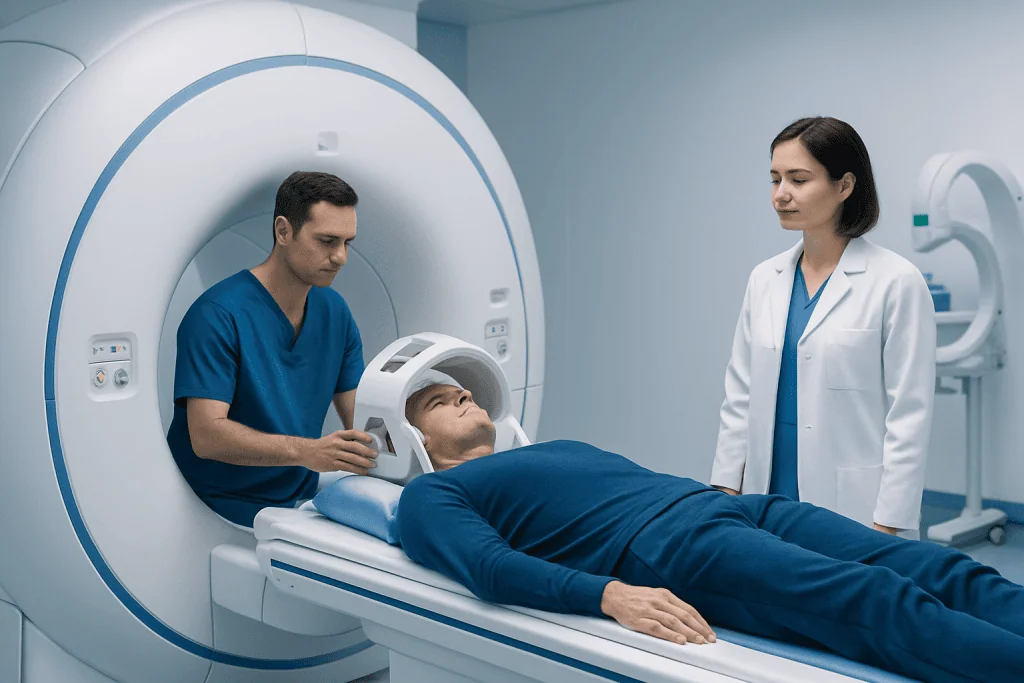
Advanced neuroradiology may be recommended when symptoms or previous tests suggest a problem involving the brain, spinal cord, nerves, or blood vessels supplying these areas. Common reasons include severe or unusual headaches, weakness, numbness, seizures, sudden vision or speech changes, balance problems, persistent back or neck pain, or unexplained neurological symptoms. In some cases, imaging is also used to monitor recovery after surgery or treatment.
Certain conditions need especially detailed imaging because treatment decisions can be time-sensitive or highly specialized. Examples include suspected stroke, aneurysm, brain or spine tumors, inflammatory diseases such as multiple sclerosis, traumatic injury, and complex vascular disorders. A hospital with advanced neuroradiology services is often better equipped to provide fast, high-quality evaluation when these concerns arise.
Advanced neuroradiology can involve both diagnosis and minimally invasive treatment planning. For example, detailed vessel imaging may be used in patients with stroke or suspected aneurysm, while specialized MRI protocols may help assess tumors, epilepsy, or degenerative spine disease. Some hospitals also provide image-guided therapies through interventional neuroradiology, which may be important for selected vascular conditions.
What to look for in a hospital

One of the most important factors is specialist expertise. Patients may wish to look for a hospital where scans are interpreted by fellowship-trained neuroradiologists rather than by general imaging staff alone. It is also helpful when the hospital has specialists with experience in specific areas such as stroke imaging, pediatric neuroradiology, spine imaging, functional MRI, or vascular imaging, depending on the patient’s needs.
Technology is another key consideration. A well-equipped center may offer high-resolution MRI, advanced CT, MR angiography, CT angiography, digital subtraction angiography, perfusion imaging, diffusion imaging, and other specialized techniques. However, newer machines alone are not enough; hospitals should also have skilled technologists, standardized imaging protocols, and quality controls that help produce reliable images and reduce the need for repeat testing.
Patients can also ask whether the hospital provides:
- 24/7 emergency imaging support for urgent neurological cases
- Multidisciplinary case review with neurology, neurosurgery, oncology, and stroke teams
- Rapid reporting for urgent or complex studies
- Second-opinion review of outside scans
- Image-guided treatment options when appropriate
- Clear communication in a language the patient understands
A hospital’s ability to coordinate next steps matters just as much as the scan itself. If an abnormality is found, patients often need prompt referral for further care such as neurosurgery, stroke care, or radiation oncology. Seamless coordination may reduce delays and help patients feel more informed and supported.
Safety, quality, and accreditation
Safety should be central when choosing any hospital, especially one that performs complex imaging or angiographic procedures. For MRI, this includes strong screening processes for metal implants, pacemakers, and other safety concerns. For CT and angiography, it includes attention to radiation protection and using the lowest appropriate dose while still obtaining the information needed.
Patients may also ask how the hospital handles contrast dye safety. A reliable center should review kidney function when needed, assess prior allergy history, and explain the benefits and possible risks of contrast use in simple terms. If sedation or anesthesia may be required, the hospital should have trained staff and clear monitoring protocols before, during, and after the procedure.
Accreditation and quality systems can be useful signs of consistent standards. Internationally recognized accreditation, infection prevention protocols, emergency support, and documented quality improvement practices may all reflect a hospital’s commitment to patient care. These details may be especially important for individuals traveling for care, who may have less familiarity with the local health system.
For procedures such as cerebral angiography or endovascular treatment, patients may wish to ask about complication management and intensive care backup. Even when a procedure is minimally invasive, it should be performed in a setting prepared to respond quickly if unexpected issues arise.
Questions patients can ask before choosing
Asking practical questions can help patients compare hospitals more confidently. It is reasonable to ask who will interpret the scan, whether the physician is a neuroradiologist, and how often the center performs the specific type of study or procedure being considered. Patients can also ask whether a multidisciplinary team reviews complex cases and whether prior images from another hospital can be uploaded and reassessed.
Turnaround time is another useful topic. In urgent situations, timely reporting can be critical. Patients may ask how quickly results are available, whether the referring doctor will be contacted directly for important findings, and how the hospital explains results to patients and families. Written reports, image access, and translated records may be particularly helpful for international patients.
Other helpful questions include:
- Will contrast, sedation, or anesthesia be needed?
- Are there alternatives if a patient cannot undergo MRI or has kidney concerns?
- What preparation is required before the test?
- Who coordinates follow-up care if something abnormal is found?
- Is there support for travel, interpretation, and medical records transfer?
These questions do not require medical expertise, but they can reveal how organized, transparent, and patient-centered a hospital is. A center that answers clearly and respectfully often gives patients greater confidence in the care process.
For international patients: planning beyond the scan
Patients traveling abroad for advanced neuroradiology may need to think about more than medical technology. Travel distance, timing, visa needs, interpreter services, and the ability to share records with doctors at home can all affect the experience. A hospital that regularly cares for international patients may be better prepared to organize appointments efficiently and reduce unnecessary delays.
It is often helpful to send previous reports and image files before travel so the medical team can decide what testing is truly needed. This may prevent duplicate scans and make the first visit more productive. Patients may also wish to ask whether consultations can be arranged across multiple specialties in a short timeframe, especially if the goal is a diagnosis, treatment plan, and follow-up recommendations during one trip.
Continuity of care after returning home is equally important. A good hospital should provide clear discharge summaries, imaging copies, and instructions for follow-up with local doctors. If treatment is recommended for conditions such as a brain tumor or complex vascular disorder, patients should understand which parts of care must be done immediately and which can continue closer to home.
Near the end of the decision process, some patients also consider whether the hospital offers coordinated care across specialties. Acibadem International, for example, provides diagnosis and treatment through multidisciplinary specialists and JCI-accredited hospitals for international patients, which may be helpful when advanced imaging needs to connect smoothly with further neurological or surgical care.
After diagnosis: treatment coordination matters
The value of an advanced neuroradiology hospital often becomes most clear after imaging results are available. If a scan identifies a lesion, vessel problem, inflammation, or spinal disorder, the next step may involve medical treatment, surgery, rehabilitation, or ongoing monitoring. Hospitals that integrate these services can often move from diagnosis to treatment planning more smoothly.
For example, a patient with an aneurysm or vascular malformation may need discussion between neuroradiology, neurosurgery, and endovascular specialists. Someone with a suspicious mass may need pathology review, oncology input, and advanced planning for surgery or radiation. A patient with spinal nerve compression may benefit from coordinated assessment by neuroradiology and spine experts, especially when surgery is not the first option.
In some situations, patients may benefit from highly specialized treatments such as Gamma Knife radiosurgery or other targeted procedures. Even when these are not immediately needed, a hospital that can discuss the full range of options may help patients make more informed decisions. This is especially reassuring when the diagnosis is complex or there are multiple possible treatment paths.
Patients should also feel comfortable asking who will remain their main contact person. Clear communication, follow-up planning, and access to records are practical details that can make a stressful situation feel more manageable.
Making the final decision
In the end, choosing a hospital for advanced neuroradiology is usually about balancing expertise, safety, access, and communication. The best center for one person may not be the same for another. A patient with an emergency stroke concern may prioritize speed and round-the-clock intervention, while someone seeking a second opinion on a complex imaging finding may focus more on subspecialty review and multidisciplinary discussion.
It can help to compare two or three hospitals using the same checklist: specialist qualifications, available imaging techniques, accreditation, emergency support, treatment coordination, and patient services. Reading general information from trusted health organizations and discussing options with the referring doctor can also guide the choice. Patients should feel able to ask questions and take time to understand why a particular center is being recommended.
When possible, people should choose a hospital where they feel informed, listened to, and supported. Advanced neuroradiology is not only about seeing detailed images; it is about using those images wisely to guide safe, personalized care. If there is uncertainty, seeking a second opinion is often a reasonable and helpful step.
Frequently asked questions
What is the most important factor when choosing a hospital for advanced neuroradiology?
There is rarely one single factor, but specialist expertise is often central. A hospital with experienced neuroradiologists, modern imaging tools, and coordinated neurological care usually offers the most complete support.
Does a hospital need to have the newest MRI or CT scanner to be a good choice?
Not necessarily. High-quality equipment is valuable, but image quality also depends on skilled technologists, proper protocols, and expert interpretation. A well-organized center with strong experience may be more important than technology alone.
Why does multidisciplinary care matter in neuroradiology?
Imaging findings often guide decisions made by neurologists, neurosurgeons, oncologists, and rehabilitation teams. When these specialists work closely together, patients may receive faster answers and a clearer treatment plan.
Should patients ask about accreditation and safety standards?
Yes. Accreditation, radiation safety practices, MRI screening procedures, infection control, and emergency support are all useful signs of a hospital’s commitment to quality care. These questions are especially important for complex procedures or international travel.
Can a patient seek a second opinion on brain or spine imaging?
Yes, and it can be very helpful in complex or uncertain cases. Many advanced centers can review outside scans and provide a second interpretation, sometimes helping avoid repeat imaging.
What should international patients prepare before visiting a neuroradiology center abroad?
They should gather previous reports, image files, medication lists, and a summary of symptoms and past treatments. It is also helpful to ask in advance about language support, travel coordination, and how follow-up information will be shared with doctors at home.
References
- World Health Organization
- Radiological Society of North America
- American Society of Neuroradiology
- American College of Radiology
- National Institute of Neurological Disorders and Stroke
This article is for general information only and is not a substitute for professional medical advice. Please consult a qualified doctor about your individual situation.
Neuroradiology in Turkey — costs, top hospitals & a free quote
JCI-accredited · board-certified surgeons · reply within 24h
Add us as a Preferred Source to see more of our trusted health content across Google Search, AI Overviews and Discover.

More from the Health Library



Related Specialists

Özge Bölükbaşı
Physical Medicine & Rehabilitation
Dr. Sarp Özcan
Gynecology & Obstetrics
Assoc. Prof. Dr. Zeynep Selen Aslan
Pediatric Neurology
Prof. Dr. Mert Akan
Anesthesiology