

How to Choose the Right Plastic Surgeon for Cosmetic Surgery Abroad

Verify the surgeon’s qualifications, specialty training, and experience with the exact procedure. Choose a hospital or clinic with strong safety standards, clear emergency support, and proper accreditation.
Key Takeaways
- Verify the surgeon’s qualifications, specialty training, and experience with the exact procedure.
- Choose a hospital or clinic with strong safety standards, clear emergency support, and proper accreditation.
- Review before-and-after photos, but also ask about complication management and revision policies.
- Make sure communication is clear, respectful, and realistic from the first consultation.
- Plan for recovery and follow-up care, especially when traveling home after surgery.
Choosing a plastic surgeon for cosmetic surgery abroad is best done by looking beyond price and focusing on training, safety, communication, and follow-up care. A careful, structured review helps patients find a qualified specialist and make a well-informed decision.
Overview
Cosmetic surgery abroad can offer access to experienced specialists and well-organized medical travel services, but the choice of surgeon remains the most important decision. The right surgeon is not simply the one with the best price or the most attractive social media profile; it is the one with the right training, the right setting, and a clear approach to patient safety.
For patients considering procedures such as breast surgery, body contouring, or facial enhancement, a thoughtful search process helps reduce uncertainty and supports realistic expectations. In some cases, patients may explore options like cosmetic surgery or specific procedures such as breast aesthetics and [[TREATMENT/body-contouring|body contouring]], but the principles for choosing a surgeon are similar: confirm expertise, understand the plan, and ask about aftercare.
A trustworthy consultation should feel clear, respectful, and unhurried. Patients should leave with a better understanding of what the procedure can and cannot do, what recovery may involve, and how any unexpected issues would be handled.
What to Look for in a Plastic Surgeon
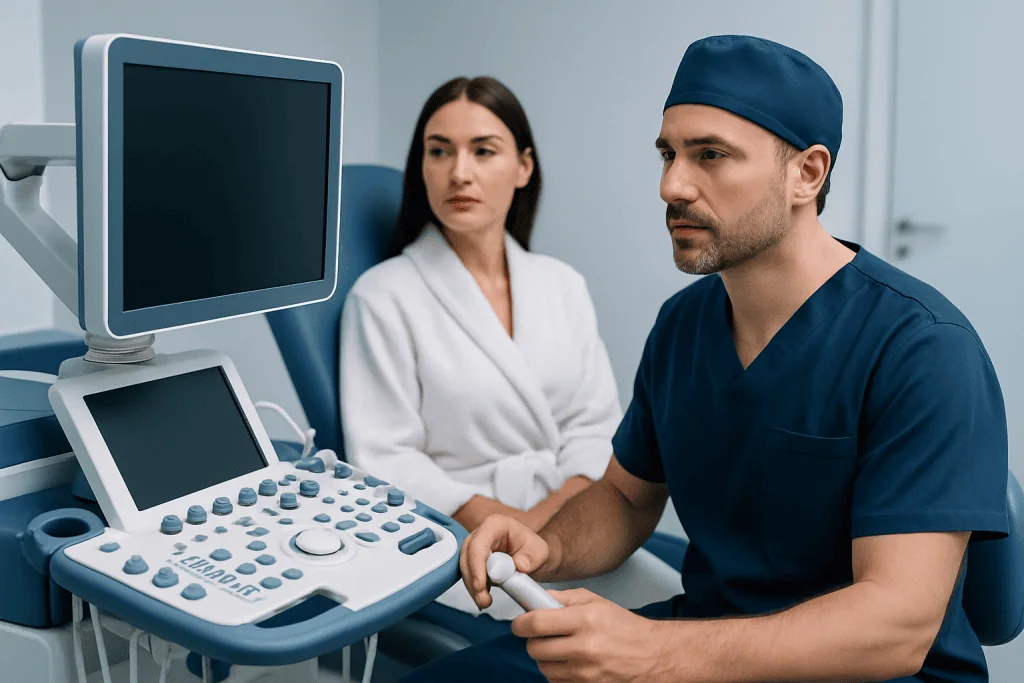
The first step is to check whether the surgeon is properly trained in plastic, reconstructive, or aesthetic surgery, depending on the procedure. Training standards vary across countries, so patients should verify licensure, specialty certification, and membership in recognized professional associations when possible.
Experience matters, especially for the specific operation being considered. A surgeon who regularly performs breast augmentation may not be the best choice for facial rejuvenation, and a clinician skilled in a single area may not be ideal for a combination procedure. Patients can ask how often the surgeon performs the exact operation, what types of patients they commonly treat, and what results are typically realistic.
It is also wise to review before-and-after photos, but only as one part of the decision. Photos can show surgical style and consistency, yet they do not reveal the full story of healing, complications, or long-term satisfaction. A careful discussion about risks, scar patterns, and recovery time is just as important as visual examples.
Questions to Ask During Consultation

A good consultation should cover the surgeon’s credentials, the recommended technique, expected recovery, and possible risks. Patients should ask who will perform the operation, where it will take place, and who will provide care if concerns arise after surgery. Clear answers help reveal whether the team is organized and transparent.
It is useful to ask the surgeon to explain why a specific procedure is being recommended and whether there are alternatives. For example, some body-shaping concerns may be addressed through surgical methods, while others may be better suited to non-surgical options or staged treatment. In selected cases, a surgeon may discuss procedures such as liposuction or arm lift when these match the patient’s anatomy and goals.
Patients should also ask about revision surgery, complication management, and what follow-up is included. The right surgeon does not promise perfection; instead, they provide a balanced explanation of benefits and limits, and they prepare the patient for recovery in a practical way.
Safety Standards and Facility Quality
The best surgeon should work in a facility that meets strong safety standards. Patients should find out whether the hospital or clinic is properly licensed, whether anesthesia is provided by qualified professionals, and whether emergency equipment and protocols are in place. These details matter even for procedures that are considered routine.
Hospital-level support is especially important for patients traveling internationally, because complications are always easier to manage when the team has access to imaging, laboratory testing, and surgical backup. Patients may also ask whether the facility has infection-control procedures, blood-bank access if needed, and clear discharge instructions.
Accreditation can be a helpful sign of quality, but it should be considered alongside the surgeon’s own credentials and the overall care pathway. A safe setting includes not only the operating room, but also preoperative assessment, anesthesia planning, recovery monitoring, and a realistic discharge plan.
Communication, Trust, and Realistic Expectations
Good communication is one of the strongest indicators that a surgeon is the right fit. Patients should feel that their questions are heard, their concerns are taken seriously, and their goals are discussed in a practical way. A respectful conversation often helps patients understand whether the surgeon is focused on shared decision-making.
Trust also depends on honesty. A qualified surgeon will not overpromise results, pressure a patient into a procedure, or dismiss concerns about healing or scarring. When patients are told clearly what may improve and what may not change, they are better able to decide whether surgery matches their expectations.
It can help to pay attention to how the team explains risks, consent forms, and recovery steps. If communication is rushed, confusing, or inconsistent, that may be a sign to keep looking. For international patients, language support and written instructions in the patient’s preferred language are especially valuable.
Special Considerations When Traveling Abroad
When surgery is done abroad, planning should include more than the operation itself. Patients need to think about travel timing, recovery accommodation, follow-up appointments, and what will happen if they need additional care before returning home. A well-organized program should address these practical issues before the procedure is booked.
Patients should ask how long they are expected to stay in the destination after surgery and whether drains, stitches, or dressings will need removal before travel. It is also important to know who will provide aftercare once the patient has returned home and how the surgeon’s team communicates with local doctors if needed.
Some patients also explore combined treatments or staged procedures, such as aesthetic breast surgery or breast lift options. In these cases, recovery planning becomes even more important, because multiple procedures may mean a more complex healing period and more detailed follow-up needs.
How to Compare Surgeons Before You Decide
Comparing surgeons works best when patients use a simple checklist. It can help to compare training, experience with the exact procedure, facility standards, communication quality, and the completeness of the follow-up plan. A surgeon who scores well in all of these areas is usually a stronger choice than one who excels in only one.
Patients should be cautious of offers that emphasize discounts, short deadlines, or dramatic transformations. Cosmetic surgery is a medical procedure, and the safest decision is usually based on competence and preparation rather than urgency. If something feels unclear, it is reasonable to pause and seek a second opinion.
For some people, specialized procedures may be more suitable than general aesthetic surgery, such as acne scar treatment or facial contouring options like chin aesthetic. The key is to match the surgeon’s expertise to the exact concern being treated, rather than choosing a provider based only on broad advertising.
When to Seek Additional Medical Advice
Patients should seek more information if they are unsure about the proposed procedure, if they do not understand the risks, or if the consultation feels rushed. A second opinion can be very helpful when the choice is complex, when multiple procedures are suggested, or when the patient has a medical condition that may affect healing.
Additional medical advice is also useful if there is uncertainty about anesthesia fitness, bleeding risk, prior scars, or a history of poor wound healing. Clear preoperative assessment allows the surgical team to plan more safely and helps the patient make an informed choice.
Acibadem International’s multidisciplinary specialists and JCI-accredited hospitals diagnose and treat a wide range of aesthetic conditions for international patients, with care pathways that include evaluation, surgery, and follow-up planning. Patients still benefit from comparing options carefully and choosing the surgeon and facility that best match their individual needs.
Frequently asked questions
What is the most important factor when choosing a plastic surgeon abroad?
The most important factor is verified training and experience with the exact procedure being considered. A safe facility and good communication are also essential, but the surgeon’s qualifications should come first.
Should patients choose a surgeon based on price?
Price can be one part of the decision, but it should not be the main one. Very low-cost offers may leave out important details such as follow-up care, anesthesia quality, or proper facility standards.
How can a patient check whether a surgeon is qualified?
Patients can ask about medical licensure, specialty training, board certification, and how often the surgeon performs the procedure. It is also reasonable to look for recognized hospital accreditation and professional memberships.
Why is before-and-after photography not enough?
Photos can be helpful, but they do not show the full picture of safety, healing, or complication management. A strong consultation should also cover risks, recovery, and follow-up support.
What should international patients ask about recovery?
They should ask how long they need to stay after surgery, who will manage follow-up care, and what to do if concerns arise after returning home. Recovery planning is especially important when traveling internationally.
Is it okay to get a second opinion before cosmetic surgery?
Yes, and it is often a wise step when the procedure is complex or the advice feels unclear. A second opinion can improve understanding and help the patient choose with confidence.
References
- American Society of Plastic Surgeons
- International Society of Aesthetic Plastic Surgery
- World Health Organization
- Joint Commission International
- General Medical Council
This article is for general information only and is not a substitute for professional medical advice. Please consult a qualified doctor about your individual situation.
Explore treatments in Turkey — costs, top hospitals & a free quote
JCI-accredited · board-certified surgeons · reply within 24h
Add us as a Preferred Source to see more of our trusted health content across Google Search, AI Overviews and Discover.

Related Treatments
Related Conditions
More from the Health Library



Related Specialists

Prof. Dr. Şükrü Yazar
Aesthetic Plastic & Reconstructive Surgery
Assoc. Prof. Dr. Erdem Güven (m)
Aesthetic Plastic & Reconstructive Surgery
Prof. Dr. Hakan Ağır
Aesthetic Plastic & Reconstructive Surgery
Prof. Dr. Bülent Saçak
Aesthetic Plastic & Reconstructive Surgery