How to Get Pregnant: Fertile Days, Ovulation, and Timing

Pregnancy is most likely when intercourse happens in the few days before ovulation and on the day of ovulation. The fertile window usually lasts about 6 days, but it can vary from person to person and from cycle to cycle.
Key Takeaways
- Pregnancy is most likely when intercourse happens in the few days before ovulation and on the day of ovulation.
- The fertile window usually lasts about 6 days, but it can vary from person to person and from cycle to cycle.
- Ovulation can be tracked using cycle dates, cervical mucus changes, ovulation predictor kits, and basal body temperature.
- Age, cycle irregularity, medical conditions, and sperm health can all affect fertility.
- A doctor should be consulted earlier if cycles are irregular, there is known reproductive disease, or pregnancy has not occurred after months of trying.
Knowing how to get pregnant often begins with understanding ovulation, identifying fertile days, and timing intercourse during the most fertile part of the menstrual cycle. Healthy lifestyle habits and timely medical advice can also improve the chances of conception.
Overview: How Pregnancy Happens
For people trying to conceive, understanding the basic timing of fertility can make the process clearer and less stressful. Pregnancy happens when a sperm fertilizes an egg, usually in the fallopian tube, and the fertilized egg then travels to the uterus to implant. This means conception depends on both ovulation and sperm being present in the reproductive tract at the right time.
The egg survives for only about 12 to 24 hours after ovulation. Sperm, however, can survive in the female reproductive tract for up to 5 days in favorable conditions. Because of this, the best time for intercourse is usually not only on the day of ovulation, but also during the several days before it.
This period is called the fertile window. For many people, the fertile window includes the 5 days before ovulation and the day of ovulation itself. Learning how the reproductive system works can help couples understand why cycle timing matters and why pregnancy may not happen immediately, even when everything is healthy.
Understanding Ovulation and Fertile Days
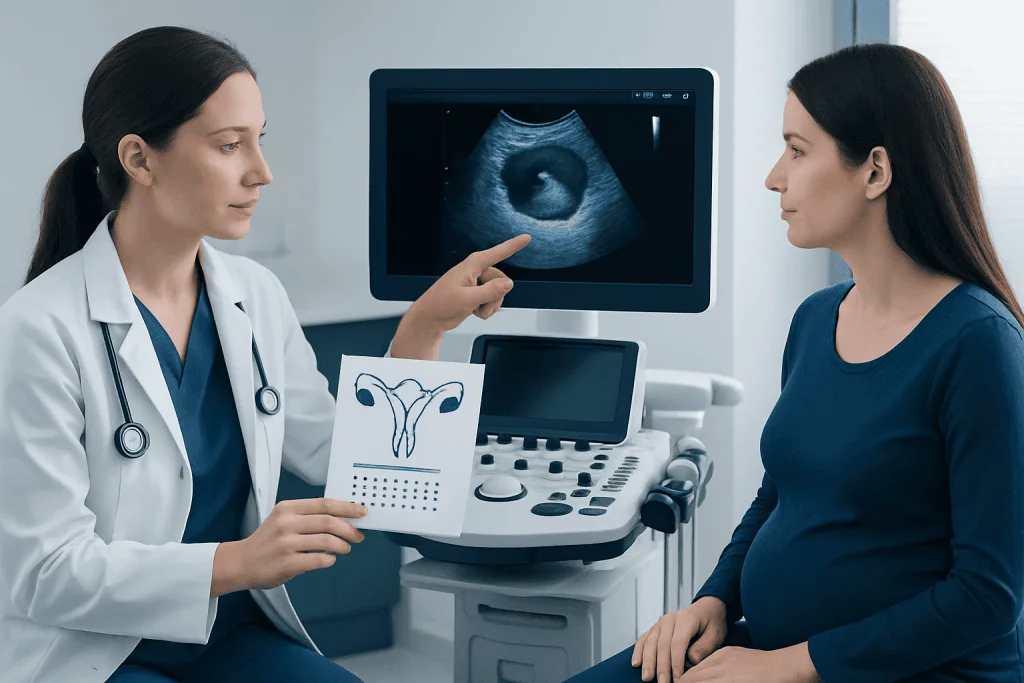
Ovulation is the release of a mature egg from an ovary. In a typical menstrual cycle, ovulation often happens about 14 days before the next period starts, not necessarily on day 14 of the cycle. This is an important distinction, because cycle length can vary. For example, someone with a 28-day cycle may ovulate around day 14, while someone with a 32-day cycle may ovulate closer to day 18.
The fertile days are the days when intercourse is most likely to lead to pregnancy. These are usually the 5 days before ovulation, the day of ovulation, and sometimes the following day. Since ovulation can shift from month to month, predicting the exact day is not always simple, especially in people with irregular periods.
It is also helpful to remember that regular cycles do not guarantee ovulation every month, and irregular cycles do not make pregnancy impossible. Conditions such as polycystic ovary syndrome can affect the timing or frequency of ovulation. In some people, absent periods or very infrequent periods may signal amenorrhea, which should be medically assessed if pregnancy is the goal.
How to Track Ovulation
Several methods can help identify the fertile window. Calendar tracking is a simple starting point. A person records the first day of each menstrual period over several months and estimates ovulation based on cycle length. This method is easiest for regular cycles, but it is less reliable when cycles vary significantly.
Changes in cervical mucus can offer useful clues. As ovulation approaches, cervical mucus often becomes clearer, wetter, and stretchier, similar to raw egg white. This type of mucus helps sperm move more easily through the cervix. After ovulation, mucus may become thicker or less noticeable.
Ovulation predictor kits detect the luteinizing hormone surge that usually happens 24 to 36 hours before ovulation. These tests can be especially helpful for people who want a clearer estimate of their fertile days. Basal body temperature tracking is another option. Body temperature rises slightly after ovulation, so this method helps confirm that ovulation has occurred, though it does not predict it in advance.
Some people combine methods for a better picture of their cycle. A cycle app, cervical mucus awareness, and ovulation test strips together may be more informative than using only one tool. However, if tracking becomes overwhelming or cycles are highly unpredictable, a doctor or fertility specialist can help assess ovulation more directly.
Best Timing for Intercourse
When learning how to get pregnant, timing intercourse during the fertile window is one of the most practical steps. In general, intercourse every 1 to 2 days during the fertile window gives sperm repeated chances to meet the egg. For many couples, this means having intercourse in the few days leading up to ovulation and on the day ovulation is expected.
Some people prefer a simpler approach: intercourse every 2 to 3 days throughout the cycle. This can reduce pressure and still covers the fertile days for many couples. It may be especially helpful if cycle tracking feels stressful or if ovulation is difficult to predict.
There is no single sexual position that has been proven to improve the chance of conception. Lying down briefly after intercourse is not usually necessary, though some people choose to do so for comfort. Most importantly, couples should avoid using lubricants that may interfere with sperm movement unless a fertility-friendly lubricant is recommended by a clinician.
If intercourse is painful, difficult, or infrequent for medical or personal reasons, professional guidance may help. Conditions causing pelvic pain, inflammation, or structural problems can sometimes affect conception. For example, pelvic inflammatory disease may harm the fallopian tubes and reduce fertility if not treated promptly.
Factors That Can Affect Fertility
Fertility is influenced by both female and male factors. Age is one of the most important considerations. Female fertility generally declines with age, especially after the mid-30s, because both the number and quality of eggs decrease over time. Male fertility can also change with age, though often more gradually.
Cycle irregularity, thyroid disorders, hormonal imbalance, ovulation disorders, endometriosis, fibroids, and blocked fallopian tubes can all make conception more difficult. Structural differences in the uterus, such as a uterine septum, may also affect fertility or early pregnancy. Ovarian problems, including ovarian cysts, may or may not interfere with ovulation depending on the type and cause.
Male-factor infertility is also common and should not be overlooked. Low sperm count, reduced sperm movement, abnormal sperm shape, varicocele, infection, and certain medications or health conditions can affect the ability to conceive. For this reason, fertility evaluation often includes both partners.
Lifestyle can matter too. Smoking, excessive alcohol use, recreational drugs, significant stress, poor sleep, and being underweight or overweight may affect hormones, ovulation, sperm quality, or sexual health. While lifestyle changes cannot solve every fertility issue, they can support overall reproductive health and improve the chances of conception.
Ways to Support Conception Naturally
People trying to conceive can take several everyday steps to support fertility. A balanced diet, regular moderate physical activity, adequate sleep, and stress management all contribute to general health. Taking a prenatal vitamin with folic acid before pregnancy is commonly recommended because it supports early fetal development and is most helpful when started before conception.
Maintaining a healthy body weight may improve ovulation and hormonal balance. Extreme exercise, crash dieting, and rapid weight changes can sometimes disrupt menstrual cycles. If there are concerns about eating patterns, body weight, or exercise intensity, a doctor or dietitian can help create a safe plan.
It is wise to review medications and supplements with a healthcare professional before trying to conceive. Some prescription drugs, over-the-counter medicines, and herbal products may affect fertility or may not be appropriate in early pregnancy. Limiting tobacco, alcohol, and non-prescribed drug use is also important.
If conception does not happen with timed intercourse, fertility treatment may be an option depending on the cause. Depending on the situation, doctors may discuss insemination or more advanced options such as IVF treatment. Evaluation for female infertility or broader infertility care can help identify the most appropriate next steps.
When to See a Doctor
It is reasonable for healthy couples to take some time to conceive. However, medical advice should be sought if pregnancy has not happened after 12 months of regular unprotected intercourse for women under 35, or after 6 months for women 35 and older. Earlier evaluation is often recommended for women over 40 or for anyone with known fertility concerns.
A doctor should also be consulted sooner if menstrual cycles are very irregular, absent, unusually painful, or very heavy, or if there is a history of miscarriage, pelvic surgery, sexually transmitted infections, endometriosis, or known male fertility issues. Erectile or ejaculation difficulties, prior chemotherapy, or testicular problems also justify early assessment.
Fertility evaluation may include cycle history, hormone testing, ovulation assessment, pelvic ultrasound, semen analysis, and imaging to check whether the fallopian tubes are open. Treatment depends on the findings and may range from cycle monitoring and medication to assisted reproductive techniques.
Near the end of the fertility journey, compassionate specialist support can make a difference. Acibadem International’s multidisciplinary teams in JCI-accredited hospitals evaluate and treat fertility concerns for international patients, always tailoring care to the individual medical picture.
Frequently asked questions
What are the most fertile days to get pregnant?
The most fertile days are usually the 5 days before ovulation and the day of ovulation. Pregnancy is most likely when sperm are already present before the egg is released. Because cycles vary, these days are not the same for everyone.
How often should a couple have intercourse when trying to conceive?
Many doctors suggest intercourse every 1 to 2 days during the fertile window. Another practical approach is every 2 to 3 days throughout the cycle, which can reduce pressure and still cover the likely fertile days. The best pattern is one that is comfortable and sustainable for both partners.
Can someone get pregnant right after their period?
Yes, it is possible, especially if ovulation happens early or periods are short. Sperm can live in the reproductive tract for up to 5 days, so intercourse soon after a period may still lead to pregnancy. This is more likely in people with shorter or irregular cycles.
Do irregular periods make pregnancy impossible?
No, irregular periods do not make pregnancy impossible, but they can make ovulation harder to predict. Irregular cycles may also signal a hormonal or ovulatory problem that deserves evaluation. A doctor can help determine whether ovulation is occurring and what support may be needed.
How long does it usually take to get pregnant?
For healthy couples, it can take several months to conceive even when timing is good. Not becoming pregnant right away does not necessarily mean there is a fertility problem. If pregnancy has not occurred after the usual recommended time frame, medical evaluation is appropriate.
Should both partners be evaluated if pregnancy is not happening?
Yes, fertility depends on both egg and sperm factors, so evaluation often includes both partners. A semen analysis is a common early test because male-factor infertility is not rare. Assessing both sides can prevent delays and guide the most effective next steps.
This article is for general information only and is not a substitute for professional medical advice. Please consult a qualified doctor about your individual situation.
IVF & fertility treatment in Turkey — success rates and costs
JCI-accredited · board-certified surgeons · reply within 24h
Add us as a Preferred Source to see more of our trusted health content across Google Search, AI Overviews and Discover.
Check your numbers in seconds
BMI, calories, due date, blood pressure and 30+ more clinical calculators — free, instant, doctor-reviewed ranges.

Related Treatments
Related Conditions
More from the Health Library

IVF With Diminished Ovarian Reserve: What Treatment Planning Looks Like

When to Get a Second Opinion for Infertility Treatment

Thyroid and Prolactin Testing Before IVF: Why Hormones Matter

Egg Freezing vs IVF: Which Fertility Option Fits Your Goals?

IVF After Tubal Ligation: Options, Testing, and Success Factors
IVF for Recurrent Miscarriage: Tests, Treatment Planning, and Expectations
Gynecology & Obstetrics Specialists at Acibadem

Dr. Baha Celal Doğan
Gynecology & Obstetrics
Prof. Dr. Baki Erdem (m)
Gynecology & Obstetrics
Dr. Begüm Uzsezer Güler
Gynecology & Obstetrics
Prof. Dr. Belgin Selam
Gynecology & Obstetrics