Hypertension: Why High Blood Pressure Should Not Be Ignored

Hypertension usually causes no symptoms, so regular blood pressure checks are essential. Long-term high blood pressure increases the risk of heart attack, stroke, kidney disease, heart failure and vision problems.
Key Takeaways
- Hypertension usually causes no symptoms, so regular blood pressure checks are essential.
- Long-term high blood pressure increases the risk of heart attack, stroke, kidney disease, heart failure and vision problems.
- Diagnosis should be based on repeated, correctly performed measurements, sometimes including home or ambulatory monitoring.
- Lifestyle measures such as reducing salt, staying active, managing weight, limiting alcohol and stopping smoking support blood pressure control.
- Many people also need medication, and treatment should be individualized by a qualified doctor.
Hypertension, or high blood pressure, is common and often silent, yet it can gradually damage the heart, blood vessels, brain, kidneys and eyes. With accurate diagnosis, healthy lifestyle changes and appropriate medical treatment, most people can control blood pressure and reduce long-term health risks.
Overview
Hypertension means that the force of blood against the artery walls remains higher than it should be over time. Blood pressure is written as two numbers: systolic pressure, the top number, reflects pressure when the heart contracts; diastolic pressure, the bottom number, reflects pressure when the heart relaxes between beats. A single high reading does not always mean a person has hypertension, but repeated high readings should be assessed by a healthcare professional.
High blood pressure is sometimes called a silent condition because many people feel well even when their readings are consistently elevated. This can make it easy to ignore. However, untreated hypertension can quietly strain the heart and arteries and contribute to serious complications over many years.
The reassuring news is that hypertension is one of the most manageable cardiovascular risk factors. Accurate measurement, routine follow-up, lifestyle changes and, when needed, medication can help many people bring blood pressure into a safer range and protect long-term health.
Why High Blood Pressure Should Not Be Ignored
Blood vessels are designed to carry blood under pressure, but persistently high pressure can injure the delicate inner lining of arteries. Over time, arteries may become stiffer and narrower, making it harder for blood to flow efficiently. This process can affect blood vessels throughout the body, including those supplying the heart, brain, kidneys and eyes.
When the heart has to pump against higher pressure, the heart muscle may thicken and work harder than usual. This can increase the risk of heart failure, coronary artery disease and irregular heart rhythms. High blood pressure is also an important contributor to stroke because it can damage blood vessels in the brain or increase the chance of a clot blocking blood flow.
The kidneys are especially sensitive to blood vessel damage. Hypertension can reduce kidney function, while kidney disease can also worsen blood pressure, creating a cycle that needs careful medical management. In the eyes, high blood pressure may damage small retinal blood vessels and contribute to vision changes. These risks develop gradually, which is why early detection and treatment are important even when a person has no symptoms.
Symptoms and Warning Signs

Most people with hypertension do not have noticeable symptoms. Headache, tiredness, dizziness or nosebleeds can occur for many reasons and are not reliable ways to detect high blood pressure. A person may have significantly elevated readings and still feel completely normal, which is why screening is essential.
Some symptoms may suggest complications or very high blood pressure and should be taken seriously. These can include chest discomfort, shortness of breath, weakness or numbness on one side of the body, confusion, severe sudden headache, fainting, vision loss or difficulty speaking. Such symptoms require urgent medical assessment, especially if they appear suddenly.
People should not wait for symptoms before checking blood pressure. Adults are generally encouraged to have blood pressure measured during routine healthcare visits, and those with previous high readings or risk factors may be advised to monitor more often. Home monitoring can be useful when done with a validated device and proper technique.
Causes and Risk Factors
In many adults, hypertension develops gradually without one single identifiable cause. This is often called primary or essential hypertension. It is influenced by a combination of genetics, aging, body weight, diet, physical activity, stress patterns and other lifestyle or metabolic factors.
Secondary hypertension is high blood pressure caused by another condition or substance. Possible causes include kidney disease, hormonal disorders such as thyroid or adrenal problems, obstructive sleep apnea, certain medications, some pain relievers, decongestants, stimulants, oral contraceptives and excessive alcohol intake. Identifying a secondary cause can be important because treating the underlying issue may improve blood pressure control.
Common risk factors include:
- Family history of hypertension or cardiovascular disease
- Older age, although high blood pressure can occur in younger adults
- Excess body weight, especially around the waist
- High salt intake and low intake of potassium-rich foods, unless restricted for medical reasons
- Physical inactivity
- Smoking or other tobacco use
- Diabetes, high cholesterol or chronic kidney disease
- Long-term stress, poor sleep or sleep apnea
Diagnosis and Blood Pressure Monitoring
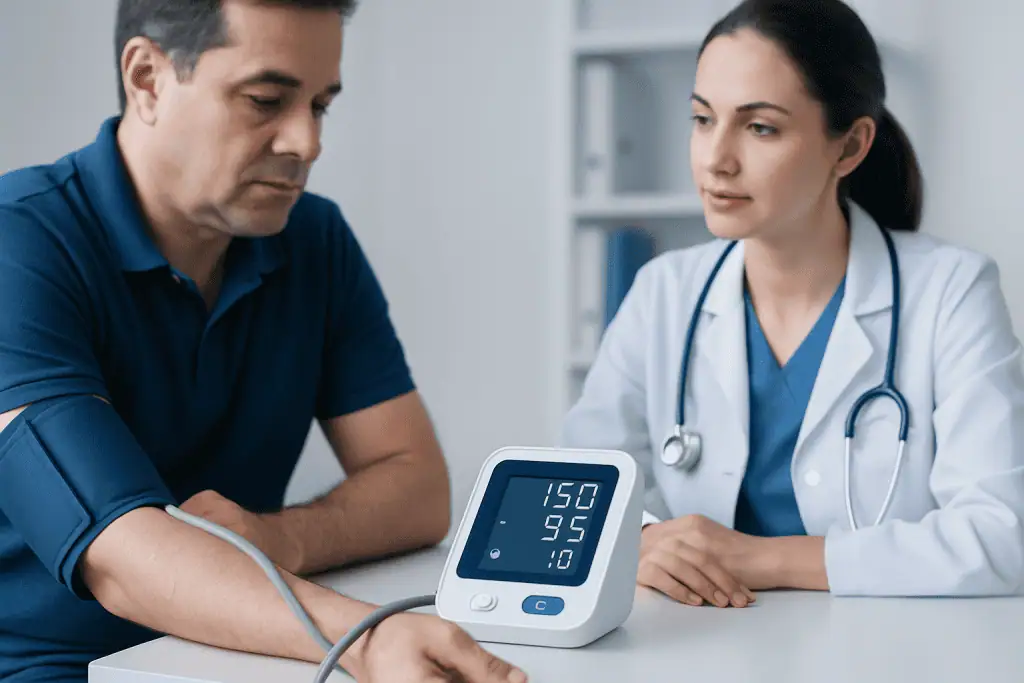
Diagnosis begins with proper blood pressure measurement. The person should be seated comfortably, with the back supported, feet flat on the floor and the arm supported at heart level. A correctly sized cuff is important. Ideally, the person should rest quietly for several minutes before the reading, and caffeine, exercise and smoking should be avoided shortly beforehand when possible.
Because blood pressure naturally changes throughout the day, doctors usually confirm hypertension with repeated measurements on different occasions. Some people have higher readings in a clinic due to anxiety, known as white coat hypertension. Others have normal clinic readings but high readings at home, known as masked hypertension. For this reason, a doctor may recommend home blood pressure monitoring or 24-hour ambulatory blood pressure monitoring.
Once hypertension is suspected or confirmed, additional evaluation helps assess overall cardiovascular risk and look for organ effects or secondary causes. Tests may include blood tests for kidney function, electrolytes, blood sugar and cholesterol, a urine test, an electrocardiogram and sometimes imaging or specialist tests depending on the person’s history and examination.
Treatment Options
Treatment aims to lower blood pressure safely and reduce the risk of complications. The best plan depends on the person’s blood pressure level, age, other medical conditions, kidney function, cardiovascular risk and preferences. Some people start with lifestyle changes alone, while others need medication from the beginning. Follow-up is important because treatment often needs adjustment over time.
Lifestyle measures are a foundation of hypertension care. Doctors commonly recommend reducing salt intake, eating a balanced diet rich in vegetables, fruits, whole grains and lean proteins, maintaining a healthy weight, doing regular aerobic activity, limiting alcohol and stopping smoking. Even when medication is needed, these steps can make treatment more effective and support heart health.
Several medication groups can be used to treat high blood pressure, including diuretics, ACE inhibitors, angiotensin receptor blockers, calcium channel blockers and beta blockers. The choice depends on individual factors, and some people need more than one medication. It is important not to stop or change blood pressure medicines without medical advice, even if readings improve, because blood pressure can rise again.
Side effects or concerns should be discussed openly with a doctor or pharmacist. In many cases, adjusting the dose, timing or medication type can improve comfort while maintaining control. Good treatment is a partnership: the patient tracks readings and symptoms, and the care team helps interpret them and refine the plan.
Prevention and Self-Care
Many self-care habits that help prevent hypertension also support better control after diagnosis. A heart-healthy eating pattern, regular movement, adequate sleep and avoidance of tobacco all reduce strain on the cardiovascular system. People do not need to make every change at once; small, consistent steps are often easier to maintain.
Home blood pressure monitoring can be very helpful for people already diagnosed with hypertension. Readings should be taken as instructed by a healthcare professional, often at similar times of day, with two measurements taken a minute apart. Keeping a written or digital log can help the doctor understand patterns and avoid decisions based on isolated readings.
Helpful self-care strategies include:
- Use a validated upper-arm blood pressure monitor when possible.
- Learn correct measurement technique and bring the device to clinic visits for comparison if advised.
- Limit highly processed foods, which are often high in salt.
- Choose activities that can be sustained, such as brisk walking, cycling or swimming, if medically appropriate.
- Take medications consistently and use reminders if needed.
- Manage stress with relaxation techniques, social support or professional guidance when appropriate.
When to See a Doctor
A person should arrange a medical appointment if repeated home or pharmacy blood pressure readings are high, even if they feel well. It is also wise to seek assessment if there is a strong family history of hypertension, heart disease, stroke or kidney disease, or if the person has diabetes, high cholesterol, obesity, sleep apnea or chronic kidney disease. Early care helps prevent complications rather than reacting to them later.
Urgent medical attention is needed if high blood pressure is accompanied by chest pain, severe shortness of breath, sudden weakness or numbness, difficulty speaking, confusion, fainting, severe sudden headache or sudden vision changes. These symptoms may indicate a serious condition that should not be managed at home.
For international patients seeking evaluation or treatment, Acibadem International’s multidisciplinary specialists and JCI-accredited hospitals diagnose and manage hypertension and related cardiovascular, kidney and metabolic conditions. As with all medical decisions, the right approach should be based on an individual examination, test results and guidance from a qualified doctor.
Frequently asked questions
What blood pressure level is considered hypertension?
Blood pressure categories vary slightly between guidelines and countries, so the interpretation should be made by a healthcare professional. In general, repeated readings above the recommended range may indicate hypertension. A doctor will consider the average of several readings, the measurement setting and the person’s overall health risk.
Can hypertension be cured?
Some cases, especially secondary hypertension, may improve greatly if the underlying cause is treated. For many people, hypertension is a long-term condition that can be controlled rather than permanently cured. Healthy habits, monitoring and medication when needed can keep blood pressure in a safer range.
Does high blood pressure always cause headaches?
No. Most people with high blood pressure have no symptoms, including no headache. Headaches can have many causes and should not be used as the main way to judge blood pressure control. Regular measurement is the reliable method.
Is home blood pressure monitoring accurate?
Home monitoring can be accurate and useful when a validated device and correct technique are used. The cuff size should fit the arm, and readings should be taken while seated and rested. Patients should share their logs with their doctor rather than adjusting treatment on their own.
Can lifestyle changes replace medication?
Lifestyle changes are essential and may be enough for some people with mild hypertension and low overall risk. However, many people need medication as well, especially if readings are higher or other conditions are present. A doctor can advise the safest plan based on individual risk.
What should someone do if they miss a blood pressure pill?
The safest action depends on the medication and timing, so patients should follow the instructions provided by their doctor or pharmacist. In general, they should not double up doses unless specifically advised. If missed doses happen often, reminder systems or a medication review may help.
References
- World Health Organization
- American Heart Association
- European Society of Cardiology
- National Institute for Health and Care Excellence
- Centers for Disease Control and Prevention
This article is for general information only and is not a substitute for professional medical advice. Please consult a qualified doctor about your individual situation.
Hypertension in Turkey — costs, top hospitals & a free quote
JCI-accredited · board-certified surgeons · reply within 24h
Add us as a Preferred Source to see more of our trusted health content across Google Search, AI Overviews and Discover.
Check your numbers in seconds
BMI, calories, due date, blood pressure and 30+ more clinical calculators — free, instant, doctor-reviewed ranges.

Cardiology Department
Diagnosis and treatment of heart and vascular conditions, from prevention to advanced interventional procedures.
91 specialists in this unit