

Hypoglycemia: Low Blood Sugar Symptoms and Safe Treatment

Hypoglycemia is usually defined as a blood glucose level below 70 mg/dL, but symptoms and treatment needs vary by person. Common symptoms include shakiness, sweating, hunger, fast heartbeat, headache, confusion, weakness, and mood changes.
Key Takeaways
- Hypoglycemia is usually defined as a blood glucose level below 70 mg/dL, but symptoms and treatment needs vary by person.
- Common symptoms include shakiness, sweating, hunger, fast heartbeat, headache, confusion, weakness, and mood changes.
- Mild low blood sugar is often treated with fast-acting carbohydrate, followed by rechecking glucose and eating a balanced snack or meal if needed.
- Severe hypoglycemia can cause loss of consciousness or seizures and requires emergency help and glucagon if available.
- People with diabetes should review medicines, meals, exercise, alcohol intake, and glucose monitoring plans with their healthcare team.
Hypoglycemia means blood glucose has fallen too low to meet the body’s energy needs, and it is most common in people using insulin or certain diabetes medicines. Recognizing symptoms early and treating low blood sugar safely can prevent complications and help people feel more confident in daily life.
Overview
Hypoglycemia, commonly called low blood sugar, occurs when the level of glucose in the blood drops below the range the body needs for normal function. Glucose is the brain’s main fuel, so a sudden fall can affect thinking, mood, movement, and energy. Many guidelines use a blood glucose level below 70 mg/dL as the point at which a person should take action, especially in diabetes care.
Hypoglycemia is most often seen in people with diabetes who use insulin or medicines that increase insulin release, such as sulfonylureas. It can also occur in people without diabetes, although this is less common and usually needs a medical assessment to identify the cause. The condition can happen during the day, overnight, during exercise, or after a missed or delayed meal.
Most episodes are mild and improve quickly when treated correctly. However, repeated or severe episodes should not be ignored because they may signal that a diabetes treatment plan, meal pattern, or activity routine needs adjustment. Education, glucose monitoring, and an individualized prevention plan are central to safe management.
Low Blood Sugar Symptoms
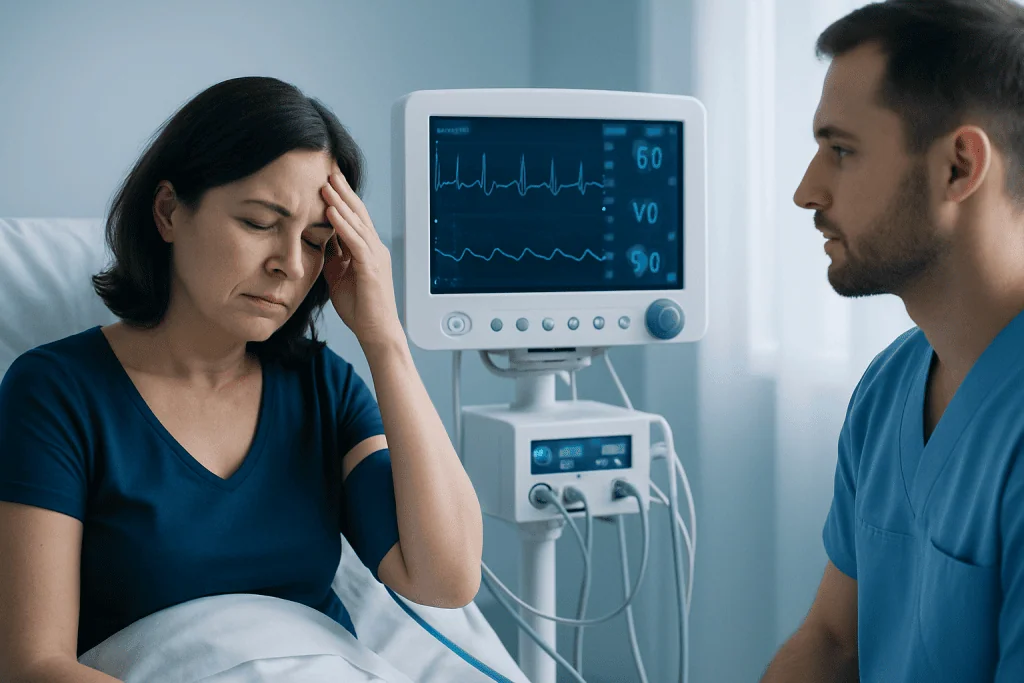
Low blood sugar symptoms can develop quickly and may feel different from person to person. Early symptoms are often related to the body’s stress response, which releases hormones such as adrenaline to raise glucose levels. These warning signs can include trembling, sweating, hunger, a pounding heartbeat, anxiety, tingling around the lips, or feeling suddenly weak.
As glucose falls further, the brain may not receive enough fuel. This can lead to headache, blurred vision, dizziness, sleepiness, difficulty concentrating, confusion, irritability, unusual behavior, slurred speech, or poor coordination. In severe cases, hypoglycemia may cause seizures or loss of consciousness.
Some people, especially those who have had diabetes for many years or who experience frequent lows, may develop hypoglycemia unawareness. This means the usual warning symptoms become less noticeable, increasing the risk of severe episodes. Anyone who has symptoms without clear warning or frequent nighttime lows should discuss safer glucose targets and treatment changes with a healthcare professional.
- Adrenergic symptoms: shakiness, sweating, hunger, anxiety, fast heartbeat.
- Neuroglycopenic symptoms: confusion, drowsiness, vision changes, difficulty speaking, poor coordination.
- Severe symptoms: inability to swallow safely, seizure, or unconsciousness.
Causes and Risk Factors
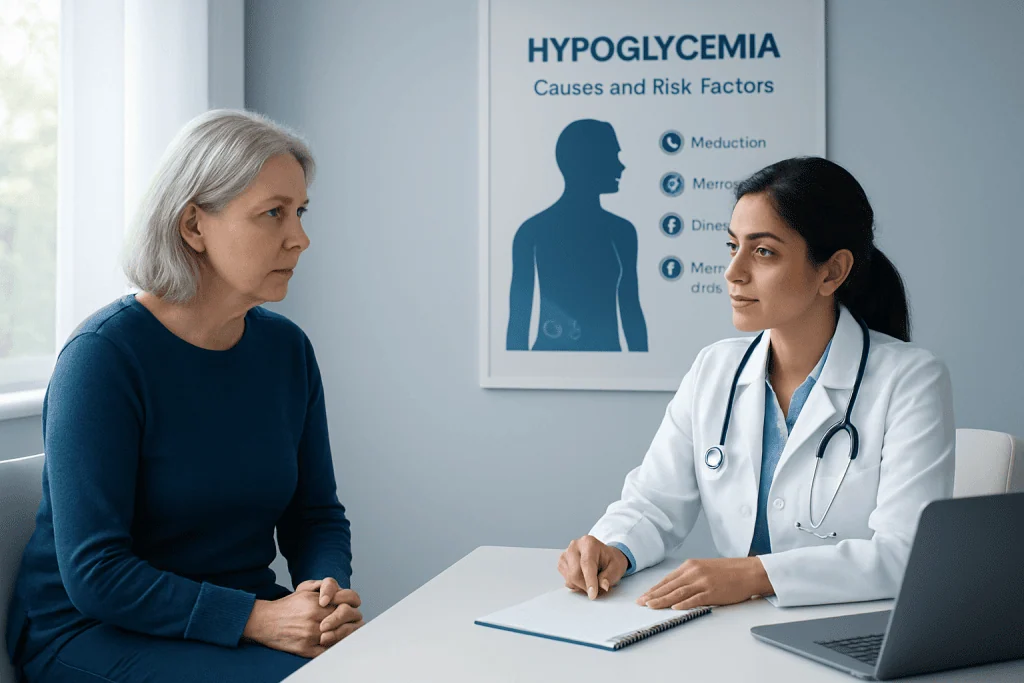
In people with diabetes, hypoglycemia usually results from a mismatch between diabetes medicine, food intake, and physical activity. Taking too much insulin, taking insulin at the wrong time, delaying or skipping a meal, eating fewer carbohydrates than expected, or exercising more than usual can all lower blood glucose. Alcohol can also increase the risk, especially when consumed without food, because it can interfere with the liver’s ability to release stored glucose.
Certain diabetes medicines are more likely to cause hypoglycemia than others. Insulin and medications that stimulate insulin release carry a higher risk, while many other modern diabetes medicines have a lower risk when used alone. Kidney or liver problems, weight loss, changes in appetite, illness, and changes in daily routine can also alter how medicines affect glucose levels.
Hypoglycemia in people without diabetes is less common. Possible causes include prolonged fasting, heavy alcohol use, critical illness, hormone deficiencies, certain medications, previous stomach or bariatric surgery, and rare insulin-producing tumors. Because the reasons can vary widely, unexplained or repeated low glucose episodes in a person without diabetes should be evaluated by a doctor rather than self-treated long term.
Diagnosis
Diagnosis begins with the person’s symptoms, timing of episodes, medical history, medicines, meals, and activity patterns. For people with diabetes, a finger-stick glucose meter or continuous glucose monitor can help identify lows and patterns, such as overnight drops or episodes after exercise. It is important to understand that symptoms alone are not always enough, because anxiety, dehydration, and other conditions can feel similar.
Doctors often consider Whipple’s triad when evaluating suspected hypoglycemia, especially in people without diabetes. This means symptoms are present, a low blood glucose level is documented at the same time, and symptoms improve when glucose is raised. If the pattern is unclear, a clinician may request laboratory blood tests during an episode or arrange supervised testing in a safe setting.
Additional evaluation depends on the situation. A diabetes care team may review insulin doses, injection technique, meal planning, kidney function, and use of other medicines. For non-diabetic hypoglycemia, tests may assess insulin levels, C-peptide, cortisol, liver and kidney function, and other possible causes. The goal is not only to confirm low blood sugar but also to prevent it from recurring.
Safe Treatment Options
When a person with diabetes has symptoms of hypoglycemia, or a glucose reading below their action level, treatment should begin promptly. If the person is awake and able to swallow safely, a fast-acting carbohydrate is usually recommended. Common examples include glucose tablets, glucose gel, regular fruit juice, regular soft drink, or sugar dissolved in water. Foods high in fat, such as chocolate, may work more slowly and are not ideal for immediate treatment.
A commonly used approach is the 15-15 rule: take about 15 grams of fast-acting carbohydrate, wait 15 minutes, and recheck blood glucose. If the level is still low or symptoms persist, the person may repeat treatment. Some individuals, including children or people with specific medical instructions, may need a different amount, so personalized advice from a healthcare team is important.
After glucose improves, the next step depends on when the person will eat again and why the low occurred. If the next meal is more than a short time away, a snack containing longer-acting carbohydrate and some protein may help prevent another drop. If hypoglycemia was caused by extra insulin, prolonged exercise, or alcohol, glucose may need closer monitoring for several hours.
Severe hypoglycemia is an emergency. If a person is unconscious, having a seizure, or unable to swallow, no food or drink should be placed in the mouth. Emergency medical services should be called, and glucagon should be given if it is available and the caregiver has been instructed in its use. Family members, friends, teachers, and coworkers of people at risk can be taught how to recognize severe hypoglycemia and respond safely.
Prevention and Self-Care
Prevention starts with understanding personal patterns. People who use insulin or medicines that can cause hypoglycemia should know their glucose targets, when to monitor, and how to treat a low. Keeping a record of glucose readings, meals, exercise, alcohol intake, illness, and medication timing can help the healthcare team identify preventable triggers.
Meal planning can reduce risk. This may include eating regular meals, matching insulin to carbohydrate intake when appropriate, carrying fast-acting carbohydrate, and planning ahead for travel or busy days. Physical activity is healthy and encouraged for most people, but it may require glucose checks before, during, or after exercise, and sometimes changes in food or medication. These adjustments should be individualized.
Technology can help many people manage risk. Continuous glucose monitors can show trends and alert users to falling glucose, although readings should be interpreted according to the device instructions and clinical guidance. Glucose meters, medical identification, and an up-to-date hypoglycemia plan are also useful. People at risk for severe hypoglycemia may be advised to keep glucagon at home, at work, or at school.
- Carry a source of fast-acting carbohydrate at all times.
- Do not skip meals after taking insulin or certain diabetes medicines.
- Check glucose before driving if advised, and never drive when low.
- Discuss recurrent lows before making major medication changes.
- Teach trusted people how to help during a severe episode.
When to See a Doctor
Medical advice is recommended after any severe hypoglycemia episode, after repeated lows, or when symptoms occur without an obvious cause. A person should also contact a healthcare professional if low blood sugar happens during sleep, during driving, after changes in medication, or after unexplained weight loss or reduced appetite. These situations may require a change in treatment targets, medicine timing, meal planning, or further testing.
Urgent help is needed if a person is confused and not improving, cannot swallow safely, has a seizure, or becomes unconscious. Emergency care is also appropriate when hypoglycemia is linked with serious illness, injury, or suspected medication overdose. Prompt treatment is effective, and a follow-up visit can help prevent future episodes.
People without diabetes who have documented low blood glucose should not assume it is harmless. A doctor can determine whether the episode is related to fasting, alcohol, medications, hormonal conditions, digestive surgery, or another medical issue. International patients may also seek evaluation at centers with endocrinology, emergency medicine, nutrition, and internal medicine expertise; Acibadem International’s multidisciplinary specialists and JCI-accredited hospitals diagnose and treat hypoglycemia and diabetes-related conditions as part of individualized care.
Frequently asked questions
What blood sugar level is considered hypoglycemia?
Many diabetes guidelines define hypoglycemia as a blood glucose level below 70 mg/dL. However, symptoms, risks, and treatment needs can vary depending on the individual and their medical history. A healthcare professional can help set personalized action levels.
What is the fastest safe way to treat low blood sugar?
If the person is awake and able to swallow, fast-acting carbohydrate is usually the safest first step. Examples include glucose tablets, glucose gel, regular juice, or regular soft drink. Blood glucose should be rechecked after about 15 minutes, and treatment repeated if it remains low.
Can hypoglycemia happen without diabetes?
Yes, but it is less common than diabetes-related hypoglycemia. Possible causes include certain medications, alcohol use, prolonged fasting, hormone problems, critical illness, or previous stomach surgery. Repeated or unexplained episodes should be evaluated by a doctor.
Why does low blood sugar sometimes happen at night?
Nighttime hypoglycemia may occur after evening exercise, alcohol intake, missed food, or diabetes medicine that continues working during sleep. Signs can include sweating, nightmares, restless sleep, morning headache, or waking with high glucose after a rebound effect. A clinician may adjust medication timing, evening snacks, or monitoring plans.
What should someone do if a person with hypoglycemia is unconscious?
Do not give food or drink by mouth because choking can occur. Emergency medical services should be called immediately. If glucagon is available and someone has been trained to use it, it should be given according to the product instructions while waiting for help.
Can frequent hypoglycemia be prevented?
Often, yes. Prevention may involve reviewing diabetes medicines, meal timing, carbohydrate intake, exercise routines, alcohol use, and glucose monitoring data. Frequent lows should be discussed with a healthcare team because they may indicate that the treatment plan needs adjustment.
References
- American Diabetes Association
- Endocrine Society
- Mayo Clinic
- National Institute of Diabetes and Digestive and Kidney Diseases
- World Health Organization
This article is for general information only and is not a substitute for professional medical advice. Please consult a qualified doctor about your individual situation.
Explore treatments in Turkey — costs, top hospitals & a free quote
JCI-accredited · board-certified surgeons · reply within 24h
Add us as a Preferred Source to see more of our trusted health content across Google Search, AI Overviews and Discover.

Related Conditions
More from the Health Library


Related Specialists

Prof. Dr. Neslihan Kurtulmuş
Endocrinology
Prof. Dr. İnan Anaforoğlu
Endocrinology
Assoc. Prof. Dr. Ayşenur Özderya
Endocrinology
Assoc. Prof. Dr. Müjdat Kara
Endocrinology