Hypothyroidism Treatments: Symptoms, Causes, and Treatment Options

Hypothyroidism is usually treated with a daily thyroid hormone replacement tablet, with the dose adjusted based on regular blood tests. Symptoms typically improve gradually over weeks to months once the dose is right. If you have symptoms such as ongoing fatigue, cold intolerance, or unexplained weight gain, see a doctor for testing before starting any treatment.
Key Takeaways
- Hypothyroidism is usually treated with thyroid hormone replacement tailored to the individual.
- Common symptoms include fatigue, feeling cold, dry skin, constipation, and weight changes.
- Diagnosis is based on symptoms, physical examination, and thyroid blood tests such as TSH and free T4.
- Treatment monitoring is important because hormone needs can change over time.
- Pregnancy, autoimmune disease, thyroid surgery, and some medicines can affect thyroid function.
- Medical review is important if symptoms are severe, persistent, or suddenly worsen.
Tired all the time, cold when everyone else is comfortable, skin dry no matter what you put on it? These are the kinds of everyday changes that bring people in to have their thyroid checked.
Most hypothyroidism treatments come down to two things: replacing the thyroid hormone your body is missing, and checking blood tests so everything can work normally again. What is right for you depends on your symptoms, your lab results, your age, your overall health, and what caused the underactive thyroid in the first place.
Overview: what hypothyroidism treatments involve
When the thyroid gland cannot make enough hormone on its own, treatment steps in to bring those levels back to normal. For most people that means a daily thyroid hormone replacement medicine and regular blood tests to check the dose is right. Once treatment is well matched to you, symptoms usually ease gradually over weeks to months.
Hypothyroidism, also called an underactive thyroid, can affect energy, temperature regulation, digestion, mood, skin, hair, menstrual cycles, and cholesterol levels. Because these changes can develop slowly, many people do not recognize them at first. Treatment does more than ease symptoms — it also supports normal metabolism and protects your long-term health.
Care begins by confirming the diagnosis and working out the cause. Some people have autoimmune thyroid disease, while others develop hypothyroidism after thyroid surgery, radiation, certain medications, or thyroid inflammation. Understanding the cause helps clinicians plan follow-up and look for related health issues. If you want the background: hypothyroidism is a common endocrine disorder, and it usually responds well to treatment.
Symptoms of an underactive thyroid
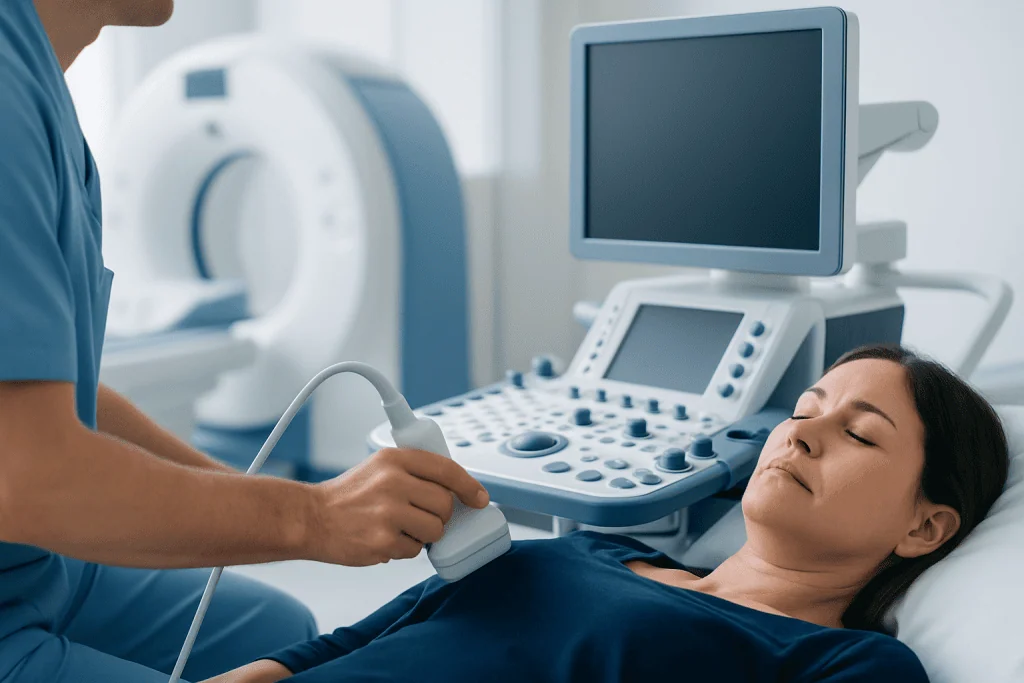
Hypothyroidism can cause a broad range of symptoms, and not everyone has the same pattern. Symptoms often begin gradually and may be mistaken for stress, aging, lack of sleep, or other health conditions. The severity depends on how low thyroid hormone levels are and how long the problem has been present.
Common symptoms include persistent tiredness, feeling colder than usual, dry skin, constipation, slowed thinking, low mood, hoarseness, puffy facial features, muscle aches, and unexplained weight gain or difficulty losing weight. Hair may become dry or thin, and nails may become brittle. Some people notice a slower heart rate or reduced exercise tolerance.
Women may have changes in menstrual cycles or fertility, and older adults may present with more subtle symptoms such as fatigue, memory concerns, or general slowing. Children and adolescents can have different signs, including slowed growth or delayed puberty. Because symptoms overlap with many other conditions, blood testing is important before starting treatment.
- Fatigue and low energy
- Cold intolerance
- Dry skin and hair changes
- Constipation
- Weight changes
- Low mood or slowed concentration
Causes and risk factors

The most common cause of hypothyroidism in many countries is autoimmune thyroiditis, often called Hashimoto thyroiditis. In this condition, the immune system gradually damages the thyroid gland, reducing hormone production over time. Some people have a family history of autoimmune disease, which can increase risk.
Other causes include previous thyroid surgery, radioactive iodine treatment, radiation to the neck, certain medicines such as lithium or amiodarone, and thyroiditis that can occur after pregnancy or viral inflammation. In some cases, hypothyroidism is temporary, but many people need long-term treatment. Less commonly, the problem begins in the pituitary gland or hypothalamus, which normally help regulate thyroid function.
Risk factors include female sex, increasing age, pregnancy or the postpartum period, other autoimmune disorders, and a personal or family history of thyroid disease. People who have had treatment for thyroid cancer or surgery for thyroid nodules may also develop low thyroid function later. Iodine imbalance can contribute in some parts of the world, but both deficiency and excess can affect the thyroid.
How hypothyroidism is diagnosed
Diagnosis combines symptoms, medical history, examination, and blood tests. The main laboratory test is thyroid-stimulating hormone, or TSH. When the thyroid is underactive, TSH is often high because the body is trying to signal the gland to make more hormone. Free T4 is usually measured alongside TSH to show how much circulating thyroid hormone is available.
In some situations, clinicians may test thyroid antibodies to look for autoimmune thyroiditis. Additional tests may be helpful if symptoms are unclear, if the thyroid gland feels enlarged, or if another condition is suspected. Ultrasound is not needed for everyone, but it may be used when there is a lump, asymmetry, or concern about nodules.
Diagnosis can be more nuanced in pregnancy, in older adults, and in people with pituitary disease or severe illness. A doctor also reviews medications, supplements, and timing of blood tests because these can influence results. Accurate diagnosis matters, since both untreated hypothyroidism and unnecessary treatment can cause problems.
Treatment options and how follow-up works
The standard treatment for hypothyroidism is thyroid hormone replacement, usually with levothyroxine, a synthetic form of T4. The goal is to bring thyroid hormone levels back into a healthy range and relieve symptoms without over-replacing. Dosing is individualized based on age, body size, pregnancy status, heart health, blood test results, and the cause of hypothyroidism.
Most people take the medicine regularly each day and have repeat blood tests after a dose change or when treatment begins. It may take time to find the right dose, and symptoms do not always improve immediately. Once levels are stable, periodic monitoring continues because needs can change with age, weight changes, pregnancy, menopause, other illnesses, or new medications.
Doctors also review how the medicine is taken, since absorption can be affected by food, calcium, iron, some antacids, and certain gastrointestinal conditions. Persistent symptoms despite normal blood tests may have more than one cause, so clinicians may also assess sleep, anemia, mood, vitamin deficiencies, and other hormone or metabolic issues. When surgery or other thyroid procedures are relevant, patients may also discuss options such as thyroidectomy or evaluation through endocrinology care.
Special situations need closer follow-up. During pregnancy, thyroid hormone needs often rise, and timely adjustment is important for both parent and baby. People with heart disease usually begin treatment carefully and gradually. Those with a goiter, nodules, or structural thyroid disease may need additional imaging or consultation with specialists in thyroid surgery when appropriate.
Daily management, self-care, and prevention of complications
Self-care will not replace your medication, but it does help you get more out of it. Taking thyroid medicine consistently, attending follow-up appointments, and having blood tests as advised are central parts of long-term management. If a person misses doses often or changes brands without guidance, thyroid levels may become unstable.
Tell your doctor about every prescription drug, vitamin, and supplement you take. Iron, calcium, fiber supplements, and some acid-reducing medicines can interfere with absorption when taken too close to thyroid medication. A clinician or pharmacist can explain timing and possible interactions in a practical way.
Everyday habits help too: balanced meals, activity that fits the energy you actually have, decent sleep, and keeping other conditions such as high cholesterol, diabetes, or depression under control. There is usually no need for restrictive diets or over-the-counter thyroid boosters, which may be ineffective or unsafe.
- Take medicine exactly as prescribed
- Keep follow-up blood tests on schedule
- Discuss supplements and new medications with a clinician
- Do not stop treatment without medical advice
- Seek review if symptoms return or change
When to seek medical care
See a doctor if these symptoms stick around, have no clear explanation, or are getting in the way of your daily life. Fatigue, constipation, menstrual changes, depression, dry skin, or cold intolerance that continue for weeks deserve review, especially if there is a family history of thyroid disease or a recent pregnancy.
Medical advice is also important if someone already diagnosed with hypothyroidism notices symptoms returning, has difficulty taking medication regularly, becomes pregnant, or starts a new medicine that may affect the thyroid. Prompt follow-up can help prevent under-treatment or over-treatment and keep hormone levels in a safe range.
Urgent care is appropriate if there is severe weakness, confusion, chest pain, shortness of breath, fainting, or significant swelling in the neck. These symptoms may not be caused by hypothyroidism alone, but they should not be ignored. Some international patients choose to be assessed at centers such as Acibadem International, where multidisciplinary specialists in JCI-accredited hospitals diagnose and treat thyroid conditions.
Frequently asked questions
What are the main hypothyroidism treatments?
The main treatment is thyroid hormone replacement, most commonly levothyroxine. It replaces the hormone the thyroid is not making in sufficient amounts and is adjusted based on blood tests and symptoms. Regular follow-up helps keep the dose safe and effective.
How long does it take for hypothyroidism treatment to work?
Some people begin to feel better within a few weeks, but full improvement can take longer. Blood levels usually need to be rechecked after treatment starts or after a dose change. Recovery may be gradual because symptoms often developed slowly in the first place.
Can hypothyroidism go away on its own?
It depends on the cause. Temporary thyroid inflammation can sometimes improve, but autoimmune hypothyroidism is usually long term and often requires ongoing treatment. A doctor can explain what is most likely based on the person's blood tests and medical history.
Is weight gain from hypothyroidism reversible?
Treatment may help with weight changes related to low thyroid hormone, especially fluid retention and slowed metabolism. However, weight is influenced by many factors, so medication alone may not fully reverse weight gain. A balanced lifestyle plan is often helpful alongside treatment.
Do people with hypothyroidism need special diets or supplements?
Most people do not need a special diet, and supplements should not replace prescribed treatment. In fact, some supplements can interfere with thyroid medicine or contain inconsistent ingredients. It is best to discuss any vitamins, minerals, or herbal products with a clinician.
Can hypothyroidism affect pregnancy or fertility?
Yes, untreated hypothyroidism can affect menstrual cycles, ovulation, fertility, and pregnancy health. The condition can usually be managed safely with careful monitoring and dose adjustments. Anyone who is pregnant or planning pregnancy should discuss thyroid testing and treatment with a doctor.
This article is for general information only and is not a substitute for professional medical advice. Please consult a qualified doctor about your individual situation.
Hypothyroidism in Turkey — costs, top hospitals & a free quote
7 JCI-accredited hospitals · board-certified surgeons · reply within 24h
Add us as a Preferred Source to see more of our trusted health content across Google Search, AI Overviews and Discover.
Check your numbers in seconds
BMI, calories, due date, blood pressure and 30+ more clinical calculators — free, instant, doctor-reviewed ranges.

Medically reviewed by the Acıbadem International Medical Board — August 24, 2026
See our medical review board →
References (3)
- Hypothyroidism – MedlinePlus — medlineplus.gov
- Underactive thyroid (hypothyroidism) – NHS — www.nhs.uk
- Hypothyroidism – Cleveland Clinic — my.clevelandclinic.org
Check-up & Preventive Medicine
Comprehensive health screenings designed for early detection and prevention.
1 specialists in this unitEndocrinology Specialists at Acibadem




Related Conditions
More from the Health Library

Somatostatin Slows Other Hormones and Digestion

What Testosterone Blockers Do and When Doctors Use Them

How Weekly Dulaglutide Injections Help Manage Type 2 Diabetes

The Thyroid Regulates Metabolism, and Symptoms Vary Widely

Thyroid Cancer: Symptoms, Causes, and Treatment Options