Intramural Fibroid — Explained by Medical Evidence, Not Myths
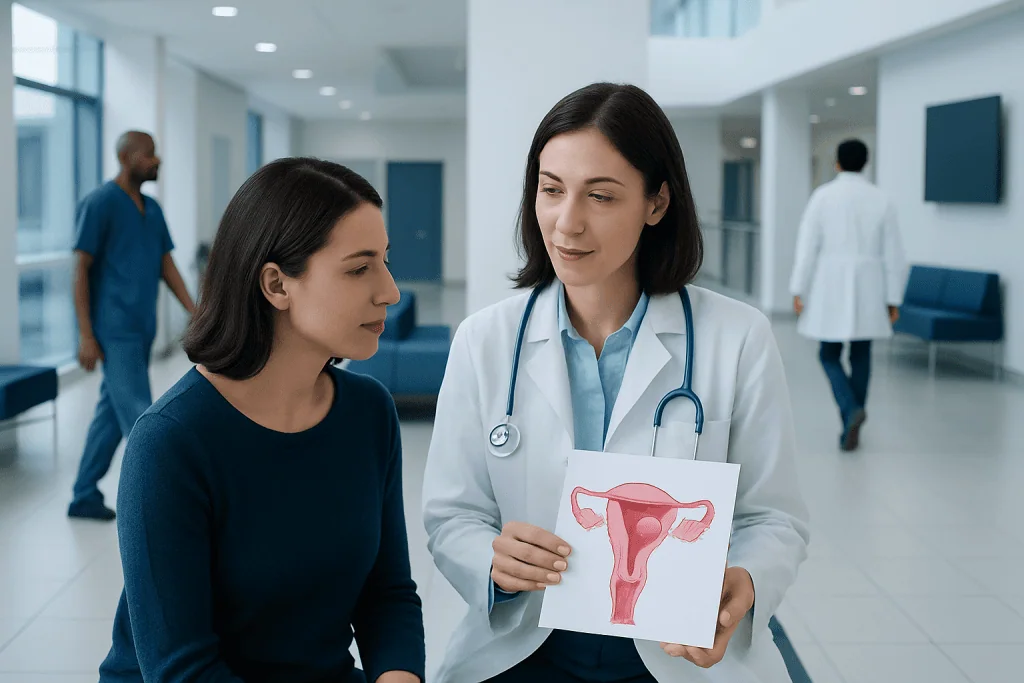
An intramural fibroid grows within the muscle layer of the uterus and is the most common fibroid type. Many intramural fibroids cause no symptoms and are found during a pelvic exam or ultrasound.
Key Takeaways
- An intramural fibroid grows within the muscle layer of the uterus and is the most common fibroid type.
- Many intramural fibroids cause no symptoms and are found during a pelvic exam or ultrasound.
- Possible symptoms include heavy periods, pelvic pressure, frequent urination, constipation, and pain.
- Treatment depends on symptoms, fibroid size and location, age, and pregnancy plans.
- Medical review is important if bleeding is heavy, pain is persistent, or fertility is affected.
An intramural fibroid is a noncancerous growth that develops within the muscular wall of the uterus. It may cause no symptoms at all, or it may lead to heavy menstrual bleeding, pelvic pressure, pain, or fertility-related concerns depending on its size, number, and location.
Overview: what an intramural fibroid means
An intramural fibroid is a type of uterine fibroid that grows within the muscle wall of the uterus. Fibroids are common, noncancerous tumors made of smooth muscle and fibrous tissue. They are not the same as cancer, and most do not become cancerous.
The term “intramural” simply describes location. Unlike submucosal fibroids, which grow toward the inner uterine cavity, or subserosal fibroids, which bulge outward, intramural fibroids sit within the uterine wall itself. Because of this position, they may enlarge the uterus, affect how the uterus contracts during menstruation, and sometimes contribute to pressure symptoms.
Not every intramural fibroid causes problems. Some stay small and never need treatment. Others may contribute to heavy periods, pelvic discomfort, bloating, or difficulty becoming pregnant. The effect depends less on the label alone and more on the fibroid’s size, number, exact position, and how closely it affects the uterine cavity.
Symptoms and how they can affect daily life
Many people with an intramural fibroid have no symptoms. In these cases, the fibroid may be discovered incidentally during a routine pelvic examination or an imaging test done for another reason. When symptoms do occur, they often develop gradually rather than suddenly.
Heavy or prolonged menstrual bleeding is one of the most common concerns. Some people notice passing clots, needing to change pads or tampons more often, or feeling unusually tired because of iron-deficiency anemia caused by ongoing blood loss. Cramping may also feel stronger if the uterus is working harder during menstruation.
As an intramural fibroid grows, it may cause pressure within the pelvis. This can feel like fullness, bloating, lower abdominal heaviness, backache, frequent urination if the bladder is pressed, or constipation if the bowel is affected. Pain during sex can also happen in some cases.
- Heavy or prolonged periods
- Pelvic pressure or fullness
- Lower abdominal or back pain
- Frequent urination
- Constipation
- Difficulty getting pregnant or recurrent pregnancy loss in selected cases
Symptoms do not always match the size of the fibroid perfectly. A moderate-sized fibroid in a sensitive location may cause more trouble than a larger one elsewhere. This is one reason a proper medical assessment is useful when symptoms interfere with quality of life.
Causes, hormones, and risk factors
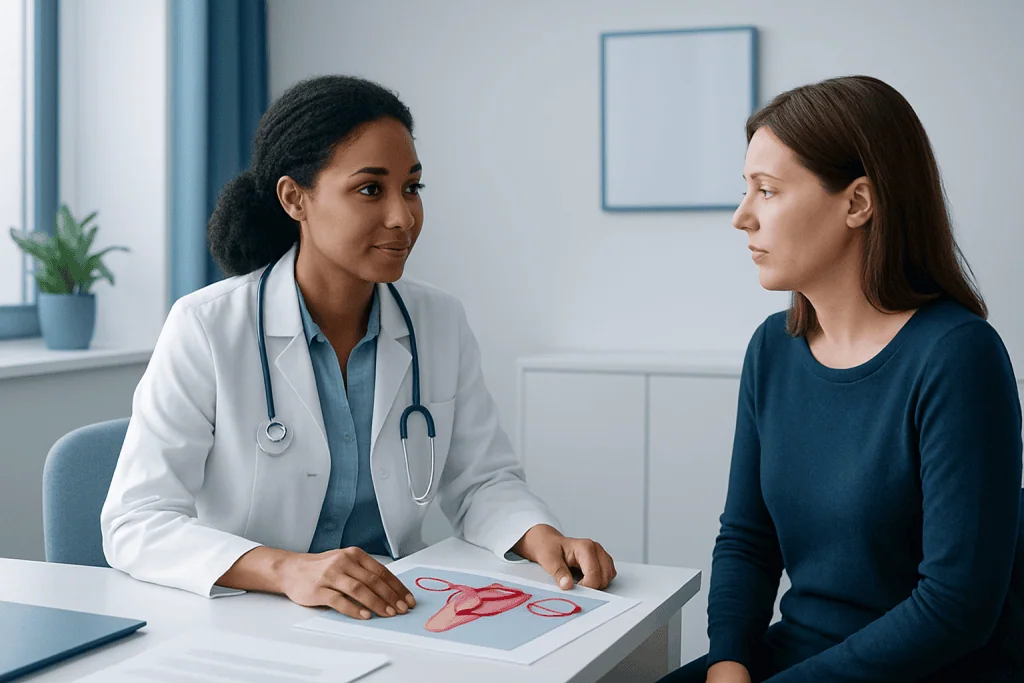
The exact cause of fibroids is not fully understood, but medical evidence shows they are influenced by hormones, especially estrogen and progesterone. These hormones appear to support fibroid growth during the reproductive years, which is why fibroids are much less common before puberty and often shrink after menopause.
Genetic factors also play a role. Fibroids can run in families, and changes in the cells of the uterine muscle may contribute to how these growths form. Researchers also study the influence of growth factors, inflammation, and the extracellular matrix, which is the material that surrounds and supports cells within tissue.
Several risk factors are linked with a higher chance of developing uterine fibroids, including intramural fibroids. Having one or more risk factors does not mean a person will definitely develop fibroids, but it may increase likelihood over time.
- Reproductive age
- Family history of fibroids
- Earlier onset of menstruation
- Higher body weight in some individuals
- High blood pressure
- African ancestry, which is associated with higher fibroid burden and earlier onset
It is also helpful to correct a common myth: fibroids are not caused by stress alone, past sexual activity, or using birth control. Lifestyle can influence overall hormonal and metabolic health, but fibroids are biological growths with complex causes, not the result of a personal mistake.
How intramural fibroids are diagnosed
Diagnosis usually begins with a medical history and pelvic examination. A doctor will ask about menstrual bleeding, pain, pressure symptoms, fertility plans, and how long symptoms have been present. On examination, the uterus may feel enlarged or irregular, though small fibroids may not be obvious.
Ultrasound is often the first imaging test used to confirm an intramural fibroid. It can show whether a fibroid is present, how many there are, and where they are located. In more complex cases, magnetic resonance imaging may be recommended to map the fibroids more precisely, especially if surgery or another procedure is being considered.
Additional tests may help assess the effect of symptoms rather than the fibroid itself. For example, blood tests can check for anemia if bleeding is heavy. If the person has abnormal bleeding patterns, the clinician may also evaluate for other causes such as hormonal imbalance, pregnancy-related conditions, polyps, adenomyosis, or uterine cancer when clinically appropriate.
Accurate diagnosis matters because not all pelvic symptoms are caused by fibroids. Conditions such as endometriosis or adenomyosis can overlap with fibroid symptoms. A clear diagnosis allows treatment to be tailored to the individual’s symptoms, age, and plans for future pregnancy.
Treatment options: when observation is enough and when treatment helps
Treatment for an intramural fibroid is based on symptoms, fibroid size and location, age, overall health, and whether pregnancy is desired. If the fibroid is small and causes no symptoms, watchful waiting may be the best option. This means monitoring over time rather than treating immediately.
Medicines may help control symptoms but do not always remove the fibroid. Depending on the situation, treatment can aim to reduce heavy bleeding, ease pain, or temporarily shrink the fibroid. Hormonal therapies, non-hormonal medicines for bleeding, and iron treatment for anemia may all be considered. The best choice depends on medical history and should be discussed with a gynecologist.
If symptoms are significant or fertility is affected, procedures may be considered. Myomectomy removes fibroids while leaving the uterus in place and may be preferred for some people who want future pregnancy. Hysterectomy removes the uterus and is a definitive treatment for fibroids when childbearing is complete and symptoms are severe. In selected cases, minimally invasive options may also be appropriate, depending on fibroid features and local expertise.
When fertility is a major concern, decision-making can be more nuanced. Not every intramural fibroid reduces fertility, but some may distort the uterine cavity or interfere with implantation. In these situations, consultation with specialists in fertility care and gynecology may help determine whether treatment before pregnancy attempts is useful.
Prevention, self-care, and living with fibroids
There is no guaranteed way to prevent an intramural fibroid. Because hormones and genetics play major roles, fibroids can develop even in people who follow healthy habits. Still, general health measures may support overall reproductive and metabolic health and can be useful as part of long-term care.
Self-care focuses mainly on symptom management and monitoring. People with heavy bleeding may benefit from tracking periods, including how many days bleeding lasts, how often pads or tampons are changed, and whether clots or severe fatigue occur. This record can help a doctor judge how much the fibroid is affecting daily life.
- Eat a balanced diet that supports iron intake if bleeding is heavy
- Stay physically active within personal comfort
- Maintain regular gynecologic follow-up if advised
- Seek review if symptoms change, bleeding becomes heavier, or new pain develops
Living with fibroids often involves balancing reassurance with practical follow-up. Many fibroids remain stable or cause manageable symptoms. For people who need specialist assessment, Acibadem International’s multidisciplinary teams in JCI-accredited hospitals diagnose and treat fibroid conditions for international patients, including evaluation for gynecologic care when appropriate.
When to seek medical care
Medical care is worth seeking if menstrual bleeding becomes heavy enough to interfere with daily life, if pelvic pain or pressure persists, or if there are symptoms such as dizziness, shortness of breath, or unusual fatigue that may suggest anemia. It is also important to seek review if a person notices increasing abdominal enlargement, bladder or bowel symptoms, or pain during sex.
Anyone trying to conceive or experiencing repeated pregnancy loss should discuss whether an intramural fibroid could be contributing. While many people with fibroids have healthy pregnancies, some fibroids may affect fertility or pregnancy depending on their size and location. Early assessment can help guide safe and appropriate planning.
Urgent medical attention is needed for very heavy bleeding, severe sudden pelvic pain, fainting, or signs of significant anemia. These symptoms do not always mean an emergency, but they should not be ignored. A qualified doctor can rule out other causes and advise on the next steps.
Frequently asked questions
Is an intramural fibroid cancer?
No. An intramural fibroid is a noncancerous growth in the muscular wall of the uterus. Fibroids are common and are not the same as uterine cancer, although doctors may investigate further if bleeding patterns or imaging findings suggest another cause.
Can an intramural fibroid go away on its own?
Some fibroids stay the same size for years, and some may shrink, especially after menopause when hormone levels fall. During the reproductive years, they are less likely to disappear completely without treatment. Many can still be safely monitored if they are not causing problems.
Does every intramural fibroid need surgery?
No. Surgery is not needed for every intramural fibroid. Treatment depends on symptoms, size, location, fertility plans, and how much the fibroid affects daily life; many people are managed with observation or medicines.
Can an intramural fibroid affect fertility?
It can in some cases, but not always. The main concerns are whether the fibroid is large, whether it changes the shape of the uterine cavity, and whether it may interfere with implantation or pregnancy. A fertility-focused evaluation can help clarify its likely impact.
What is the difference between intramural and submucosal fibroids?
An intramural fibroid grows within the uterine muscle wall. A submucosal fibroid grows closer to or into the inner lining of the uterus, where it is more likely to cause heavy bleeding and fertility-related issues even when relatively small.
Can intramural fibroids cause bloating or weight gain?
They can cause a feeling of fullness or visible abdominal enlargement if they become large. This is usually due to pressure or increased uterine size rather than true body fat gain. Ongoing bloating or enlargement should be assessed by a doctor.
References
- American College of Obstetricians and Gynecologists
- National Institute for Health and Care Excellence
- U.S. National Library of Medicine
- World Health Organization
This article is for general information only and is not a substitute for professional medical advice. Please consult a qualified doctor about your individual situation.
Oncology care in Turkey — second opinion and treatment plan
JCI-accredited · board-certified surgeons · reply within 24h
Add us as a Preferred Source to see more of our trusted health content across Google Search, AI Overviews and Discover.
Check your numbers in seconds
BMI, calories, due date, blood pressure and 30+ more clinical calculators — free, instant, doctor-reviewed ranges.

More from the Health Library

Brain Freeze — Explained by Medical Evidence, Not Myths

Platysma — Explained by Medical Evidence, Not Myths

Phosphatidylserine: An Evidence-Based Guide for Patients

Back Spasms: A Complete Medical Overview

STI Test: A Complete Medical Overview