IVF Risks and Side Effects: What Patients Should Know Before Treatment

Most IVF side effects are mild and related to fertility medications, such as bloating, breast tenderness, headaches, and mood changes. More serious complications are uncommon but can include ovarian hyperstimulation syndrome, bleeding or infection after egg retrieval, and ectopic pregnancy.
Key Takeaways
- Most IVF side effects are mild and related to fertility medications, such as bloating, breast tenderness, headaches, and mood changes.
- More serious complications are uncommon but can include ovarian hyperstimulation syndrome, bleeding or infection after egg retrieval, and ectopic pregnancy.
- The chance of twins or higher-order multiples depends largely on how many embryos are transferred.
- Careful monitoring with blood tests and ultrasound helps reduce IVF risks and improve safety.
- A fertility specialist can tailor treatment based on age, ovarian reserve, medical history, and the cause of infertility.
IVF risks and side effects can range from mild bloating and mood changes to less common complications such as ovarian hyperstimulation syndrome, bleeding, infection, or multiple pregnancy. Understanding these possibilities before treatment can help patients make informed decisions and know when to seek medical advice.
Overview: What IVF Risks and Side Effects Mean
In vitro fertilization, or IVF, is a widely used fertility treatment in which eggs are collected from the ovaries, fertilized in a laboratory, and then transferred to the uterus. For many people, it offers a path to pregnancy when other options have not worked. Even so, like any medical treatment, IVF has possible side effects and risks that are important to understand before starting.
Many IVF side effects are temporary and happen because the body is responding to hormone medications. These may include bloating, abdominal discomfort, breast tenderness, fatigue, mood changes, and mild injection-site reactions. Most of these symptoms improve after the medication phase or shortly after egg retrieval.
Less commonly, IVF may involve more significant risks related to ovarian stimulation, anesthesia, egg retrieval, embryo transfer, or the pregnancy itself. The overall experience varies from one person to another, depending on age, underlying fertility issues, ovarian reserve, and the specific protocol used. A clear discussion with a fertility team helps patients weigh expected benefits against possible complications.
Common Side Effects During an IVF Cycle
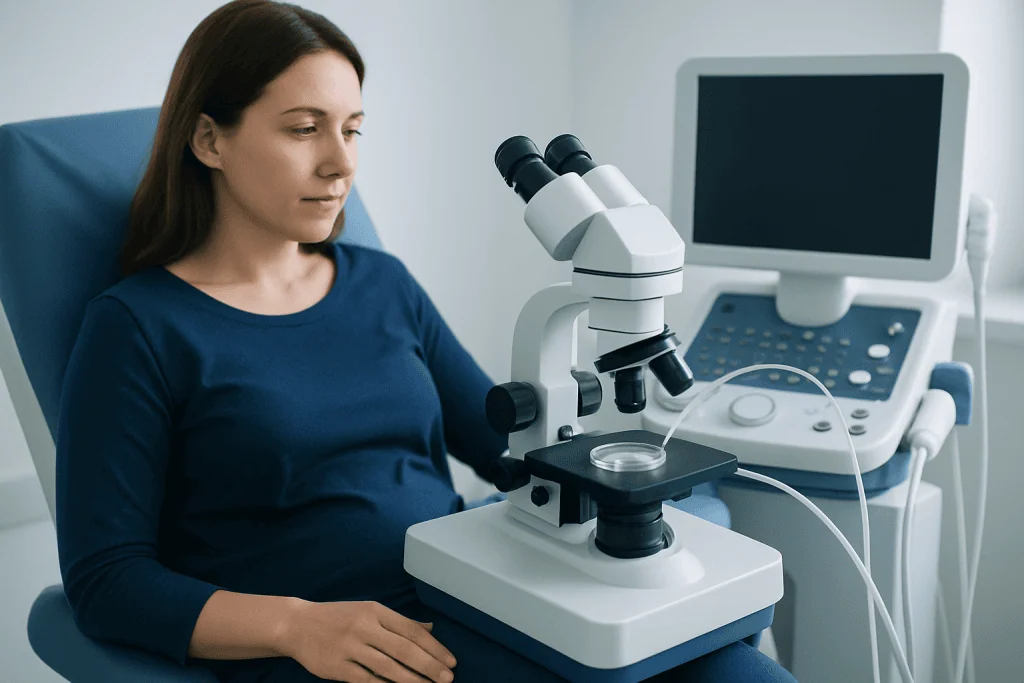
IVF usually begins with hormone medications that encourage the ovaries to mature multiple eggs. Because these medicines affect estrogen and other reproductive hormones, they can cause physical and emotional symptoms. Common side effects include abdominal bloating, pelvic fullness, mild cramping, nausea, headaches, hot flushes, breast tenderness, and feeling more tired than usual.
Some people also notice mood swings, irritability, anxiety, or trouble sleeping during treatment. These symptoms can be related both to hormone shifts and to the emotional stress of fertility care. While these feelings are common, they should not be dismissed. Good communication, emotional support, and realistic expectations can make the treatment period more manageable.
Injection-related effects are also common. The skin may become sore, red, or bruised where medications are given. Mild constipation or changes in appetite can happen as the ovaries enlarge during stimulation. After egg retrieval, spotting and cramping for a day or two may occur. Although uncomfortable, these effects are usually short-lived and improve with rest and guidance from the fertility team.
- Mild bloating or pelvic pressure
- Breast tenderness
- Headache or nausea
- Mood changes or fatigue
- Bruising or soreness at injection sites
- Light spotting after procedures
Possible Complications and Who May Be at Higher Risk

The most well-known IVF complication is ovarian hyperstimulation syndrome, often called OHSS. This happens when the ovaries respond too strongly to stimulation medicines and become swollen and painful. Mild OHSS may cause bloating, nausea, and rapid weight gain from fluid retention. Severe OHSS is much less common but can lead to shortness of breath, dehydration, blood clots, or significant fluid buildup and may require urgent medical care.
Patients with a high ovarian reserve, younger age, or polycystic ovary syndrome may have a greater chance of OHSS. Risks may also be higher in people who produce many follicles during stimulation. Fertility specialists reduce this risk by individualizing medication doses, monitoring closely, and sometimes freezing embryos rather than transferring them in the same cycle.
Other uncommon complications include bleeding, infection, or injury to nearby structures during egg retrieval. The procedure is generally safe, but because it uses a needle guided through the vaginal wall to reach the ovaries, these risks cannot be completely eliminated. There is also a small risk of ovarian torsion, in which an enlarged ovary twists and causes sudden severe pain.
Some underlying gynecologic conditions may affect treatment planning or outcomes, such as ovarian cysts, pelvic inflammatory disease, or structural uterine issues like uterine septum. These do not always prevent IVF, but they may influence how a cycle is designed and whether additional treatment is advised first.
Risks Related to Embryo Transfer and Pregnancy
Embryo transfer itself is usually simple and does not require surgery, but pregnancy-related risks remain an important part of IVF counseling. One of the main concerns is multiple pregnancy, especially if more than one embryo is transferred. Twins or higher-order multiples can increase the chance of preterm birth, low birth weight, high blood pressure in pregnancy, and other maternal or newborn complications.
Another recognized risk is ectopic pregnancy, in which a pregnancy implants outside the uterus, most often in a fallopian tube. This can occur naturally or after IVF, even when embryos are placed inside the uterus. While uncommon, it is a serious condition that needs prompt diagnosis. Patients with prior tubal disease or a history of ectopic pregnancy may need especially careful follow-up.
Miscarriage can also happen after IVF, and the risk rises with maternal age, much as it does in spontaneous conception. IVF does not fully remove the possibility of pregnancy loss, especially when egg quality is affected by age or other medical factors. Some patients also need extra monitoring if they develop conditions during pregnancy, such as gestational diabetes or hypertensive disorders.
It is important to remember that most IVF pregnancies progress normally, but they still benefit from appropriate early prenatal care. Blood tests, early ultrasound, and regular obstetric follow-up help confirm the pregnancy location, number of embryos, and early development.
How Doctors Assess and Reduce IVF Risks
Before treatment begins, fertility specialists review medical history, menstrual history, prior pregnancies, medications, and any known health conditions. Blood tests and ultrasound help estimate ovarian reserve and guide medication selection. Semen analysis and uterine assessment may also be part of the evaluation. This early planning is one of the most effective ways to reduce avoidable complications.
During stimulation, patients are monitored with ultrasound scans and hormone blood tests. These visits help the team track follicle growth, adjust medication doses, and decide the safest timing for the trigger shot and egg retrieval. If the ovaries appear to be over-responding, the protocol can be changed to lower the chance of OHSS or cycle cancellation can be considered when medically necessary.
Procedure safety is also supported by sterile technique, careful imaging guidance, and review of anesthesia risks. In addition, decisions around embryo number play a major role in pregnancy safety. In many situations, transferring a single embryo can lower the chance of twins while still offering a reasonable chance of success.
People pursuing IVF treatment may also be advised about alternatives or related approaches depending on the cause of infertility, such as ICSI for certain male-factor cases or broader evaluation for female infertility. Tailoring care to the individual is central to balancing safety and effectiveness.
Treatment, Self-care, and Recovery During the IVF Process
There is no single treatment for IVF side effects because management depends on the symptom and its cause. Mild bloating, cramping, and fatigue are often helped by rest, hydration, comfortable clothing, and avoiding intense physical activity while the ovaries are enlarged. Over-the-counter medicines may be used only if approved by the fertility specialist, since not every pain reliever is suitable during treatment.
Patients are usually advised to follow medication instructions closely, attend all monitoring visits, and report unusual symptoms early. Keeping a simple daily record of injections, fluid intake, body weight, and symptoms can make it easier to notice changes. After egg retrieval, light activity is generally preferred until discomfort improves.
If OHSS is suspected, treatment may include close observation, fluid guidance, blood tests, ultrasound, and sometimes hospital care for moderate or severe cases. Bleeding, infection, or severe pain after retrieval require prompt evaluation. Emotional support also matters; fertility treatment can be physically and mentally demanding, and counseling or support groups may help.
Near the end of the care journey, patients may value support from centers experienced in international fertility care. Acibadem International’s multidisciplinary specialists and JCI-accredited hospitals diagnose and treat infertility and provide coordinated care for international patients.
When to Contact a Doctor Urgently
Although most IVF symptoms are mild, certain warning signs should not be ignored. Severe abdominal pain, a swollen or tense abdomen, heavy vaginal bleeding, fever, fainting, chest pain, or trouble breathing need urgent medical attention. These symptoms may point to OHSS, infection, internal bleeding, or another complication that needs prompt care.
Patients should also contact their clinic if they gain weight rapidly over a short period, cannot keep fluids down, urinate much less than usual, or develop worsening nausea and vomiting. These changes can sometimes indicate fluid imbalance or moderate to severe OHSS. Early assessment often helps prevent more serious problems.
After embryo transfer or a positive pregnancy test, medical advice is also important for one-sided pelvic pain, shoulder pain, dizziness, or unusual bleeding, because these can be signs of ectopic pregnancy. In general, it is always reasonable to call the fertility team with any symptom that feels severe, unexpected, or worrying. Reassurance and timely follow-up are part of safe IVF care.
Frequently asked questions
Is IVF dangerous?
IVF is generally considered safe when it is planned and monitored by an experienced fertility team. Most side effects are mild and temporary, but uncommon complications such as OHSS, bleeding, infection, or ectopic pregnancy can happen. Careful monitoring helps lower these risks.
What are the most common side effects of IVF medication?
Common IVF medication side effects include bloating, pelvic pressure, breast tenderness, headaches, mood changes, fatigue, and mild nausea. Some people also have redness or bruising at injection sites. These symptoms usually improve after the stimulation phase ends.
How serious is ovarian hyperstimulation syndrome?
OHSS can range from mild to severe. Mild cases often cause bloating and discomfort, while severe cases may lead to significant fluid buildup, breathing difficulty, dehydration, or blood clots. Severe OHSS is less common but needs urgent medical care.
Does IVF increase the risk of twins?
Yes, IVF can increase the chance of twins or higher-order multiples if more than one embryo is transferred. This is one reason many clinics discuss single embryo transfer when appropriate. Reducing the number of embryos transferred can improve pregnancy safety.
Can IVF cause miscarriage?
IVF itself does not guarantee miscarriage, but pregnancy loss can still occur after IVF just as it can after natural conception. The risk is influenced by factors such as maternal age, egg quality, embryo factors, and underlying medical conditions. A fertility specialist can explain individual risk more clearly.
When should a patient call the clinic during IVF?
A patient should contact the clinic for severe pain, rapid abdominal swelling, heavy bleeding, fever, shortness of breath, fainting, or persistent vomiting. It is also important to report sudden weight gain or reduced urination, especially during ovarian stimulation. After pregnancy is confirmed, unusual pain or bleeding should also be checked quickly.
References
- American Society for Reproductive Medicine
- European Society of Human Reproduction and Embryology
- National Institute for Health and Care Excellence
- Centers for Disease Control and Prevention
- World Health Organization
This article is for general information only and is not a substitute for professional medical advice. Please consult a qualified doctor about your individual situation.
Persistent digestive symptoms? Get evaluated in Turkey
JCI-accredited · board-certified surgeons · reply within 24h
Add us as a Preferred Source to see more of our trusted health content across Google Search, AI Overviews and Discover.

Related Treatments
Related Conditions
More from the Health Library



Related Specialists

Prof. Dr. Bülent Tıraş
Gynecology & Obstetrics
Prof. Dr. Mete Güngör
Gynecology & Obstetrics
Prof. Dr. Faruk Suat Dede
Gynecology & Obstetrics
Prof. Dr. Tansu Küçük
Gynecology & Obstetrics