Jaw and Chest Tightness — Explained by Medical Evidence, Not Myths
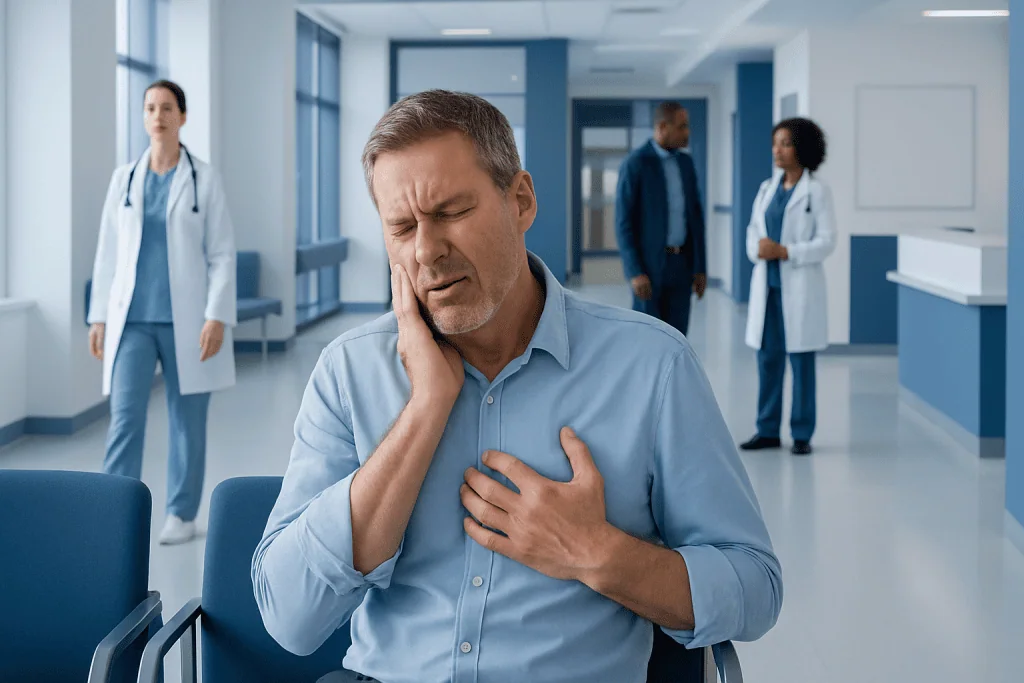
Jaw and chest tightness can have causes ranging from harmless muscle tension to urgent heart problems. Symptoms that start suddenly, occur with exertion, or come with shortness of breath, sweating, nausea, or arm pain need prompt medical attention.
Key Takeaways
- Jaw and chest tightness can have causes ranging from harmless muscle tension to urgent heart problems.
- Symptoms that start suddenly, occur with exertion, or come with shortness of breath, sweating, nausea, or arm pain need prompt medical attention.
- Not all heart-related discomfort feels like classic crushing chest pain; pressure, tightness, or jaw discomfort may also occur.
- Evaluation often includes a medical history, physical exam, ECG, blood tests, and sometimes imaging or stress testing.
- Treatment depends on the cause and may involve lifestyle changes, medication, dental care, or cardiac evaluation.
Jaw and chest tightness is a symptom pattern rather than a diagnosis. It may be related to muscle tension, teeth grinding, anxiety, digestive problems, or a heart-related condition, so the context, timing, and associated symptoms matter.
What jaw and chest tightness can mean
Jaw and chest tightness can happen for several different reasons, and medical evidence shows that the symptom pattern matters more than any one feeling by itself. In some people, the cause is relatively minor, such as muscle strain, temporomandibular joint dysfunction, teeth grinding, stress, or acid reflux. In others, especially when symptoms begin suddenly or occur with exertion, jaw and chest tightness can signal reduced blood flow to the heart and should not be ignored.
This combination of symptoms often causes concern because the heart, lungs, digestive system, muscles, and jaw joints can all produce overlapping sensations. Tightness may feel like pressure, squeezing, heaviness, fullness, or a band-like discomfort. Jaw symptoms may affect one side or both sides and may be accompanied by neck, shoulder, or arm discomfort.
Rather than relying on myths such as “heart symptoms always cause severe chest pain,” it is more helpful to look at the whole picture. The timing, triggers, duration, age, medical history, and associated symptoms help doctors decide whether jaw and chest tightness is more likely to be cardiac, musculoskeletal, digestive, or anxiety-related.
Common symptoms and how they may feel
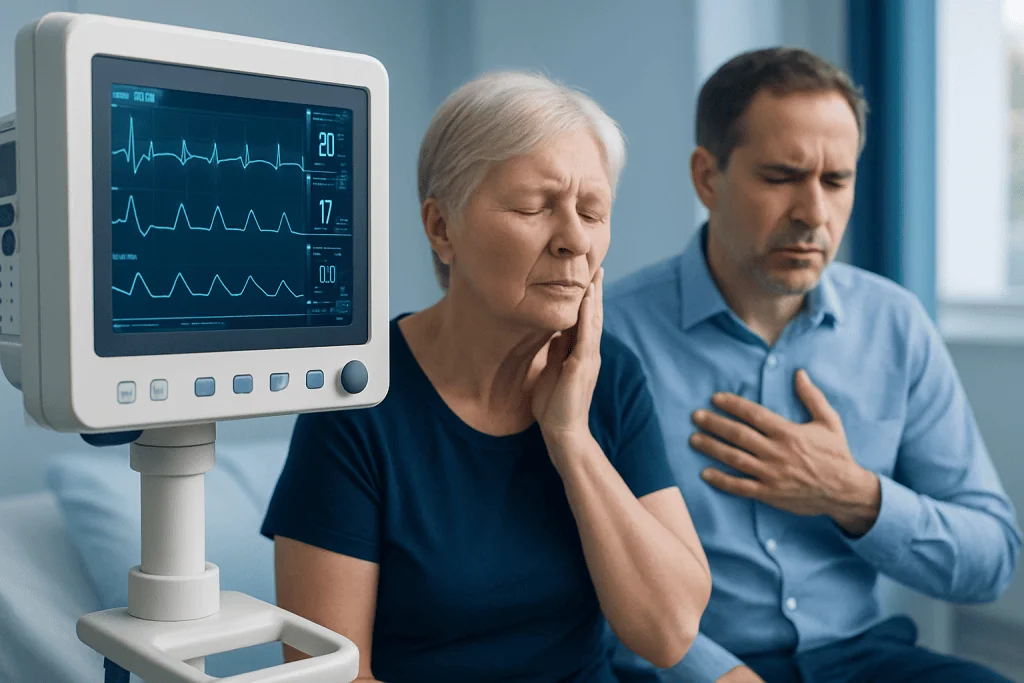
Chest tightness can feel different from person to person. Some describe a dull pressure in the center of the chest, while others notice burning, squeezing, or a heavy sensation. Jaw tightness may feel like aching near the ears, facial pressure, tooth discomfort, clenching, or pain that seems to spread from the chest or neck into the lower jaw.
Symptoms may appear at rest, during emotional stress, after eating, or with physical activity such as walking uphill. A heart-related cause is more concerning when tightness develops with exertion and eases with rest, or when it comes with shortness of breath, nausea, cold sweats, dizziness, or discomfort in the shoulder, back, or arm.
There are also less urgent patterns. For example, jaw pain that worsens with chewing may suggest a jaw joint or dental issue, while chest tightness after a heavy meal may point to reflux. Anxiety can cause chest pressure, rapid breathing, trembling, throat tightness, and jaw clenching, but anxiety should be diagnosed carefully because it can overlap with other medical conditions.
- Pressure or squeezing in the chest
- Jaw aching, tightness, or clenching
- Shortness of breath
- Pain spreading to the arm, shoulder, neck, or back
- Heartburn or a sour taste in the mouth
- Dizziness, sweating, or nausea
Possible causes: from muscle tension to heart disease

One of the most important evidence-based points is that jaw and chest tightness has many possible causes. Musculoskeletal problems are common. Tight chest muscles after exercise, poor posture, costochondritis, neck strain, or jaw clenching can all create a feeling of tightness or pressure. Temporomandibular joint disorders and nighttime teeth grinding may cause morning jaw soreness, headaches, and facial tightness.
Digestive causes are also common. Acid reflux can create chest burning or tightness that sometimes spreads upward into the throat or jaw area. Esophageal spasm may mimic chest pain. Stress and panic attacks can produce chest constriction, fast heartbeat, tingling, and jaw tension through involuntary muscle tightening and changes in breathing.
Heart-related causes need special attention because they can be serious. Angina occurs when the heart muscle does not get enough oxygen-rich blood, often causing pressure in the chest and sometimes discomfort in the jaw, neck, shoulder, or arm. A heart attack may cause similar symptoms, but can also be less typical, especially in women, older adults, and people with diabetes. In some cases, jaw discomfort may be one of the more noticeable symptoms. Readers who want to learn more about coronary artery disease or heart attack symptoms may find those topics helpful.
Less common but important causes include lung conditions such as pulmonary embolism, significant asthma flare-ups, and infections, as well as vascular emergencies. These usually come with other concerning symptoms, such as sudden breathlessness, fainting, or severe pain.
Risk factors that make a serious cause more likely
Doctors assess risk by looking at the person as a whole, not only at the symptom. A heart-related explanation becomes more likely in people with high blood pressure, diabetes, high cholesterol, smoking history, obesity, kidney disease, sleep apnea, older age, or a personal or family history of cardiovascular disease.
The setting also matters. Tightness that appears during exercise, emotional stress, cold weather, or after climbing stairs deserves closer attention than discomfort clearly linked to jaw movement or a stressful moment of hyperventilation. Symptoms that last more than a few minutes, recur in a similar pattern, or are increasing in frequency should also be evaluated.
Even when risk factors are absent, serious conditions are still possible. That is why self-diagnosis can be unreliable. A healthy younger person may have reflux, anxiety, or muscle strain, but clinicians still look for warning signs before deciding that the cause is non-cardiac.
How doctors diagnose jaw and chest tightness
Diagnosis begins with a detailed history. A doctor will usually ask when the symptoms started, how long they last, whether they are triggered by exertion or meals, what the tightness feels like, and whether there are symptoms such as sweating, shortness of breath, nausea, palpitations, facial pain, or difficulty chewing. A physical examination may include checking blood pressure, heart rate, lungs, chest wall tenderness, and jaw movement.
If a cardiac cause is possible, initial testing often includes an electrocardiogram and blood tests that help detect heart muscle injury. Depending on the situation, a chest X-ray, echocardiogram, or cardiac check-up may be recommended. Some people may need monitoring, a stress test, or coronary angiography if doctors suspect blocked heart arteries.
When the symptoms point away from the heart, evaluation may focus on digestive, dental, or musculoskeletal causes. For example, a clinician may assess for reflux, jaw joint dysfunction, or muscle spasm. In selected cases, doctors may also consider stress ECG testing to clarify whether exertion is triggering reduced blood flow to the heart.
The main goal is not only to find the cause, but also to rule out dangerous conditions first. Prompt assessment is especially important when symptoms are new, severe, or occurring alongside other red flags.
Treatment options depend on the cause
There is no single treatment for jaw and chest tightness because management depends entirely on the diagnosis. If muscle tension, poor posture, or jaw clenching is contributing, treatment may include rest, posture correction, stress reduction, gentle stretching, dental advice, or a night guard if teeth grinding is present. Temporomandibular joint disorders may improve with soft foods for a short period, avoiding excessive chewing, and targeted dental or physical therapy guidance.
If reflux is the cause, doctors may suggest avoiding late heavy meals, limiting trigger foods, reducing alcohol, managing weight, and using medication when appropriate. When anxiety or panic is involved, breathing techniques, psychotherapy, sleep improvement, and medical assessment for anxiety disorders can help. It is still important not to assume anxiety is the cause until a clinician has considered other possibilities.
For heart-related causes, treatment may include medications to improve blood flow, lower blood pressure, reduce cholesterol, or prevent clotting. Some people need procedures to restore blood flow, such as coronary angioplasty and stent placement. The right approach depends on whether the problem is stable angina, an acute coronary syndrome, or another cardiovascular condition.
Near the end of the diagnostic process, specialist care may be useful when symptoms are complex or overlap. Acibadem International’s multidisciplinary specialists and JCI-accredited hospitals evaluate and treat patients with cardiac, digestive, musculoskeletal, and stress-related causes of these symptoms, including international patients who need coordinated care.
Prevention and self-care
Prevention starts with the most likely underlying causes. For many people, this means supporting heart health and reducing strain on the jaw and chest muscles. A balanced diet, regular physical activity, smoking cessation, blood pressure and cholesterol control, and good diabetes management all reduce cardiovascular risk. These steps also support overall wellbeing.
Jaw-focused self-care includes noticing clenching habits, reducing gum chewing, improving workstation ergonomics, and addressing stress before it leads to persistent muscle tension. Reflux-related discomfort may improve by eating smaller meals, staying upright after eating, and avoiding personal trigger foods. Adequate sleep also helps reduce teeth grinding and stress sensitivity.
Although self-care is useful, it is not a substitute for medical evaluation when symptoms are unexplained or concerning. People who have recurring chest symptoms should not repeatedly treat themselves with antacids or assume the cause is stress without a proper assessment.
When to seek medical care
Urgent medical care is needed if jaw and chest tightness starts suddenly, is severe, lasts more than a few minutes, or comes with shortness of breath, fainting, sweating, nausea, weakness, or pain spreading to the arm, shoulder, or back. Emergency help is also important if symptoms occur during exertion or if the person has known heart disease or major cardiovascular risk factors.
A non-emergency medical appointment is appropriate for repeated episodes, symptoms linked to meals or stress, or jaw tightness that suggests clenching or a jaw joint problem. Even then, a clinician should decide whether the pattern is truly low risk. New or changing symptoms deserve attention, especially in older adults and people with diabetes, because heart symptoms may be less typical in these groups.
In short, jaw and chest tightness should be taken seriously but interpreted carefully. Many causes are treatable, and a timely medical evaluation helps distinguish a manageable problem from one that needs urgent treatment.
Frequently asked questions
Can jaw and chest tightness be caused by anxiety?
Yes, anxiety can cause both chest tightness and jaw clenching or facial tension. However, similar symptoms can also happen with heart, digestive, or musculoskeletal conditions, so new or severe symptoms should be assessed by a doctor rather than assumed to be anxiety.
Is jaw tightness a sign of a heart attack?
It can be, especially when jaw discomfort happens together with chest pressure, shortness of breath, sweating, nausea, or pain spreading to the arm or back. A heart attack does not always cause dramatic pain, so urgent medical care is important if the symptoms are sudden, severe, or unusual.
How can someone tell whether chest and jaw tightness is heartburn or something more serious?
Heartburn is often linked to meals, lying down, or a burning sensation rising from the stomach or chest. But reflux and heart problems can overlap, so symptoms with exertion, breathlessness, sweating, or a feeling of pressure should be checked promptly.
What tests are usually done for jaw and chest tightness?
Doctors often begin with a history, physical examination, blood pressure check, and an electrocardiogram. Depending on the symptoms, they may also order blood tests, imaging, stress testing, or evaluation for reflux, jaw joint disorders, or muscle strain.
Can teeth grinding cause chest and jaw tightness together?
Teeth grinding commonly causes jaw soreness, facial fatigue, and headaches, and stress that contributes to grinding may also create chest muscle tension. Still, chest symptoms should not automatically be blamed on grinding until more serious causes have been considered.
When should someone call emergency services for these symptoms?
Emergency help is appropriate if jaw and chest tightness is sudden, severe, persistent, or accompanied by shortness of breath, fainting, sweating, nausea, or spreading pain. It is also important to seek urgent care if symptoms begin during physical activity or feel different from anything experienced before.
References
- American Heart Association
- National Heart, Lung, and Blood Institute
- Mayo Clinic
- National Institute of Dental and Craniofacial Research
- Cleveland Clinic
This article is for general information only and is not a substitute for professional medical advice. Please consult a qualified doctor about your individual situation.
Persistent digestive symptoms? Get evaluated in Turkey
JCI-accredited · board-certified surgeons · reply within 24h
Add us as a Preferred Source to see more of our trusted health content across Google Search, AI Overviews and Discover.
Check your numbers in seconds
BMI, calories, due date, blood pressure and 30+ more clinical calculators — free, instant, doctor-reviewed ranges.

More from the Health Library



Related Specialists

Prof. Dr. Arel Gereli
Orthopedic Surgery & Traumatology
Dr. Hakkı Süha Özçelik
Otorhinolaryngology
Prof. Dr. Metehan Özen
Pediatric Infectious Diseases
Asst. Prof. Dr. Alper Özdilek
Otorhinolaryngology