Kawasaki Disease in Children: Early Symptoms, Heart Risks, and Follow-Up Care

Kawasaki disease most often affects young children and usually begins with a high fever that lasts several days. Common signs include red eyes, rash, red or cracked lips, a swollen tongue, swollen hands or feet, and enlarged lymph nodes.
Key Takeaways
- Kawasaki disease most often affects young children and usually begins with a high fever that lasts several days.
- Common signs include red eyes, rash, red or cracked lips, a swollen tongue, swollen hands or feet, and enlarged lymph nodes.
- Prompt treatment, often with intravenous immunoglobulin and aspirin under medical supervision, lowers the chance of coronary artery problems.
- Heart monitoring with echocardiography is an important part of diagnosis and follow-up care.
- Even after the fever improves, children may need repeat checkups to make sure the heart and blood vessels remain healthy.
Kawasaki disease in children is a short-term inflammatory illness that can affect blood vessels, especially the coronary arteries that supply the heart. Early recognition and treatment usually lead to a good recovery and help reduce the risk of heart complications.
Overview
Kawasaki disease in children is an inflammatory condition that affects blood vessels throughout the body. It is seen most often in infants and young children, although older children can also develop it. The exact cause is not fully understood, but it is not considered a simple contagious infection that spreads from child to child in the usual way.
The main reason Kawasaki disease needs prompt medical attention is that it can involve the coronary arteries, the blood vessels that carry oxygen-rich blood to the heart muscle. When these arteries become inflamed, some children can develop widening of the artery wall, called a coronary artery aneurysm. Early treatment greatly reduces this risk.
The illness usually develops in phases. It often starts with several days of high fever and noticeable changes in the eyes, mouth, skin, and lymph nodes. Many children recover well, especially when treatment begins early, but follow-up is still important because heart-related changes may appear or evolve after the first symptoms improve.
Parents may hear Kawasaki disease described as a form of vasculitis, which means inflammation of the blood vessels. For families, the most helpful message is that this condition is treatable, and careful assessment by pediatric and heart specialists can guide safe recovery. Some children may be referred for pediatric cardiology evaluation and echocardiography to check the heart during and after the illness.
Early Symptoms and Warning Signs
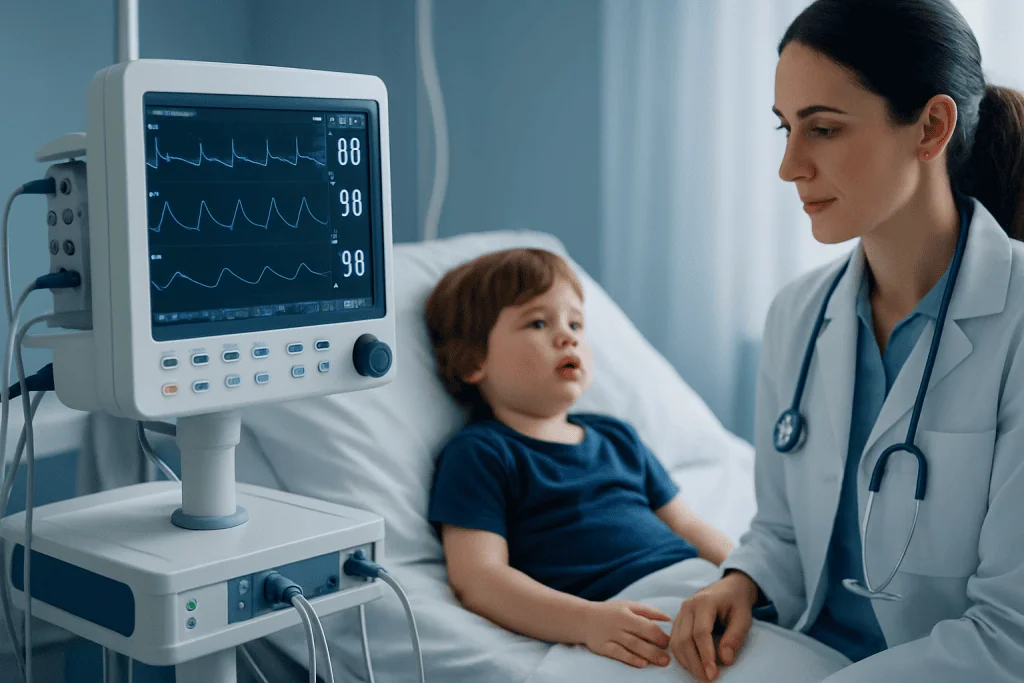
The hallmark symptom is a fever that usually lasts at least five days and often remains high despite usual fever medicines. Along with fever, children may become very irritable, tired, or less interested in eating and drinking. Irritability can be especially noticeable in younger children.
Doctors look for a group of classic features that may appear together or gradually over several days. These include red eyes without thick discharge, a widespread rash, red or cracked lips, a red swollen tongue sometimes called a “strawberry tongue,” swelling or redness of the hands and feet, and an enlarged lymph node in the neck.
As the illness progresses, peeling of the skin around the fingers or toes may occur, especially after the fever phase. Some children also have stomach pain, vomiting, diarrhea, joint pain, or signs that seem similar to other childhood illnesses. Because the symptoms can overlap with viral infections, strep throat, or scarlet fever, a medical evaluation is important.
- Fever lasting five days or more
- Red eyes without pus
- Rash on the body
- Red, dry, or cracked lips
- Red or swollen tongue and mouth
- Swollen or red hands and feet
- Large lymph node in the neck
Causes and Risk Factors

The exact cause of Kawasaki disease remains unknown. Experts believe it may involve an abnormal immune response in children who are genetically predisposed, possibly triggered by an infection or environmental factor. However, no single virus, bacterium, or exposure has been proven to cause all cases.
The disease is more common in children under 5 years of age. It can affect children of any background, but it is seen more often in some populations, including children of Asian ancestry. Boys are affected slightly more often than girls, though both can develop the condition.
Kawasaki disease is not caused by poor hygiene, diet, or parenting choices. Nothing a parent did caused the illness. It also does not usually behave like a routine contagious disease, so families should focus on getting the child assessed rather than feeling worried about blame.
In a small number of children, inflammation can affect the heart muscle or the heart’s electrical system, leading to temporary pumping weakness or rhythm changes. These complications are different from long-term adult heart conditions such as coronary artery disease, but they help explain why heart monitoring is part of standard care.
Heart Risks and Possible Complications
The most important complication of Kawasaki disease is inflammation in the coronary arteries. If the artery wall becomes weakened, it can enlarge and form an aneurysm. Not every child develops this problem, and the risk is much lower when treatment is started promptly, especially within the first 10 days of illness.
Some children may also develop inflammation of the heart muscle, called myocarditis, or inflammation around the heart, called pericarditis. These changes can cause a fast heartbeat, reduced energy, chest discomfort in older children, or findings that show up on testing. In most cases, these heart effects improve with treatment and time.
Serious complications are uncommon, but careful follow-up matters because coronary artery changes may not be obvious from symptoms alone. That is why doctors often repeat heart imaging after the child starts feeling better. Follow-up allows the medical team to see whether the coronary arteries remain normal or need closer observation.
Long-term outlook depends largely on whether coronary artery involvement occurred. Children with normal heart tests after recovery often do very well. Those with lasting coronary changes may need extended cardiology care, activity guidance, and monitoring for rare later complications related to blood flow in the affected arteries.
How Kawasaki Disease Is Diagnosed
There is no single test that confirms Kawasaki disease in every child. Doctors make the diagnosis by combining the child’s symptoms, physical examination, fever pattern, and laboratory findings. Blood tests may show signs of inflammation, and urine tests may help rule out other causes of fever.
Because the condition can resemble other illnesses, the doctor will also consider infections, allergic reactions, and other inflammatory diseases. Sometimes children have “incomplete” Kawasaki disease, meaning they do not show all the classic signs but still have enough clues, especially if tests suggest inflammation or heart involvement.
An echocardiogram is one of the most important tests because it allows doctors to look at the heart’s structure and the coronary arteries without surgery. The child may also have an electrocardiogram to check heart rhythm. These tests help the care team decide how closely the child should be monitored.
Diagnosis and follow-up may involve both pediatric and cardiology specialists. In some centers, information and care pathways for Kawasaki disease treatment are coordinated with heart imaging and specialist review to support timely care decisions.
Treatment Options
The standard treatment for Kawasaki disease usually includes intravenous immunoglobulin, often called IVIG, along with aspirin under a doctor’s supervision. IVIG helps calm inflammation, and when given early, it significantly lowers the risk of coronary artery complications. Aspirin is used differently in Kawasaki disease than in routine viral illnesses, so it should only be given exactly as directed by the child’s medical team.
Most children are treated in the hospital at first so their fever, hydration, and heart status can be watched closely. If a child does not respond as expected to the first treatment, doctors may consider additional therapies such as another dose of IVIG or other anti-inflammatory medicines. The exact plan depends on the child’s age, symptoms, blood test results, and heart findings.
If coronary artery changes are found, treatment and follow-up may become more specialized. Some children need blood-thinning or antiplatelet medicines for a period of time, and they may need repeated imaging to track improvement or stability. In rare severe cases with major coronary complications, more advanced cardiac procedures may be considered later, though this is not typical for most children.
After the acute illness, some children benefit from structured long-term heart follow-up. Depending on the child’s needs, this may include cardiac rehabilitation support for recovery guidance in selected cases, or ongoing monitoring through pediatric cardiology care. Acibadem International’s multidisciplinary specialists and JCI-accredited hospitals also diagnose and treat Kawasaki disease for international patients.
Follow-Up Care and Recovery
Even when a child seems much better after treatment, follow-up appointments remain essential. Coronary artery changes can develop or become clearer after the first phase of the illness, so repeat echocardiograms are often scheduled. The timing depends on the child’s course and the doctor’s recommendations.
Recovery can take time. Some children are tired, irritable, or less active for a few weeks after the fever ends. Peeling around the fingers and toes is common during recovery and does not necessarily mean the disease is worsening. Parents should continue medicines exactly as prescribed and attend all follow-up visits.
Children who had no heart involvement often return to normal activities once the doctor confirms it is safe. Those with coronary changes may need a more individualized plan about sports, future heart testing, and long-term monitoring. Families should ask their doctor what to expect at each stage, including when medicines can be stopped and whether vaccines should be timed around treatment.
It can be reassuring to know that most children recover well, especially when diagnosed early. Ongoing follow-up is less about expecting bad news and more about making sure the heart has healed properly and the child can safely return to everyday life.
When to See a Doctor and Can It Be Prevented?
A child with a fever lasting five days or more, especially with red eyes, rash, swollen hands or feet, or changes in the lips and tongue, should be seen by a doctor promptly. Emergency care is especially important if the child is very sleepy, has trouble breathing, signs of dehydration, severe abdominal pain, chest pain, or seems difficult to wake.
Kawasaki disease cannot currently be fully prevented because its exact cause is still unknown. There is no proven way for parents to stop it from developing through diet, vitamins, or routine home measures. The most effective way to protect heart health is early recognition and timely medical treatment.
Parents do not need to monitor every ordinary childhood fever for this disease, but they should pay attention to fever that persists and comes with the characteristic physical changes. Trusting parental instincts is important. If a child looks unusually unwell or symptoms do not fit a typical cold, flu, or stomach bug, medical advice is appropriate.
Follow-up care also helps distinguish Kawasaki disease from other pediatric heart or inflammatory problems. While the condition is different from disorders such as heart failure, its possible impact on the coronary arteries is why children need careful assessment rather than watchful waiting alone.
Frequently asked questions
What is the first sign of Kawasaki disease in children?
The first sign is usually a high fever that lasts for at least five days. Other symptoms such as red eyes, rash, red lips, or swollen hands and feet may appear at the same time or develop over the following days.
Is Kawasaki disease contagious?
Kawasaki disease is not usually considered contagious in the way common viral or bacterial infections are. Although an infection may play a role in triggering it in some children, the disease itself does not typically spread directly from one child to another.
Why does Kawasaki disease affect the heart?
Kawasaki disease causes inflammation in blood vessels throughout the body, including the coronary arteries that supply the heart. This inflammation can weaken the artery wall in some children, which is why early treatment and heart imaging are so important.
Can a child recover completely from Kawasaki disease?
Yes, many children recover completely, especially when treatment starts early. Even so, follow-up visits are needed to confirm that the heart and coronary arteries remain normal during recovery.
How long does follow-up care usually last?
Follow-up varies from child to child. Some children need only short-term checkups and repeat echocardiograms, while children with coronary artery changes may need longer cardiology monitoring.
Can Kawasaki disease happen more than once?
Recurrence is uncommon, but it can happen in a small number of children. Parents should seek medical advice again if a child who had Kawasaki disease develops another prolonged fever with similar symptoms.
This article is for general information only and is not a substitute for professional medical advice. Please consult a qualified doctor about your individual situation.
Kawasaki Disease in Turkey — costs, top hospitals & a free quote
JCI-accredited · board-certified surgeons · reply within 24h
Add us as a Preferred Source to see more of our trusted health content across Google Search, AI Overviews and Discover.

Cardiology Department
Diagnosis and treatment of heart and vascular conditions, from prevention to advanced interventional procedures.
93 specialists in this unitRelated Treatments
Related Conditions
More from the Health Library

Renal Artery Stenting: When It Is Used for Hard-to-Control Blood Pressure

Anemia Before Heart Bypass Surgery: Why Hemoglobin Levels Matter

Pulmonary Hypertension: What It Means and How Doctors Confirm It

Heart Bypass Surgery With COPD: Lung Risks, ICU Care, and Recovery Planning

When Is a Second Opinion Worth Getting for Valve Surgery?