

Liposuction: Fat Removal, Body Contouring, and Safe Candidate Selection

Liposuction is designed for body contouring, not for treating obesity or replacing healthy lifestyle habits. Good candidates are generally near a stable weight, in good overall health, and have localized fat that does not respond well to diet and exercise.
Key Takeaways
- Liposuction is designed for body contouring, not for treating obesity or replacing healthy lifestyle habits.
- Good candidates are generally near a stable weight, in good overall health, and have localized fat that does not respond well to diet and exercise.
- The procedure may be performed using different techniques, but all involve fat removal through small incisions using a cannula.
- Recovery usually includes swelling, bruising, compression garments, and a gradual return to normal activities as advised by the surgeon.
- Choosing a qualified plastic surgeon and having realistic expectations are essential for safety and satisfaction.
Liposuction is a surgical body contouring procedure that removes localized fat deposits from selected areas of the body. It can refine shape and proportions, but it is not a weight loss treatment and requires careful candidate selection for safe, realistic results.
Overview
Liposuction is a cosmetic surgical procedure that removes excess fat from specific areas of the body to improve contour and proportion. Common treatment areas include the abdomen, waist, hips, thighs, upper arms, back, chest, chin, and neck. The goal is not to create an entirely new body shape, but to refine areas where fat tends to persist despite healthy eating and regular physical activity.
The procedure works by loosening and suctioning fat through a thin tube called a cannula, which is inserted through small incisions in the skin. Depending on the technique and treatment area, liposuction may be performed under local anesthesia with sedation or under general anesthesia. The surgeon plans the procedure according to the patient’s anatomy, skin quality, health status, and desired outcome.
It is important to understand that liposuction is not a treatment for obesity, cellulite, or loose skin. It does not replace weight management, exercise, or medical care for metabolic conditions. When performed for the right patient by an appropriately trained surgeon, liposuction can be a useful body contouring option with long-lasting results, provided weight remains stable.
Who May Be a Good Candidate
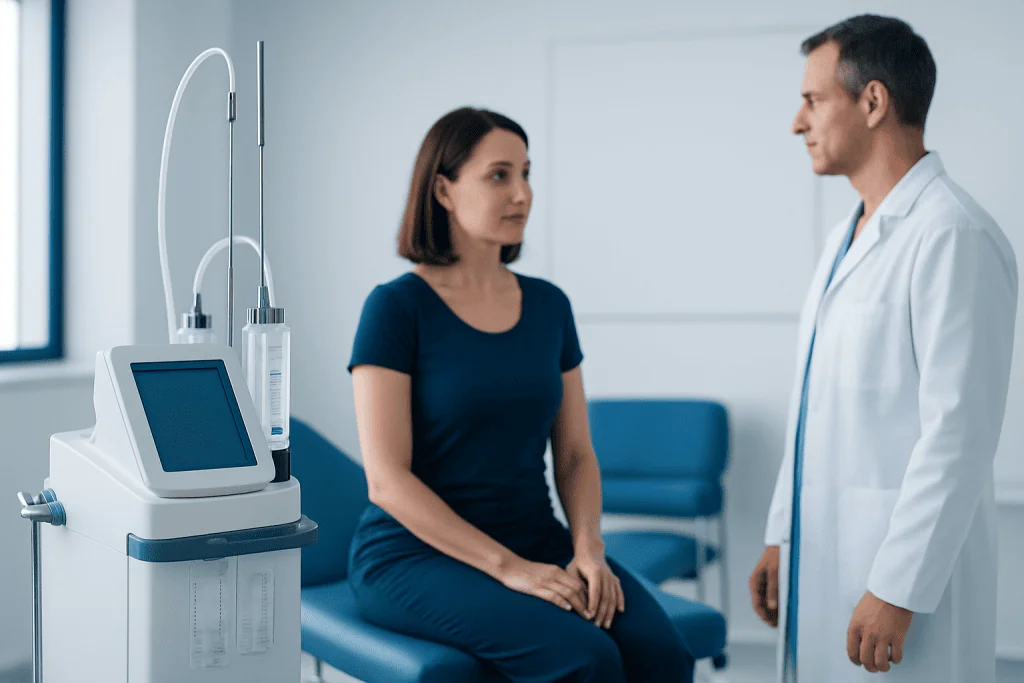
Safe candidate selection is one of the most important parts of liposuction planning. A good candidate is usually an adult who is at or near a stable body weight, has localized fat deposits, and has reasonable expectations about what the procedure can and cannot do. The best results often occur when the overlying skin has enough elasticity to contract smoothly after fat removal.
General health matters as much as body shape. Candidates should be well enough to undergo surgery and anesthesia, and any chronic medical conditions should be well controlled. A surgeon will ask about medical history, previous operations, medications, allergies, smoking or nicotine use, and any history of blood clots or abnormal bleeding. This information helps determine whether the procedure can be performed safely.
Liposuction may not be appropriate for people who are planning significant weight loss, are pregnant, have unstable medical conditions, or have unrealistic expectations. Patients with poor skin elasticity may be more likely to have loose or uneven skin after fat removal and may need to discuss alternative or additional procedures. A careful consultation allows the surgeon to recommend the safest and most suitable approach.
Treatment Areas and Techniques

Liposuction can be used on several body areas, but each area requires a tailored approach. The abdomen and flanks are frequently treated to improve waist definition. The thighs, hips, knees, upper arms, back, and under-chin area may also respond well when fat is localized and the skin has adequate tone. In some patients, liposuction is used as part of another procedure, such as breast reduction in selected cases or body contouring after weight changes.
Several liposuction techniques are available. Traditional suction-assisted liposuction uses a cannula connected to suction. Tumescent liposuction involves injecting a sterile fluid solution into the treatment area to help reduce bleeding and make fat removal easier. Ultrasound-assisted or laser-assisted methods may be used in selected cases to help loosen fat before suction, depending on the surgeon’s assessment and equipment.
No single technique is best for every patient. The safest and most effective method depends on the treatment area, the amount of fat to be removed, skin quality, medical history, and the surgeon’s experience. During consultation, patients should ask why a particular technique is recommended, what results are realistic, and what risks apply to their individual situation.
Preparation and the Day of Surgery
Preparation begins with a detailed consultation and physical examination. The surgeon may take photographs for planning, mark treatment areas, and explain the expected changes in contour. Some patients may need blood tests, anesthesia evaluation, or medical clearance depending on age, health history, and the extent of surgery. Clear communication about goals is essential, because liposuction is measured by shape improvement rather than the number on a scale.
Before surgery, patients are usually advised to avoid smoking and nicotine products because they can affect circulation and healing. Certain medications, supplements, or herbal products may need to be stopped temporarily if they increase bleeding risk, but this should only be done under medical guidance. Patients should also arrange transportation home and, when recommended, help during the first day or two after the procedure.
On the day of surgery, the care team confirms the treatment plan, reviews consent, and provides anesthesia. The surgeon makes small incisions in discreet locations when possible, inserts the cannula, and removes fat in a controlled manner to create smoother contours. After the procedure, compression garments or dressings are commonly applied to support healing and help manage swelling.
Recovery and Expected Results
Recovery varies according to the number of areas treated, the volume of fat removed, the technique used, and the patient’s general health. Swelling, bruising, tenderness, and temporary numbness are common in the early recovery period. These effects usually improve gradually, although swelling can take weeks to months to fully settle. The final contour may not be visible immediately.
Compression garments are often recommended for a period of time to support the treated areas and reduce swelling. Light walking is commonly encouraged soon after surgery to support circulation, but strenuous exercise and heavy lifting should be resumed only when the surgeon approves. Patients receive individualized instructions about wound care, bathing, activity, follow-up visits, and signs that should prompt medical contact.
Fat cells removed by liposuction do not return in the same way, but remaining fat cells can enlarge if a person gains weight. This means results can be long-lasting when supported by stable weight, balanced nutrition, and regular physical activity. Maintaining realistic expectations is important: liposuction can improve contour, but it does not stop natural aging, skin changes, or future weight fluctuations.
Benefits, Limitations, and Possible Risks
The main benefit of liposuction is targeted fat removal in areas that may be resistant to lifestyle measures. Patients may notice improved clothing fit, better body proportions, and a more defined silhouette. For many people, the improvement is subtle and natural-looking rather than dramatic, especially when treatment is planned conservatively and in proportion with the rest of the body.
Like all surgery, liposuction has limitations and risks. Possible complications include bleeding, infection, fluid collections, changes in sensation, contour irregularities, asymmetry, scarring, skin discoloration, and reactions to anesthesia. Rare but serious risks, such as blood clots, fat embolism, or organ injury, are part of the reason careful surgical planning and appropriate patient selection are essential.
Patients can reduce risk by choosing a qualified plastic surgeon, disclosing their full medical history, following preoperative and postoperative instructions, and avoiding pressure to undergo overly extensive fat removal. A responsible treatment plan prioritizes safety, proportion, and tissue health. If a recommendation sounds extreme or promises perfect results, patients should seek a second opinion.
Prevention, Self-Care, and Maintaining Results
Liposuction is most effective when it complements, rather than replaces, healthy habits. Before surgery, patients benefit from reaching a stable, sustainable weight and building routines they can continue afterward. After recovery, a balanced diet, regular movement, adequate sleep, and management of medical conditions such as diabetes or thyroid disease can help preserve results.
Self-care during recovery is also important. Patients should wear compression garments as directed, keep incisions clean, attend follow-up appointments, and avoid rushing back into intense exercise. Mild swelling and firmness can be part of normal healing, but recovery instructions should always come from the treating surgeon because each procedure is different.
Emotional preparation matters as well. It is common for patients to feel impatient while swelling resolves or while the body adjusts to a new contour. Taking progress photos only at reasonable intervals, focusing on gradual healing, and discussing concerns openly with the care team can make recovery less stressful and more predictable.
When to See a Doctor
A consultation with a qualified plastic surgeon is appropriate for anyone considering liposuction, especially if they have persistent localized fat and want to understand whether surgery is suitable. The consultation should include a discussion of health history, body goals, skin quality, alternative options, risks, recovery, and expected outcomes. Patients should feel comfortable asking questions and should not feel rushed into a decision.
After liposuction, patients should contact their doctor promptly if they experience increasing pain, significant swelling on one side, fever, shortness of breath, chest pain, heavy bleeding, worsening redness, or drainage from an incision. Many postoperative concerns are manageable when addressed early, so it is better to ask the care team than to wait with uncertainty.
Acibadem International’s multidisciplinary specialists and JCI-accredited hospitals diagnose and treat aesthetic and reconstructive concerns, including liposuction, for international patients. As with any surgical decision, patients should seek individualized advice from a qualified doctor who can assess their health, goals, and safest treatment options.
Frequently asked questions
Is liposuction a weight loss procedure?
No. Liposuction is a body contouring procedure designed to remove localized fat deposits, not to treat obesity or replace weight loss methods. Patients usually get the best results when they are already near a stable, healthy weight.
How much fat can be removed with liposuction?
The safe amount varies by patient, treatment area, anesthesia plan, and overall health. Surgeons follow safety limits and focus on contour improvement rather than removing the largest possible volume. Removing too much fat can increase the risk of complications and uneven results.
Will the fat come back after liposuction?
Fat cells removed during liposuction are permanently removed from the treated area. However, remaining fat cells in the body can enlarge with weight gain. Maintaining a stable weight helps preserve the contour achieved by surgery.
Does liposuction tighten loose skin?
Liposuction removes fat but does not reliably tighten significant loose skin. Some skin may contract after fat removal, especially in patients with good elasticity. If skin laxity is a major concern, the surgeon may discuss other procedures or combined approaches.
How long does recovery take?
Many patients return to light daily activities within several days, but this depends on the extent of treatment and the surgeon’s advice. Swelling and bruising improve gradually, and final results may take several months to become fully visible. Patients should follow their personalized recovery plan closely.
What questions should a patient ask before liposuction?
Useful questions include whether the surgeon is appropriately trained, which technique is recommended, what risks apply, and what result is realistic. Patients should also ask about anesthesia, recovery, follow-up care, and what to do if a concern occurs after surgery.
References
- American Society of Plastic Surgeons
- International Society of Aesthetic Plastic Surgery
- American Society for Aesthetic Plastic Surgery
- U.S. Food and Drug Administration
- National Health Service
This article is for general information only and is not a substitute for professional medical advice. Please consult a qualified doctor about your individual situation.
Body Contouring in Turkey — costs, top hospitals & a free quote
JCI-accredited · board-certified surgeons · reply within 24h
Add us as a Preferred Source to see more of our trusted health content across Google Search, AI Overviews and Discover.

Plastic, Reconstructive & Aesthetic Surgery
Reconstructive and aesthetic procedures for the face and body, performed by experienced surgeons.
35 specialists in this unitRelated Treatments
Related Conditions
More from the Health Library



Related Specialists

Prof. Dr. Şükrü Yazar
Aesthetic Plastic & Reconstructive Surgery
Assoc. Prof. Dr. Erdem Güven (m)
Aesthetic Plastic & Reconstructive Surgery
Prof. Dr. Hakan Ağır
Aesthetic Plastic & Reconstructive Surgery
Prof. Dr. Bülent Saçak
Aesthetic Plastic & Reconstructive Surgery