

Liposuction: What It Can and Cannot Do

Liposuction targets stubborn, localized fat and is best suited for people near a stable, healthy weight. The procedure can improve body contours but cannot replace weight management, tighten significant loose skin, or treat cellulite.
Key Takeaways
- Liposuction targets stubborn, localized fat and is best suited for people near a stable, healthy weight.
- The procedure can improve body contours but cannot replace weight management, tighten significant loose skin, or treat cellulite.
- A qualified plastic surgeon evaluates skin quality, health status, expectations, and treatment areas before recommending surgery.
- Recovery usually involves swelling, bruising, compression garments, and a gradual return to normal activities.
- Long-term results depend on maintaining a stable weight and healthy lifestyle after surgery.
Liposuction is a body-contouring procedure designed to remove localized fat deposits that do not respond well to diet and exercise. It can improve shape and proportion, but it is not a treatment for obesity, cellulite, or loose skin.
Overview
Liposuction is a surgical body-contouring procedure that removes selected pockets of fat from beneath the skin. It is commonly performed on areas such as the abdomen, flanks, thighs, hips, upper arms, back, chest, chin, and neck. The goal is not to make a person smaller overall, but to refine body shape where fat tends to remain despite regular physical activity and balanced nutrition.
During liposuction, a plastic surgeon makes small incisions and inserts a thin tube called a cannula to loosen and suction out fat. Several techniques may be used, including tumescent liposuction, ultrasound-assisted liposuction, and power-assisted liposuction. The choice depends on the treatment area, the surgeon’s assessment, the patient’s anatomy, and safety considerations.
Many people think of liposuction as a quick solution for weight loss, but this is not accurate. The best candidates are typically adults with stable weight, good general health, realistic expectations, and localized fat deposits. A careful consultation helps determine whether liposuction alone is appropriate or whether another procedure, such as a tummy tuck or skin tightening surgery, may be better suited.
What Liposuction Can Do
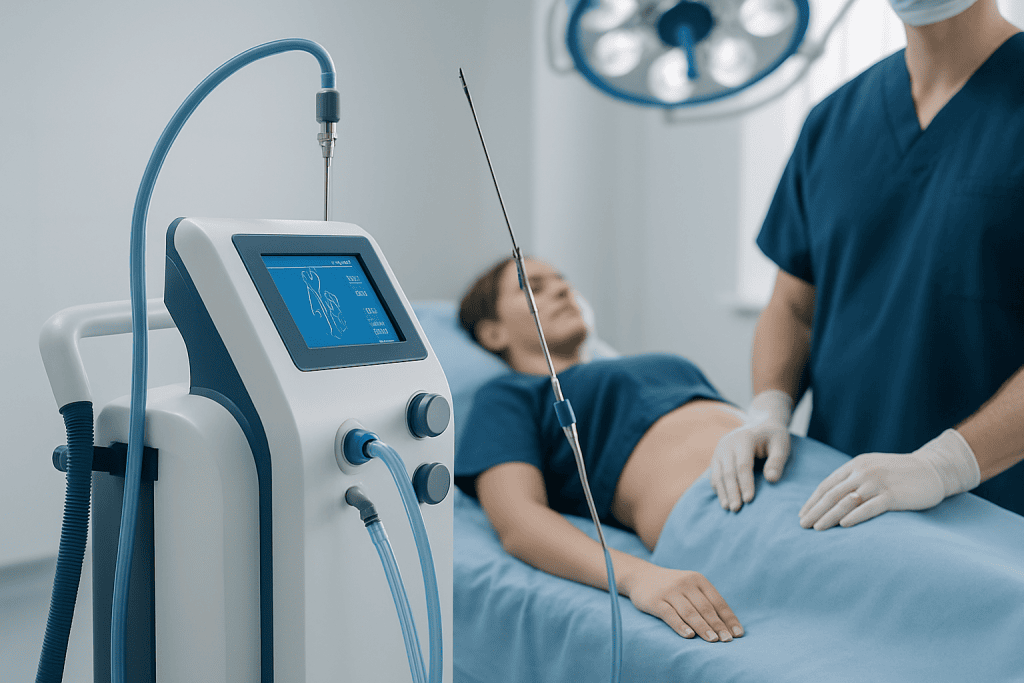
Liposuction can improve body proportions by reducing fat in specific areas. For example, it may help define the waist, reduce fullness in the thighs, smooth fat bulges around the bra line, or improve the contour under the chin. When performed for the right reasons, it can help clothing fit more comfortably and create a more balanced silhouette.
The procedure is particularly useful for fat that is resistant to lifestyle efforts. Some people maintain a consistent exercise routine and healthy eating pattern but still notice inherited fat distribution in certain areas. Liposuction can address these localized deposits because it physically removes fat cells from the treated region.
Liposuction may also be used as part of a broader surgical plan. In selected cases, it is combined with procedures such as abdominoplasty, breast reduction, arm lift, thigh lift, or fat transfer. Combination surgery must be planned carefully to reduce risk and ensure that the procedure length, anesthesia, and recovery demands remain appropriate for the patient.
What Liposuction Cannot Do

Liposuction is not a treatment for obesity or a substitute for weight loss through nutrition, movement, and medical support when needed. Although some fat is removed, the amount is limited by safety considerations and does not produce the same effect as a comprehensive weight-loss program or bariatric treatment. Patients seeking major weight reduction should discuss appropriate medical options with a healthcare professional.
Liposuction also does not reliably tighten loose or stretched skin. Skin that has good elasticity may gradually contract after fat removal, but skin that is significantly lax may remain loose. This is common after pregnancy, major weight changes, aging, or when stretch marks are present. In these cases, skin-removal procedures may be needed to achieve a smoother contour.
It is also important to understand that liposuction does not remove cellulite, deep stretch marks, or internal visceral fat around the organs. Cellulite is related to fibrous bands, skin texture, and fat structure, while visceral fat responds primarily to overall weight management and metabolic health. Liposuction improves contour, not skin quality or internal fat distribution.
Who May Be a Suitable Candidate
A suitable candidate for liposuction is usually an adult who is close to a stable body weight and has specific areas of fat that are out of proportion with the rest of the body. Good candidates generally have reasonable skin tone, good overall health, and the ability to follow recovery instructions. Emotional readiness and realistic expectations are just as important as physical suitability.
Before surgery, the plastic surgeon reviews the patient’s medical history, medications, allergies, previous surgeries, and lifestyle factors such as smoking. Conditions that affect healing, bleeding, circulation, or anesthesia safety must be discussed openly. Some patients may need medical clearance or adjustments to certain medications before surgery.
Liposuction may not be recommended for people with unstable weight, significant untreated medical conditions, poor skin elasticity in the target area, or expectations that the procedure cannot meet. A consultation should include a clear discussion of what is achievable, possible limitations, scarring, recovery time, and alternatives.
How the Procedure Is Planned and Performed
Planning begins with a detailed physical examination and discussion of the patient’s goals. The surgeon evaluates fat distribution, skin quality, body proportions, and any asymmetry. Photographs may be taken for medical planning, and the treatment areas are usually marked before surgery while the patient is standing.
Liposuction may be performed under local anesthesia with sedation or under general anesthesia, depending on the number and size of the areas treated. In tumescent liposuction, a fluid containing local anesthetic and medication to reduce bleeding is injected into the fatty tissue. The surgeon then uses a cannula to remove fat through small incisions placed as discreetly as possible.
After the procedure, the incisions may be closed with sutures or left partially open for drainage, depending on the technique and surgeon preference. A compression garment is usually applied to help reduce swelling and support the new contour. Patients receive written instructions about wound care, activity limits, medication use, follow-up visits, and symptoms that should prompt medical contact.
Recovery, Results, and Possible Risks
Recovery varies according to the extent of liposuction, the areas treated, and the patient’s general health. Bruising, swelling, soreness, temporary numbness, and fluid drainage from small incisions can occur in the first days. Many people return to light daily activities within a short period, but strenuous exercise and heavy lifting are usually delayed until the surgeon confirms it is safe.
Swelling improves gradually, so the final contour is not visible immediately. Early changes may be noticeable within weeks, but refinement often continues for several months as tissues settle. Wearing compression garments as advised, walking gently, staying hydrated, and attending follow-up appointments can support a smooth recovery.
Like all surgery, liposuction has potential risks. These may include bleeding, infection, contour irregularities, asymmetry, changes in sensation, fluid accumulation, skin discoloration, delayed healing, or anesthesia-related complications. Rare but serious complications can occur, which is why careful patient selection, qualified surgical care, and appropriate postoperative monitoring are essential.
Maintaining Results and Healthy Expectations
Fat cells removed by liposuction do not grow back in the same way, but remaining fat cells can enlarge if a person gains weight. This means that long-term results depend on maintaining stable weight and a healthy lifestyle. Balanced eating, regular physical activity, adequate sleep, and management of medical conditions all contribute to preserving the outcome.
Healthy expectations are central to satisfaction. Liposuction can create meaningful contour improvement, but it does not create perfection or guarantee symmetry. Natural anatomy, skin elasticity, healing response, and body changes over time all influence the final result.
Patients should also avoid comparing their outcome with edited images or other people’s results. A trustworthy consultation focuses on the individual’s anatomy and safety, not a standardized ideal. The most appropriate treatment plan is one that balances appearance goals with medical suitability and realistic recovery.
When to See a Doctor
A person considering liposuction should consult a board-qualified plastic surgeon or appropriately trained specialist to discuss goals, health history, and options. The appointment is an opportunity to ask about the surgeon’s experience, the facility, anesthesia plan, expected recovery, and possible alternatives. Patients should feel comfortable asking questions and should not feel rushed into a decision.
Medical attention is also important after liposuction if there is increasing pain, worsening swelling on one side, fever, foul-smelling drainage, shortness of breath, chest pain, heavy bleeding, or any symptom that feels unusual or concerning. Prompt communication with the surgical team helps identify problems early and supports safe recovery.
For international patients, Acibadem International provides access to multidisciplinary specialists and JCI-accredited hospitals that diagnose, plan, and treat aesthetic and reconstructive conditions, including liposuction when appropriate. As with any elective surgery, an individualized medical assessment is essential before travel or treatment decisions are made.
Frequently asked questions
Is liposuction a weight-loss procedure?
No. Liposuction is a body-contouring procedure for localized fat deposits, not a method for major weight loss. People seeking significant weight reduction should discuss nutrition, physical activity, medical weight management, or bariatric options with a qualified healthcare professional.
How long do liposuction results last?
Results can be long lasting if the patient maintains a stable weight. The fat cells removed from the treated area are gone, but remaining fat cells can enlarge with weight gain. Aging, pregnancy, and lifestyle changes may also affect body shape over time.
Can liposuction tighten loose skin?
Liposuction may allow mild skin contraction in people with good elasticity, but it is not designed to remove significant loose skin. If skin laxity is the main concern, a lift or skin-removal procedure may be more appropriate. A surgeon can assess this during examination.
Will liposuction remove cellulite?
Liposuction is not a reliable treatment for cellulite. Cellulite involves skin structure, connective tissue bands, and fat distribution, so removing fat alone may not improve it and may sometimes make texture more noticeable. Other treatments may be discussed if cellulite is the primary concern.
When can a person return to normal activities after liposuction?
The timeline depends on the extent of treatment and the surgeon's instructions. Light activities are often resumed relatively soon, while strenuous exercise is delayed until healing is adequate. Patients should follow their personalized recovery plan rather than a general schedule.
Are there scars after liposuction?
Liposuction requires small incisions for the cannula, so tiny scars are possible. Surgeons usually place incisions in discreet locations when feasible. Scar appearance varies with skin type, healing response, incision care, and sun protection.
References
- American Society of Plastic Surgeons
- International Society of Aesthetic Plastic Surgery
- American Society for Dermatologic Surgery
- NHS
- Mayo Clinic
This article is for general information only and is not a substitute for professional medical advice. Please consult a qualified doctor about your individual situation.
Medical weight-loss options in Turkey — costs & eligibility
JCI-accredited · board-certified surgeons · reply within 24h
Add us as a Preferred Source to see more of our trusted health content across Google Search, AI Overviews and Discover.

Related Treatments
Related Conditions
More from the Health Library



Related Specialists

Prof. Dr. Şükrü Yazar
Aesthetic Plastic & Reconstructive Surgery
Assoc. Prof. Dr. Erdem Güven (m)
Aesthetic Plastic & Reconstructive Surgery
Prof. Dr. Hakan Ağır
Aesthetic Plastic & Reconstructive Surgery
Prof. Dr. Bülent Saçak
Aesthetic Plastic & Reconstructive Surgery