Long Breath Holding — Explained by Medical Evidence, Not Myths

Long breath holding can be voluntary, behavioral, or linked to an underlying health condition. Breath-holding ability varies widely and is affected by training, lung function, fitness, and anxiety.
Key Takeaways
- Long breath holding can be voluntary, behavioral, or linked to an underlying health condition.
- Breath-holding ability varies widely and is affected by training, lung function, fitness, and anxiety.
- Involuntary breath holding, fainting, blue lips, chest pain, or severe shortness of breath need medical attention.
- Doctors assess the pattern of symptoms, triggers, and related heart, lung, and neurologic signs.
- Treatment depends on the cause and may include breathing training, anxiety care, or treatment for lung or heart disease.
Long breath holding usually means a person can or does hold their breath longer than expected, either intentionally or during certain behaviors, emotions, or medical conditions. In many cases it is harmless, but if it happens involuntarily, causes distress, or comes with other symptoms, a medical evaluation may be important.
Overview: what long breath holding usually means
Long breath holding refers to holding the breath longer than usual, either on purpose or in a way that feels difficult to control. Medical evidence does not support common myths that it automatically means unusually strong lungs, superior fitness, or a serious hidden disease. The meaning depends on context: a swimmer practicing apnea is very different from a person who repeatedly pauses breathing because of fear, discomfort, or a medical problem.
Breath holding is closely linked to how the body regulates oxygen and carbon dioxide. Most people feel the urge to breathe mainly because carbon dioxide rises, not because oxygen immediately becomes too low. This is why some people can train themselves to tolerate longer breath-hold times, while others feel strong discomfort much sooner even if their lungs are healthy.
From a clinical perspective, long breath holding is not a diagnosis by itself. It is a description that may be normal, learned, emotional, or related to conditions affecting the lungs, heart, nervous system, or mental health. Looking at when it happens, how often it occurs, and what other symptoms appear is more useful than focusing only on the duration.
Why some people can hold their breath longer
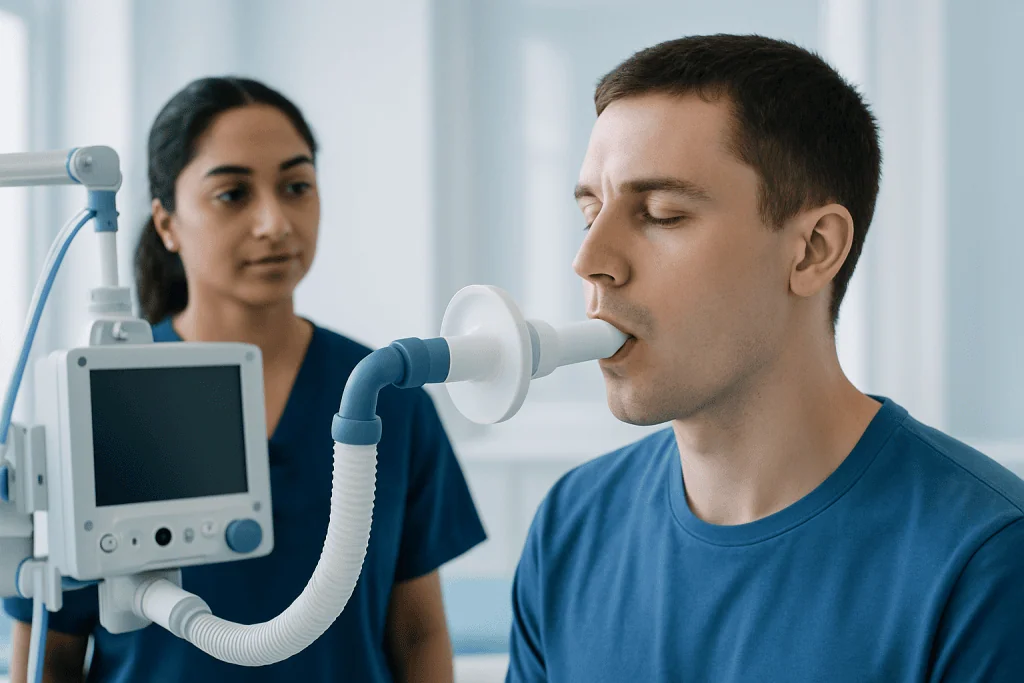
Breath-hold time varies naturally between individuals. Age, physical conditioning, body position, anxiety level, and previous practice all influence performance. People who practice swimming, diving, wind instruments, meditation, or structured breathing exercises often become more tolerant of the uncomfortable feeling that comes before the need to breathe.
Lung size is only one part of the picture. Efficient breathing mechanics, relaxation, and lower anxiety can extend breath-hold time more than many people expect. By contrast, stress and hyperawareness of breathing may shorten the time, even in someone with normal heart and lung function.
Training can improve voluntary breath holding, but it does not make prolonged breath holding risk-free. Pushing too far, especially underwater, can lead to dizziness, fainting, or loss of consciousness. Safe practice requires supervision, avoiding solo water activities, and never ignoring warning symptoms.
Symptoms and patterns that may matter

Long breath holding may happen with no symptoms at all, particularly when it is intentional. In other situations, a person may notice chest tightness, air hunger, lightheadedness, tingling, palpitations, anxiety, or a feeling of needing to take a deep breath afterward. These details help doctors distinguish a harmless pattern from one that needs investigation.
It is also important to separate breath holding from other breathing changes. Some people believe they are “holding” their breath, but they are actually hyperventilating, breathing shallowly, or having temporary pauses related to stress or sleep. Others may sigh frequently, feel unable to get a satisfying breath, or have episodes of rapid breathing followed by pauses. These patterns can occur with anxiety, dysfunctional breathing, or lung disease.
Warning features include:
- Breath holding that happens involuntarily or repeatedly without a clear reason
- Blue lips or fingertips, fainting, or confusion
- Chest pain, severe shortness of breath, or new wheezing
- Episodes triggered by exercise
- Snoring, choking, or breathing pauses during sleep
- Associated weakness, seizures, or other neurologic symptoms
Causes and risk factors: from normal behavior to medical conditions
Many cases of long breath holding are voluntary or behavioral. Athletes may train for apnea tolerance, children may briefly hold their breath when upset, and some adults pause breathing during concentration, stress, or pain. Anxiety can also lead to irregular breathing patterns, including breath holding, sighing, and the sensation of not getting enough air.
Underlying medical causes are more likely when the pattern is new, persistent, or associated with symptoms. Lung conditions such as asthma or other lung diseases can make breathing feel uncomfortable and change normal breathing behavior. Heart problems may reduce exercise tolerance or cause shortness of breath and chest discomfort. Neurologic disorders can affect breathing control, although this is less common.
Sleep-related breathing disorders are another consideration. Some people use the phrase long breath holding to describe breathing pauses during sleep, which may actually reflect sleep apnea. In children, classic breath-holding spells can occur after crying, fear, or frustration; these episodes are often benign but still deserve professional guidance, especially if severe or frequent.
Risk factors that make medical causes more likely include smoking, chronic lung disease, recent respiratory infection, poor exercise tolerance, obesity, heavy snoring, known heart disease, neurological illness, panic symptoms, and certain medications that affect alertness or breathing.
How doctors evaluate long breath holding
Assessment begins with a detailed history. A doctor will ask whether the breath holding is intentional or involuntary, how long it lasts, what triggers it, and whether it occurs at rest, during exercise, in water, or during sleep. They will also ask about cough, wheezing, chest pain, fainting, panic symptoms, snoring, daytime sleepiness, and any prior heart or lung disease.
The physical exam focuses on breathing pattern, oxygen level, heart rate, lung sounds, and signs of neurologic or cardiovascular problems. Depending on the pattern, common tests may include pulse oximetry, electrocardiogram, chest imaging, spirometry, and blood tests. If doctors suspect asthma or another airway condition, pulmonary function testing may help. If sleep-related pauses are a concern, a sleep study may be recommended.
Some people benefit from specialized evaluation when symptoms are hard to explain. For example, cardiopulmonary testing may help sort out whether exercise symptoms come from the lungs, heart, fitness level, or breathing pattern disorder. When a structural or serious condition is suspected, targeted treatment may follow, such as bronchoscopy for selected airway concerns or cardiology evaluation and treatment when heart-related symptoms are present.
Treatment and practical management
There is no single treatment for long breath holding because management depends on the cause. If the pattern is voluntary and harmless, treatment may not be needed beyond education about safe limits. If it is linked to anxiety, stress, or dysfunctional breathing, care may include reassurance, breathing retraining, relaxation techniques, and support from a mental health professional when appropriate.
When an underlying condition is identified, treatment focuses on that diagnosis. Asthma, chronic airway disease, heart rhythm issues, sleep disorders, or neurologic conditions are treated according to standard medical guidelines. In some cases, formal respiratory assessment and respiratory function testing help guide the next steps, especially when symptoms occur with exertion or after respiratory illness.
For people who practice apnea or sports involving breath control, safer habits matter. They should avoid prolonged underwater breath holding alone, stop immediately if dizzy, and avoid extreme hyperventilation before breath-hold attempts. Hyperventilation can reduce the natural urge to breathe and increase the risk of blackout without warning.
Near the end of the care pathway, some patients may need coordinated input from pulmonology, cardiology, neurology, sleep medicine, or psychology. Acibadem International’s multidisciplinary specialists and JCI-accredited hospitals diagnose and treat breathing-related conditions for international patients when more comprehensive assessment is needed.
Prevention and self-care
Prevention starts with understanding the trigger. If long breath holding happens during stress, mindfulness, paced breathing, and posture awareness may help reduce unintentional pauses. A simple approach many clinicians recommend is slow nasal breathing with relaxed shoulders and a longer exhale, rather than forcing very deep breaths.
General lung and heart health also matter. Not smoking, staying physically active, treating allergies or asthma, sleeping well, and maintaining a healthy weight can improve breathing comfort overall. People with frequent snoring or witnessed sleep pauses should seek evaluation rather than trying to manage the problem alone.
For children with breath-holding spells, caregivers should stay calm, place the child safely on their side if needed, and discuss the episodes with a pediatrician. For adults, self-care should not replace assessment if episodes are new, prolonged, or associated with fainting, chest symptoms, or low oxygen levels.
When to seek medical care
Medical care is appropriate if long breath holding is involuntary, keeps recurring, or interferes with daily activities, exercise, or sleep. A doctor should also assess episodes that begin suddenly, change over time, or are accompanied by a feeling of choking, severe anxiety, or difficulty catching the breath afterward.
Urgent medical attention is needed for chest pain, severe shortness of breath, fainting, blue lips, confusion, seizures, or symptoms that start during exertion or in water. These signs may point to a serious problem involving oxygen levels, the heart, the lungs, or the nervous system and should not be dismissed as simple breath-control issues.
It is also wise to seek evaluation if there are loud snoring episodes, observed breathing pauses during sleep, or marked daytime sleepiness. In such cases, identifying and treating the underlying cause can improve both safety and quality of life.
Frequently asked questions
Is long breath holding always a sign of good lung capacity?
No. Breath-hold time depends on more than lung size, including relaxation, training, carbon dioxide tolerance, and anxiety level. A long time may be normal for one person and not especially meaningful for another.
Can anxiety cause breath holding?
Yes. Anxiety can change normal breathing patterns and may lead to breath holding, sighing, chest tightness, or the sensation of not getting enough air. These symptoms are real and can be distressing, but they still deserve proper assessment if they are frequent or severe.
Is it dangerous to practice holding the breath for a long time?
It can be. Breath-hold practice may lead to dizziness, loss of consciousness, or injury, especially underwater or after hyperventilation. Safety matters, and solo underwater breath-hold practice should be avoided.
How do doctors tell whether long breath holding is a medical problem?
Doctors look at the pattern, triggers, and associated symptoms rather than the breath-hold time alone. They may use an exam, oxygen measurement, lung function tests, heart testing, or sleep studies depending on the situation.
Are breath-holding spells in children the same as long breath holding in adults?
Not exactly. In children, breath-holding spells often happen after crying, frustration, or fear and are commonly benign, though they should still be discussed with a clinician. In adults, repeated breath holding is more likely to need evaluation for stress, sleep disorders, heart or lung conditions, or other causes.
When should someone worry about long breath holding?
Concern is higher if episodes are involuntary, recurrent, or linked to fainting, blue lips, chest pain, severe shortness of breath, or exercise symptoms. Those features call for medical advice, and urgent care may be needed if symptoms are severe.
References
- American Lung Association
- National Heart, Lung, and Blood Institute
- American Academy of Sleep Medicine
- Centers for Disease Control and Prevention
- World Health Organization
This article is for general information only and is not a substitute for professional medical advice. Please consult a qualified doctor about your individual situation.
Explore treatments in Turkey — costs, top hospitals & a free quote
JCI-accredited · board-certified surgeons · reply within 24h
Add us as a Preferred Source to see more of our trusted health content across Google Search, AI Overviews and Discover.