Metabolic Bone Disease: Diagnosis, Outlook, and Modern Treatment Approaches

Metabolic bone disease is a group of conditions—such as osteoporosis, osteomalacia, and kidney-related bone disease—in which bones become weak because of problems with minerals, hormones, or bone remodeling. Treatment depends on the underlying cause, so see a doctor for evaluation if you have unexplained bone pain, fractures from minor injuries, or loss of height.
Key Takeaways
- Metabolic bone disease refers to disorders that disrupt normal bone formation, breakdown, or mineralization.
- Common causes include vitamin D deficiency, hormone imbalance, kidney disease, and certain medications.
- Symptoms may be subtle at first and can include bone pain, weakness, height loss, or fractures.
- Diagnosis usually combines medical history, blood tests, imaging, and sometimes bone density testing.
- Treatment is cause-specific and may involve nutrition, supplements, medication changes, and specialist care.
Maybe you broke a wrist in a fall that should not have broken anything. Maybe your legs ache, climbing stairs has become hard work, or you have quietly lost a couple of centimetres of height. These are the kinds of clues that make a doctor start thinking about metabolic bone disease.
It is not one single illness. It is a group of conditions that affect bone strength, structure, and mineral balance. Diagnosis focuses on finding the underlying cause, and modern treatment often improves symptoms, slows bone loss, and helps reduce fracture risk.
Overview: what metabolic bone disease means
Bone is living tissue. It is broken down and rebuilt all the time, quietly, throughout your life. Metabolic bone disease covers the conditions where that process goes wrong and bones are not built, maintained, or mineralized properly. When minerals such as calcium and phosphorus, hormones such as parathyroid hormone and vitamin D, or the remodeling process itself fall out of balance, bones can become soft, thin, fragile, or misshapen.
This term can include several different disorders rather than one diagnosis. Examples include osteoporosis, osteomalacia, renal bone disease linked to chronic kidney disease, and disorders caused by abnormal parathyroid function. Some inherited conditions can also affect bone metabolism, but many cases develop later in life because of nutritional deficiency, chronic illness, age-related changes, or medication effects.
The outlook depends largely on the cause and how early it is recognized. Many people improve with targeted treatment, especially when the problem is found before repeated fractures or significant deformity develop. A clear diagnosis is important because therapies that help one type of metabolic bone disease may not be appropriate for another.
Symptoms and possible complications
Metabolic bone disease may develop gradually, so symptoms are sometimes mild or overlooked at first. Some people have no clear symptoms until a fracture occurs. Others notice ongoing bone pain, muscle weakness, difficulty walking, fatigue, or a gradual loss of height. In children, bone disorders can affect growth and skeletal development.
Depending on the specific condition, symptoms can vary. Osteomalacia often causes diffuse bone discomfort and proximal muscle weakness, while osteoporosis may remain silent until a wrist, hip, or spine fracture happens. Disorders related to abnormal calcium or parathyroid hormone levels may also cause muscle cramps, kidney stones, digestive symptoms, or changes in energy and mood.
Potential complications include:
- Fragility fractures after minor falls or everyday activity
- Spinal compression fractures and height loss
- Bone deformities or impaired mobility
- Chronic pain and reduced independence
- Delayed healing after injury
These signs look a lot like arthritis, nerve pain, or simply getting older. That is exactly why an examination matters: it tells you whether the bones themselves are the problem.
Causes and risk factors

Healthy bone depends on a careful balance of nutrition, hormones, kidney function, intestinal absorption, and physical activity. Metabolic bone disease can occur when this system is disrupted. Common causes include vitamin D deficiency, low calcium intake, reduced absorption from intestinal disorders, chronic kidney disease, liver disease, menopause-related estrogen loss, and disorders of the parathyroid glands or thyroid.
Medications can also contribute. Long-term corticosteroid use is a well-known cause of bone loss, and some antiseizure medicines, cancer treatments, and other drugs may affect vitamin D metabolism or bone remodeling. Reduced mobility, older age, smoking, high alcohol intake, and low body weight can further increase the risk of poor bone health.
In some patients, the issue is linked to a specific disease process. For example, people with chronic kidney disease may develop kidney-related bone and mineral problems because the kidneys play an important role in vitamin D activation and phosphate balance. Others may have hormonal causes such as overactive parathyroid glands, which can increase bone breakdown. A clinician may also look for conditions such as osteoporosis when fractures or bone density loss are present.
Rarely does one factor do the damage alone. Risk climbs when several stack up together: older age, little sunlight, chronic illness, poor nutrition, certain medicines. So we look at the whole person, not only the skeleton, before making a plan.
How diagnosis is made
Diagnosing metabolic bone disease begins with a detailed medical history and physical examination. The clinician asks about fractures, bone pain, muscle weakness, kidney disease, digestive disorders, menopause, medications, diet, and family history. This step helps narrow down which type of metabolic bone problem may be present.
Blood and urine tests are often essential because they show how the body is handling minerals and hormones. Depending on the case, testing may include calcium, phosphorus, alkaline phosphatase, vitamin D, parathyroid hormone, kidney function, thyroid function, and markers of bone turnover. These results can help distinguish between conditions such as osteomalacia, high bone turnover from hormone imbalance, or bone disease related to kidney disorders.
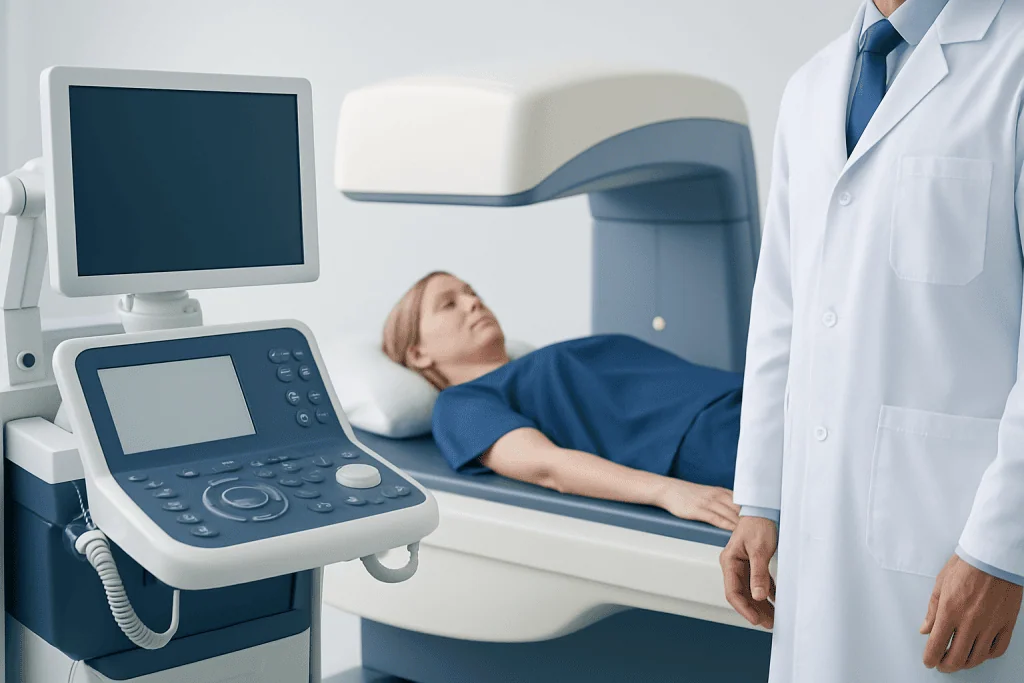
Imaging is also important. X-rays may show fractures, deformities, or changes in bone quality. Bone mineral density testing can assess fracture risk and identify loss of bone mass. In selected cases, advanced imaging or laboratory evaluation is needed to rule out cancer, infection, or other bone disorders. When a structural or surgical issue is suspected, specialists may recommend orthopedic surgery assessment as part of comprehensive care.
With so many possible causes, a team usually gets further than one doctor alone. That team may include endocrinology, nephrology, internal medicine, nutrition, radiology, and orthopedics. The aim is not just to confirm that your bones are affected, but to find out why.
Modern treatment approaches
Treatment for metabolic bone disease is tailored to the underlying cause. Correcting deficiencies is often the first step. This may involve improving calcium and vitamin D intake, treating malabsorption, increasing safe weight-bearing activity, and addressing lifestyle factors such as smoking or alcohol use. If a medication is contributing to bone loss, a doctor may review whether an alternative is possible.
When hormone imbalance is part of the problem, treatment may target the endocrine system directly. For example, patients with overactive parathyroid glands may need monitoring, medication, or in some cases parathyroid surgery if a specialist determines that surgery is appropriate. For bone loss with high fracture risk, doctors may recommend medicines that slow bone breakdown or support bone strength, depending on the diagnosis and the person’s overall health.
People with kidney-related metabolic bone disease often need careful management of phosphate, calcium, vitamin D pathways, and parathyroid hormone. In these cases, the treatment plan is usually coordinated with nephrology and may overlap with care for advanced kidney disease treatment when clinically relevant. Fracture care, pain management, and physical rehabilitation may also be needed to restore mobility and confidence.
If fractures, deformity, or severe weakness have already occurred, care may include bracing, fall-prevention strategies, supervised exercise, and sometimes surgical treatment. A multidisciplinary approach is especially helpful because metabolic bone disease affects not just the skeleton, but also movement, balance, and long-term independence.
Prevention, self-care, and long-term outlook
Not every form of metabolic bone disease can be prevented, but many bone-related risks can be reduced. A balanced diet with adequate calcium and protein, sufficient vitamin D, regular weight-bearing and resistance exercise, and avoidance of smoking all support healthy bone remodeling. Fall prevention at home is also important, especially for older adults.
Self-care works best when it fits your life and your diagnosis. If you have chronic kidney disease, a digestive disorder, or an endocrine condition, please do not start supplements or overhaul your diet on your own — mineral balance is easy to tip the wrong way. Let your lab results and your doctor’s advice guide the plan.
Long-term outlook varies. Some forms of metabolic bone disease improve significantly once the cause is treated, while others require ongoing monitoring to lower fracture risk and preserve quality of life. Follow-up may include repeat blood work, bone density testing, medication review, and reassessment of exercise and nutrition habits.
Some patients reach a point where they want everything looked at together, by one coordinated team. Acibadem International’s multidisciplinary specialists and JCI-accredited hospitals diagnose and treat metabolic bone disorders for international patients when advanced assessment or treatment planning is needed.
When to seek medical care
Medical advice is important if bone pain, unexplained fractures, muscle weakness, or progressive height loss develops. An evaluation is also appropriate for people with chronic kidney disease, long-term steroid use, bowel disease, or known hormone disorders, because these conditions can affect bone health even before symptoms become obvious.
Urgent care may be needed after a fall, sudden severe back pain, inability to bear weight, or signs of a major fracture. Children with delayed growth, bowed legs, bone deformities, or difficulty walking should also be assessed promptly.
Coming in early really does change things. Finding the cause sooner often means treatment can start before repeated fractures, chronic pain, or loss of mobility set in.
Frequently asked questions
Is metabolic bone disease the same as osteoporosis?
No. Osteoporosis is one type of bone disorder, but metabolic bone disease is a broader term that includes several conditions affecting bone strength and mineral balance. A doctor usually needs tests to determine which specific disorder is present.
Can metabolic bone disease be reversed?
Some forms can improve significantly when the underlying cause is treated, such as vitamin D deficiency or certain hormone problems. Others may not be fully reversible but can often be managed well to reduce fractures, pain, and further bone loss.
What tests are usually done for metabolic bone disease?
Evaluation commonly includes blood tests, urine tests, imaging, and sometimes bone density measurement. The exact testing depends on symptoms and possible causes such as kidney disease, endocrine disorders, or nutritional deficiency.
Who is most at risk for metabolic bone disease?
Risk tends to be higher in older adults, postmenopausal women, people with chronic kidney or digestive disease, and those taking long-term steroids. Poor nutrition, low vitamin D, smoking, and low physical activity can also raise risk.
Can children get metabolic bone disease?
Yes. Children can develop metabolic bone disorders related to nutrition, inherited conditions, kidney disease, or problems with mineral metabolism. Because bones are still growing, early pediatric evaluation is especially important.
When should someone see a doctor about possible metabolic bone disease?
A medical review is sensible for unexplained bone pain, repeated fractures, loss of height, muscle weakness, or walking difficulty. People with chronic illnesses or medicines known to affect bone health should also ask their doctor whether screening is needed.
This article is for general information only and is not a substitute for professional medical advice. Please consult a qualified doctor about your individual situation.
Medical weight-loss options in Turkey — costs & eligibility
7 JCI-accredited hospitals · board-certified surgeons · reply within 24h
Add us as a Preferred Source to see more of our trusted health content across Google Search, AI Overviews and Discover.

Medically reviewed by the Acıbadem International Medical Board — August 24, 2026
See our medical review board →
References (2)
- Osteoporosis — MedlinePlus — medlineplus.gov
- Bone Diseases — MedlinePlus — medlineplus.gov
Endocrinology Specialists at Acibadem




Related Conditions
More from the Health Library

A Normal HbA1c Is Below 5.7% for Most Adults

Morbid Obesity Is a Chronic Disease With Many Causes

How the Wegovy Savings Card Works and Who Qualifies

Mounjaro Targets Two Gut Hormones to Lower Blood Sugar

Hypoglycemia: Early Signs, Risk Factors, and How It Is Treated