Metrorrhagia: What Patients Need to Know

Metrorrhagia refers to bleeding between periods or at irregular times. Common causes include hormone changes, fibroids, polyps, infection, pregnancy-related problems, and some medications.
Key Takeaways
- Metrorrhagia refers to bleeding between periods or at irregular times.
- Common causes include hormone changes, fibroids, polyps, infection, pregnancy-related problems, and some medications.
- Heavy, persistent, or postmenopausal bleeding should always be assessed by a doctor.
- Diagnosis may include a pelvic exam, blood tests, ultrasound, and sometimes endometrial sampling.
- Treatment depends on the cause and may involve medication, hormone therapy, or a procedure.
Metrorrhagia means vaginal bleeding that happens at irregular times, especially between expected menstrual periods. It is a symptom rather than a disease, and evaluation can help identify whether the cause is hormonal, structural, pregnancy-related, medication-related, or linked to another health condition.
Overview: what metrorrhagia means
Metrorrhagia is the medical term for uterine bleeding that occurs at irregular times, especially between normal menstrual periods. In everyday language, many people describe it as spotting or bleeding between periods. While it can sometimes be brief and related to normal hormonal fluctuation, it can also point to an underlying gynecologic or medical issue that needs attention.
Doctors often use the broader term abnormal uterine bleeding to describe bleeding that is unusual in timing, duration, or amount. Metrorrhagia is one pattern within that group. The bleeding may be light spotting, repeated staining over several days, or a flow that feels similar to a period but arrives unexpectedly.
This symptom can occur during the reproductive years, around perimenopause, or after menopause. The possible causes vary with age, pregnancy status, medication use, and medical history. Because of that, the most helpful next step is not self-diagnosis but a careful medical evaluation that looks at the whole picture.
Symptoms and bleeding patterns to notice
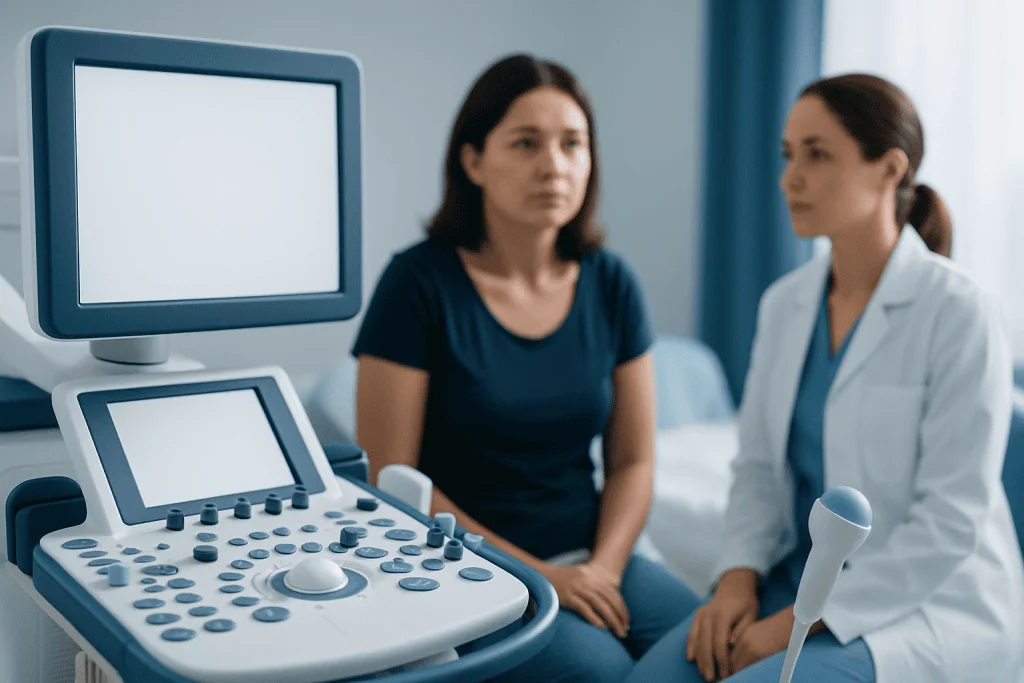
The main sign of metrorrhagia is bleeding outside the usual menstrual schedule. Some people notice a few drops of blood mid-cycle, while others experience recurrent spotting before or after periods, or bleeding that seems to appear unpredictably throughout the month. The color may range from pink or brown discharge to bright red bleeding.
Other symptoms may occur at the same time and can help guide the cause. These include pelvic pain, pressure, cramping, pain during sex, unusual vaginal discharge, missed periods, fatigue, dizziness, or signs of anemia such as weakness and shortness of breath. Keeping track of how often the bleeding happens and how much is present can be very useful during the medical visit.
It is also important to notice when the pattern differs from a person’s usual cycle. Helpful details include whether the bleeding started after sex, whether it followed a missed period, whether it occurs while using contraception, and whether it happens after menopause. These details can help distinguish hormonal causes from structural conditions such as uterine fibroids or endometriosis, as well as pregnancy-related or cervical causes.
Common causes and risk factors

Metrorrhagia has many possible causes, and not all are serious. Hormonal changes are among the most common reasons, especially during adolescence, perimenopause, after stopping or starting hormonal contraception, or when ovulation is irregular. When ovulation does not happen regularly, the uterine lining may build up unevenly and shed at unexpected times.
Structural causes inside the uterus or cervix can also lead to irregular bleeding. These include fibroids, endometrial or cervical polyps, adenomyosis, and less commonly precancerous changes or cancer of the uterus or cervix. Infection or inflammation involving the cervix, uterus, or pelvis may also cause bleeding between periods, particularly if there is pain or discharge.
Pregnancy-related causes should always be considered in anyone who could be pregnant. Implantation bleeding can be harmless, but bleeding may also signal miscarriage, ectopic pregnancy, or another urgent problem. Medications such as anticoagulants, some hormone therapies, and certain contraceptives can contribute as well. Less common medical causes include thyroid disease, bleeding disorders, liver disease, and severe stress or major weight changes.
Risk factors depend on the cause, but they may include approaching menopause, obesity, polycystic ovary syndrome, use of hormonal medications, a history of fibroids or polyps, sexually transmitted infections, and family or personal history of gynecologic cancer. Because the range is broad, evaluation focuses on the pattern of bleeding rather than one single explanation.
How doctors diagnose metrorrhagia
Diagnosis begins with a detailed history. A doctor will usually ask about the timing of bleeding, menstrual regularity, pregnancy possibility, contraception, medications, pain, discharge, sexual history, and any symptoms of anemia or hormone imbalance. A menstrual tracking app or written record can make this part much easier and more accurate.
A physical examination may include an abdominal and pelvic exam to look for tenderness, masses, cervical changes, or signs of infection. Depending on age and symptoms, testing may include a pregnancy test, complete blood count, thyroid testing, and other blood work to assess anemia or clotting problems.
Pelvic ultrasound is a common imaging test because it can show the uterus, lining thickness, ovaries, fibroids, or polyps. In some cases, further evaluation is needed with hysteroscopy, saline infusion sonography, or endometrial biopsy to examine the uterine lining more closely. These tests are especially important when bleeding is persistent, occurs after menopause, or raises concern for abnormal tissue changes.
If the pattern is part of a broader condition, the doctor may also assess for disorders such as polycystic ovary syndrome or thyroid disease. The goal is not only to stop the bleeding but also to identify why it is happening and whether any underlying condition needs treatment.
Treatment options depend on the cause
There is no one treatment for metrorrhagia because management depends entirely on the reason for the bleeding. If the cause is hormonal, treatment may involve watchful follow-up, iron support for anemia, or hormonal therapies such as birth control pills, other combined hormonal methods, progesterone-based treatment, or a hormone-releasing intrauterine device. These options can help regulate the cycle and reduce unexpected bleeding.
If a structural problem is found, treatment may involve a procedure rather than medication alone. Polyps can sometimes be removed, and fibroids may be managed with medicine or surgery depending on symptoms, size, fertility goals, and overall health. When a minimally invasive procedure is appropriate, a doctor may discuss hysteroscopy to look inside the uterus and sometimes treat the cause during the same session.
Infection-related bleeding is treated by addressing the infection. If bleeding is linked to a medication, the prescribing doctor may adjust the treatment plan. Pregnancy-related bleeding always needs specific evaluation because the safest next step depends on the pregnancy status and the underlying finding.
For selected patients with severe or persistent bleeding, procedural treatments may be considered, such as endometrial ablation or, in some situations, hysterectomy. These are not first-line choices for everyone, and the right option depends on the diagnosis, age, fertility wishes, response to earlier treatment, and the advice of a qualified gynecologist.
Self-care, monitoring, and prevention
Not every episode of spotting can be prevented, but careful monitoring often helps speed up diagnosis and treatment. Patients are usually advised to note the dates of bleeding, the amount, whether clots are present, associated pain, and any triggers such as sex, exercise, missed contraceptive doses, or medication changes. This information can help a doctor identify patterns that are not obvious at first glance.
General self-care includes staying hydrated, resting when bleeding is heavy, and seeking advice if symptoms suggest anemia. If iron deficiency is suspected, a doctor may recommend testing before starting supplements. Over-the-counter products can help track bleeding, but they should not replace professional evaluation when the pattern is unusual or persistent.
Some underlying causes can be reduced by preventive care. Regular gynecologic visits, cervical screening when recommended, treatment of sexually transmitted infections, and correct use of contraception all support reproductive health. Managing long-term conditions such as thyroid disease or polycystic ovary syndrome may also improve bleeding patterns over time.
Near the end of evaluation and treatment planning, some patients may benefit from multidisciplinary care, especially when symptoms are complex or recurrent. Acibadem International’s multidisciplinary specialists and JCI-accredited hospitals evaluate and treat abnormal uterine bleeding for international patients when specialist assessment is needed.
When to seek medical care
Medical advice is appropriate whenever bleeding between periods is new, recurrent, heavy, or difficult to explain. A person should arrange an assessment sooner if bleeding is accompanied by pelvic pain, fever, unusual discharge, fatigue, or symptoms of anemia. Bleeding after menopause should always be evaluated, even if it is light.
Urgent care is important if bleeding is very heavy, causes fainting or dizziness, or occurs with severe abdominal pain. Anyone who might be pregnant should seek prompt medical attention for unexpected bleeding, especially if there is one-sided pain, shoulder pain, or lightheadedness, because these symptoms can sometimes be associated with an ectopic pregnancy.
It is also wise to seek medical care if bleeding follows sex repeatedly, if cycles suddenly become very irregular, or if treatment has not improved the pattern. Early assessment does not always mean a serious diagnosis; it simply helps ensure that manageable causes are not missed and that reassurance is based on proper evaluation.
Frequently asked questions
Is metrorrhagia the same as a heavy period?
Not exactly. Metrorrhagia refers to bleeding that happens at irregular times, especially between expected periods. A heavy period may occur on schedule, while metrorrhagia is defined more by timing than by amount.
Can stress cause metrorrhagia?
Stress can affect hormones and sometimes disrupt ovulation, which may lead to spotting or irregular bleeding. However, stress should not be assumed to be the only cause. Persistent or recurrent bleeding should still be assessed by a doctor.
Should pregnancy be considered if there is bleeding between periods?
Yes. In anyone who could be pregnant, unexpected bleeding may have a pregnancy-related explanation, including implantation, miscarriage, or ectopic pregnancy. A pregnancy test is often an early and important part of evaluation.
Is spotting on birth control always normal?
Light irregular bleeding can happen, especially when starting, changing, or missing hormonal contraception. Even so, ongoing or bothersome bleeding should be discussed with a clinician. Sometimes the method or dosage needs adjustment, and sometimes another cause is present.
What tests are commonly used for metrorrhagia?
Doctors often begin with a medical history, pelvic exam, pregnancy test, and blood tests such as a complete blood count. Pelvic ultrasound is commonly used to look for fibroids, polyps, or other uterine changes. Some patients also need endometrial sampling or hysteroscopy.
Can metrorrhagia be a sign of cancer?
Most cases are caused by noncancerous conditions such as hormonal changes, fibroids, polyps, or contraceptive effects. Still, abnormal bleeding can sometimes be linked to precancerous or cancerous changes, especially after menopause or when bleeding is persistent. That is why proper medical assessment is important.
This article is for general information only and is not a substitute for professional medical advice. Please consult a qualified doctor about your individual situation.
Explore treatments in Turkey — costs, top hospitals & a free quote
JCI-accredited · board-certified surgeons · reply within 24h
Add us as a Preferred Source to see more of our trusted health content across Google Search, AI Overviews and Discover.
Check your numbers in seconds
BMI, calories, due date, blood pressure and 30+ more clinical calculators — free, instant, doctor-reviewed ranges.

More from the Health Library

Baby Tick: A Complete Medical Overview

Prostate Massage — Explained by Medical Evidence, Not Myths

Gout in Hands: What Patients Need to Know

Ear Canal: A Complete Medical Overview

Antalgic Gait: What Patients Need to Know