Neuro-Ophthalmology vs General Ophthalmology: Which Specialist Should You See?

A general ophthalmologist diagnoses and treats many common eye diseases, injuries, and vision problems. A neuro-ophthalmologist evaluates visual symptoms related to the optic nerve, eye movements, brain, and nervous system.
Key Takeaways
- A general ophthalmologist diagnoses and treats many common eye diseases, injuries, and vision problems.
- A neuro-ophthalmologist evaluates visual symptoms related to the optic nerve, eye movements, brain, and nervous system.
- Symptoms such as double vision, unexplained vision loss, drooping eyelid, or visual changes with headaches may need neuro-ophthalmology assessment.
- Many patients benefit from both specialists, especially when eye and nerve-related causes overlap.
- Urgent or sudden vision changes should be assessed promptly by a qualified doctor.
Neuro-ophthalmology and general ophthalmology both care for vision, but they focus on different causes of eye and visual problems. Understanding the difference can help patients choose the right specialist when symptoms involve the eye itself, the optic nerve, or the brain’s visual pathways.
Overview: What Is the Difference?
General ophthalmology is the medical and surgical specialty that focuses on the eyes themselves. A general ophthalmologist examines eye health, prescribes treatments, manages many common eye conditions, and performs or coordinates procedures when needed. This includes problems such as cataracts, glaucoma, dry eye, refractive errors, infections, and retinal disorders.
Neuro-ophthalmology is a subspecialty that sits between ophthalmology and neurology. A neuro-ophthalmologist evaluates visual symptoms that may be linked not only to the eye, but also to the optic nerve, the muscles that move the eyes, and the parts of the brain that process vision. In other words, this specialist looks at how the eyes and the nervous system work together.
The choice between these specialists depends largely on the likely source of the symptom. If the problem seems to arise from the eye structure itself, a general ophthalmologist is often the right first step. If symptoms suggest a connection to the nerves or brain, such as unexplained double vision or vision loss with a normal routine eye exam, neuro-ophthalmology may be more appropriate.
In many cases, patients do not need to decide alone. Primary care doctors, neurologists, emergency physicians, and eye doctors often work together to guide referrals. It is also common for a patient to be seen by both a general ophthalmologist and a neuro-ophthalmologist to build a complete picture of the problem.
What a General Ophthalmologist Treats
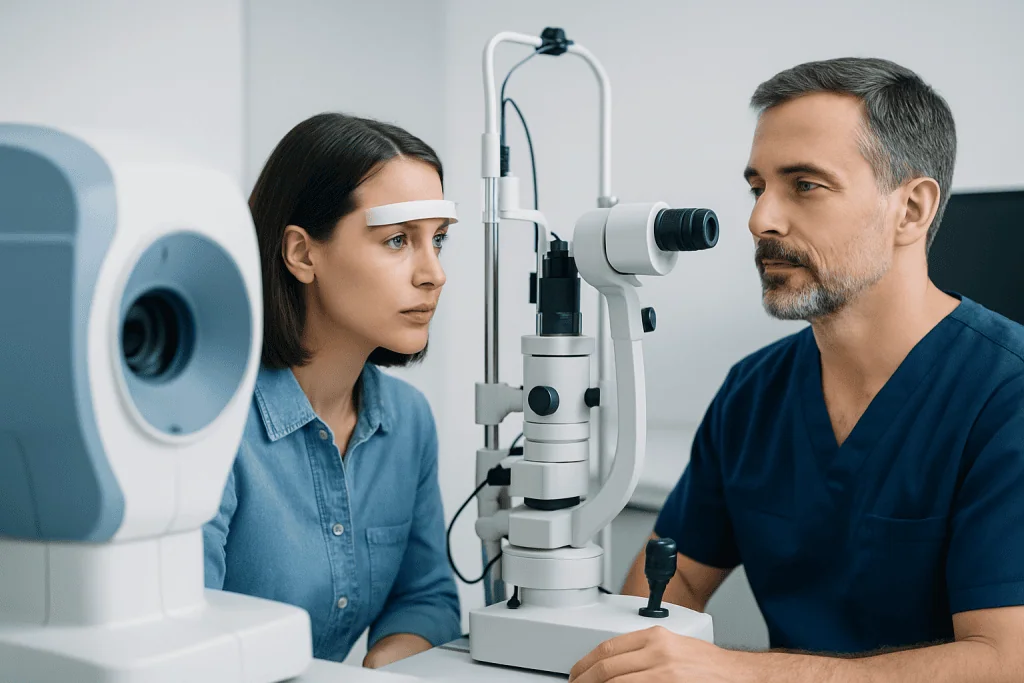
A general ophthalmologist is usually the first specialist seen for routine and non-routine eye concerns. This doctor is trained to diagnose, monitor, and treat a broad range of eye diseases and visual problems. They may also identify when symptoms do not fit a typical eye condition and require referral for more specialized care.
Common reasons to see a general ophthalmologist include blurred vision, eye pain, redness, cataracts, glaucoma screening, diabetic eye disease, eye injuries, floaters, and routine medical eye examinations. This specialist may also help evaluate glaucoma, retinal disease, corneal problems, and age-related eye changes.
General ophthalmologists commonly manage conditions such as:
- Refractive errors, including nearsightedness and farsightedness
- Cataracts
- Glaucoma
- Dry eye disease
- Conjunctivitis and other eye infections
- Retinal problems, including diabetic changes
- Eye trauma and foreign bodies
They may also provide or coordinate procedures such as cataract surgery, laser treatments, and medical management for chronic eye disease. If a routine eye examination shows optic nerve swelling, unusual visual field loss, or a mismatch between symptoms and eye findings, the ophthalmologist may refer the patient for neuro-ophthalmic evaluation.
What a Neuro-Ophthalmologist Treats
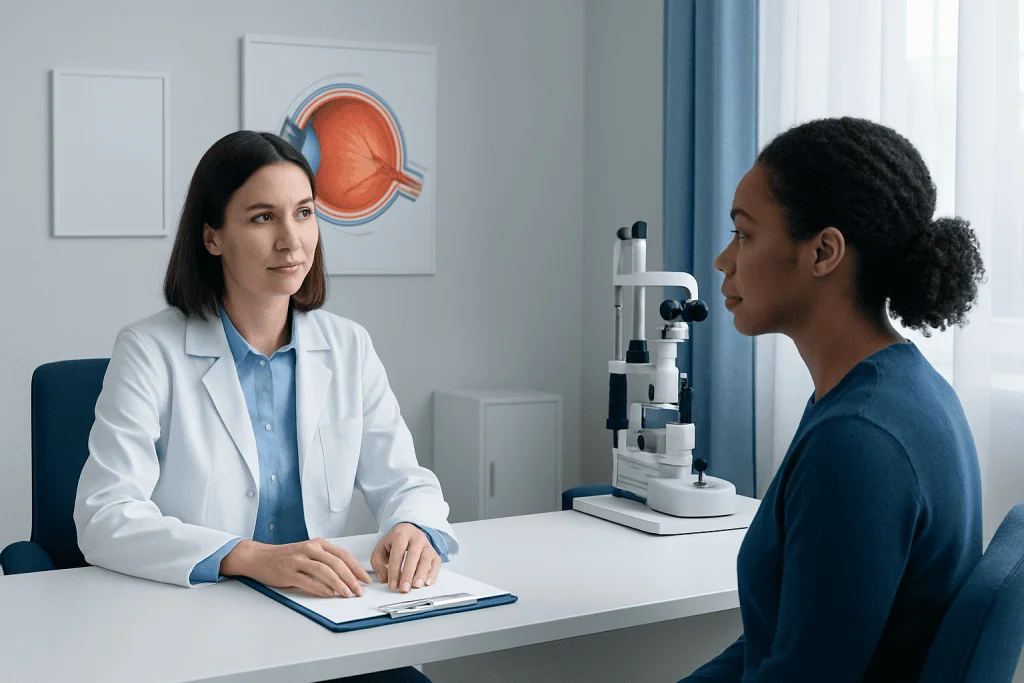
A neuro-ophthalmologist focuses on visual problems caused by disorders of the optic nerve, eye movement pathways, brain, and related nerves or muscles. These specialists often see patients whose symptoms are complex, unexplained, or involve both neurological and visual changes. Their role is especially important when the eyes may appear structurally healthy, but vision is still affected.
Typical issues seen in neuro-ophthalmology include sudden or progressive vision loss without an obvious eye cause, double vision, abnormal pupil reactions, drooping eyelids, unexplained visual field loss, optic neuritis, optic nerve swelling, and eye movement disorders. Patients with suspected multiple sclerosis, migraine-related visual symptoms, nerve palsies, or pressure-related conditions affecting the optic nerve may also need this expertise.
Neuro-ophthalmologists often evaluate conditions such as:
- Optic neuritis and other optic neuropathies
- Papilledema and raised intracranial pressure
- Cranial nerve palsies causing double vision
- Myasthenia gravis affecting the eyes
- Visual effects of stroke, tumors, or inflammation
- Nystagmus and abnormal eye movements
- Visual field defects linked to brain or nerve disease
Because these conditions may involve more than one body system, neuro-ophthalmologists often work closely with neurologists, neuroradiologists, neurosurgeons, internists, and other eye specialists. Their assessment helps determine whether testing such as visual fields, blood work, or brain imaging is needed, and whether treatment should be led by ophthalmology, neurology, or another specialty.
Symptoms That May Point to One Specialist or the Other
Some symptoms more strongly suggest an eye problem, while others raise concern for a nerve or brain-related issue. For example, redness, discharge, irritation, gradual cataract-related blurring, or a known history of chronic eye disease are often reasons to begin with a general ophthalmologist. These symptoms are commonly linked to the surface or internal structures of the eye.
By contrast, certain symptoms may point more toward neuro-ophthalmology. These include double vision, especially if it is new; one eyelid drooping; sudden unexplained vision loss; visual dimming with eye movement; unequal pupils; persistent visual field loss; or transient episodes of visual blackout. Visual symptoms that occur together with headache, weakness, numbness, balance problems, or other neurological changes also deserve careful evaluation.
Symptoms that may suggest neuro-ophthalmology input include:
- Double vision
- Unexplained loss of part of the visual field
- Sudden vision loss without redness or injury
- Painful vision changes, especially with eye movement
- Drooping eyelid or one pupil larger than the other
- Abnormal eye movements
- Visual symptoms with headaches or neurological signs
Not every case fits neatly into one category. A person may first see a general ophthalmologist for blurred vision and then be referred if the findings suggest optic nerve disease or a neurological cause. This stepwise approach is common and can be very helpful, since it ensures both eye-related and nerve-related causes are considered.
How Diagnosis and Testing Differ
Both specialists begin with a detailed history and eye examination, but their diagnostic emphasis may differ. A general ophthalmologist usually assesses visual acuity, eye pressure, the front and back of the eye, and the health of structures such as the cornea, lens, retina, and optic nerve. They may use slit-lamp examination, dilated fundus examination, retinal imaging, or optical coherence tomography when appropriate.
A neuro-ophthalmologist also performs a careful eye and vision examination, but often places particular attention on visual fields, color vision, pupil responses, eye alignment, eyelid position, and eye movements. The goal is to identify patterns that may indicate involvement of the optic nerve, cranial nerves, muscles, or visual pathways in the brain.
Depending on the findings, diagnostic testing may include formal visual field testing, blood tests, or imaging such as MRI scanning to assess the optic nerves and brain. In some cases, CT imaging, lumbar puncture, or referral for neurological assessment may be needed. A general ophthalmologist may also use a comprehensive eye examination as the first step to determine whether neuro-ophthalmology referral is necessary.
The most important point for patients is that testing is guided by symptoms and examination findings. Not everyone needs advanced imaging, and not every visual complaint indicates a neurological problem. A careful, methodical evaluation helps narrow the cause and avoid unnecessary worry.
Treatment and Ongoing Care
Treatment depends on the cause rather than the specialty title alone. General ophthalmologists treat many eye conditions directly with medications, monitoring, laser procedures, or surgery. For example, they may manage infections, dry eye, cataracts, glaucoma, or retinal disease, and may refer to subspecialists when advanced procedures are needed.
Neuro-ophthalmologists often guide diagnosis and coordinate care for underlying neurological or systemic causes. Treatment may involve medications to reduce inflammation, control immune-related disease, manage pressure affecting the optic nerve, or address migraine and nerve disorders. Some patients may also need neurology evaluation or care from other specialists depending on the diagnosis.
Conditions involving eye movement or nerve palsy may improve over time, need treatment of the underlying cause, or benefit from prism lenses, patching, or later surgical correction. If imaging or neurological findings suggest a structural problem, patients may be referred for neurosurgical care or other targeted management.
Follow-up is often an important part of treatment, especially when the goal is to monitor changes in vision, visual fields, optic nerve appearance, or eye alignment over time. In complex cases, a coordinated team approach can help ensure that both vision and overall neurological health are protected as much as possible.
How to Choose the Right Specialist
For many people, the most practical first step is to start with a general ophthalmologist, especially for common symptoms such as blurry vision, irritation, redness, routine eye checks, or known eye disease. This specialist can diagnose many problems directly and recognize when the pattern suggests a neuro-ophthalmic issue.
If symptoms are unusual, unexplained, or accompanied by neurological signs, referral to a neuro-ophthalmologist may be the better path. Examples include persistent double vision, sudden unexplained visual loss, visual field changes, optic nerve abnormalities, or visual complaints that do not match the findings of a routine eye exam.
Patients can prepare for either appointment by bringing a list of symptoms, when they began, whether they are constant or intermittent, any associated headaches or neurological symptoms, and a list of current medications and health conditions. Previous eye test results, imaging reports, or photos of intermittent eye misalignment may also be useful.
Near the end of the diagnostic journey, some patients seek care in centers where multiple specialties are available in one place. Acibadem International’s multidisciplinary specialists and JCI-accredited hospitals evaluate and treat neuro-ophthalmic and ophthalmic conditions for international patients when this coordinated approach is needed.
When to Seek Prompt Medical Attention
While many eye and vision concerns are not emergencies, some symptoms should be assessed promptly. Sudden vision loss, new double vision, severe eye pain, a curtain-like shadow in vision, flashes with many new floaters, or visual symptoms with weakness, confusion, speech difficulty, or severe headache should not be ignored. These symptoms can have different causes, some of which need urgent treatment.
Prompt care is also important if one pupil suddenly becomes different in size, a drooping eyelid appears suddenly, or vision changes occur after head injury. Children with new eye crossing, unusual head posture, or unexplained visual complaints should also be evaluated without unnecessary delay.
It is reasonable to contact an eye doctor, neurologist, emergency service, or local urgent care pathway depending on symptom severity and availability. If there is concern for stroke symptoms or a rapidly evolving neurological problem, emergency medical attention is especially important.
Early assessment does not always mean the cause is serious, but it does improve the chance of identifying the problem quickly and protecting vision. When patients are unsure which specialist to choose, seeking prompt initial medical advice is often the safest and most practical step.
Frequently asked questions
Should a patient see a neuro-ophthalmologist first or a general ophthalmologist?
In many cases, a general ophthalmologist is a good first step, especially for common eye symptoms or routine evaluation. If symptoms suggest a problem involving the optic nerve, eye movements, or brain, that doctor may recommend neuro-ophthalmology referral.
What symptoms usually require a neuro-ophthalmologist?
Double vision, unexplained vision loss, visual field defects, optic nerve swelling, drooping eyelid, or abnormal pupil responses often need neuro-ophthalmic assessment. Symptoms accompanied by headache or other neurological changes may also point in that direction.
Can a general ophthalmologist diagnose neurological causes of vision problems?
A general ophthalmologist can often recognize signs that suggest a neurological cause and begin the evaluation. However, a neuro-ophthalmologist has additional expertise in disorders affecting the optic nerve, eye movement pathways, and brain-related vision problems.
Do all patients with headaches and visual symptoms need neuro-ophthalmology?
Not always. Headaches and visual complaints are common and may have many causes, including migraine, refractive errors, or eye strain. A doctor will look at the full pattern of symptoms and exam findings to decide whether neuro-ophthalmology is needed.
Will a neuro-ophthalmologist perform eye surgery?
Neuro-ophthalmologists are usually focused on diagnosis and medical management rather than routine eye surgery. If surgery is needed, they often coordinate care with general ophthalmologists, strabismus specialists, neurosurgeons, or other relevant experts.
Can a patient need both specialists?
Yes. Some conditions affect both the eye and the nervous system, and both perspectives are valuable. Shared care can be especially helpful when symptoms are complex or when the diagnosis is not immediately clear.
References
- American Academy of Ophthalmology
- North American Neuro-Ophthalmology Society
- National Eye Institute
- National Institute of Neurological Disorders and Stroke
This article is for general information only and is not a substitute for professional medical advice. Please consult a qualified doctor about your individual situation.
General Ophthalmology in Turkey — costs, top hospitals & a free quote
JCI-accredited · board-certified surgeons · reply within 24h
Add us as a Preferred Source to see more of our trusted health content across Google Search, AI Overviews and Discover.

Ophthalmology
Comprehensive eye care from laser vision correction to retina, cornea and cataract surgery.
75 specialists in this unit