Neuroimmunology: Autoimmune Conditions Affecting the Nervous System
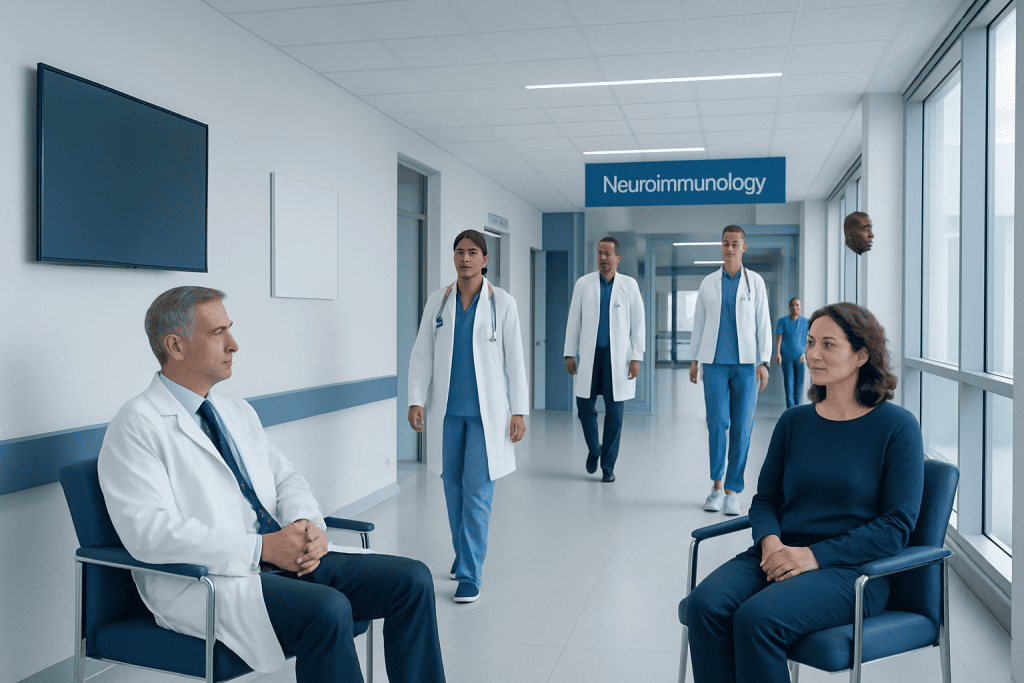
Neuroimmunology includes conditions such as multiple sclerosis, neuromyelitis optica spectrum disorder, MOG antibody disease, autoimmune encephalitis, myasthenia gravis, Guillain-Barré syndrome, and chronic inflammatory neuropathies. Symptoms vary widely and may include vision changes, weakness, numbness, balance problems, seizures, memory changes, fatigue, or difficulty swallowing or breathing.
Key Takeaways
- Neuroimmunology includes conditions such as multiple sclerosis, neuromyelitis optica spectrum disorder, MOG antibody disease, autoimmune encephalitis, myasthenia gravis, Guillain-Barré syndrome, and chronic inflammatory neuropathies.
- Symptoms vary widely and may include vision changes, weakness, numbness, balance problems, seizures, memory changes, fatigue, or difficulty swallowing or breathing.
- Diagnosis usually combines a neurological examination with MRI, blood tests, spinal fluid analysis, nerve and muscle studies, and sometimes specialized antibody testing.
- Treatment may include corticosteroids, intravenous immunoglobulin, plasma exchange, disease-modifying therapies, targeted immune treatments, rehabilitation, and symptom control.
- Urgent medical care is important for sudden weakness, new vision loss, seizures, confusion, severe headache with fever, or breathing and swallowing difficulties.
Neuroimmunology focuses on conditions in which the immune system mistakenly attacks the brain, spinal cord, nerves, or muscles. Early recognition, accurate testing, and individualized treatment can help control inflammation, reduce relapses, and protect neurological function.
Overview
Neuroimmunology is the field of medicine that studies how the immune system interacts with the nervous system. In a healthy body, the immune system helps defend against infections. In autoimmune or immune-mediated neurological conditions, immune cells or antibodies mistakenly target parts of the brain, spinal cord, optic nerves, peripheral nerves, neuromuscular junction, or muscles.
These conditions can be temporary, relapsing, or chronic. Some affect the central nervous system, such as multiple sclerosis, neuromyelitis optica spectrum disorder, MOG antibody-associated disease, and autoimmune encephalitis. Others affect the peripheral nerves or the connection between nerves and muscles, such as Guillain-Barré syndrome, chronic inflammatory demyelinating polyneuropathy, and myasthenia gravis.
The goal of neuroimmunology care is to identify the exact pattern of inflammation, treat active attacks promptly, reduce future relapses when possible, and support recovery. Because symptoms can resemble stroke, infection, migraine, epilepsy, psychiatric illness, or degenerative neurological disease, careful evaluation by experienced clinicians is essential.
Common Autoimmune Conditions Affecting the Nervous System
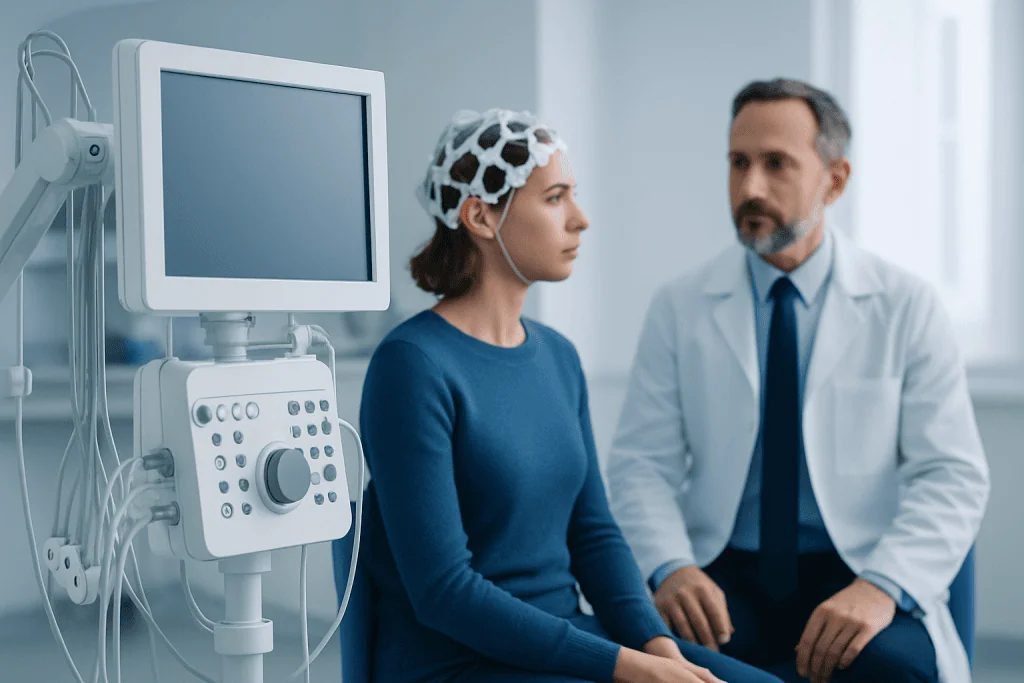
Multiple sclerosis, often called MS, is one of the best-known neuroimmunological conditions. It occurs when immune activity damages myelin, the protective covering around nerve fibers in the brain and spinal cord. MS can cause relapses of neurological symptoms, gradual progression, or both, depending on the individual pattern.
Neuromyelitis optica spectrum disorder, or NMOSD, often affects the optic nerves and spinal cord and is commonly associated with aquaporin-4 antibodies. MOG antibody-associated disease, known as MOGAD, can also cause optic neuritis, spinal cord inflammation, or brain inflammation. These conditions may look similar to MS at first, but they require different treatment strategies.
Autoimmune encephalitis affects brain tissue and can cause memory problems, seizures, movement changes, sleep disturbance, psychiatric symptoms, or altered consciousness. Myasthenia gravis affects communication between nerves and muscles, leading to fluctuating weakness, drooping eyelids, double vision, or swallowing difficulty. Immune-mediated neuropathies, including Guillain-Barré syndrome and chronic inflammatory demyelinating polyneuropathy, affect peripheral nerves and may cause weakness, numbness, pain, or changes in reflexes.
Symptoms and Warning Signs
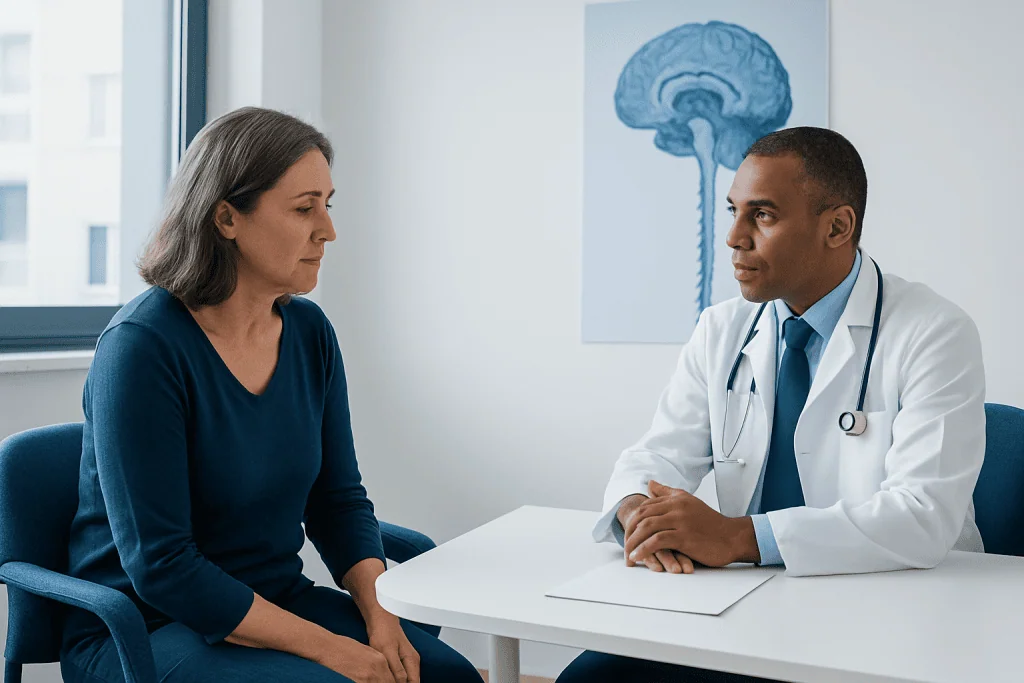
Symptoms depend on the part of the nervous system involved and the speed of inflammation. Some people develop symptoms over hours or days, while others notice changes over weeks or months. Relapsing conditions may cause symptoms that improve and then return, sometimes in a different form.
Common symptoms may include blurred or painful vision, double vision, numbness, tingling, limb weakness, poor coordination, dizziness, walking difficulty, bladder or bowel changes, severe fatigue, tremor, facial weakness, or nerve pain. When the brain is inflamed, symptoms may include confusion, memory loss, personality changes, hallucinations, seizures, abnormal movements, or reduced alertness.
Peripheral nerve and neuromuscular conditions can produce a different pattern. A person may notice difficulty climbing stairs, rising from a chair, lifting the arms, holding objects, speaking clearly, swallowing, or keeping the eyes open. Some symptoms, especially breathing difficulty, rapidly worsening weakness, or sudden vision loss, require urgent assessment.
Causes and Risk Factors
Most autoimmune neurological conditions do not have a single cause. They usually develop through a combination of genetic susceptibility, immune system changes, environmental triggers, infections, hormonal factors, and other influences that are still being studied. Having a family history of autoimmune disease may increase risk for some people, but many patients have no family history at all.
In some cases, an infection can trigger an abnormal immune response. Guillain-Barré syndrome, for example, may occur after certain respiratory or gastrointestinal infections. Autoimmune encephalitis may be associated with antibodies that target neuronal proteins, and in a smaller group of patients it can occur in relation to an underlying tumor. This is one reason why diagnosis sometimes includes screening beyond the nervous system.
Risk factors differ by condition. MS is more common in certain geographic regions and is influenced by factors such as vitamin D status, smoking, and prior Epstein-Barr virus infection. NMOSD and MOGAD have different immune markers and clinical patterns. Because the causes vary, patients benefit from a diagnosis that is specific rather than a broad label of inflammation.
Diagnosis
Diagnosis begins with a detailed medical history and neurological examination. The clinician asks when symptoms started, how they changed, whether similar episodes occurred before, and whether there were recent infections, vaccinations, travel, medications, cancer history, or other autoimmune conditions. The examination checks vision, eye movements, strength, sensation, reflexes, coordination, walking, cognition, and cranial nerve function.
MRI is central in many neuroimmunological evaluations because it can show inflammation, demyelination, optic nerve involvement, spinal cord lesions, or brain changes. Specialized neuroradiology assessment helps interpret patterns that may distinguish MS from NMOSD, MOGAD, infection, vascular disease, or tumors. In some patients, CT, ultrasound, or whole-body imaging may be used to look for associated conditions.
Blood tests may check inflammation markers, vitamin levels, infections, autoimmune antibodies, aquaporin-4 antibodies, MOG antibodies, or antibodies linked to autoimmune encephalitis and myasthenia gravis. A lumbar puncture may be performed to analyze cerebrospinal fluid for immune activity, infection, or other clues. Electromyography, nerve conduction studies, evoked potentials, and other neurophysiology tests can help assess peripheral nerves, muscles, optic pathways, and spinal cord pathways.
Treatment Options
Treatment depends on the diagnosis, severity, timing, and whether the goal is to treat an acute attack, prevent future relapses, or manage long-term symptoms. During an active inflammatory episode, doctors may use high-dose corticosteroids to reduce inflammation. Intravenous immunoglobulin or plasma exchange may be recommended for certain conditions, especially when symptoms are severe or do not respond adequately to first-line treatment.
Long-term treatment is highly condition-specific. MS has several disease-modifying therapies designed to reduce relapses and slow new inflammatory activity. NMOSD, MOGAD, myasthenia gravis, autoimmune encephalitis, and chronic inflammatory neuropathies may require targeted immune therapies, immunosuppressive medicines, antibody-directed treatments, or periodic intravenous treatments. The choice depends on benefits, risks, age, pregnancy plans, infection risk, other illnesses, and patient preference.
Symptom management is also important. Patients may need medicines or therapies for pain, spasticity, bladder symptoms, fatigue, sleep problems, mood changes, tremor, or seizures. Vision-related inflammation may require collaboration with neuro-ophthalmology specialists, while peripheral nerve symptoms may involve care pathways for peripheral neuropathy. Rehabilitation, physical therapy, occupational therapy, speech and swallowing therapy, and cognitive support can help people regain function and adapt safely.
Prevention, Self-Care, and Living Well
Not all autoimmune neurological conditions can be prevented, but many relapses and complications can be reduced with consistent medical follow-up. Patients should take prescribed treatments as directed, attend monitoring visits, and report new neurological symptoms early. Stopping immune therapy suddenly without medical guidance can increase the risk of relapse in some conditions.
Healthy daily habits support the nervous system and overall recovery. These include regular sleep, balanced nutrition, hydration, appropriate physical activity, smoking cessation, stress management, and infection prevention. Vaccination planning may be important for people taking immune-suppressing medicines, and timing should be discussed with the treating physician.
People living with chronic neuroimmunological disease may benefit from pacing strategies, energy conservation, fall prevention, assistive devices when needed, and psychological support. Family education can also help loved ones understand invisible symptoms such as fatigue, cognitive changes, pain, or sensory disturbance. International patients may seek coordinated assessment at centers such as Acibadem International, where multidisciplinary specialists and JCI-accredited hospitals diagnose and treat neurological immune conditions.
When to See a Doctor
A medical appointment is recommended for new or recurring neurological symptoms such as numbness, weakness, balance problems, vision changes, unusual fatigue, nerve pain, tremor, memory changes, or bladder symptoms. Even if symptoms improve, they may provide important clues to an underlying relapsing condition. Early assessment can help prevent diagnostic delays and guide appropriate monitoring.
Urgent care is needed for sudden or rapidly worsening weakness, difficulty breathing, trouble swallowing, new seizures, severe confusion, loss of consciousness, sudden vision loss, severe headache with fever or stiff neck, or new neurological symptoms after infection. These symptoms do not always mean a serious autoimmune disease is present, but they should be evaluated promptly.
Patients already diagnosed with a neuroimmunological condition should contact their care team if symptoms are new, clearly worse, last longer than expected, or occur with fever or infection. Doctors can help determine whether the symptoms represent a relapse, medication side effect, infection-related worsening, or another neurological problem.
Frequently asked questions
What is neuroimmunology?
Neuroimmunology is the medical field that focuses on interactions between the immune system and the nervous system. It includes autoimmune and inflammatory conditions affecting the brain, spinal cord, optic nerves, peripheral nerves, muscles, or neuromuscular junction.
Are neuroimmunological diseases the same as multiple sclerosis?
Multiple sclerosis is one important neuroimmunological disease, but it is not the only one. Other conditions include neuromyelitis optica spectrum disorder, MOG antibody-associated disease, autoimmune encephalitis, myasthenia gravis, Guillain-Barré syndrome, and chronic inflammatory demyelinating polyneuropathy.
Can autoimmune nervous system diseases be treated?
Many autoimmune nervous system diseases can be treated, and some can be well controlled over time. Treatment may reduce inflammation, shorten attacks, lower relapse risk, and support recovery, but the best approach depends on the exact diagnosis and the person’s overall health.
How do doctors test for autoimmune neurological conditions?
Testing often includes a neurological examination, MRI, blood tests, and sometimes cerebrospinal fluid analysis through lumbar puncture. Nerve conduction studies, electromyography, evoked potentials, EEG, or antibody tests may also be used depending on the symptoms.
Do all patients need long-term immune treatment?
Not always. Some conditions are one-time or short-term, while others have a relapsing or chronic course and may require ongoing treatment. A neurologist weighs relapse risk, test results, symptom severity, and treatment risks before recommending long-term therapy.
When are symptoms an emergency?
Emergency evaluation is important for sudden weakness, breathing difficulty, trouble swallowing, new seizures, severe confusion, loss of consciousness, or sudden vision loss. Rapidly worsening symptoms should also be assessed urgently, especially after a recent infection.
References
- National Institute of Neurological Disorders and Stroke
- American Academy of Neurology
- European Academy of Neurology
- National Multiple Sclerosis Society
- Mayo Clinic
This article is for general information only and is not a substitute for professional medical advice. Please consult a qualified doctor about your individual situation.
Neuroimmunology in Turkey — costs, top hospitals & a free quote
JCI-accredited · board-certified surgeons · reply within 24h

Related Treatments
Related Conditions
More from the Health Library



Related Specialists

Prof. Dr. Ayşe Sağduyu Kocaman
Neurology
Prof. Dr. Mehmet Zafer Berkman
Neurosurgery
Prof. Dr. Pınar Yalınay Dikmen
Neurology
Prof. Dr. Elif Ilgaz Aydınlar
Neurology