No-Touch Vein Harvesting in CABG: Potential Benefits and Limitations

No-touch vein harvesting aims to preserve the natural structure and blood supply around the saphenous vein used for CABG. Studies suggest the technique may improve long-term vein graft patency compared with conventional vein harvesting in selected patients.
Key Takeaways
- No-touch vein harvesting aims to preserve the natural structure and blood supply around the saphenous vein used for CABG.
- Studies suggest the technique may improve long-term vein graft patency compared with conventional vein harvesting in selected patients.
- The main limitation is a higher chance of leg wound complications, especially in people with diabetes, obesity, or poor circulation.
- The choice of graft and harvesting method depends on coronary anatomy, leg vein quality, surgical expertise, and overall health.
- Patients should discuss the expected benefits, wound care plan, and alternatives with their cardiac surgery team.
No-touch vein harvesting is a technique used during coronary artery bypass grafting to remove the saphenous vein with surrounding tissue and minimal handling. It may help protect the vein graft, but it is not suitable for every patient and must be balanced against leg wound risks.
Overview
Coronary artery bypass grafting, often called CABG, is an operation used to improve blood flow to the heart when coronary arteries are significantly narrowed or blocked. During coronary artery bypass surgery, the surgeon creates new routes for blood to reach the heart muscle by using blood vessels from the chest, arm, or leg. One of the most common grafts is the great saphenous vein, a long vein that runs along the inner side of the leg.
No-touch vein harvesting is a specific way of preparing the saphenous vein for use as a bypass graft. Instead of stripping the vein away from its surrounding tissue, the surgeon removes it with a cushion of nearby fat and connective tissue. The vein is handled as little as possible, and forceful stretching or high-pressure flushing is avoided whenever feasible.
The purpose of this approach is to protect the delicate inner lining of the vein, known as the endothelium, and to preserve small blood vessels around the vein wall. These features may help the graft function more naturally after it is connected to the coronary circulation. However, no-touch harvesting is not automatically the best option for every patient, and the potential benefits must be weighed against leg healing and infection risks.
How No-Touch Vein Harvesting Is Performed
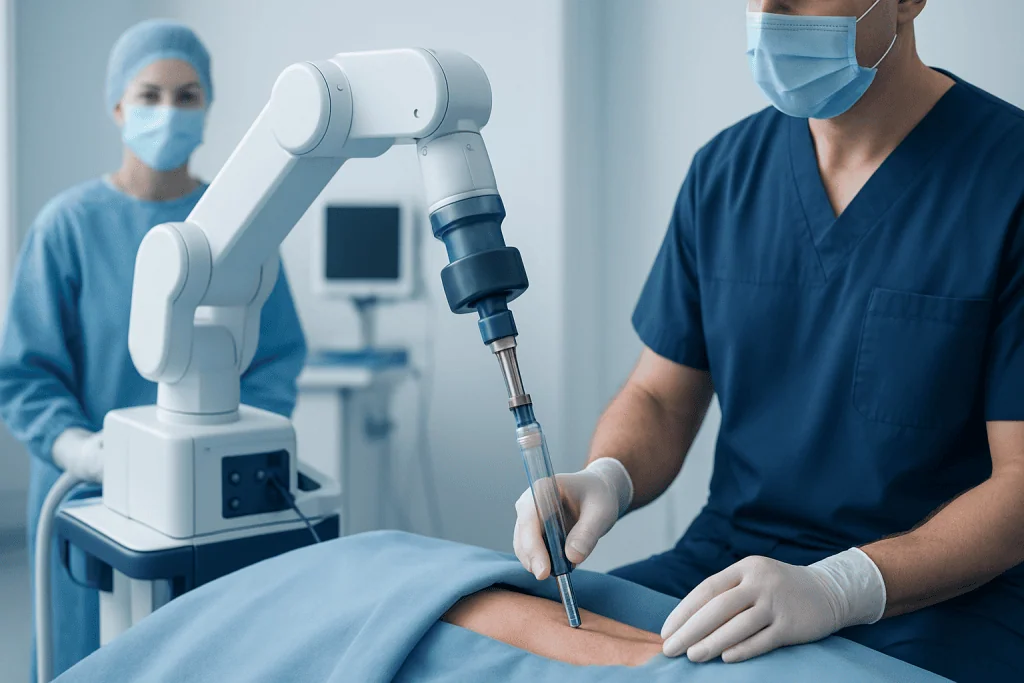
In conventional open vein harvesting, the saphenous vein is usually separated from surrounding tissues, and side branches are tied or clipped. The vein may then be gently flushed to check for leaks and prepare it for grafting. In no-touch harvesting, the key difference is that the vein is removed with a layer of surrounding tissue, often described as a pedicle. This helps avoid direct squeezing or stretching of the vein wall.
The surgical incision is typically made along the leg over the course of the vein. The surgeon carefully identifies the vein and removes it together with its surrounding tissue, while managing small branches and bleeding points. The goal is to keep the vein relaxed, avoid unnecessary trauma, and preserve the structures that support normal vessel function.
No-touch harvesting is usually an open technique, although modifications may vary between centers. It requires familiarity with both the anatomy of the leg and the principles of graft preservation. The harvested vein is then assessed for quality before it is used to bypass blocked coronary arteries during heart bypass surgery.
Potential Benefits for Bypass Grafts

The main reason surgeons consider no-touch vein harvesting is graft durability. The inner lining of a vein produces substances that help regulate blood vessel tone, reduce clot formation, and limit inflammation. When this lining is injured during harvesting, the graft may be more prone to narrowing over time. By reducing handling and preserving the vein’s outer support, the no-touch method aims to keep the graft healthier.
Research comparing harvesting techniques has suggested that no-touch saphenous vein grafts may have better patency, meaning they are more likely to remain open, than conventionally harvested vein grafts in selected patients. Some studies have reported long-term results that approach those of certain arterial grafts. These findings are encouraging, but results can vary depending on patient characteristics, surgical technique, postoperative medication, and follow-up methods.
Possible advantages of no-touch harvesting include:
- Less direct injury to the vein wall and endothelium.
- Preservation of small blood vessels that nourish the vein wall.
- Better natural support around the graft, which may reduce spasm or overexpansion.
- Potentially improved long-term graft openness in suitable patients.
It is important to understand that a graft’s success is never determined by harvesting technique alone. Long-term outcomes also depend on the severity of coronary artery disease, blood pressure, cholesterol control, diabetes management, smoking status, and consistent use of prescribed medicines such as antiplatelet and lipid-lowering therapy.
Limitations and Possible Risks
The most discussed limitation of no-touch vein harvesting is the leg wound. Because more surrounding tissue is removed with the vein and the incision may be longer, some patients may have a higher risk of wound drainage, delayed healing, skin edge problems, infection, or discomfort. These issues are usually manageable, but they can affect recovery and may require extra dressing care or medical follow-up.
Risk is not the same for every person. Patients with diabetes, obesity, reduced blood flow to the legs, smoking history, kidney disease, or fragile skin may be more vulnerable to wound complications. A previous leg surgery, varicose vein treatment, or poor-quality saphenous vein may also influence whether the technique is advisable.
No-touch harvesting also takes surgical judgment and experience. It may not be ideal if the vein is very small, heavily diseased, varicose, or difficult to access safely. In some operations, the surgeon may prefer an arterial graft, a conventional saphenous vein graft, or an endoscopic vein harvesting technique to reduce leg incision size. The final choice is individualized and may change during surgery if the graft quality or anatomy is different from expected.
Who May Be a Candidate?
No-touch vein harvesting may be considered for patients undergoing CABG when the saphenous vein is planned as one of the bypass conduits and the leg tissue is expected to heal well. It can be especially relevant when long-term graft durability is a major concern and when the patient’s vein anatomy appears suitable. Preoperative assessment may include physical examination of the legs and, in some cases, ultrasound mapping of the saphenous vein.
The decision is usually made by the cardiac surgeon after reviewing coronary angiography, overall heart function, other medical conditions, and available graft options. Many CABG operations use a combination of conduits, such as the internal mammary artery and the saphenous vein. The surgeon’s priority is to choose grafts that provide safe and durable blood flow for the patient’s specific coronary anatomy.
Patients can ask their care team practical questions before surgery, such as whether the saphenous vein is likely to be used, how it may be harvested, what wound risks apply to them, and how leg healing will be monitored. A shared decision-making discussion is most useful when it includes both heart-related benefits and leg-related recovery considerations.
Recovery and Leg Wound Care
Recovery after CABG includes both chest recovery and care of any graft-harvesting site. After no-touch vein harvesting, the leg incision should be kept clean and protected according to the surgical team’s instructions. Mild swelling, bruising, or tightness can occur after vein removal, but symptoms should gradually improve as healing progresses.
General self-care steps may include elevating the leg when resting, walking as advised to support circulation, avoiding smoking, controlling blood glucose if the patient has diabetes, and taking prescribed medications exactly as directed. Compression stockings or specific dressings may be recommended for some patients, but these should only be used according to medical advice, especially when circulation problems are present.
Cardiac recovery is broader than wound care. A supervised program such as cardiac rehabilitation can help patients rebuild strength, improve exercise confidence, and learn heart-protective habits after bypass surgery. Rehabilitation plans are tailored to the person’s condition, surgical recovery, and risk factors.
Questions to Discuss With the Surgeon
Patients preparing for CABG do not need to know every technical detail, but it is reasonable to understand how grafts will be selected. A calm discussion with the surgeon can clarify whether no-touch vein harvesting is being considered and why. The answer may depend on local expertise, the patient’s leg anatomy, and the balance between graft patency and wound healing.
Useful questions include:
- Which grafts are planned for the bypass operation?
- Is the saphenous vein suitable for no-touch harvesting?
- What is the patient’s personal risk of leg wound complications?
- Are there alternatives, such as arterial grafts, conventional open harvesting, or endoscopic vein harvesting?
- How will the leg wound be cared for after surgery?
For international patients, Acibadem International’s multidisciplinary cardiac teams and JCI-accredited hospitals can evaluate coronary artery disease and provide CABG care, including discussion of graft choices when appropriate. Patients should bring previous angiograms, medication lists, and medical reports to support safe planning.
When to Seek Medical Advice After Surgery
After discharge, patients should follow the contact instructions provided by their surgical team. They should seek medical advice if the leg incision becomes increasingly red, warm, swollen, painful, or begins to drain fluid, or if the wound edges separate. Fever, chills, sudden worsening of leg swelling, or new calf pain should also be reported promptly.
Urgent medical help is needed for chest pain that is new or severe, shortness of breath at rest, fainting, sudden weakness, confusion, or symptoms that feel similar to a heart attack. These symptoms do not necessarily mean the bypass has failed, but they require immediate assessment. Early communication with the care team helps problems be managed before they become more difficult.
Long-term follow-up remains important even when recovery is smooth. CABG treats blocked arteries by improving blood flow, but it does not remove the underlying tendency toward atherosclerosis. Ongoing care usually includes heart-healthy eating, regular activity, blood pressure and cholesterol management, diabetes control when relevant, and not smoking.
Frequently asked questions
What does no-touch vein harvesting mean?
No-touch vein harvesting means the saphenous vein is removed with a layer of surrounding tissue and with minimal direct handling. The technique aims to protect the vein wall and its inner lining before it is used as a bypass graft.
Is no-touch vein harvesting better than conventional harvesting?
It may offer better graft patency in selected patients, according to several studies. However, it can also increase the risk of leg wound problems, so it is not automatically better for everyone. The best approach depends on the patient’s anatomy, risk factors, and the surgeon’s assessment.
Does no-touch harvesting make CABG surgery more dangerous?
The harvesting method is only one part of CABG surgery. No-touch harvesting is generally used by trained surgical teams when they believe the benefits may outweigh the risks. The main added concern is usually leg wound healing rather than the heart bypass itself.
Who should be cautious about no-touch vein harvesting?
Patients with diabetes, obesity, poor circulation in the legs, kidney disease, smoking history, or fragile skin may have a higher risk of wound complications. These factors do not always rule out the technique, but they should be discussed carefully before surgery.
Will the leg work normally after the saphenous vein is removed?
Most people can walk and use the leg normally after healing because other veins carry blood back from the leg. Temporary swelling, bruising, or tightness can occur. Following the care team’s instructions on walking, elevation, and wound care helps support recovery.
Can patients request no-touch vein harvesting for their CABG?
Patients can ask whether it is suitable for them, but the final decision should be made with the cardiac surgeon. The surgeon will consider the quality of the vein, coronary targets, wound risk, and available alternatives.
References
- European Society of Cardiology
- American Heart Association
- Society of Thoracic Surgeons
- National Institute for Health and Care Excellence
- Cochrane Library
This article is for general information only and is not a substitute for professional medical advice. Please consult a qualified doctor about your individual situation.
Heart care in Turkey — expert evaluation and treatment
JCI-accredited · board-certified surgeons · reply within 24h
Add us as a Preferred Source to see more of our trusted health content across Google Search, AI Overviews and Discover.
Check your numbers in seconds
BMI, calories, due date, blood pressure and 30+ more clinical calculators — free, instant, doctor-reviewed ranges.

Cardiology Department
Diagnosis and treatment of heart and vascular conditions, from prevention to advanced interventional procedures.
91 specialists in this unit