Obesity Prevention and Self-Care: When Lifestyle Changes Are Not Enough

Obesity is a complex, chronic health condition influenced by biology, environment, behavior, and mental health. Healthy routines can lower risk and support weight management, but lifestyle change alone is not always enough.
Key Takeaways
- Obesity is a complex, chronic health condition influenced by biology, environment, behavior, and mental health.
- Healthy routines can lower risk and support weight management, but lifestyle change alone is not always enough.
- Medical assessment may look for related conditions, complications, and individualized treatment choices.
- Treatment can include nutrition therapy, physical activity plans, behavioral support, medicines, and bariatric procedures.
- Early support may improve health outcomes and reduce the risk of diabetes, heart disease, sleep apnea, and joint problems.
Obesity prevention and self-care usually begin with sustainable lifestyle habits such as balanced eating, regular movement, good sleep, and stress management. When these steps do not lead to enough improvement, medical evaluation can help identify causes, health risks, and treatment options.
Overview: Understanding Obesity Beyond Willpower
Obesity is a chronic health condition in which excess body fat can raise the risk of other medical problems. It is not simply a matter of personal choice or willpower. Weight is influenced by many factors, including genetics, hormones, medications, emotional health, sleep, physical activity, eating patterns, and the environment a person lives in.
Prevention and self-care are important for people of all ages. They focus on everyday habits that support long-term health, such as regular meals, nutritious food choices, movement, stress management, and enough sleep. These habits can help reduce weight gain, improve energy levels, and lower the chance of complications even when weight loss is gradual.
At the same time, lifestyle changes do not work the same way for everyone. Some people have strong biological or medical factors that make weight loss difficult to achieve or maintain. In those situations, a healthcare professional may recommend a broader treatment plan for morbid obesity or obesity-related health risks.
Symptoms and Health Effects of Obesity
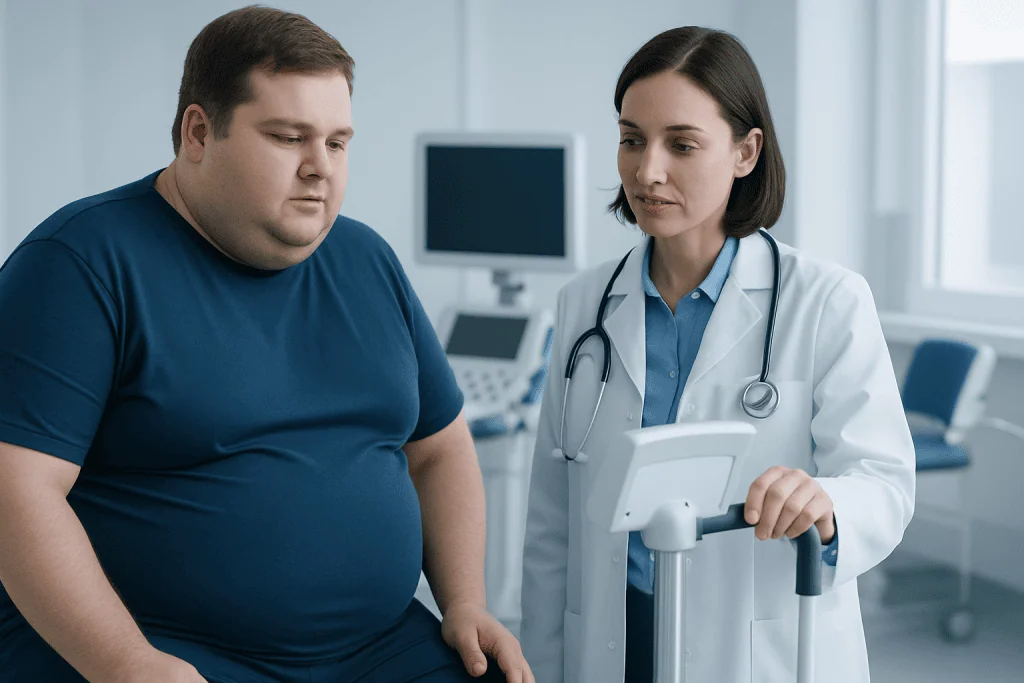
Obesity itself may not always cause noticeable symptoms at first, but it can affect daily comfort and overall health. Some people experience shortness of breath with activity, fatigue, reduced stamina, back pain, joint pain, sweating, snoring, or difficulty sleeping. Others notice limits in mobility or find that everyday activities become more tiring.
More importantly, obesity can increase the risk of several long-term conditions. These include type 2 diabetes, high blood pressure, high cholesterol, fatty liver disease, heart disease, stroke, sleep apnea, osteoarthritis, and fertility problems. It can also affect mental well-being, including self-esteem, anxiety, and depression.
Carrying excess weight around the abdomen may be especially linked with metabolic and cardiovascular risk. A medical assessment often looks beyond the number on the scale and considers waist size, blood pressure, blood sugar, cholesterol levels, sleep quality, and any symptoms that suggest complications.
- Breathlessness during activity
- Snoring or poor sleep
- Joint, knee, hip, or back discomfort
- Low energy and reduced mobility
- Weight-related emotional distress
Causes and Risk Factors

Obesity develops when the body stores more energy than it uses over time, but the reasons behind that imbalance are often complex. Family history can affect appetite regulation, metabolism, and where the body stores fat. Hormonal changes, some chronic illnesses, and certain medications can also contribute to weight gain.
Daily routines matter as well. Eating patterns that rely heavily on ultra-processed foods, sugar-sweetened drinks, large portion sizes, frequent takeout meals, or irregular meal timing may increase the risk. Limited physical activity, long periods of sitting, poor sleep, chronic stress, and emotional eating can make prevention and weight control harder.
Social and environmental factors are equally important. Not everyone has the same access to safe spaces for exercise, affordable healthy foods, or time for meal planning. For many people, obesity reflects a combination of biology and life circumstances rather than a single cause. This is why treatment plans should be personalized rather than judgmental.
Sometimes doctors also look for less obvious contributors, such as thyroid disorders, Cushing syndrome, depression, binge eating, or medication side effects. Identifying these factors can help guide a more effective and realistic plan.
Diagnosis and Medical Evaluation
Diagnosis usually starts with a review of medical history, weight history, current symptoms, medications, lifestyle habits, and family background. Doctors often calculate body mass index, or BMI, as one screening tool, but they do not rely on it alone. Waist circumference, body fat distribution, and obesity-related conditions are also important.
A physical examination may be followed by blood tests to assess blood sugar, cholesterol, liver function, and thyroid function when appropriate. If someone snores, feels sleepy in the daytime, or stops breathing during sleep, the doctor may evaluate for sleep apnea. Joint pain, reflux, menstrual changes, or fertility concerns may also be assessed as part of the broader picture.
The goal of evaluation is not only to confirm obesity, but also to understand why it is happening and how it is affecting health. This helps shape a treatment plan that fits the individual. For some, lifestyle support is the main step; for others, medical treatment may be needed alongside it.
Healthcare teams may also assess eating behaviors, mental health, and readiness for change. This can be especially helpful because lasting weight management usually depends on both physical and emotional support.
Treatment Options When Lifestyle Changes Are Not Enough
Lifestyle changes remain the foundation of care, but they are not the only treatment. If healthy eating, increased activity, and self-care have not led to enough improvement, a doctor may recommend a structured weight-management program. This might include guidance from a dietitian, supervised exercise advice, behavioral therapy, and regular follow-up to set realistic goals and track progress.
For some people, prescription weight-loss medicines may be considered. These medications work in different ways, such as helping reduce appetite or improving fullness, and they are typically used together with lifestyle support rather than as a replacement. A doctor will consider overall health, possible side effects, other medications, and whether obesity-related conditions are present.
In people with severe obesity or significant health complications, bariatric procedures may offer the most effective long-term results. Options may include bariatric surgery, gastric sleeve surgery, gastric bypass, or gastric balloon treatment in carefully selected cases. These treatments work best when paired with long-term nutritional monitoring, physical activity, and psychological support.
The right approach depends on individual needs, health risks, previous weight-loss efforts, and personal preferences. A respectful, multidisciplinary plan often gives the best chance of meaningful and sustainable health improvement.
Prevention and Self-Care Strategies
Obesity prevention and self-care are most effective when they focus on habits that can be maintained over time. Extreme diets and intense short-term plans often lead to frustration. A steadier approach may include building meals around vegetables, fruits, whole grains, legumes, lean protein, and healthy fats while reducing frequent intake of sugary drinks, highly processed snacks, and oversized portions.
Physical activity should be realistic and safe. Regular walking, cycling, swimming, resistance exercises, or home-based movement can all help. For many people, starting small is more sustainable than trying to do too much at once. Daily movement also supports heart health, mood, sleep, and blood sugar control, even before major weight loss occurs.
Sleep and stress deserve attention because both can affect hunger, cravings, and energy balance. Consistent sleep schedules, screen-free wind-down routines, and stress-relief practices such as mindfulness, breathing exercises, or counseling may be helpful. Keeping a food, mood, and activity journal can also reveal patterns and support gradual change.
- Plan meals and snacks to avoid long gaps without eating
- Choose water more often than sweetened drinks
- Increase daily movement in manageable steps
- Set sleep routines and aim for regular bedtimes
- Seek support from family, a doctor, or a dietitian
When to See a Doctor
It is a good idea to seek medical advice if weight gain is rapid, if repeated lifestyle efforts have not worked, or if obesity is affecting physical or emotional well-being. A doctor should also be consulted when symptoms such as loud snoring, daytime sleepiness, chest discomfort, rising blood pressure, joint pain, menstrual changes, or high blood sugar are present.
People do not need to wait until obesity becomes severe before asking for help. Early support can identify medical causes, reduce the risk of complications, and make treatment more effective. This is especially important for those with a family history of diabetes, cardiovascular disease, or severe obesity.
If a person is considering a procedural option, a specialist evaluation can clarify which treatments are appropriate and what preparation is needed. Near the end of the care pathway, some patients may benefit from assessment at experienced centers; Acibadem International’s multidisciplinary specialists and JCI-accredited hospitals diagnose and treat obesity for international patients using individualized plans.
Seeking help is not a sign of failure. Obesity care is most effective when it is approached as long-term health support rather than a short-term attempt to lose weight quickly.
Frequently asked questions
Can obesity be prevented completely?
Obesity cannot always be prevented completely because genetics, hormones, medications, and life circumstances all play a role. However, healthy eating, regular physical activity, enough sleep, and early support can reduce risk and improve overall health.
Why do lifestyle changes work for some people but not others?
People respond differently because body weight is influenced by metabolism, hormones, appetite signals, mental health, sleep, medications, and family history. This means two people can follow similar habits but have different results, which is why individualized medical guidance can be helpful.
When is obesity considered serious enough for medical treatment?
Medical treatment may be considered when excess weight is linked with health problems such as diabetes, high blood pressure, sleep apnea, or joint disease, or when sustained lifestyle efforts have not been enough. A doctor will assess weight-related risk, symptoms, and overall health rather than looking at weight alone.
Are weight-loss medications safe?
Prescription weight-loss medications can be safe and useful for some people when chosen carefully by a qualified doctor. They are not right for everyone, and they work best as part of a broader plan that includes nutrition, activity, and follow-up.
Is bariatric surgery only for extreme cases?
Bariatric surgery is usually considered for people with severe obesity or obesity-related medical conditions when other treatments have not provided enough benefit. The decision is individualized and includes discussion of health status, expected benefits, possible risks, and the person’s readiness for long-term follow-up.
What is the best self-care step to start with?
The best first step is usually one small, sustainable change rather than a major overhaul. Examples include replacing sugary drinks with water, walking daily, improving sleep habits, or planning balanced meals, then building gradually from there.
References
- World Health Organization
- Centers for Disease Control and Prevention
- National Institute of Diabetes and Digestive and Kidney Diseases
- American Heart Association
- American Society for Metabolic and Bariatric Surgery
This article is for general information only and is not a substitute for professional medical advice. Please consult a qualified doctor about your individual situation.
Obesity in Turkey — costs, top hospitals & a free quote
JCI-accredited · board-certified surgeons · reply within 24h
Add us as a Preferred Source to see more of our trusted health content across Google Search, AI Overviews and Discover.
Check your numbers in seconds
BMI, calories, due date, blood pressure and 30+ more clinical calculators — free, instant, doctor-reviewed ranges.