Obesity Symptoms and Warning Signs: When Weight Gain Needs Medical Review

Obesity symptoms may include increasing waist size, shortness of breath, fatigue, joint pain, and sleep difficulties. A medical review is important when weight gain is rapid, unexplained, or linked with other symptoms such as swelling, menstrual changes, or snoring.
Key Takeaways
- Obesity symptoms may include increasing waist size, shortness of breath, fatigue, joint pain, and sleep difficulties.
- A medical review is important when weight gain is rapid, unexplained, or linked with other symptoms such as swelling, menstrual changes, or snoring.
- Doctors assess obesity using body mass index, waist measurement, medical history, and screening for related conditions.
- Treatment may involve nutrition changes, physical activity, behavioral support, medicines, and in some cases bariatric procedures.
- Early evaluation can help identify underlying causes and reduce the risk of diabetes, heart disease, and other complications.
Obesity symptoms are not limited to body weight alone. They can include physical discomfort, reduced fitness, sleep problems, and health conditions linked to excess body fat, especially when weight gain is rapid or unexplained.
Overview: what obesity symptoms can look like
Obesity is a long-term medical condition in which excess body fat can affect health. Many people think of it only as a number on the scale, but obesity symptoms often show up in everyday life before a diagnosis is made. Clothes may feel tighter, movement may become harder, and energy levels may drop over time.
Not everyone with obesity experiences the same warning signs. Some people notice gradual weight gain over years, while others develop symptoms such as breathlessness, poor sleep, or joint discomfort. Body mass index, or BMI, is commonly used as a screening tool, but doctors also consider waist size, body fat distribution, and overall health.
Weight gain does not always mean obesity, and obesity does not always have a single cause. Diet, activity level, genetics, sleep, stress, medicines, hormones, and medical conditions can all play a role. Because of this, persistent or unexplained weight changes deserve proper medical attention rather than self-blame.
Common symptoms and warning signs
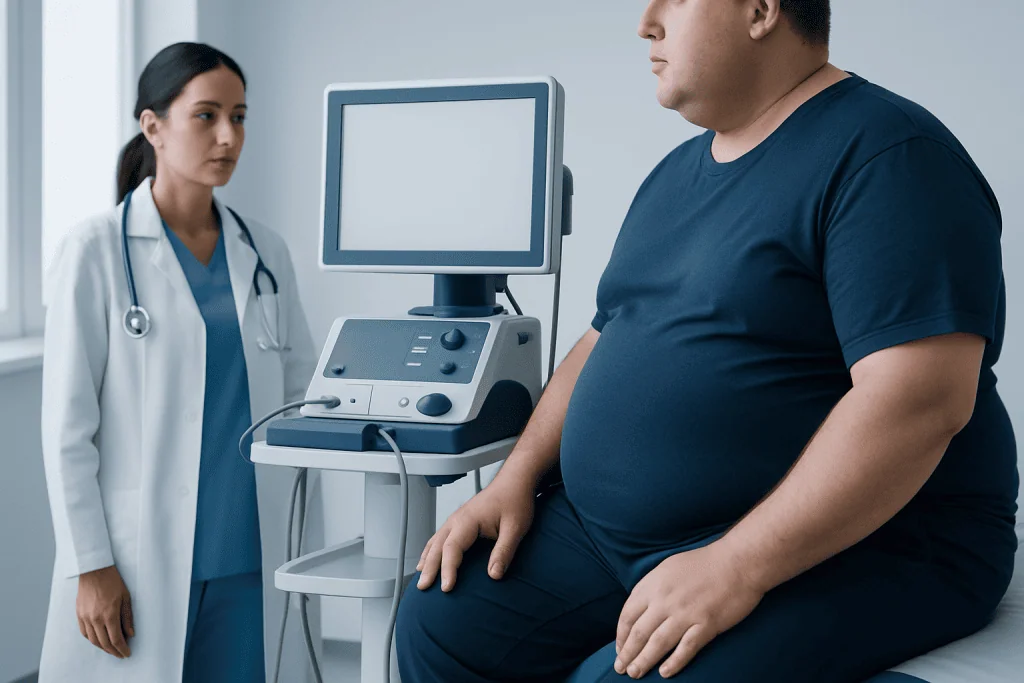
Obesity symptoms can affect daily comfort, stamina, and quality of life. A person may notice that routine tasks such as climbing stairs, bending, walking longer distances, or exercising feel more difficult than before. Sweating more easily and feeling physically heavy or less mobile are also common experiences.
Other warning signs can include fatigue, lower exercise tolerance, shortness of breath on exertion, snoring, and poor sleep. Some people develop aches in the knees, hips, lower back, or feet because extra weight places more stress on the joints and spine. Skin irritation or rashes may occur in body folds where moisture and friction build up.
Emotional and social effects can also be part of the picture. Low confidence, frustration with repeated dieting, changes in mood, and avoiding social or physical activities may develop over time. These experiences are common and can be important clues that weight gain is affecting health more broadly.
- Increasing waist circumference or abdominal fat
- Breathlessness with mild activity
- Daytime tiredness or poor sleep quality
- Joint pain or reduced mobility
- Snoring or possible sleep apnea
- Skin irritation in folds of the body
When weight gain needs medical review

Weight gain should be medically reviewed when it is rapid, unexplained, or associated with other symptoms. Examples include weight gain despite no major change in eating habits, swelling of the legs, severe fatigue, constipation, feeling unusually cold, menstrual changes, reduced libido, or changes in mood. These patterns may suggest an underlying hormonal, metabolic, medication-related, or other health issue.
A doctor should also assess weight gain when it begins to interfere with sleep, breathing, mobility, or independence. Frequent snoring, pauses in breathing during sleep, chest discomfort with exertion, or worsening knee and back pain are important warning signs. In some people, central weight gain around the abdomen carries higher cardiometabolic risk than weight distributed elsewhere.
Medical review is especially important if obesity coexists with conditions such as high blood pressure, high blood sugar, fatty liver disease, or a strong family history of heart disease and diabetes. People with severe obesity, including morbid obesity, may need more comprehensive assessment because the impact on multiple organ systems can be significant.
Causes and risk factors
Obesity usually develops through a combination of factors rather than one single cause. A long-term pattern of taking in more energy than the body uses can contribute, but biology matters too. Genes influence appetite, metabolism, where fat is stored, and how the body responds to diet and exercise.
Sleep deprivation, chronic stress, depression, and certain medicines can promote weight gain. Medicines that may contribute in some people include some antidepressants, antipsychotics, corticosteroids, insulin, and other treatments that affect appetite or fluid balance. Hormonal conditions such as hypothyroidism, Cushing syndrome, and polycystic ovary syndrome can also be relevant, although they are not the most common cause of obesity.
Modern lifestyles can make weight management harder. Sedentary work, easy access to highly processed foods, irregular eating patterns, and reduced time for exercise all increase risk. Pregnancy, menopause, aging, and stopping smoking can also change body composition and energy balance. A careful medical history helps identify which factors may be contributing in each individual.
How doctors diagnose obesity and assess related health risks
Diagnosis starts with a clinical assessment rather than a judgment. Doctors measure height and weight to calculate BMI and often measure waist circumference to estimate abdominal fat. These numbers help identify health risk, but they are interpreted together with age, sex, body composition, ethnicity, symptoms, and medical history.
The consultation usually includes questions about diet, physical activity, sleep, stress, medicines, previous weight changes, and family history. The doctor may check blood pressure and look for complications such as insulin resistance, skin changes, joint strain, or signs of sleep apnea. Blood tests are often used to screen for diabetes, cholesterol problems, thyroid disorders, liver disease, and other related conditions.
In some cases, additional tests may be needed based on symptoms. Sleep studies can help diagnose obstructive sleep apnea, and imaging or specialist assessment may be recommended if there is concern about organ-related complications. The goal is not only to confirm obesity but also to understand its causes, severity, and impact on overall health. Patients looking for more detailed information about the condition may also read morbid obesity in the context of severe disease, though each case requires individual evaluation.
Treatment options for obesity
Obesity treatment is individualized and usually combines lifestyle, medical, and behavioral approaches. A structured plan may include nutrition counseling, regular physical activity, sleep improvement, stress management, and realistic goal setting. Even modest weight loss can improve blood pressure, blood sugar, joint symptoms, and overall wellbeing.
Some people may benefit from prescription weight-loss medicines when lifestyle measures alone are not enough and when medical criteria are met. These treatments should be prescribed and monitored by a qualified doctor, especially if there are other health conditions or multiple medications involved.
For people with more severe obesity or obesity-related complications, procedural or surgical treatment may be considered. Options can include bariatric surgery, gastric sleeve surgery, gastric bypass, or selected non-surgical approaches such as gastric balloon therapy when appropriate. The best choice depends on BMI, health conditions, previous weight-loss efforts, and personal preferences after specialist assessment.
Long-term follow-up is an important part of successful care. Weight management is not only about losing weight but also about maintaining progress, protecting muscle mass, supporting mental health, and monitoring conditions such as diabetes, sleep apnea, and high blood pressure.
Prevention and self-care
Healthy habits can reduce the risk of obesity and support treatment at any stage. A balanced eating pattern built around vegetables, fruit, beans, whole grains, lean protein, and healthy fats is often easier to maintain than strict dieting. Reducing sugary drinks, oversized portions, and frequent ultra-processed snacks can help lower excess calorie intake without making eating feel overly restrictive.
Regular movement matters even before major weight loss occurs. Walking, swimming, cycling, resistance exercises, and low-impact home workouts can improve fitness, mood, sleep, and metabolic health. Starting gently and building gradually is often safer and more sustainable, particularly for those with joint pain or deconditioning.
Self-care also includes sleep and emotional wellbeing. Poor sleep can increase appetite hormones and reduce energy for activity, while stress may lead to comfort eating or irregular routines. Keeping regular meal times, planning shopping, limiting screen time before bed, and seeking support from healthcare professionals or a trusted support network can make long-term change more achievable.
When to see a doctor
A doctor should be consulted if weight gain is rapid, unexplained, or causing symptoms such as breathlessness, snoring, extreme tiredness, chest discomfort with activity, or joint pain that limits daily life. Medical advice is also important when weight gain begins in childhood or adolescence, or when there is a family history of diabetes, heart disease, or severe obesity.
People should seek review if they suspect an underlying condition, if they are taking medicines linked to weight gain, or if repeated attempts at weight loss have not worked. Early assessment can help identify manageable causes and reduce the risk of long-term complications.
Professional support can make treatment more practical and less overwhelming. Near the end of the care journey, some patients may explore specialist options through centers such as Acibadem International, where multidisciplinary teams in JCI-accredited hospitals evaluate and treat obesity for international patients.
Frequently asked questions
What are the first signs of obesity?
Early obesity symptoms often include gradual weight gain, a growing waistline, reduced stamina, and feeling short of breath with activities that were previously easy. Some people also notice snoring, poor sleep, or joint discomfort before they realize weight is affecting their health.
Does obesity always cause symptoms?
Not always. Some people may have obesity without obvious day-to-day symptoms at first, which is why screening with BMI, waist measurement, and health checks can be useful. Even without clear symptoms, obesity can still increase the risk of conditions such as diabetes, sleep apnea, and heart disease.
When is weight gain a medical concern?
Weight gain deserves medical review when it is rapid, unexplained, or linked with symptoms such as swelling, fatigue, menstrual changes, constipation, breathlessness, or sleep problems. It is also important to seek help if weight gain is affecting mobility, mood, or control of other health conditions.
How do doctors check whether someone has obesity?
Doctors usually assess obesity with body mass index and waist circumference, then interpret those results alongside medical history and symptoms. They may also order blood tests and screen for related problems such as high blood pressure, diabetes, fatty liver disease, or thyroid disorders.
Can obesity be caused by a hormone problem?
Hormonal conditions can contribute to weight gain in some people, but they are not the most common cause of obesity. If symptoms suggest a hormonal issue, a doctor may check for conditions such as hypothyroidism, Cushing syndrome, or polycystic ovary syndrome.
What treatments are available for obesity?
Treatment can include nutrition support, exercise planning, behavioral counseling, sleep improvement, and in some cases weight-loss medicines. For people with severe obesity or obesity-related health problems, bariatric procedures may also be considered after specialist evaluation.
References
- World Health Organization
- Centers for Disease Control and Prevention
- National Institute of Diabetes and Digestive and Kidney Diseases
- National Health Service
- American Society for Metabolic and Bariatric Surgery
This article is for general information only and is not a substitute for professional medical advice. Please consult a qualified doctor about your individual situation.
Obesity in Turkey — costs, top hospitals & a free quote
JCI-accredited · board-certified surgeons · reply within 24h
Add us as a Preferred Source to see more of our trusted health content across Google Search, AI Overviews and Discover.
Check your numbers in seconds
BMI, calories, due date, blood pressure and 30+ more clinical calculators — free, instant, doctor-reviewed ranges.