

Oculoplastic Surgery in Turkey: How International Patients Can Plan Safely

Oculoplastic surgery treats functional and cosmetic concerns around the eyes, eyelids, tear ducts, and orbit. The safest choice is a qualified surgeon with specific training in oculoplastic or reconstructive ophthalmology.
Key Takeaways
- Oculoplastic surgery treats functional and cosmetic concerns around the eyes, eyelids, tear ducts, and orbit.
- The safest choice is a qualified surgeon with specific training in oculoplastic or reconstructive ophthalmology.
- International patients should confirm diagnosis, procedure details, anesthesia plans, and follow-up arrangements before traveling.
- Recovery planning matters as much as the operation itself, especially for flights, accommodation, and aftercare.
- Clear communication, realistic expectations, and awareness of possible risks help patients make informed decisions.
Oculoplastic surgery in Turkey may be an option for international patients seeking eyelid, tear duct, orbital, or facial-eye area procedures. Safe planning starts with choosing the right specialist, understanding the treatment pathway, and preparing for travel, recovery, and follow-up in a careful, informed way.
Overview: What Oculoplastic Surgery Means
Oculoplastic surgery is a specialized field focused on the structures around the eyes. It may involve the eyelids, tear drainage system, eye socket (orbit), eyebrows, and nearby facial tissues. Some procedures are done to improve appearance, while others are performed to restore function, protect vision, or repair damage caused by aging, injury, congenital conditions, or disease.
International patients often use the term broadly to describe eyelid surgery, drooping eyelid correction, under-eye procedures, tear duct surgery, orbital surgery, and reconstructive work around the eyes. In practice, the exact operation depends on the person’s anatomy, symptoms, medical history, and goals. For example, one person may seek treatment for heavy upper eyelids that affect vision, while another may need repair after facial trauma or surgery for a tear drainage problem.
Because the eye area is delicate and functionally important, planning should focus on safety as much as appearance. A good treatment pathway includes a proper eye and eyelid assessment, review of general health, discussion of expected results, and a realistic recovery plan. Many patients also benefit from understanding the difference between cosmetic enhancement and medically necessary reconstruction before making travel decisions.
Who May Consider Oculoplastic Surgery

Patients may consider oculoplastic surgery for both medical and cosmetic reasons. Common concerns include drooping upper eyelids, puffy lower eyelids, eyelid turning inward or outward, tearing, eyelid lumps, blocked tear ducts, orbital problems, and tissue changes after trauma or previous surgery. Some procedures are intended to improve comfort and vision, while others are designed to restore balance and appearance.
In some cases, surgery is reconstructive rather than aesthetic. This can apply after injuries, burns, tumor removal, or certain congenital conditions. Reconstructive approaches may be especially important when eyelid position affects the surface of the eye, causes dryness, or leaves the eye exposed. Patients looking for complex or restorative care may be evaluated through reconstructive ophthalmology services as part of a broader treatment plan.
Not every concern around the eyes requires surgery. Some symptoms may have causes such as allergies, thyroid-related eye changes, dry eye disease, infection, or neurologic conditions. That is why a full consultation is important before travel. A surgeon should explain whether surgery is appropriate, what it can and cannot change, and whether non-surgical or staged treatment may be more suitable.
Choosing a Surgeon and Clinic Safely

The most important safety step is choosing the right specialist. Oculoplastic procedures should ideally be assessed by a surgeon with dedicated experience in eye-area anatomy and function. Patients should ask about board certification, fellowship or subspecialty training where relevant, experience with the specific procedure, and whether the operation is primarily cosmetic, functional, or reconstructive. It is also reasonable to ask who will provide anesthesia and where the procedure will be performed.
Patients planning oculoplastic surgery in Turkey should look for transparent communication and a structured evaluation process rather than making a decision based only on photos or price. A responsible clinic will request medical information, current medications, prior eye surgery history, and details of symptoms. It should also explain the limitations of remote assessment, since some findings can only be confirmed during an in-person examination.
Practical safety questions include whether the hospital or surgical center is accredited, how emergencies are handled, and what postoperative support is available. If treatment may involve the eyelids alone, a patient might discuss oculoplastic surgery directly; if brow position contributes to the problem, a surgeon may also explain whether a combined approach such as brow lift is relevant. The safest plan is individualized, not routine.
Patients should also be cautious about unrealistic promises. No surgeon can guarantee a perfect cosmetic outcome, a scar-free result, or a specific recovery speed. Good communication should feel clear and balanced, with honest discussion of possible benefits, alternatives, and risks.
Pre-Travel Assessment and Questions to Ask
Before booking travel, patients should have a remote or in-person consultation that covers diagnosis, planned procedure, expected benefits, possible complications, anesthesia type, and likely recovery time. Sending recent medical records, high-quality photographs, and details of previous surgeries may help the team advise whether travel is appropriate. Contact lens use, dry eye symptoms, vision changes, thyroid disease, blood-thinner use, and smoking history are especially relevant in eye-area surgery.
It is helpful to ask practical questions in advance. These may include how many days the patient should stay in Turkey, when swelling usually peaks, when stitches are removed if used, when it is safe to fly home, and who to contact after hours. Patients should also ask whether they will need someone to accompany them after surgery, especially if sedation or general anesthesia is planned.
A clear plan for consent and documentation matters. The patient should receive information in a language they understand, including the name of the operation, what tissues will be treated, and whether revision surgery is sometimes needed. If the operation is reconstructive after a condition such as scarring or prior injury, the surgeon may discuss a staged approach rather than a single procedure. Patients with complex skin healing concerns, including a history of keloid scars, should mention this before finalizing plans.
Travel logistics are also part of medical safety. Patients should consider airport assistance if vision is blurred after surgery, choose accommodation close to the hospital for early follow-up visits, and avoid scheduling important activities immediately after the procedure. A little extra time built into the itinerary can reduce stress and allow proper review before the return journey.
Risks, Recovery, and What to Expect After Surgery
All surgery carries some risk, and oculoplastic procedures are no exception. Possible issues may include bruising, swelling, bleeding, infection, asymmetry, delayed wound healing, visible scarring, dry eye symptoms, irritation, incomplete correction, or the need for additional treatment. Depending on the type of operation, there may also be temporary blurred vision or difficulty fully closing the eyes during early healing. A qualified surgeon should explain which risks are general and which are specific to the planned procedure.
Recovery varies by operation. Many patients can walk and perform light activities soon after surgery, but swelling and bruising around the eyes are common in the first days. Cold compresses, head elevation, prescribed eye ointments or drops, and temporary activity restrictions are often recommended. Patients are usually advised to avoid rubbing the eyes, heavy lifting, smoking, swimming, and makeup around healing wounds until the surgical team says it is safe.
Visual tasks may need to be adjusted during recovery. Reading, screen time, and contact lens use may be uncomfortable for a short period depending on the procedure. Driving should only resume when vision is clear, the patient is comfortable, and the care team agrees. This is one reason international patients should avoid returning home too quickly after surgery.
Patients should seek urgent medical advice if they develop severe pain, sudden vision change, increasing redness, heavy bleeding, fever, or marked swelling that seems to worsen rapidly. While complications are not common in well-planned cases, early recognition is important. Careful postoperative follow-up helps identify normal healing versus signs that need prompt attention.
Planning a Safe Medical Trip to Turkey
Turkey is a well-known destination for international healthcare, but safe medical travel depends more on planning than on location alone. Patients should choose a reputable hospital or clinic, confirm who will perform each part of care, and understand whether the quoted plan includes consultations, imaging, anesthesia, medications, and follow-up visits. It is also wise to know how communication will work before arrival and after returning home.
Travel timing should support recovery rather than rush it. Patients should allow enough time for preoperative examination, surgery, early postoperative review, and a buffer in case swelling is greater than expected. Booking flexible flights can be useful. Many people also benefit from traveling with a companion who can assist after the procedure, especially on the day of surgery and during the first night.
Medical history should be reviewed carefully before travel. Chronic conditions such as diabetes, high blood pressure, thyroid disease, autoimmune disorders, and bleeding tendencies can affect healing or surgical planning. Patients should bring a medication list and discuss any vitamins, herbal products, or blood-thinning drugs in advance. Smoking and nicotine use should be addressed honestly because they may increase the risk of delayed healing.
Near the end of the process, patients may also want to ask how longer-term follow-up is coordinated with local doctors at home. Acibadem International’s multidisciplinary specialists and JCI-accredited hospitals diagnose and treat patients seeking eye-area reconstructive and aesthetic care, including selected international cases that may need coordinated planning across specialties.
When to Delay Surgery or Seek Another Opinion
Sometimes the safest decision is to postpone surgery. Active eye infection, uncontrolled medical conditions, severe dry eye, untreated thyroid eye disease, or unrealistic expectations may all be reasons to delay. Surgery may also need to wait if a patient cannot safely stop certain medications, does not have enough time for recovery before flying, or has not received a clear diagnosis.
A second opinion can be especially helpful if the procedure is complex, revision surgery is being considered, or the treatment plan seems unclear. For example, a patient seeking under-eye correction may actually have brow descent, midface changes, or tear trough concerns that require a different approach. Likewise, reconstructive cases after injury, burns, or prior surgery often need more detailed assessment than cosmetic photo review alone can provide.
Patients should also pause if they feel pressured to decide quickly. A good surgical plan allows time for questions and informed consent. Warning signs include vague explanations, reluctance to discuss risks, lack of clarity about the surgeon’s qualifications, or promises that recovery will be effortless. Taking more time can help patients make a choice they feel comfortable with.
Finally, surgery should align with the patient’s own goals. The best outcomes are usually seen when the person understands both the potential improvements and the limits of treatment. Safe planning is not only about avoiding complications; it is also about making sure the procedure is appropriate in the first place.
Frequently asked questions
What is oculoplastic surgery used for?
Oculoplastic surgery is used to treat conditions affecting the eyelids, tear ducts, eye socket, and surrounding facial tissues. It may be performed for functional reasons, such as protecting the eye or improving vision, or for cosmetic reasons, such as improving eyelid contour.
Is oculoplastic surgery in Turkey safe for international patients?
It can be safe when patients choose qualified specialists, accredited hospitals or clinics, and a clear treatment pathway. Safety depends on proper assessment, good communication, realistic expectations, and careful planning for recovery and follow-up.
How long should a patient stay after oculoplastic surgery?
The answer depends on the exact procedure and the patient's health. Many international patients need enough time for examination, surgery, and at least one or more early follow-up visits before flying home, so this should be discussed before travel is booked.
Will there be visible scarring after eyelid or oculoplastic surgery?
Some procedures involve small incisions that usually heal discreetly, especially when placed in natural skin folds. However, all surgery can leave scars, and healing varies from person to person, skin type to skin type, and procedure to procedure.
What questions should patients ask before booking surgery abroad?
Patients should ask about the surgeon's training, the exact diagnosis, the recommended procedure, anesthesia, risks, expected recovery, and what follow-up is included. It is also important to ask when it is safe to fly home and who to contact if problems arise after discharge.
Can cosmetic and functional eye-area surgery be done together?
In some cases, yes. For example, a surgeon may address drooping tissue that affects vision while also improving eyelid contour, but the decision depends on anatomy, symptoms, and safety considerations. A full examination is needed to decide whether combining procedures is appropriate.
References
- American Academy of Ophthalmology
- American Society of Ophthalmic Plastic and Reconstructive Surgery
- National Health Service
- Mayo Clinic
- World Health Organization
This article is for general information only and is not a substitute for professional medical advice. Please consult a qualified doctor about your individual situation.
Oculoplastic Surgery in Turkey — costs, top hospitals & a free quote
JCI-accredited · board-certified surgeons · reply within 24h
Add us as a Preferred Source to see more of our trusted health content across Google Search, AI Overviews and Discover.

Related Treatments
Related Conditions
More from the Health Library



Related Specialists
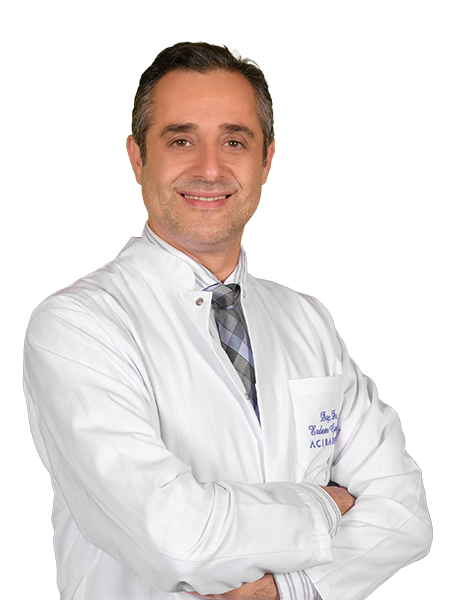
Assoc. Prof. Dr. Erdem Güven (m)
Aesthetic Plastic & Reconstructive Surgery
Prof. Dr. Şükrü Yazar
Aesthetic Plastic & Reconstructive Surgery
Prof. Dr. Hakan Ağır
Aesthetic Plastic & Reconstructive Surgery
Prof. Dr. Bülent Saçak
Aesthetic Plastic & Reconstructive Surgery