Orthopedic Department: What Services Does It Usually Offer?
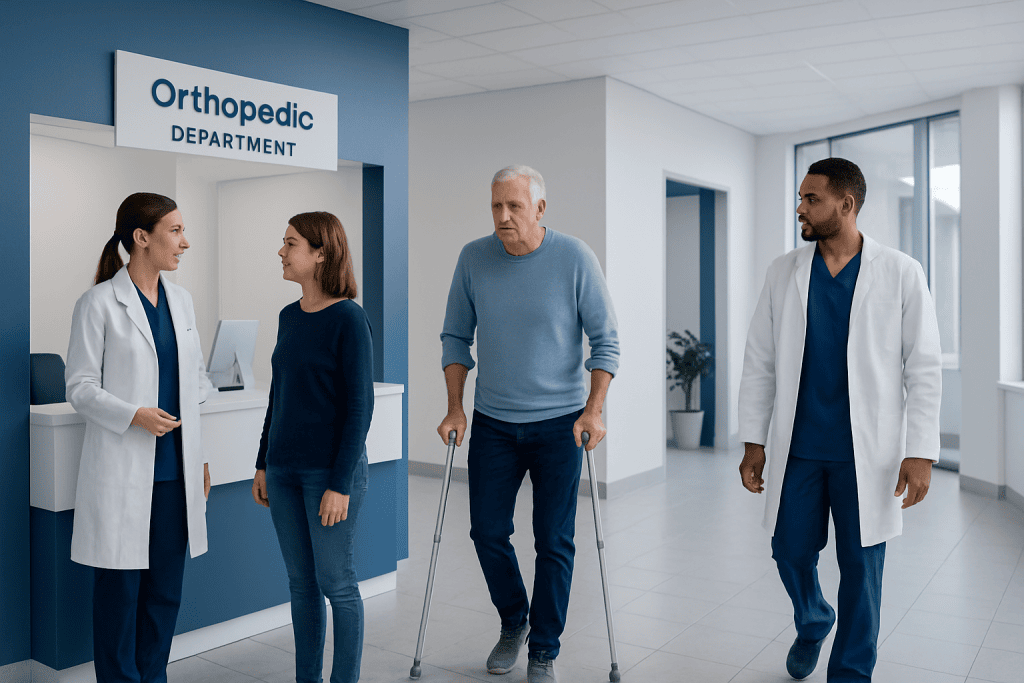
An orthopedic department evaluates pain, injury, stiffness, weakness, and mobility problems affecting the musculoskeletal system. Common services include imaging, fracture care, sports injury treatment, physical therapy planning, injections, and surgery.
Key Takeaways
- An orthopedic department evaluates pain, injury, stiffness, weakness, and mobility problems affecting the musculoskeletal system.
- Common services include imaging, fracture care, sports injury treatment, physical therapy planning, injections, and surgery.
- Orthopedic teams often include surgeons, rehabilitation specialists, radiologists, pain specialists, and physiotherapists.
- Many orthopedic conditions improve with non-surgical care, while surgery is considered when symptoms are severe or function is limited.
- Early assessment can help reduce pain, protect joint function, and support safer recovery after injury or surgery.
An orthopedic department cares for conditions affecting bones, joints, muscles, ligaments, tendons, and the spine. Its services usually include diagnosis, non-surgical treatment, rehabilitation, injury care, and when needed, orthopedic surgery.
Overview: What an Orthopedic Department Does
An orthopedic department focuses on the musculoskeletal system, which includes bones, joints, cartilage, muscles, ligaments, tendons, and often the spine. These structures work together to support movement, balance, strength, and everyday function. When pain, injury, wear and tear, or deformity affects them, orthopedic specialists evaluate the problem and recommend treatment.
Orthopedic services usually cover a wide range of needs. Some people come in after a sudden injury such as a fracture, sprain, dislocation, or sports accident. Others seek help for long-term conditions like arthritis, back pain, tendon problems, or reduced mobility. The department may also care for congenital or developmental problems, repetitive strain injuries, and age-related joint disease.
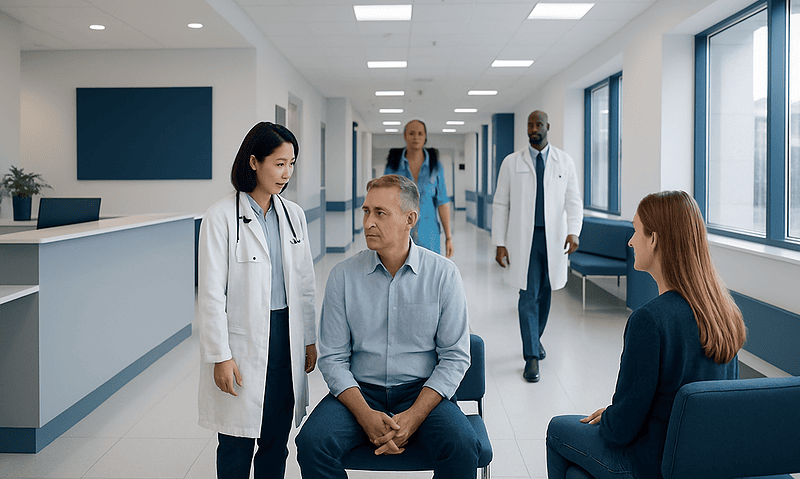
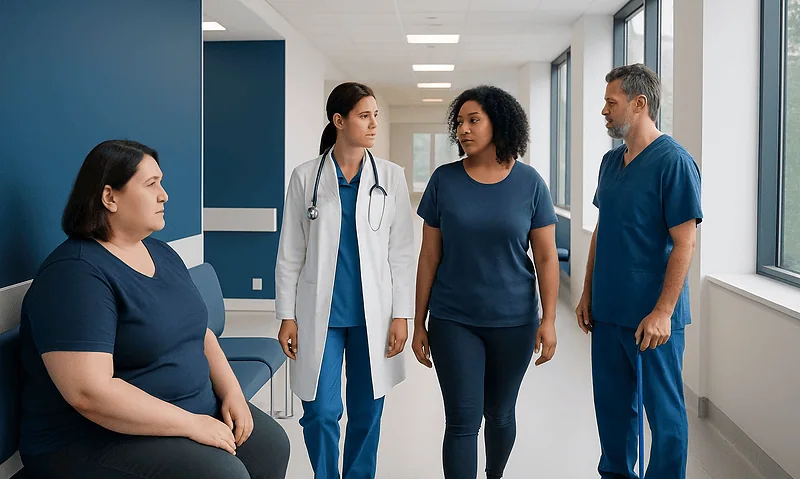
Care is often multidisciplinary. Depending on the person’s needs, the team may include orthopedic surgeons, sports medicine doctors, physiatrists, anesthesiologists, radiologists, pain specialists, nurses, and physiotherapists. The goal is not only to diagnose the cause of symptoms, but also to reduce pain, restore movement, improve function, and help prevent future problems.
Common Conditions Managed by Orthopedic Specialists
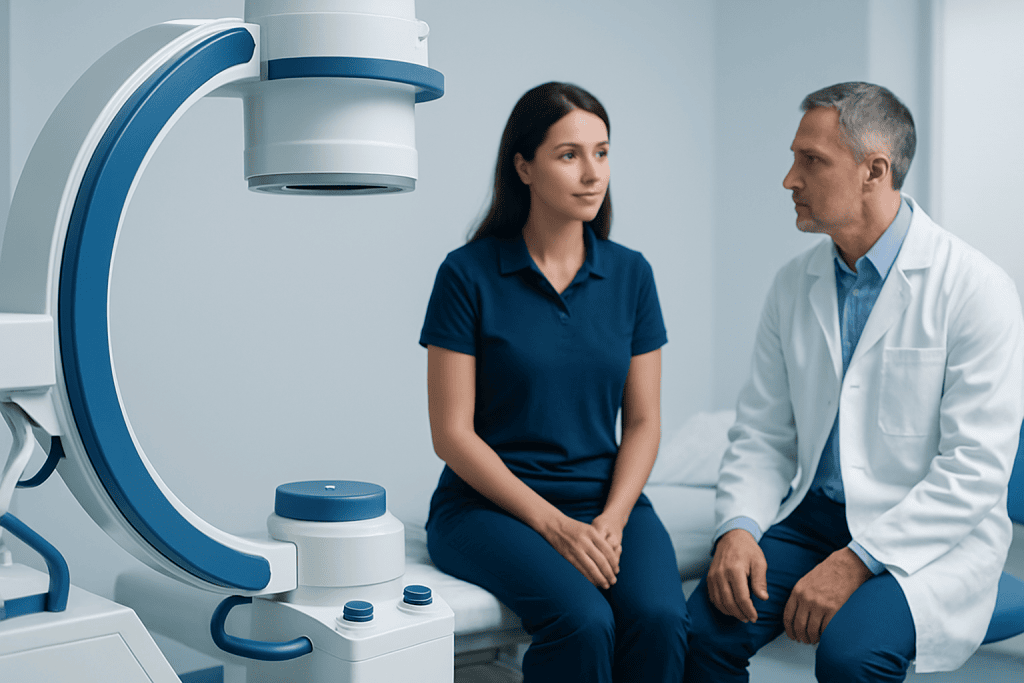
An orthopedic department usually treats both acute and chronic conditions. Acute problems include broken bones, dislocations, torn ligaments, tendon injuries, and joint injuries after falls, traffic accidents, or sports activities. Prompt assessment helps determine whether a person needs immobilization, rehabilitation, or surgery.
Chronic orthopedic conditions are also very common. These may include osteoarthritis, chronic back or neck pain, shoulder impingement, rotator cuff disorders, meniscus tears, tendonitis, bursitis, and overuse injuries. Departments that include spine services may also evaluate conditions such as scoliosis when posture changes or spinal curvature affect comfort or function.
Orthopedic teams may also care for:
- Hip, knee, shoulder, elbow, wrist, ankle, and foot pain
- Sports injuries such as ACL tears and muscle strains
- Hand problems including trigger finger or carpal tunnel symptoms
- Bone infections or complications after trauma
- Pediatric and adolescent bone or joint concerns
- Osteoporosis-related fractures and fragility injuries
Because symptoms can overlap with neurological, vascular, or rheumatological disorders, orthopedic evaluation may be part of a broader assessment. This helps ensure the right diagnosis and treatment plan.
Diagnostic Services in an Orthopedic Department
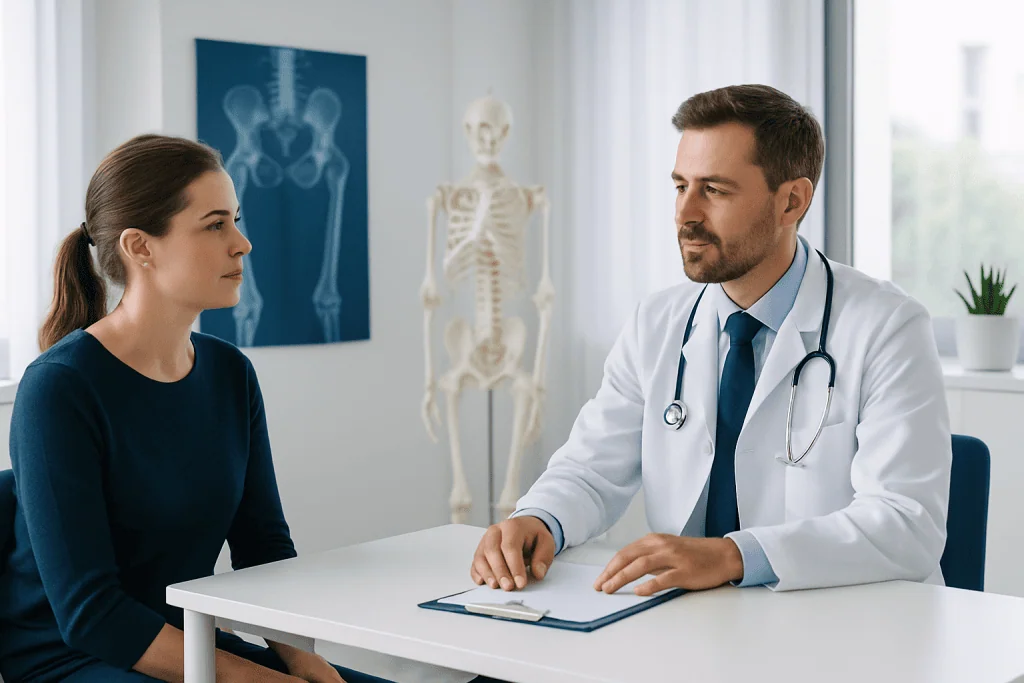
Diagnosis begins with a detailed medical history and physical examination. The doctor usually asks when the symptoms started, what makes them better or worse, whether there was an injury, and how the problem affects work, exercise, sleep, or daily activities. The physical exam may assess tenderness, swelling, alignment, muscle strength, joint stability, and range of motion.
Imaging plays an important role in orthopedic care. X-rays are often used to evaluate fractures, alignment, and joint degeneration. Ultrasound may help assess soft tissues such as tendons. MRI is commonly used for ligament, cartilage, meniscus, and muscle injuries, while CT can provide detailed images of complex fractures or bone structure.
Some patients may also need laboratory tests or specialized studies to look for infection, inflammation, metabolic bone disease, or nerve-related causes of pain. In selected cases, gait analysis, bone density testing, or diagnostic injections may help clarify the source of symptoms. The purpose of these tests is to create a treatment plan that matches the exact problem rather than treating pain alone.
Non-Surgical Orthopedic Treatments
Not every orthopedic problem requires surgery. In fact, many bone, joint, and soft tissue conditions are first treated with non-surgical methods. These approaches aim to relieve pain, reduce inflammation, support healing, and improve movement while helping the person return safely to normal activities.
Conservative treatment may include rest or activity modification, braces or splints, supportive footwear, pain-relieving medicines, anti-inflammatory treatment, and personalized exercise programs. Physiotherapy is often a central part of care because it can improve flexibility, strength, posture, and joint mechanics. For some people, carefully guided rehabilitation is the most effective treatment.
Depending on the condition, doctors may also recommend image-guided injections or other procedures for pain control and inflammation management. Rehabilitation services can be especially important after injury, after a period of immobilization, or for chronic conditions that limit function. In many hospitals, orthopedic care is closely linked with physical therapy and rehabilitation so treatment continues beyond the clinic visit.
Non-surgical care is usually monitored over time. If symptoms improve, the plan may continue with exercise progression and prevention advice. If pain, instability, or function does not improve enough, the orthopedic team may discuss procedural or surgical options.
Surgical Services Often Offered
When non-surgical treatment does not provide enough relief, or when the injury is severe, an orthopedic department may offer surgery. The type of procedure depends on the diagnosis, the person’s age and activity level, the degree of damage, and the expected recovery goals. Surgery is generally considered after balancing likely benefits, possible risks, and available alternatives.
Common orthopedic operations include fracture fixation, tendon repair, ligament reconstruction, arthroscopic procedures, hand surgery, foot and ankle surgery, and spine-related procedures in centers with dedicated spine teams. Arthroscopy uses small instruments and a camera to diagnose or treat certain joint problems through small incisions, often in the knee, shoulder, or ankle.
For advanced joint damage, some departments provide knee replacement or hip replacement to reduce pain and improve mobility when arthritis or structural disease has significantly affected daily life. Sports medicine programs may also offer ACL surgery for selected patients with knee instability after ligament injury. Surgical planning usually includes imaging review, anesthesia assessment, and a discussion of recovery expectations.
After an operation, orthopedic care continues with pain management, wound care, early mobilization, and rehabilitation. Follow-up visits are important to monitor healing, protect the repair, and help the patient regain strength and confidence in movement.
Subspecialty Clinics and Rehabilitation Support
Many orthopedic departments are organized into subspecialty clinics so patients can be seen by doctors with focused expertise. These may include sports medicine, joint preservation, joint replacement, trauma and fracture care, hand and wrist surgery, foot and ankle care, pediatric orthopedics, spine care, and orthopedic oncology. This structure helps match the patient’s condition with the most appropriate evaluation and treatment pathway.
Rehabilitation is a key service that often runs alongside these clinics. A person recovering from surgery, fracture, tendon injury, or chronic joint pain may need a step-by-step plan to rebuild strength, improve flexibility, and regain normal movement patterns. Occupational therapy may also be helpful, particularly for hand injuries or after procedures that affect daily tasks.
Some hospitals also provide coordinated care for complex cases involving multiple specialties. For example, older adults with fractures may need support from internal medicine, bone health specialists, and rehabilitation teams. Athletes may benefit from a combined approach involving imaging, orthopedic assessment, exercise therapy, and return-to-sport guidance. Near the end of the care pathway, centers such as Acibadem International may support international patients through multidisciplinary specialists and JCI-accredited hospitals that diagnose and treat orthopedic conditions.
When to Seek Orthopedic Care
A person may consider seeing an orthopedic specialist if pain, swelling, stiffness, instability, or weakness is affecting daily life, sleep, work, or exercise. Medical review is also reasonable when symptoms do not improve with rest or simple home care, or when the same problem keeps returning. Persistent joint pain, limited motion, difficulty walking, or trouble using the arm or hand can all justify evaluation.
Urgent assessment is important after significant injury, especially if there is obvious deformity, inability to bear weight, severe swelling, numbness, uncontrolled pain, or concern for a fracture or dislocation. These symptoms do not always mean surgery is needed, but they do need timely diagnosis to reduce the risk of complications.
Before the appointment, it can help to note when symptoms began, what activities trigger them, what treatments have already been tried, and whether there has been prior imaging or surgery. This information supports a more accurate assessment and helps the orthopedic team build an individualized care plan. Early evaluation can often make treatment more effective and recovery more straightforward.
Frequently asked questions
What is the main role of an orthopedic department?
An orthopedic department diagnoses and treats problems involving bones, joints, muscles, ligaments, tendons, and related structures. It usually offers both non-surgical and surgical care, along with rehabilitation and follow-up.
Do orthopedic departments only perform surgery?
No. Many orthopedic conditions are treated without surgery through rest, medication, bracing, injections, and physiotherapy. Surgery is usually considered when the injury is severe or when conservative treatment has not improved pain or function enough.
What symptoms should lead someone to see an orthopedic specialist?
Persistent joint or bone pain, swelling, stiffness, weakness, limited motion, repeated injuries, or difficulty walking can all be reasons to seek orthopedic care. Sudden injury with deformity, severe pain, or inability to use a limb should be assessed promptly.
What tests are commonly used in orthopedics?
Orthopedic specialists often use physical examination and imaging such as X-rays, MRI, ultrasound, or CT scans. In some cases, blood tests, bone density scans, or diagnostic injections may also be helpful.
Can an orthopedic department help with sports injuries?
Yes. Orthopedic teams commonly manage sprains, ligament tears, tendon injuries, cartilage damage, fractures, and overuse injuries related to sports. Treatment may include rehabilitation, bracing, injections, or surgery depending on the injury.
What happens after orthopedic surgery?
Recovery usually includes pain control, wound care, gradual movement, and a rehabilitation plan. Follow-up visits help the team check healing, monitor progress, and guide a safe return to daily activities.
References
- American Academy of Orthopaedic Surgeons
- National Institute of Arthritis and Musculoskeletal and Skin Diseases
- OrthoInfo
- National Health Service
- World Health Organization
This article is for general information only and is not a substitute for professional medical advice. Please consult a qualified doctor about your individual situation.
Joint and spine care in Turkey — expert assessment & treatment
JCI-accredited · board-certified surgeons · reply within 24h
Add us as a Preferred Source to see more of our trusted health content across Google Search, AI Overviews and Discover.

Orthopedics & Spine
Care for bones, joints and the musculoskeletal system, including joint replacement, sports injuries and trauma.
125 specialists in this unit