Osteoporosis and Endocrinology: When Hormones Affect Bone Loss

Hormones help regulate how bone is built and broken down throughout life. Osteoporosis may be primary or secondary, and endocrine disorders are an important cause of secondary osteoporosis.
Key Takeaways
- Hormones help regulate how bone is built and broken down throughout life.
- Osteoporosis may be primary or secondary, and endocrine disorders are an important cause of secondary osteoporosis.
- Bone loss often develops silently until a fracture occurs, so testing may be needed even without symptoms.
- Treatment depends on the cause and may include lifestyle changes, correcting hormonal problems, and bone-protective medicines.
- Early evaluation is especially important after a low-impact fracture, height loss, or long-term steroid use.
Osteoporosis is not only a condition of aging. In many people, hormone imbalances involving estrogen, testosterone, thyroid, parathyroid, adrenal, or pituitary function can contribute to bone loss and increase fracture risk.
Overview: how hormones affect bone health
Osteoporosis is a condition in which bones become less dense and more fragile, making them easier to break. It is often associated with aging, especially after menopause, but bone loss can also be strongly influenced by the endocrine system. Endocrinology is the branch of medicine that deals with hormones, the chemical messengers that regulate many body functions, including bone remodeling.
Bone is living tissue that is constantly renewed. Specialized cells break down old bone while other cells build new bone. Hormones help keep this process balanced. When certain hormone levels are too low or too high, bone breakdown can outpace bone formation. Over time, this can reduce bone strength and increase the risk of fractures in the spine, hip, wrist, and other areas.
In some people, osteoporosis develops mainly because of age and menopause. In others, it is linked to an underlying medical condition, including endocrine disorders. This is often called secondary osteoporosis. Recognizing a hormonal cause is important because treatment may need to address both the bone loss and the condition driving it.
Symptoms and warning signs
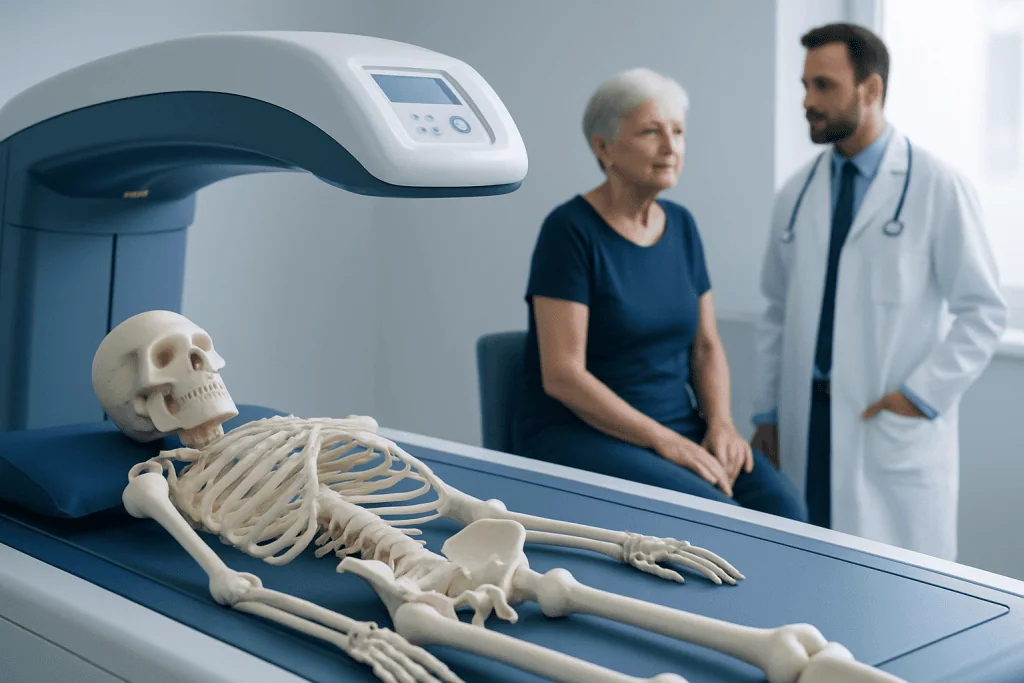
Osteoporosis is sometimes called a silent condition because it usually causes no pain or obvious symptoms in its early stages. Many people do not realize they have it until they experience a fracture after a minor fall, lifting something light, or even coughing in severe cases.
Common warning signs can include loss of height over time, a stooped posture, or back pain caused by small fractures in the spinal bones. These signs do not always mean osteoporosis, but they should prompt medical evaluation, especially in older adults or in people with known hormone disorders.
Some symptoms may come from the underlying endocrine problem rather than from bone loss itself. For example, thyroid overactivity may cause palpitations or weight loss, while low sex hormone levels may lead to menstrual changes, reduced libido, or hot flashes. Because of this overlap, a doctor may look at bone health and hormone health together.
- Fracture after a low-impact fall or minor injury
- Gradual loss of height
- Curved or stooped posture
- Persistent back pain
- Symptoms of a hormone imbalance, such as menstrual irregularity or unexplained fatigue
Endocrine causes and risk factors
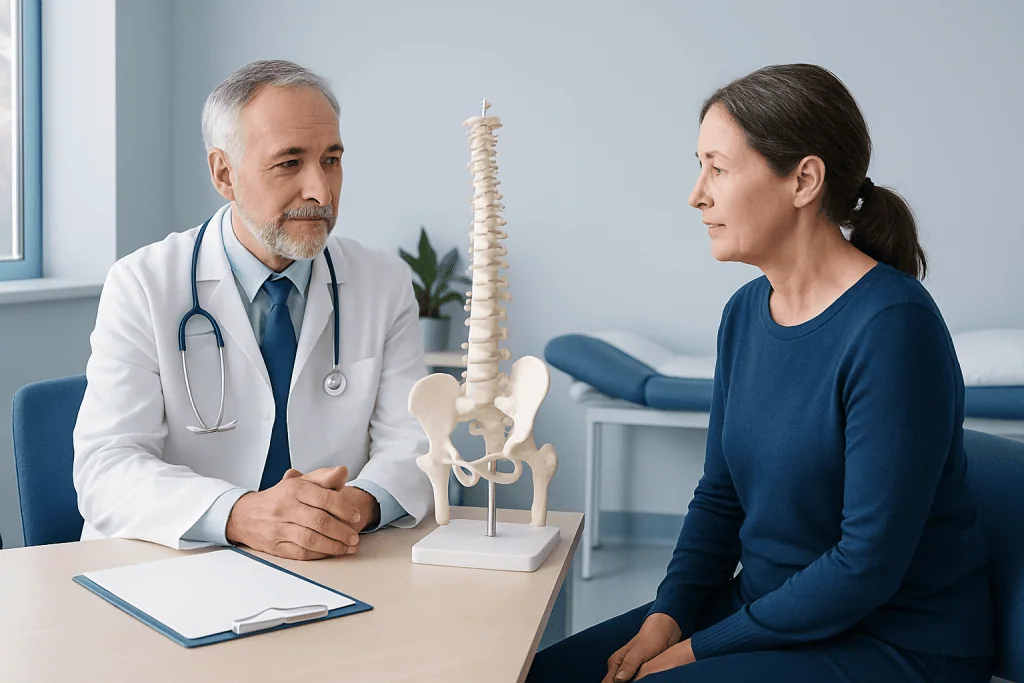
Several hormones are essential for healthy bones. Estrogen and testosterone help maintain bone mass in women and men. When these levels fall, bone breakdown speeds up. This is why postmenopausal women are at higher risk, and why men with hypogonadism may also develop osteoporosis earlier than expected.
Thyroid and parathyroid disorders can also affect bone strength. Too much thyroid hormone, whether from disease or overtreatment, can increase bone turnover and contribute to bone loss. Overactive parathyroid glands can raise calcium levels and draw calcium out of bone. Problems involving the pituitary gland, such as hypopituitarism, may reduce the hormones that support normal sex hormone production and bone maintenance.
Vitamin D is another key part of the endocrine-bone connection because it helps the body absorb calcium and supports bone mineralization. Low vitamin D levels are common and may worsen bone weakness, especially in people with limited sun exposure, poor nutrition, digestive disorders, or certain chronic illnesses. In some cases, vitamin D deficiency is one of the main reversible contributors to low bone density.
Other important risk factors include long-term use of glucocorticoid medicines, low body weight, smoking, excessive alcohol use, inactivity, poor calcium intake, family history of fractures, and certain chronic diseases. Often, osteoporosis develops because several risks act together rather than from one single cause.
How doctors diagnose hormone-related osteoporosis
Diagnosis usually begins with a medical history and physical examination. The doctor asks about fractures, back pain, height loss, menstrual history, menopause, testosterone deficiency, medications, family history, diet, exercise, smoking, and alcohol use. A history of endocrine disease or symptoms suggesting hormonal imbalance can help guide testing.
The main test used to assess bone density is dual-energy X-ray absorptiometry, commonly called a DXA or DEXA scan. This painless scan measures bone mineral density, most often at the hip and spine. Doctors may also use fracture risk tools alongside the scan to estimate the chance of future fractures.
Blood and urine tests are important when secondary osteoporosis is suspected. These may include calcium, phosphorus, vitamin D, kidney function, thyroid function, parathyroid hormone, sex hormones, and markers related to adrenal or pituitary disorders. Testing helps identify whether bone loss is mainly age-related or linked to a treatable hormone problem.
Sometimes imaging is also needed to look for silent spinal fractures or to evaluate another condition. A careful diagnosis matters because treatment is most effective when the underlying cause is clearly understood.
Treatment options: treating the bones and the cause
Treatment aims to reduce fracture risk, strengthen bones where possible, and correct any underlying hormonal problem. The plan depends on age, fracture history, bone density results, and the specific endocrine disorder involved. In many cases, both lifestyle measures and medication are needed.
When a hormonal condition is contributing to bone loss, treating that condition is an important part of care. This may include adjusting thyroid treatment, managing parathyroid disease, addressing low sex hormone levels, or correcting vitamin D deficiency. If a person has severe osteoporosis, repeated fractures, or complex endocrine disease, a specialist in endocrinology may coordinate care.
Bone-directed medicines may also be recommended. Depending on the individual situation, these can include antiresorptive medicines that slow bone breakdown or anabolic treatments that help build bone. Calcium and vitamin D support may be advised when intake or blood levels are low, but supplements should be individualized rather than taken automatically in large amounts.
For people with fractures or significant bone pain, additional care may involve orthopedics and traumatology or structured physical therapy and rehabilitation to improve mobility, posture, balance, and confidence with daily activities. Near the end of the care pathway, some international patients may also seek multidisciplinary assessment at Acibadem International, where JCI-accredited hospitals evaluate and treat osteoporosis and related endocrine disorders.
Prevention and self-care for stronger bones
Even when hormone changes cannot be fully avoided, many steps can help protect bone health. Regular weight-bearing exercise, resistance training, and balance work can support bone strength and reduce fall risk. Walking, stair climbing, light strength training, and guided balance exercises are often helpful when chosen to match a person’s age and fitness level.
Nutrition also matters. A balanced diet that provides enough calcium, protein, and vitamin D supports healthy bones. Sun exposure may help with vitamin D production in some people, but it is not always enough, especially in older adults or those who spend little time outdoors. A doctor may recommend blood testing before suggesting supplements.
Stopping smoking and limiting excess alcohol are important because both can weaken bones over time. Fall prevention is another key part of self-care. Good lighting, stable footwear, vision checks, handrails, and reducing trip hazards at home can all lower the chance of injury.
People taking long-term steroid medicines or those living with endocrine disorders should ask whether they need earlier screening. Prevention works best when it starts before a fracture occurs, especially in people with multiple risk factors.
When to see a doctor
A medical review is important if someone breaks a bone after a minor fall, notices unexplained height loss, develops ongoing back pain, or has a strong family history of osteoporosis or hip fracture. These signs do not confirm osteoporosis, but they should not be ignored.
Evaluation is also wise for people with known hormone-related conditions, such as thyroid disease, pituitary disorders, low sex hormone levels, high calcium levels, or long-term glucocorticoid use. Bone loss may progress quietly, and early assessment can help prevent future fractures.
Women after menopause and older men should discuss screening with a doctor, especially if additional risks are present. Younger adults may also need assessment if they have repeated fractures, very low body weight, or a medical condition that affects hormones, nutrition, or absorption.
Prompt medical attention is needed after any suspected fracture, sudden severe back pain, or a fall causing difficulty walking. A qualified healthcare professional can decide whether bone density testing, endocrine evaluation, or specialist referral is needed.
Frequently asked questions
Can hormones really cause osteoporosis?
Yes. Hormones such as estrogen, testosterone, thyroid hormone, parathyroid hormone, and vitamin D all play important roles in bone remodeling. When these are too low or too high, bone loss can speed up and increase fracture risk.
What is secondary osteoporosis?
Secondary osteoporosis means bone loss that develops because of another medical condition or medication rather than aging alone. Endocrine disorders, vitamin D deficiency, and long-term steroid use are common examples.
Who should be checked for hormone-related bone loss?
People with low-impact fractures, early osteoporosis, repeated fractures, height loss, or known endocrine disorders should discuss testing with a doctor. Screening may also be appropriate for postmenopausal women, older men, and people taking long-term glucocorticoids.
Is osteoporosis reversible if a hormone problem is treated?
Treating the hormone problem can help slow or sometimes improve bone loss, but results vary from person to person. If osteoporosis is already established, additional bone-specific treatment may still be needed to reduce fracture risk.
Do all people with osteoporosis need calcium and vitamin D supplements?
Not always. Some people can meet their needs through diet and safe sun exposure, while others need supplements based on blood tests, diet, age, or medical conditions. A doctor can advise on what is appropriate for the individual.
Can men get osteoporosis from hormone problems too?
Yes. Although osteoporosis is often associated with women after menopause, men can also develop it, especially when testosterone levels are low or other endocrine disorders are present. Men with unexplained fractures or risk factors should not ignore bone health.
This article is for general information only and is not a substitute for professional medical advice. Please consult a qualified doctor about your individual situation.
Explore treatments in Turkey — costs, top hospitals & a free quote
JCI-accredited · board-certified surgeons · reply within 24h
Add us as a Preferred Source to see more of our trusted health content across Google Search, AI Overviews and Discover.

Related Conditions
More from the Health Library

What Is an Endocrinologist? When to See a Hormone Specialist

Goiter: Causes, Symptoms, and When an Enlarged Thyroid Needs Treatment

Diabetes Doctor vs Endocrinologist: Which Specialist Should You See?

Endocrinology Definition: What This Medical Specialty Covers

Type 1 Diabetes: Early Symptoms, Diagnosis, and Insulin Treatment