Pacemaker Implantation: Slow Heartbeat Treatment and Follow-Up
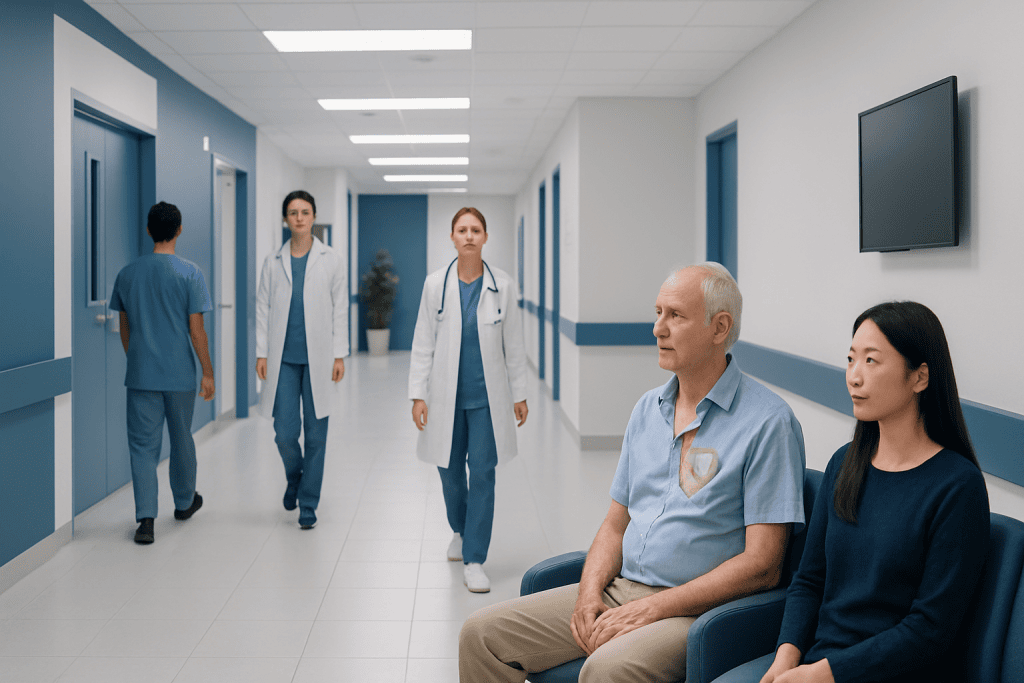
A pacemaker is a small device that helps the heart beat at an appropriate rate when its natural electrical system is too slow or unreliable. The most common reasons for pacemaker implantation include symptomatic bradycardia, sick sinus syndrome, and certain types of heart block.
Key Takeaways
- A pacemaker is a small device that helps the heart beat at an appropriate rate when its natural electrical system is too slow or unreliable.
- The most common reasons for pacemaker implantation include symptomatic bradycardia, sick sinus syndrome, and certain types of heart block.
- The procedure is usually performed under local anesthesia with sedation, and most patients recover gradually over days to weeks.
- Regular pacemaker follow-up is essential to check battery life, lead function, device settings, and any recorded rhythm events.
- People with pacemakers can usually live active lives, but they should follow medical advice about wound care, arm movement, device checks, and electromagnetic safety.
Pacemaker implantation is a well-established treatment for certain slow heart rhythms that cause symptoms such as fainting, dizziness, or fatigue. With proper follow-up and safe daily habits, many people return to normal activities and feel more confident about their heart rhythm.
Overview
Pacemaker implantation is a treatment used when the heart beats too slowly or pauses in a way that can affect blood flow to the brain and body. A slow heartbeat is called bradycardia. In some people, bradycardia is normal, especially during sleep or in well-trained athletes. In others, it may cause symptoms and require treatment.
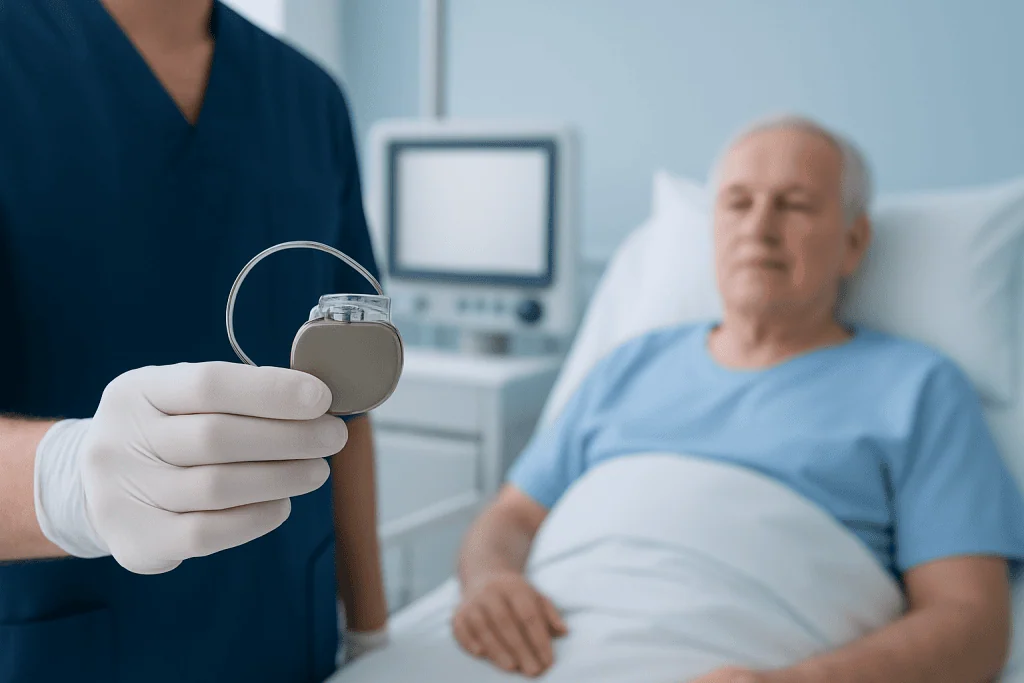
A pacemaker is a small electronic device placed under the skin, usually below the collarbone. It monitors the heart rhythm and sends gentle electrical signals when the heartbeat becomes too slow or irregular. These signals help the heart maintain a more suitable rate, which can reduce symptoms such as dizziness, fainting, shortness of breath, and tiredness.
Modern pacemakers are highly programmable and tailored to each patient. Some stimulate one chamber of the heart, while others coordinate signals between two or more chambers. The type of device depends on the heart rhythm problem, overall health, and the patient’s daily needs.
Why a Pacemaker May Be Needed
The heart has its own electrical system. Signals usually begin in the sinus node, the natural pacemaker of the heart, and travel through the atria and ventricles in an organized pattern. If the sinus node does not produce signals regularly, or if signals are blocked while traveling through the heart, the heartbeat may become too slow or unreliable.
Pacemaker implantation may be recommended when slow heart rhythms cause symptoms or create a risk of inadequate blood flow. Common reasons include sick sinus syndrome, where the heart’s natural pacemaker is not working properly, and atrioventricular heart block, where electrical signals do not travel normally from the upper chambers to the lower chambers.
Doctors consider the whole clinical picture before recommending a pacemaker. They review symptoms, electrocardiogram findings, monitoring results, medications, other heart conditions, and reversible causes such as thyroid problems or electrolyte imbalance. A pacemaker is generally considered when the rhythm problem is persistent or likely to recur and cannot be safely corrected in another way.
Symptoms of a Slow Heartbeat

Not every slow heartbeat causes symptoms. Some people discover bradycardia during a routine examination or while being evaluated for another condition. When symptoms do occur, they may be mild at first and can come and go depending on activity, hydration, medications, and the specific rhythm disturbance.
Symptoms that may be linked to a slow or irregular heart rhythm include:
- Dizziness or lightheadedness
- Fainting or near-fainting episodes
- Unusual fatigue or reduced exercise tolerance
- Shortness of breath during activity
- Chest discomfort or palpitations
- Confusion or difficulty concentrating, especially in older adults
These symptoms can have many causes, not only heart rhythm problems. For this reason, a medical evaluation is important. Identifying the exact rhythm at the time symptoms occur is often the key to deciding whether a pacemaker is appropriate.
Diagnosis Before Pacemaker Implantation
Diagnosis begins with a medical history, physical examination, and an electrocardiogram, often called an ECG or EKG. The ECG records the heart’s electrical activity and may show a slow rhythm, pauses, or conduction block. However, rhythm problems may not appear during a short office ECG, especially if symptoms are occasional.
When symptoms are intermittent, doctors may recommend longer rhythm monitoring. This can include a Holter monitor worn for one or more days, an event monitor used for longer periods, or an implantable loop recorder for selected patients with infrequent unexplained fainting. Blood tests, echocardiography, exercise testing, or medication review may also be used depending on the situation.
The goal is to confirm that symptoms match a heart rhythm problem and to rule out treatable causes. Some medicines, including certain beta blockers, calcium channel blockers, antiarrhythmic drugs, and other treatments, can slow the heart. If medication adjustment is safe and solves the problem, a pacemaker may not be necessary. If the rhythm disorder remains clinically significant, implantation may be advised.
How Pacemaker Implantation Is Performed
Pacemaker implantation is usually performed in a cardiac catheterization laboratory or operating room under sterile conditions. Many patients receive local anesthesia to numb the area and light sedation to help them relax. The medical team monitors heart rhythm, blood pressure, oxygen level, and overall comfort throughout the procedure.
In a traditional pacemaker, the doctor makes a small incision near the upper chest. One or more thin insulated wires, called leads, are guided through a vein into the heart under imaging guidance. The leads are connected to a pulse generator, which contains the battery and electronic circuitry. The generator is placed in a pocket under the skin, and the device is tested before the incision is closed.
Some patients may be candidates for newer types of devices, such as leadless pacemakers, which are placed directly inside the heart through a vein in the leg. These are suitable only for specific rhythm needs. The cardiology team selects the device type based on the rhythm diagnosis, heart anatomy, medical history, and long-term pacing requirements.
After implantation, patients are observed as they recover from sedation. A chest X-ray, ECG, and device check may be performed to confirm correct position and function. The hospital stay varies according to the patient’s condition, the type of device, and local practice.
Recovery and Daily Life After a Pacemaker
Recovery focuses on wound healing, safe movement, and adjustment to the device. Mild soreness, bruising, or a feeling of tightness around the incision can occur and usually improves gradually. Patients receive instructions on keeping the wound clean and dry, recognizing signs of infection, and when to return for a wound check.
For the first weeks, doctors often advise avoiding heavy lifting and repetitive overhead arm movement on the side of the pacemaker. This helps reduce stress on the newly placed leads while tissues heal. Patients should follow the specific restrictions given by their cardiologist, as recommendations may vary based on the device and procedure.
Most everyday activities can be resumed gradually. Walking is commonly encouraged unless the doctor advises otherwise. Driving, work, sports, and travel should be discussed individually, especially if fainting occurred before implantation or if the person has other heart conditions.
Living with a pacemaker also means being aware of electromagnetic interference. Most household appliances, mobile phones, airport security systems, and office equipment are safe when used normally. Patients should carry a pacemaker identification card and inform healthcare professionals before procedures such as MRI scans, surgery, radiation therapy, or treatments involving electrical energy. Some modern pacemakers are MRI-conditional, but scanning must still follow specific safety protocols.
Pacemaker Follow-Up and Long-Term Care
Pacemaker follow-up is an essential part of treatment. At each check, the healthcare team evaluates battery status, lead performance, pacing settings, and rhythm information stored by the device. Settings can often be adjusted without surgery using a programmer placed over the skin.
Follow-up schedules differ depending on the device type, the reason for implantation, and how much the patient depends on pacing. Early follow-up may occur soon after the procedure to check healing and device function. Later visits are usually scheduled at regular intervals. Many patients also use remote monitoring, which allows the device to send information securely to the care team between clinic visits.
Pacemaker batteries last for years, but they do not last forever. The device provides advance information when battery replacement is needed. In most cases, replacing the generator is a planned procedure that uses the existing leads if they are functioning well.
Patients should contact their cardiology team if they experience recurrent fainting, new dizziness, unexplained shortness of breath, palpitations, swelling or redness at the device site, fever, or persistent pain around the incision. Acibadem International’s multidisciplinary specialists and JCI-accredited hospitals diagnose and treat heart rhythm conditions, including pacemaker implantation and follow-up, for international patients as part of coordinated cardiac care.
Prevention, Self-Care, and When to See a Doctor
Not all causes of bradycardia can be prevented, especially age-related changes in the heart’s electrical system. However, general heart-healthy habits support overall cardiovascular health. These include not smoking, staying physically active as advised, managing blood pressure and diabetes, maintaining a balanced diet, limiting excessive alcohol, and taking prescribed medicines correctly.
Patients with a pacemaker should keep all follow-up appointments and update their healthcare team about new medications, infections, procedures, or changes in symptoms. They should also tell dentists, surgeons, imaging staff, and emergency clinicians that they have a pacemaker. Carrying the device identification card can help ensure appropriate precautions.
Medical attention is recommended for fainting, near-fainting, chest pain, severe shortness of breath, sudden weakness, or symptoms that feel different from usual. After pacemaker implantation, urgent advice is also appropriate if there is spreading redness, drainage, fever, significant swelling, or the wound opens. Early communication helps doctors address concerns safely and promptly.
Frequently asked questions
Is pacemaker implantation major surgery?
Pacemaker implantation is usually considered a minimally invasive cardiac procedure rather than open-heart surgery. It is commonly performed through a small incision under local anesthesia with sedation. The exact approach and recovery time depend on the patient’s health and the type of device used.
Will a pacemaker cure a slow heartbeat?
A pacemaker does not cure the underlying electrical system problem, but it treats the effect of that problem by preventing the heart rate from becoming too slow. For many patients, this reduces symptoms such as fainting, dizziness, and fatigue. Ongoing follow-up is still needed to monitor the device and heart rhythm.
Can a person exercise with a pacemaker?
Many people with pacemakers can exercise and return to active lives after recovery. The safe level of activity depends on the heart condition, general health, and the type of exercise. Patients should ask their cardiologist when to restart exercise and whether any activities should be modified.
How long does a pacemaker battery last?
Pacemaker battery life varies depending on device type, settings, and how often pacing is needed. The battery is checked during routine follow-up, and the device provides advance notice before replacement is required. Battery replacement is usually planned before the battery is fully depleted.
Can mobile phones or household appliances interfere with a pacemaker?
Most household appliances are safe when used normally, and mobile phones can usually be used with simple precautions. Patients are often advised not to keep a phone directly over the pacemaker site and to follow the device manufacturer’s guidance. Strong magnets and certain industrial or medical equipment may require special precautions.
Is MRI possible after pacemaker implantation?
Some modern pacemakers are MRI-conditional, meaning MRI may be possible under specific conditions and protocols. Older or non-MRI-conditional devices may require different imaging options or special evaluation. Patients should always inform the imaging team that they have a pacemaker before scheduling an MRI.
What symptoms after implantation should be reported?
Patients should report fever, increasing redness, swelling, drainage, wound opening, persistent pain, or a change in the device area. They should also contact their doctor for new fainting, dizziness, palpitations, chest discomfort, or shortness of breath. Prompt assessment helps confirm that the pacemaker and the healing wound are progressing as expected.
References
- American Heart Association
- European Society of Cardiology
- Heart Rhythm Society
- Mayo Clinic
- National Heart, Lung, and Blood Institute
This article is for general information only and is not a substitute for professional medical advice. Please consult a qualified doctor about your individual situation.
Explore treatments in Turkey — costs, top hospitals & a free quote
JCI-accredited · board-certified surgeons · reply within 24h
Add us as a Preferred Source to see more of our trusted health content across Google Search, AI Overviews and Discover.
Check your numbers in seconds
BMI, calories, due date, blood pressure and 30+ more clinical calculators — free, instant, doctor-reviewed ranges.

Cardiology Department
Diagnosis and treatment of heart and vascular conditions, from prevention to advanced interventional procedures.
91 specialists in this unit