Post Hysterectomy Sexuality: How It Works, Recovery, and What to Expect

Many people can resume a satisfying sex life after hysterectomy once healing is complete. Sexual changes depend on pain relief, emotional factors, the type of hysterectomy, and whether the ovaries were removed.
Key Takeaways
- Many people can resume a satisfying sex life after hysterectomy once healing is complete.
- Sexual changes depend on pain relief, emotional factors, the type of hysterectomy, and whether the ovaries were removed.
- Most doctors advise avoiding vaginal intercourse for several weeks until the internal tissues have healed.
- Pain, dryness, bleeding, or low desire after surgery are common reasons to seek medical advice.
- Pelvic floor therapy, lubricants, hormone treatment when appropriate, and counseling can all help recovery.
Post hysterectomy sexuality is often satisfying after recovery, though comfort, desire, and vaginal changes can vary depending on the type of surgery and whether the ovaries were removed. Understanding the procedure, healing timeline, and treatment options can help patients know what to expect and when to ask for support.
Overview: how post hysterectomy sexuality usually changes
Post hysterectomy sexuality often improves, stays similar, or changes only temporarily after surgery. Many people worry that a hysterectomy will automatically reduce sexual pleasure, but this is not always the case. For some, sex becomes more comfortable because symptoms such as heavy bleeding, pelvic pain, pressure, or pain during intercourse have been treated.
A hysterectomy is surgery to remove the uterus. Depending on the reason for surgery, it may also include removal of the cervix, fallopian tubes, or ovaries. These details matter because sexual function after hysterectomy is influenced not only by the operation itself, but also by hormonal changes, pre-existing symptoms, emotional well-being, and the body’s healing process.
It can help to think of sexuality after hysterectomy in stages. In the early weeks, the priority is tissue healing and avoiding complications. In the months after surgery, comfort, vaginal lubrication, body confidence, and relationship communication may play a larger role. A personalized recovery plan, often guided by a gynecologist, can make this transition smoother. Patients exploring hysterectomy treatment options may benefit from discussing sexual recovery before surgery, not only after it.
How the procedure works and who may be a candidate
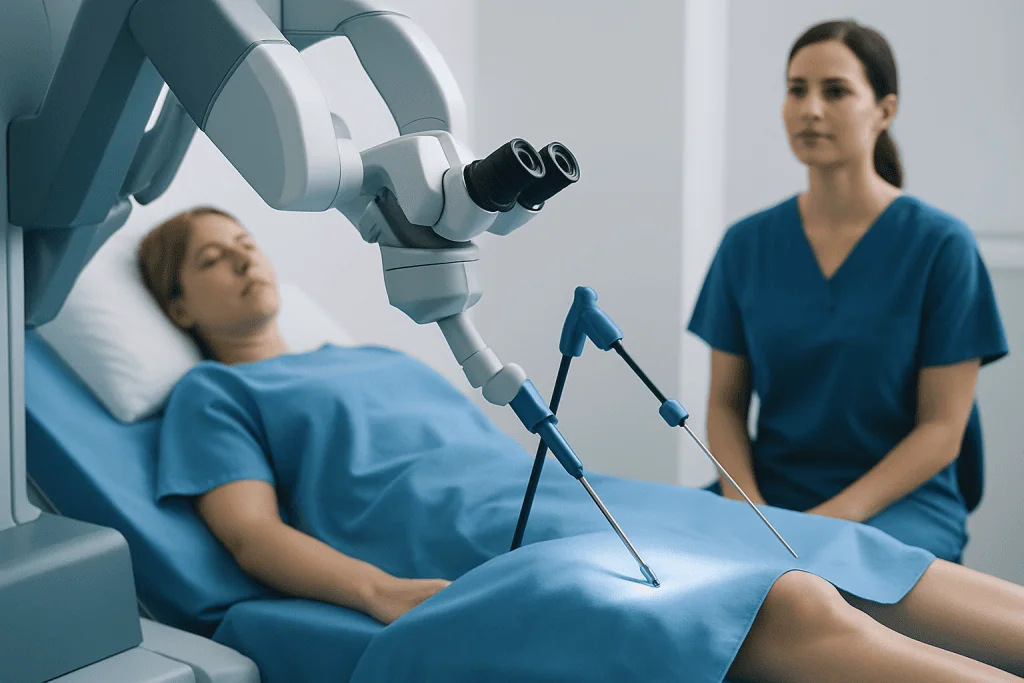
A hysterectomy may be recommended for conditions that affect quality of life or health. Common reasons include uterine fibroids, heavy or prolonged bleeding, adenomyosis, endometriosis, uterine prolapse, chronic pelvic pain with a clear gynecologic cause, or certain cancers and precancerous changes. The surgery can be performed through the abdomen, vagina, or with minimally invasive laparoscopic or robotic techniques, depending on the diagnosis and anatomy.
There are different types of hysterectomy. A total hysterectomy removes the uterus and cervix. A subtotal or supracervical hysterectomy removes the uterus but leaves the cervix in place. A radical hysterectomy is a more extensive cancer operation. In some cases, the ovaries are removed at the same time. If the ovaries are preserved, natural hormone production may continue. If both ovaries are removed before natural menopause, menopause usually begins right away.
Candidacy depends on the underlying condition, symptoms, age, fertility goals, general health, and whether less invasive treatments have already been tried. For example, severe symptoms related to uterine fibroids or persistent endometriosis may lead a specialist to discuss hysterectomy if other treatments have not provided enough relief. A careful preoperative discussion should include expected benefits, possible risks, alternatives, and how surgery may affect recovery, hormones, and sexual well-being.
What happens before, during, and just after hysterectomy

Before surgery, the care team usually reviews symptoms, imaging, prior treatments, medications, and medical history. Blood tests and a pelvic examination may be needed, and some patients have ultrasound, MRI, or biopsy depending on the reason for surgery. The surgical plan should also cover whether the cervix or ovaries will be removed and what that may mean for future hormone changes and sexual function.
During the procedure, the surgeon removes the uterus using the planned approach. Minimally invasive surgery often uses small incisions and a camera, while vaginal hysterectomy removes the uterus through the vagina without abdominal cuts. In abdominal surgery, the uterus is removed through a larger incision. If necessary, the surgeon may also treat related problems at the same time, such as scar tissue, ovarian disease, or prolapse. In selected cases, related procedures may be part of broader gynecology treatment planning.
After surgery, patients are monitored for pain control, bleeding, urination, bowel function, and early movement. The upper part of the vagina, called the vaginal cuff when the cervix is removed, needs time to heal. This is one reason doctors usually recommend avoiding vaginal intercourse, tampons, and douching for a period of time. Early recovery focuses on rest, walking, hydration, and following specific instructions from the surgical team.
Recovery timeline and when sex is usually safe again
Recovery is individual, but many patients are told to wait about 6 to 8 weeks before resuming vaginal intercourse. This timing depends on the type of surgery, whether healing is complete, and whether there are complications. A follow-up examination is important because a person may feel well before the internal tissues are fully healed.
In the first few weeks, fatigue, abdominal discomfort, light spotting, and emotional ups and downs can be normal. During this period, non-penetrative intimacy such as cuddling, massage, kissing, and affectionate touch may help couples stay connected without putting pressure on healing tissues. It is often helpful to restart sexual activity gradually rather than expecting an immediate return to previous routines.
By the time a doctor confirms healing, many people can resume sex safely. The first few attempts may feel different. Some notice mild apprehension, temporary dryness, or a sense of tightness. Going slowly, using a water-based or silicone-based lubricant, choosing comfortable positions, and stopping if there is pain can make the experience easier. If both ovaries were removed or menopause occurred around the time of surgery, symptoms such as vaginal dryness or reduced desire may last longer and may need treatment.
What can affect sexual function after hysterectomy
Sexuality after hysterectomy is shaped by several physical and emotional factors. Relief from prior symptoms is one of the most important. If sex was painful before surgery because of fibroids, adenomyosis, bleeding, or pelvic pressure, pleasure may improve once those symptoms are gone. On the other hand, healing discomfort, scar sensitivity, fear of pain, and stress can reduce interest in sex for a time.
Hormones also matter. If the ovaries remain, hormone levels may continue with little immediate change. If the ovaries are removed, estrogen levels drop sharply, which can cause vaginal dryness, sleep changes, hot flashes, and lower sexual desire. Even without ovary removal, some patients around the age of natural menopause may notice changes in arousal or lubrication during recovery.
Emotional adjustment is another important part of post hysterectomy sexuality. Some people feel relieved and more confident, while others grieve the loss of fertility or feel different about their body. Relationship factors, previous sexual pain, anxiety, and depression can all influence recovery. In addition, pelvic floor muscles may become tense or sore after surgery, which can contribute to discomfort. When symptoms are ongoing, referral for physical therapy and rehabilitation or sexual health counseling may be useful.
- Physical influences: healing tissues, pelvic floor tension, dryness, surgical menopause, pain relief from the original condition
- Emotional influences: body image, fertility loss, anxiety, relationship stress, expectations about sex
- Practical influences: timing of return to sex, use of lubricant, communication with a partner, follow-up care
Diagnosis and treatment of sexual concerns after surgery
If sexual symptoms continue after the expected healing period, doctors usually begin by asking specific questions about pain, bleeding, dryness, desire, orgasm, mood, and relationship concerns. A pelvic examination may be needed to check the vaginal cuff, scar tissue, pelvic floor tenderness, infection, or signs of prolapse. In some cases, blood tests or imaging are considered if symptoms suggest menopause, anemia, infection, or another condition unrelated to surgery.
Treatment depends on the cause. Vaginal dryness may improve with lubricants and moisturizers, and some patients may be candidates for local vaginal estrogen or other menopause-related therapies under medical supervision. Pelvic floor physical therapy can help when pain is linked to muscle tension or fear-related guarding. If symptoms are related to low mood, grief, or relationship stress, counseling or sex therapy may be appropriate and can be combined with medical treatment.
Persistent pain with intercourse should not be ignored. Although some hesitation is common at first, sharp pain, ongoing bleeding, or a major change in bladder or bowel symptoms needs medical review. A multidisciplinary approach is often most helpful because post hysterectomy sexuality involves surgical healing, hormonal health, emotional recovery, and pelvic floor function together rather than one issue alone.
Benefits, risks, and practical self-care for sexual recovery
The potential sexual benefits of hysterectomy usually come from treating the condition that led to surgery. Less bleeding, fewer cramps, reduced pelvic pressure, and less pain during sex can improve comfort and quality of life. Some patients feel more relaxed about intimacy once concerns about heavy periods or severe pelvic symptoms are gone. These benefits are more likely when expectations are realistic and recovery is not rushed.
Risks and challenges can include temporary pain with intercourse, vaginal dryness, reduced desire, scar tenderness, fatigue, or emotional adjustment. Less commonly, there may be infection, poor healing, pelvic floor dysfunction, or vaginal cuff problems. The overall experience varies by surgical approach, the reason for surgery, age, ovarian status, and whether menopause symptoms develop.
Helpful self-care steps include attending follow-up visits, waiting until a doctor confirms healing, using lubricant, starting gently, and speaking openly with a partner about fears or discomfort. Rest, walking, constipation prevention, and avoiding smoking can support healing. If concerns continue, specialist care matters. Near the end of recovery, patients who need further evaluation may be assessed by multidisciplinary women’s health specialists; Acibadem International’s JCI-accredited hospitals provide diagnosis and treatment for international patients when appropriate.
When to seek medical care
Medical advice is important if pain, bleeding, or sexual difficulties continue beyond the expected recovery period. A person should contact a doctor sooner if they develop fever, worsening pelvic pain, foul-smelling discharge, heavy vaginal bleeding, pain with urination, leg swelling, chest pain, or shortness of breath. These symptoms are not typical signs of routine sexual recovery and may need urgent attention.
It is also reasonable to seek help for non-urgent but persistent concerns such as vaginal dryness, fear of intercourse, low desire, inability to resume sex comfortably, or sadness related to body image or fertility loss. These issues are common and treatable. Early support can prevent short-term recovery problems from becoming longer-term sexual pain or relationship strain.
A follow-up conversation with a gynecologist can clarify whether healing is complete and whether additional treatment is needed. Patients do not need to wait until symptoms become severe to ask questions. Sexual health is a routine part of postoperative care and deserves the same attention as pain control, wound healing, and hormonal health.
Frequently asked questions
Will sex feel different after a hysterectomy?
It can feel different at first, but many people find that sex becomes more comfortable once they have healed. Differences may relate to temporary tenderness, dryness, anxiety, or hormonal changes rather than loss of sexual function itself. For some patients, sexual satisfaction improves because the symptoms that caused pain or heavy bleeding are gone.
How long should someone wait to have sex after hysterectomy?
Many doctors recommend waiting about 6 to 8 weeks before vaginal intercourse, but the exact timing depends on the type of surgery and healing progress. Internal tissues may still be healing even when the patient feels better externally. A follow-up examination helps confirm when it is safe to resume sex.
Does a hysterectomy reduce sexual desire?
Not necessarily. Sexual desire may temporarily decrease because of pain, fatigue, stress, or concern about healing. If the ovaries are removed, hormone changes can also affect desire, but these symptoms may be managed with appropriate treatment and support.
Can someone still have orgasms after a hysterectomy?
Yes, many people can still have orgasms after a hysterectomy. Orgasm depends on several physical and emotional factors, and removal of the uterus does not automatically prevent sexual pleasure. Some patients notice little change, while others need time to adjust during recovery.
Is vaginal dryness common after hysterectomy?
Vaginal dryness can happen, especially if both ovaries were removed or if menopause occurs around the time of surgery. It may also be more noticeable when resuming sex after a healing period. Lubricants, vaginal moisturizers, and doctor-guided treatments can often help.
What if sex is painful months after surgery?
Pain months after surgery is not something to simply push through. It may be related to dryness, scar sensitivity, pelvic floor muscle tension, incomplete healing, or another gynecologic issue. A medical evaluation can identify the cause and guide treatment such as pelvic floor therapy, lubricants, or hormonal support when appropriate.
References
- American College of Obstetricians and Gynecologists
- National Health Service
- National Institute for Health and Care Excellence
- Mayo Clinic
- Royal College of Obstetricians and Gynaecologists
This article is for general information only and is not a substitute for professional medical advice. Please consult a qualified doctor about your individual situation.
Hysterectomy in Turkey — costs, top hospitals & a free quote
JCI-accredited · board-certified surgeons · reply within 24h
Add us as a Preferred Source to see more of our trusted health content across Google Search, AI Overviews and Discover.

Gynecology & Obstetrics
Women’s health across pregnancy, gynecologic surgery and high-risk pregnancy care.
187 specialists in this unit