Preventive Care for Women: Key Screenings, Vaccines, and Health Checks

Preventive care helps detect many conditions early, when treatment is often simpler and more effective. Recommended screenings vary by age, family history, medical history, and personal risk factors.
Key Takeaways
- Preventive care helps detect many conditions early, when treatment is often simpler and more effective.
- Recommended screenings vary by age, family history, medical history, and personal risk factors.
- Vaccines remain important in adulthood and help protect against infections that can lead to serious illness.
- Routine checks such as blood pressure, cholesterol, and diabetes screening support heart and metabolic health.
- A primary care doctor or gynecologist can help create a personalized prevention plan.
Preventive care for women focuses on finding health issues early, reducing future risk, and supporting well-being through every stage of life. Regular screenings, vaccinations, and routine health checks are an important part of staying healthy, even when a person feels well.
Overview
Preventive care for women includes regular health visits, screening tests, vaccinations, and lifestyle guidance designed to protect health before problems become serious. It is not only about checking for disease. It also helps support healthy aging, reproductive health, mental well-being, bone strength, and heart health.
Many important conditions, including high blood pressure, diabetes, cervical changes, breast disease, and some cancers, may not cause symptoms in their early stages. Screening can help identify concerns earlier, when they may be easier to monitor or treat. This is why routine care remains important even when a woman feels completely healthy.
Prevention is not one-size-fits-all. Recommended tests and timing depend on age, menstrual and reproductive history, family history, existing conditions, medications, and lifestyle factors such as smoking, alcohol use, diet, sleep, and exercise. A personalized plan helps make preventive care more effective and more relevant.
Key Screenings Women May Need
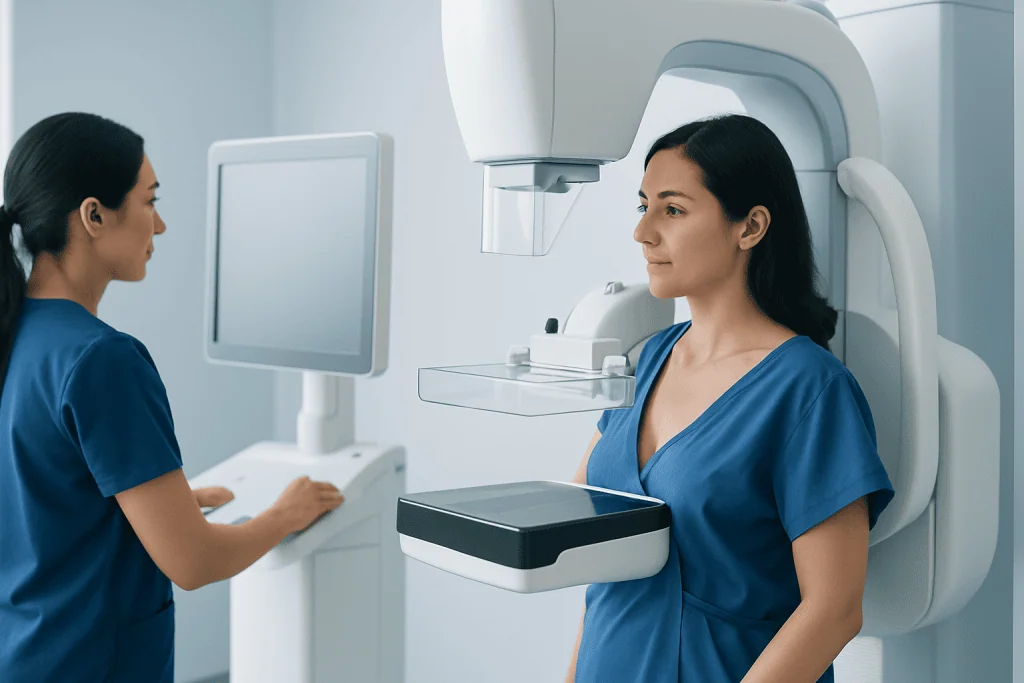
Screening recommendations can vary slightly between countries and medical organizations, but several core checks are widely advised. Cervical cancer screening may include a Pap test, HPV test, or both, depending on age and local guidance. Breast screening may involve mammography at intervals based on age and risk. Some women with a strong family history may need earlier or additional evaluation.
Routine preventive care also includes checking blood pressure, body weight, cholesterol, and blood sugar. These tests help assess the risk of heart disease, stroke, and diabetes. Screening for colorectal cancer becomes important in midlife for most adults, and earlier for some people with family history or other risk factors.
Bone health is another key area, especially after menopause or if there are risk factors for osteoporosis such as low body weight, smoking, long-term steroid use, or a history of fractures. Depending on age and symptoms, a doctor may also discuss thyroid testing, skin checks, vision and hearing assessments, or screening for sexually transmitted infections.
- Cervical cancer screening
- Breast cancer screening
- Blood pressure measurement
- Cholesterol and diabetes screening
- Colorectal cancer screening
- Bone density assessment when appropriate
- Sexual health screening based on risk
Vaccines and Immunizations in Adulthood

Vaccination is an essential part of preventive care for women, not only during childhood but throughout adult life. Recommended vaccines may include influenza, COVID-19, tetanus-diphtheria-pertussis boosters, and vaccines that protect against infections such as HPV, hepatitis, pneumococcal disease, shingles, or measles-mumps-rubella when indicated.
The right schedule depends on age, pregnancy status, work and travel exposures, medical conditions, and previous vaccination history. For example, the HPV vaccine can help prevent infections linked to cervical and other cancers, while flu and COVID-19 vaccines help reduce the risk of serious respiratory illness. Some vaccines are especially important before pregnancy or during pregnancy, based on a doctor’s advice.
Adults sometimes assume they are fully protected because they were vaccinated as children, but immunity can change over time and booster doses may be needed. A doctor can review vaccination records and recommend which immunizations are due. Keeping vaccines up to date is one of the simplest and most effective ways to support long-term health.
Routine Health Checks Beyond Cancer Screening
Preventive care includes more than tests for cancer. Regular health checks can help identify silent conditions that affect long-term well-being. Blood pressure monitoring is especially important because hypertension often causes no symptoms while increasing the risk of heart disease, stroke, and kidney problems.
Cholesterol testing and diabetes screening are also valuable because they help reveal metabolic risk early. Depending on symptoms and age, doctors may assess thyroid function, anemia, kidney health, liver health, or vitamin deficiencies. Dental checkups, eye exams, and skin evaluations are also part of a broad prevention strategy.
Mental health should not be overlooked. Screening for depression, anxiety, sleep difficulties, stress, substance use, and intimate partner violence may be discussed during routine visits. Sexual and reproductive health, menstrual changes, contraception, fertility questions, and menopause symptoms are also important topics that deserve regular attention in women’s preventive care.
How Age, Family History, and Life Stage Affect Prevention
Preventive care needs change over time. In younger adulthood, visits often focus on menstrual health, contraception, sexual health, HPV vaccination, cervical screening, and healthy lifestyle habits. During the reproductive years, preconception counseling and pregnancy-related vaccination or testing may become part of care.
In midlife, the focus often expands to breast health, heart risk, colorectal cancer screening, weight management, and early signs of menopause. After menopause, bone density, fracture prevention, cardiovascular health, and changes in urinary or pelvic health become increasingly relevant. Women who have had a hysterectomy, pregnancy complications, or early menopause may need tailored advice.
Family history can also significantly change screening plans. A strong family history of breast, ovarian, colorectal, or other cancers may lead to earlier or more specialized testing. A doctor may also recommend closer follow-up when there is a personal history of abnormal screening results or chronic conditions such as diabetes, autoimmune disease, or high blood pressure.
Prevention Through Lifestyle and Self-Care
Healthy daily habits are a major part of preventive care for women. Regular physical activity, balanced nutrition, good sleep, stress management, and avoiding tobacco all support overall health and reduce the risk of many chronic diseases. Limiting alcohol and maintaining a healthy weight can also help lower the risk of heart disease, liver disease, certain cancers, and metabolic problems.
Self-care also includes knowing what is normal for the body and paying attention to changes. This may involve being aware of new breast changes, unusual bleeding, persistent pelvic pain, changes in bowel habits, urinary symptoms, or unexplained fatigue. Self-awareness does not replace screening, but it can help women seek care promptly when something changes.
Doctors may recommend individualized support such as nutrition counseling, exercise guidance, smoking cessation programs, or evaluation for breast cancer risk or cervical cancer prevention when appropriate. Some women may benefit from structured checks such as check-up and screening visits, mammography, or Pap smear testing as part of a personalized prevention plan.
When to See a Doctor and Building a Prevention Plan
A woman should not wait for symptoms before arranging preventive care. Regular visits with a primary care doctor or gynecologist help keep screening and vaccination schedules up to date. These appointments are also useful for reviewing family history, medications, pregnancy plans, menstrual changes, menopause symptoms, and lifestyle factors that can influence long-term health.
Prompt medical advice is important if there are warning signs such as abnormal vaginal bleeding, a new breast lump, persistent pelvic pain, unusual discharge, unexplained weight loss, blood in the stool, chest symptoms, or lasting fatigue. While many causes are not serious, symptoms that persist or worsen deserve medical evaluation.
Building a prevention plan is often easiest when it is reviewed once a year and adjusted over time. Near the end of this process, some women may seek care in specialized centers; Acibadem International’s multidisciplinary specialists and JCI-accredited hospitals provide diagnosis and treatment for international patients when preventive findings need further evaluation. The most useful plan is one that is realistic, personalized, and regularly updated with a qualified doctor.
Frequently asked questions
Why is preventive care important if a woman feels healthy?
Many common conditions develop gradually and may not cause symptoms at first. Preventive care helps detect issues early and supports healthy habits that can lower future risk.
How often should women have routine checkups?
The best schedule depends on age, medical history, and risk factors. Many women benefit from regular annual review visits, but some screenings are needed more or less often based on a doctor's advice.
Are gynecologic visits the same as all preventive care?
No. Gynecologic care is an important part of prevention, but it does not replace general health care such as blood pressure, cholesterol, diabetes, mental health, and vaccination review.
Which vaccines are commonly recommended for adult women?
Common adult vaccines may include influenza, COVID-19, tetanus boosters, and others such as HPV, shingles, hepatitis, or pneumococcal vaccines depending on age and risk. A doctor can review vaccination history and recommend what is appropriate.
Do screening recommendations change after menopause?
Yes. After menopause, bone health, heart risk, and some cancer screenings may become especially important. Individual needs also depend on past medical history, hormone status, and family history.
What should a woman bring to a preventive care appointment?
It is helpful to bring a list of medications, past test results if available, vaccination records, and information about family history. Questions about symptoms, menstrual changes, fertility plans, or menopause concerns can also help make the visit more useful.
References
- World Health Organization
- Centers for Disease Control and Prevention
- U.S. Preventive Services Task Force
- American College of Obstetricians and Gynecologists
- National Cancer Institute
This article is for general information only and is not a substitute for professional medical advice. Please consult a qualified doctor about your individual situation.
Heart care in Turkey — expert evaluation and treatment
JCI-accredited · board-certified surgeons · reply within 24h
Add us as a Preferred Source to see more of our trusted health content across Google Search, AI Overviews and Discover.
Check your numbers in seconds
BMI, calories, due date, blood pressure and 30+ more clinical calculators — free, instant, doctor-reviewed ranges.