Pulmonary Disease: Types, Symptoms, and How Doctors Diagnose It

Pulmonary disease includes many lung conditions, such as asthma, COPD, infections, interstitial lung disease, and pulmonary vascular disorders. Common symptoms include shortness of breath, cough, wheezing, chest discomfort, and reduced exercise tolerance.
Key Takeaways
- Pulmonary disease includes many lung conditions, such as asthma, COPD, infections, interstitial lung disease, and pulmonary vascular disorders.
- Common symptoms include shortness of breath, cough, wheezing, chest discomfort, and reduced exercise tolerance.
- Doctors diagnose pulmonary disease using medical history, physical examination, lung function tests, imaging, and sometimes blood tests or bronchoscopy.
- Treatment depends on the cause and may include inhaled medicines, antibiotics, pulmonary rehabilitation, oxygen therapy, or other targeted care.
- Avoiding smoking, reducing exposure to pollutants, staying vaccinated, and following treatment plans can help protect lung health.
Pulmonary disease is a broad term for conditions that affect the lungs and airways, making breathing less efficient or more difficult. Understanding the different types, common symptoms, and diagnostic tests can help people seek timely care and manage lung health more effectively.
Overview of Pulmonary Disease
Pulmonary disease refers to a wide range of conditions that affect the lungs, airways, or the blood vessels involved in breathing. These conditions may interfere with how air moves in and out of the lungs, how oxygen passes into the blood, or how the lungs expand. Some pulmonary diseases are short-term, such as a lung infection, while others are chronic and need ongoing care.
The term covers several major groups of illness. These include obstructive airway diseases such as asthma and chronic obstructive pulmonary disease (COPD), restrictive diseases that limit lung expansion, infections such as pneumonia, and disorders that affect the lung tissue or pulmonary circulation. Because the lungs work closely with the heart and immune system, symptoms can sometimes overlap with other health problems.
Many pulmonary diseases can be managed successfully when they are identified early. A careful diagnosis helps doctors understand the exact cause of breathing symptoms and choose the most appropriate treatment plan. For people with persistent respiratory symptoms, medical evaluation is an important step toward relief and better long-term lung health.
Types and Symptoms of Pulmonary Disease
There is no single pattern of pulmonary disease. Some conditions mainly narrow the airways, others inflame the lung tissue, and others affect oxygen exchange. Common examples include asthma, COPD, bronchiectasis, pneumonia, pulmonary fibrosis, pleural disease, and pulmonary embolism. A person may also hear related terms such as lung cancer or pneumonia when doctors are evaluating certain lung symptoms, although these are distinct conditions with their own causes and treatments.
Symptoms vary depending on the underlying problem, but several warning signs are common across many lung conditions. Shortness of breath may appear only during activity at first, then later at rest. A cough can be dry or produce mucus. Wheezing, chest tightness, noisy breathing, fatigue, and reduced ability to exercise are also frequent complaints. In some cases, people may notice recurrent chest infections or a feeling that breathing requires more effort than usual.
More specific symptoms can offer clues. For example, sudden chest pain and abrupt breathlessness may raise concern for a clot in the lung, while long-standing morning cough with phlegm is more common in chronic bronchitis. Fever, chills, and cough can suggest infection. Unexplained weight loss, coughing up blood, or symptoms that continue to worsen over time should always be assessed promptly.
- Shortness of breath
- Persistent cough
- Wheezing or whistling sounds when breathing
- Chest tightness or discomfort
- Fatigue or poor exercise tolerance
- Excess mucus or sputum
- Frequent respiratory infections
Causes and Risk Factors

Pulmonary disease can develop for many reasons. Smoking remains one of the best-known risk factors for chronic lung disease, especially COPD and certain cancers. However, not all lung conditions are linked to smoking. Viral and bacterial infections, air pollution, occupational dusts and chemicals, allergens, autoimmune diseases, and genetic factors may also play a role.
Age, family history, and pre-existing medical conditions can influence risk. People who have asthma, allergies, reflux disease, obesity, heart disease, or weakened immunity may be more vulnerable to certain respiratory problems. Workplace exposures are also important. Repeated contact with asbestos, silica, coal dust, fumes, or other inhaled irritants can damage lung tissue over time.
In some people, pulmonary disease results from inflammation or scarring in the lung tissue itself. In others, the problem affects the airways or the blood vessels in and around the lungs. Doctors consider the timing of symptoms, personal habits, home and work environment, travel history, and previous illnesses when looking for the likely cause.
How Doctors Diagnose Pulmonary Disease
Diagnosis begins with a detailed medical history and physical examination. Doctors ask about symptoms, smoking history, occupational exposures, allergies, medications, family history, and the way symptoms affect daily life. During the examination, they may listen for wheezing, crackles, or reduced breath sounds and look for signs such as low oxygen levels, swelling, or changes in the fingertips.
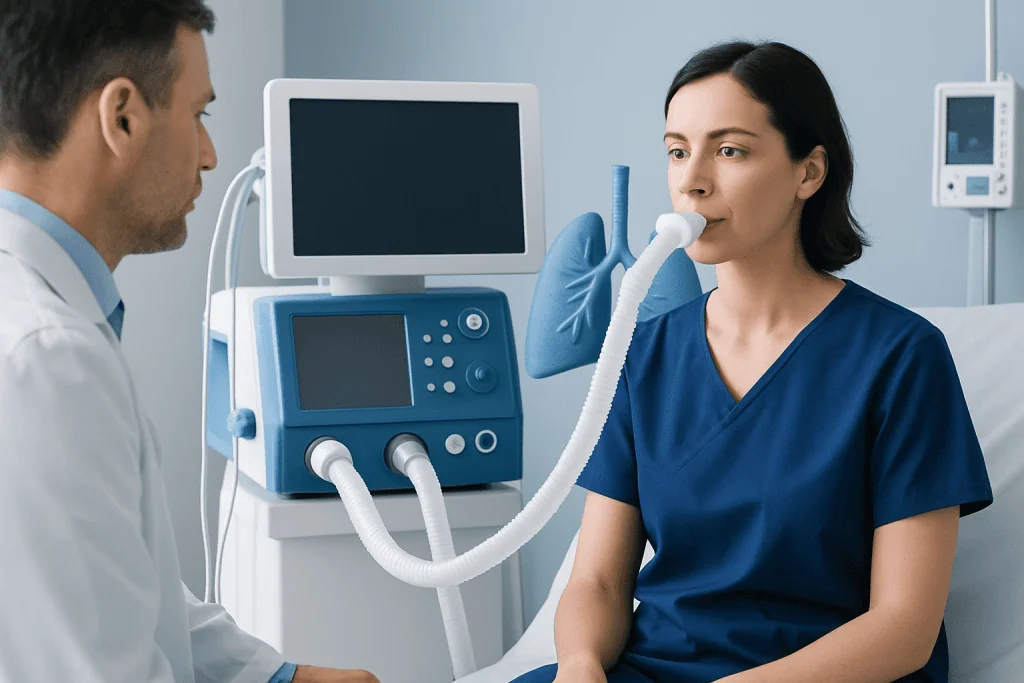
Lung function testing is often central to the evaluation. Spirometry measures how much air a person can breathe out and how quickly, helping identify obstructive or restrictive patterns. Depending on the situation, doctors may also request full pulmonary function tests, exercise testing, pulse oximetry, or arterial blood gas analysis to better understand oxygen and carbon dioxide levels.
Imaging studies help show what is happening inside the chest. A chest X-ray may reveal infection, fluid, or enlarged lungs, while a CT scan can provide more detailed views of lung tissue, nodules, scarring, or airway changes. In selected cases, doctors may recommend bronchoscopy to look inside the airways and collect samples, or additional procedures such as sputum analysis, allergy testing, blood tests, or screening for autoimmune disease.
When symptoms are complex or persistent, diagnosis may require a team approach. Pulmonologists, radiologists, infectious disease specialists, and other physicians may work together to distinguish among conditions with similar symptoms. This step-by-step process helps avoid unnecessary treatment and supports a more accurate care plan.
Treatment Options
Treatment for pulmonary disease depends on the specific diagnosis, severity, and the person’s overall health. For many airway diseases, inhaled medications are a main part of treatment. These may help open narrowed airways, reduce inflammation, or relieve symptoms during flare-ups. If infection is present, treatment may include antibiotics or antiviral care when appropriate.
Some people benefit from supportive therapies that improve breathing and daily function. These may include supplemental oxygen, breathing exercises, airway clearance techniques, and pulmonary rehabilitation. Pulmonary rehabilitation combines supervised exercise, education, and symptom management strategies to help people stay active and improve quality of life.
In certain cases, more advanced treatment may be needed. For severe structural lung disease, persistent pleural problems, or selected tumors, surgery can sometimes play a role, including thoracic surgery. For people with suspicious lung findings, doctors may also consider lung biopsy when imaging and routine tests do not provide enough information for a clear diagnosis.
Long-term management usually includes regular follow-up and monitoring. Treatment plans often need adjustment over time as symptoms change or new test results become available. Good communication with a healthcare professional is important, especially after emergency visits, hospital stays, or any sudden worsening of breathing symptoms.
Prevention and Self-care
Not every pulmonary disease can be prevented, but many healthy habits can lower risk and support lung function. Avoiding tobacco smoke is one of the most important steps. This includes active smoking and regular exposure to secondhand smoke. People who work around dust, fumes, or chemicals should use appropriate protective equipment and follow workplace safety guidance.
Vaccination can help reduce the risk of respiratory infections that may worsen lung disease. Doctors commonly recommend routine vaccines such as influenza and, when appropriate, pneumococcal vaccination. Hand hygiene, good ventilation, and avoiding close contact with people who are acutely ill can also help limit infections.
Self-care matters for people already living with pulmonary disease. Following prescribed medications correctly, using inhalers with the proper technique, staying physically active within safe limits, and attending follow-up appointments all support better control. Some people also benefit from learning how to recognize early signs of a flare-up so they can seek help before symptoms become more severe.
Near the end of a longer care journey, some patients may need coordinated support across specialties. Acibadem International’s multidisciplinary specialists and JCI-accredited hospitals diagnose and treat pulmonary disease for international patients when advanced evaluation or treatment is needed.
When to See a Doctor
A doctor should evaluate breathing symptoms that are persistent, unexplained, or getting worse. A cough lasting more than a few weeks, repeated chest infections, wheezing, or shortness of breath with usual daily activities may all suggest an underlying lung problem. Early evaluation can make diagnosis easier and may improve treatment options.
Urgent medical attention is important for sudden or severe symptoms. These include marked difficulty breathing, bluish lips, confusion, high fever with breathing trouble, chest pain that worsens with breathing, or coughing up blood. These symptoms do not always mean a dangerous condition, but they should not be ignored.
People with known pulmonary disease should also seek medical advice if their usual medicines no longer control symptoms, if oxygen levels drop, or if flare-ups become more frequent. Keeping a record of symptoms, triggers, and home oxygen readings, if used, can help the doctor understand what is changing and decide on the next steps.
Frequently asked questions
What does pulmonary disease mean?
Pulmonary disease is a general term for conditions that affect the lungs or airways. It includes many different disorders, from asthma and COPD to infections, scarring diseases, and blood vessel problems in the lungs.
What are the most common symptoms of pulmonary disease?
Common symptoms include shortness of breath, cough, wheezing, chest tightness, and reduced exercise tolerance. Some people also have mucus production, frequent respiratory infections, or unusual fatigue.
Is pulmonary disease the same as COPD?
No. COPD is one type of pulmonary disease, but the term pulmonary disease is much broader. It includes many other lung conditions, such as asthma, pneumonia, pulmonary fibrosis, and pleural disorders.
How do doctors test for pulmonary disease?
Doctors usually begin with a medical history, physical examination, and basic tests such as spirometry and chest imaging. Depending on the symptoms, they may also order blood tests, CT scans, oxygen testing, sputum studies, or bronchoscopy.
Can pulmonary disease be cured?
Some pulmonary conditions, such as certain infections, may resolve completely with appropriate treatment. Others are chronic and cannot be cured, but they can often be managed well with medicines, lifestyle changes, rehabilitation, and regular follow-up.
When should someone worry about breathing symptoms?
Breathing symptoms should be assessed if they are persistent, worsening, or interfering with daily life. Emergency care is needed for severe shortness of breath, chest pain, bluish lips, confusion, or coughing up blood.
References
- World Health Organization
- American Lung Association
- National Heart, Lung, and Blood Institute
- European Respiratory Society
- Centers for Disease Control and Prevention
This article is for general information only and is not a substitute for professional medical advice. Please consult a qualified doctor about your individual situation.
Pulmonary Disease in Turkey — costs, top hospitals & a free quote
JCI-accredited · board-certified surgeons · reply within 24h
Add us as a Preferred Source to see more of our trusted health content across Google Search, AI Overviews and Discover.