Reactive Hypoglycemia: Diagnosis, Outlook, and Modern Treatment Approaches

Reactive hypoglycemia is confirmed when symptoms occur with a measured low blood glucose and resolve once glucose returns to normal (Whipple's triad), not by symptoms alone. See a doctor if post-meal shakiness, sweating, or confusion recurs; testing can rule out other causes such as hormonal disorders or, rarely, insulin-producing tumors.
Key Takeaways
- Reactive hypoglycemia refers to low blood sugar that occurs after meals, not during fasting.
- Common symptoms include shakiness, sweating, hunger, weakness, anxiety, and difficulty concentrating.
- Diagnosis depends on matching symptoms with documented low glucose and excluding other medical causes.
- Treatment often focuses on meal timing and food choices, especially balanced meals with protein, fiber, and slower-digesting carbohydrates.
- Medical evaluation is important if symptoms are recurrent, severe, or associated with fainting, confusion, or diabetes treatment.
You eat lunch, feel fine, and then two or three hours later you’re shaky, sweaty, starving and a little lightheaded. That pattern has a name: reactive hypoglycemia, a drop in blood sugar that happens within a few hours after eating.
To diagnose it, doctors usually need to confirm that your symptoms line up with a low glucose reading and that you feel better once glucose returns to normal. Other possible causes are checked at the same time.
Overview: what reactive hypoglycemia means
Reactive hypoglycemia means blood sugar falls after eating, usually within about two to five hours of a meal. The symptoms are real and unpleasant, but the cause is not always dangerous. What matters is confirming that your glucose truly drops during symptoms, and working out why.
This condition is sometimes called postprandial hypoglycemia. It is different from fasting hypoglycemia, which happens after not eating for a longer period. Reactive hypoglycemia may be seen in people without diabetes, in those who have had certain stomach surgeries, or in people with other metabolic or hormonal conditions.
Low blood sugar can feel a lot like anxiety, dehydration, or a medication side effect, so symptoms alone are not enough to diagnose it. A careful history, the right tests, and a look at how you eat point to the next steps.
Symptoms and how episodes may feel
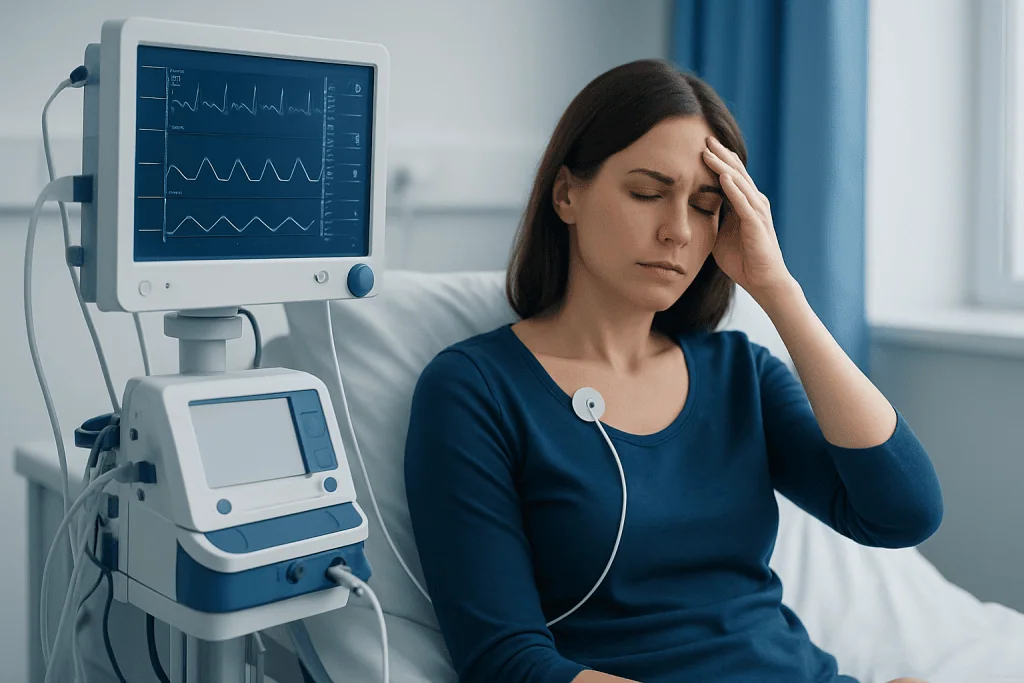
Symptoms of reactive hypoglycemia often come on suddenly after a meal. People may notice shakiness, sweating, a fast heartbeat, hunger, weakness, tingling, nausea, irritability, blurred vision, or trouble concentrating. Some describe feeling “crashy” or unusually tired a few hours after eating sugary or refined-carbohydrate foods.
When the brain does not get enough glucose, neuroglycopenic symptoms can appear. These may include confusion, difficulty speaking clearly, clumsiness, unusual behavior, or in severe cases fainting. These symptoms are less common but are more urgent because they can affect safety and daily functioning.
Doctors often look for what is known as Whipple’s triad: symptoms consistent with hypoglycemia, a measured low blood glucose at the time of symptoms, and relief once the glucose level returns to normal. This helps distinguish true hypoglycemia from other conditions that can feel similar.
- Adrenergic symptoms: shakiness, sweating, palpitations, anxiety
- Neuroglycopenic symptoms: confusion, blurred vision, weakness, poor concentration
- Timing clue: symptoms usually begin a few hours after eating
Why reactive hypoglycemia happens

There are several reasons this happens. In some people, the body releases more insulin than it needs after a meal, especially one heavy in quickly absorbed carbohydrates. The extra insulin lowers blood sugar more than expected, leading to symptoms. In others, the issue is related to how quickly food leaves the stomach or how the gut and pancreas signal each other after eating.
Episodes can occur after certain upper gastrointestinal procedures because food may move more rapidly into the small intestine, triggering a stronger insulin response. Hormonal disorders, some medications, alcohol use, severe illness, and rare insulin-producing tumors can also cause low glucose, although these are not the usual explanation for typical post-meal symptoms.
In some cases, reactive hypoglycemia may overlap with insulin resistance, prediabetes, or other metabolic concerns. That does not mean everyone with symptoms will develop diabetes, but it is one reason a clinician may review diet, weight changes, family history, and overall endocrine health. Related evaluation may include assessment for diabetes or other hormonal conditions when clinically appropriate.
Diagnosis: confirming low blood sugar and finding the cause
Diagnosis starts with a detailed history. A doctor will ask when symptoms happen, what foods were eaten, how long symptoms last, whether there has been weight loss or surgery, and whether any medicines or supplements could be contributing. The most important step is to document glucose during an episode rather than assuming every post-meal symptom is hypoglycemia.
Blood tests may be done during spontaneous symptoms or during a supervised mixed-meal test. A mixed-meal test is generally more helpful than an oral glucose tolerance test for this problem because it better reflects real-life eating patterns. Depending on the situation, clinicians may also measure insulin, C-peptide, and other markers to understand whether the body is producing too much insulin.
If symptoms are severe, frequent, or atypical, doctors may investigate other causes of hypoglycemia. These can include endocrine problems, liver or kidney disease, medication-related effects, or rare pancreatic conditions. Imaging or specialist referral may be needed if there is concern for structural causes. In selected cases, advanced evaluation such as MRI can help investigate possible underlying disorders.
Because the differential diagnosis can be broad, assessment is often individualized. Endocrinology input can be especially useful when episodes are hard to document, occur with fasting as well as after meals, or do not improve with dietary changes.
Modern treatment approaches
What we treat depends on what is causing it. For most people, food comes first: smaller, more frequent meals; avoiding large amounts of refined sugar; pairing carbohydrates with protein, healthy fats, and fiber; and not going long stretches without eating. These habits slow digestion and smooth out the swings in blood glucose.
Examples of helpful choices include yogurt with nuts, whole-grain toast with egg, beans, vegetables, fish, lean poultry, and fruit paired with a protein source. Sugary drinks, desserts eaten alone, and highly processed snacks may trigger symptoms in some people because they can lead to a faster glucose rise followed by a sharper insulin response.
When symptoms are linked to prior stomach surgery or another specific medical problem, treatment is tailored to that cause. Some patients may benefit from structured nutritional counseling, while others may need further endocrine or gastrointestinal care. If an underlying pancreatic or gastrointestinal issue is suspected, doctors may coordinate testing and treatment with specialists, including endoscopy or gastroenterology care when appropriate.
Medication is not needed for most people, but it may be considered in selected situations under specialist guidance. Treatment should always be individualized, especially for patients with diabetes, pregnancy, other endocrine disorders, or recurrent episodes that interfere with safety.
Prevention and self-care in daily life
Most of self-care comes down to keeping meals steady and predictable. Eating every three to four hours helps some people avoid the long gaps that set up a strong hunger-and-insulin cycle. A food and symptom diary can be very useful because it may reveal that symptoms happen after specific meals, large portions, alcohol, or intense exercise without enough fuel.
Drinking enough water, sleeping properly, and keeping stress in check can also ease symptoms that mimic or worsen the feeling of low blood sugar. Exercise remains important for overall metabolic health, but some people do better with a pre-workout snack or by avoiding hard exercise immediately after a meal that tends to trigger symptoms.
People who have documented low glucose should ask their clinician how to treat an episode safely. A quick source of carbohydrate may be advised for true hypoglycemia, followed by a more balanced snack or meal if the next meal is not soon. If symptoms occur often, do not keep self-treating without a proper diagnosis, because this can mask another condition or lead to unnecessary overeating.
When to seek medical care
See a doctor if symptoms keep coming back, get in the way of work or driving, come with fainting or confusion, or arrive alongside weight loss, severe weakness, or symptoms while fasting. People who use insulin or other glucose-lowering medicines should seek advice promptly, because medication-related hypoglycemia can be more serious and may require treatment changes.
Urgent care is appropriate for severe symptoms such as loss of consciousness, seizure, inability to swallow safely, or persistent confusion. These situations need immediate assessment, especially if a person has diabetes, recent surgery, significant illness, or is taking medications that affect glucose.
Evaluation may involve primary care, endocrinology, nutrition, and gastroenterology specialists working together. At Acibadem International, multidisciplinary specialists in JCI-accredited hospitals assess and treat patients with suspected hypoglycemia and related metabolic conditions, including broader evaluation when symptoms may overlap with insulin resistance.
Frequently asked questions
Is reactive hypoglycemia the same as diabetes?
No. Reactive hypoglycemia means low blood sugar after eating, while diabetes is a disorder of glucose regulation that more often causes high blood sugar. However, doctors may still evaluate for prediabetes or diabetes if symptoms, risk factors, or test results suggest it.
How long after eating does reactive hypoglycemia happen?
It usually occurs within about two to five hours after a meal. The timing can vary based on the meal composition, digestion, and the underlying cause.
Can anxiety feel like reactive hypoglycemia?
Yes. Shakiness, sweating, fast heartbeat, and lightheadedness can happen with anxiety or stress as well as low blood sugar. That is why diagnosis should include checking blood glucose during symptoms rather than relying on symptoms alone.
What foods are usually better for reactive hypoglycemia?
Meals that combine protein, fiber, and slower-digesting carbohydrates are often better tolerated. Examples include whole grains, legumes, vegetables, nuts, eggs, yogurt, and lean proteins, rather than sugary foods eaten by themselves.
Do people with reactive hypoglycemia need medication?
Most do not. Many improve with meal timing, balanced food choices, and treatment of any underlying condition. Medication may be considered only in selected cases under specialist supervision.
Is an oral glucose tolerance test the best test for reactive hypoglycemia?
Not usually. A mixed-meal test is often more useful because it better reflects real-life eating and can help correlate symptoms with glucose levels. The best test depends on the person's history and the clinician's assessment.
This article is for general information only and is not a substitute for professional medical advice. Please consult a qualified doctor about your individual situation.
Persistent digestive symptoms? Get evaluated in Turkey
7 JCI-accredited hospitals · board-certified surgeons · reply within 24h
Add us as a Preferred Source to see more of our trusted health content across Google Search, AI Overviews and Discover.

Medically reviewed by the Acıbadem International Medical Board — August 24, 2026
See our medical review board →
References (1)
- Low Blood Sugar - MedlinePlus — medlineplus.gov
Endocrinology Specialists at Acibadem

Assoc. Prof. Dr. Sinan Kırım
Endocrinology
Assoc. Prof. Dr. Tuğçe Apaydın
Endocrinology
Dr. Tural Safarlı
Endocrinology
Assoc. Prof. Dr. Adnan Batman (m)
Endocrinology
Assoc. Prof. Dr. Ayşenur Özderya
EndocrinologyRelated Conditions
More from the Health Library

Diabetes: An Evidence-Based Guide for Patients

ACTH Signals the Adrenal Glands to Make Cortisol

How Thyroid Blood Tests Like TSH and Free T4 Are Used
Thyroid Storm Is a Life-Threatening Hyperthyroid Emergency

Metabolic Bone Disease: Diagnosis, Outlook, and Modern Treatment Approaches