Recovery After Gallstones Operation — Explained by Medical Evidence, Not Myths

Most patients recover faster after laparoscopic gallbladder surgery than after open surgery. Mild pain, tiredness, bloating, and short-term digestive changes are common early in recovery.
Key Takeaways
- Most patients recover faster after laparoscopic gallbladder surgery than after open surgery.
- Mild pain, tiredness, bloating, and short-term digestive changes are common early in recovery.
- Walking, hydration, and following wound-care instructions support healing and help prevent complications.
- Severe pain, fever, jaundice, persistent vomiting, or worsening redness around the incision need medical attention.
- Long-term life without a gallbladder is usually normal, though some people need temporary diet adjustments.
Recovery after gallstones operation is usually smooth, especially after laparoscopic surgery, but the timeline varies by the type of procedure, overall health, and whether complications were present before surgery. Most people improve steadily with early walking, light meals, proper wound care, and prompt medical review if warning signs appear.
Overview: what recovery usually looks like
Recovery after gallstones operation is often quicker and more manageable than many people expect. In most cases, the operation is a gallbladder removal, called cholecystectomy, because removing the gallbladder prevents future stone-related attacks. After keyhole surgery (laparoscopic cholecystectomy), many patients go home the same day or after one night in hospital and begin light daily activity within a few days. Recovery is usually longer after open surgery, especially if the gallbladder was severely inflamed or complications were present.
The first days of healing commonly include soreness around the incisions, tiredness, bloating, and sometimes shoulder-tip pain from gas used during laparoscopic surgery. These symptoms are usually temporary and improve gradually. Bowel habits may also change for a short time, with some people noticing constipation, loose stools, or sensitivity to fatty foods.
Medical evidence shows that steady, uncomplicated progress is more important than matching someone else’s timeline. Age, other health conditions, previous attacks of gallstones, infection, and the exact operation performed can all affect recovery. Following the surgical team’s instructions remains the most reliable guide for safe healing.
How long recovery takes after different types of surgery
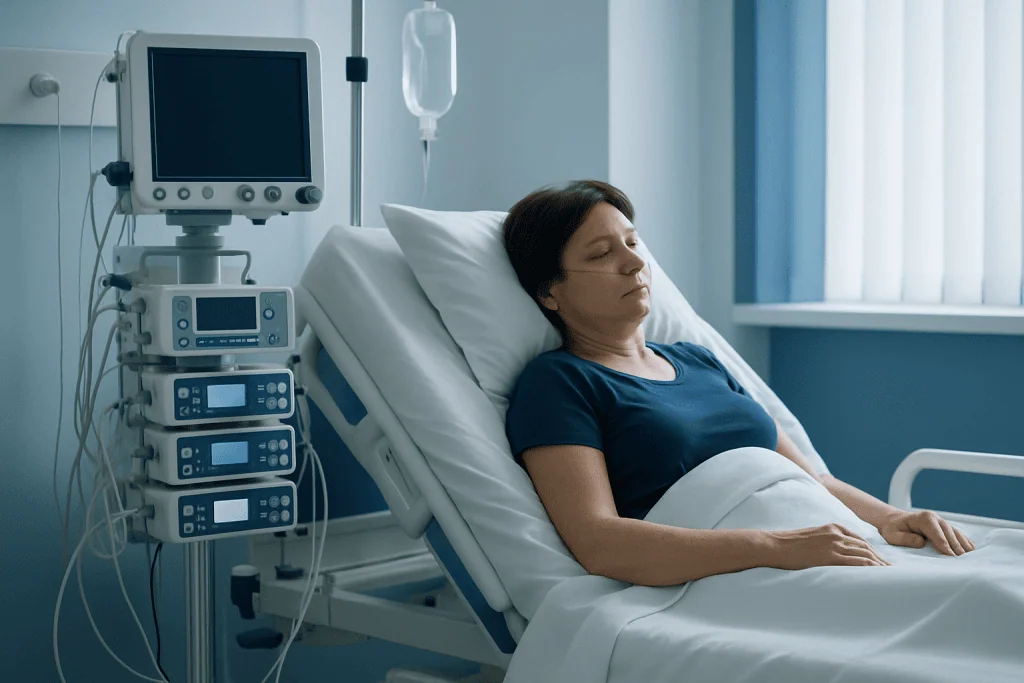
The recovery timeline depends mainly on whether the surgery was laparoscopic or open. After laparoscopic surgery, many people can walk the same day, shower within the timeframe advised by their surgeon, and return to desk-based work in about 1 to 2 weeks. More physically demanding work, exercise, and lifting often need a longer pause. Open surgery involves a larger incision, so pain tends to last longer and full recovery may take several weeks.
Hospital stay also differs. Laparoscopic gallbladder removal often allows early discharge, while open surgery may require a few days in hospital. If the operation was done urgently because of infection, pancreatitis, or blockage of the bile ducts, recovery may be slower than after planned surgery.
It is also important to separate normal recovery from a setback. Day-to-day improvement may not be perfectly linear; some fatigue or digestive fluctuation can continue for a short period. However, symptoms should generally move in the right direction. If recovery seems to stall or worsen, the surgeon may review for issues such as infection, a bile leak, or another digestive problem. Patients who had treatment for related bile-duct stones before or around surgery may also hear terms such as ERCP during their care.
Common symptoms during recovery: normal vs concerning
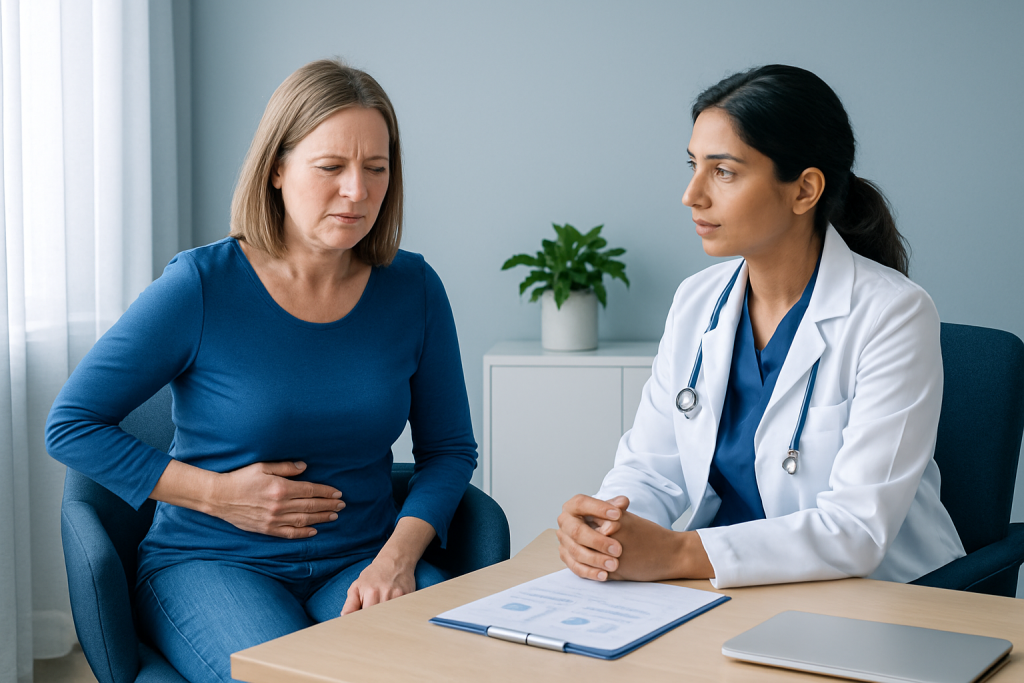
Several symptoms are common after gallbladder surgery and are not usually a sign of danger. These include mild to moderate pain at the incision sites, temporary shoulder discomfort after laparoscopic surgery, bruising, tiredness, abdominal bloating, reduced appetite, and mild nausea. Some people notice loose stools after eating rich or fatty meals because bile now flows more continuously into the intestine rather than being stored in the gallbladder.
Constipation is also common, especially if pain medicines reduce bowel movement or if fluid intake has been low. Gentle walking, adequate hydration, and following advice on fiber and bowel care can help. Small, light meals are often better tolerated than large heavy ones in the first days.
There are also symptoms that should not be ignored. Persistent vomiting, worsening abdominal pain, increasing swelling, yellowing of the eyes or skin, a high fever, chest pain, shortness of breath, or redness and discharge from the wound can suggest a complication. These symptoms do not always mean a serious problem, but they do require medical review without delay.
- Usually expected: mild pain, tiredness, bloating, shoulder pain, reduced appetite, temporary bowel changes
- Needs prompt review: fever, jaundice, severe or increasing pain, pus from the incision, persistent vomiting, breathing difficulty
Daily self-care during recovery
Recovery is supported by simple, consistent self-care rather than strict myths or overly restrictive routines. Early movement is one of the most helpful measures. Short walks improve circulation, support bowel function, and reduce the risk of complications linked to prolonged immobility. At the same time, the body needs rest, so activity should increase gradually rather than all at once.
Wound care should follow the surgeon’s instructions exactly. Patients are usually advised to keep dressings clean and dry, watch for redness or leakage, and avoid soaking the wounds until told it is safe. Pain relief should be used as prescribed or recommended, and medicines should not be restarted or stopped without medical advice, especially blood thinners or diabetes medications.
Eating after surgery does not usually require a special lifelong diet, but the first phase often goes more smoothly with lighter meals. Many people tolerate foods better if they choose smaller portions, drink enough fluids, and temporarily limit very fatty, fried, or spicy foods. If symptoms continue, the team may advise a more structured plan. For patients whose symptoms before surgery overlapped with cholecystitis, recovery may feel slower at first because the body is also healing from inflammation that existed before the operation.
Diet, digestion, and life without a gallbladder
A common concern is whether digestion will be permanently affected after gallbladder removal. In most people, the liver still makes bile normally, and digestion adapts well over time. The difference is that bile drips continuously into the intestine instead of being stored and released in larger amounts after meals. Because of this, some patients have short-term diarrhea or discomfort after eating fatty foods, but these symptoms often settle in the weeks after surgery.
Medical evidence does not support extreme dietary rules for everyone after gallbladder surgery. Instead, a gradual return to a balanced diet is usually advised. Lean proteins, cooked vegetables, fruit, soups, rice, oats, toast, and yogurt are often easier to tolerate early on. High-fat meals, large portions, and heavy alcohol use may worsen symptoms during the initial recovery period.
If loose stools continue or the person struggles to reintroduce foods, the doctor may evaluate for other causes rather than assuming all symptoms are from the missing gallbladder. Occasionally, digestive complaints relate to bile acid diarrhea, reflux, irritable bowel syndrome, or a separate upper digestive condition. When symptoms are complex, a specialist assessment through gastroenterology care may help guide recovery.
Possible complications and why follow-up matters
Gallbladder surgery is common and generally safe, but no operation is completely free of risk. Important complications can include wound infection, bleeding, bile leakage, injury to the bile ducts, retained stones in the common bile duct, blood clots, pneumonia, or adverse reactions related to anesthesia. These problems are uncommon, but recognizing them early is an important part of evidence-based recovery care.
Follow-up allows the surgical team to review healing, discuss pathology findings if relevant, assess bowel symptoms, and confirm when driving, exercise, travel, or work can safely resume. Questions that feel minor to the patient can still be worth raising, especially if they affect nutrition, sleep, or confidence in returning to normal activities.
Some patients have ongoing upper abdominal pain after surgery and worry that the operation failed. In reality, persistent symptoms sometimes come from another cause, such as acid reflux, ulcers, pancreatitis, retained stones, or a bile-duct issue. In selected cases, additional imaging or procedures may be needed, and the doctor may coordinate evaluation with general surgery and digestive specialists. Near the end of recovery planning, patients seeking international care may note that Acibadem International’s multidisciplinary specialists and JCI-accredited hospitals diagnose and treat gallbladder and biliary conditions for international patients.
When to seek medical care
Patients should contact a doctor promptly if they develop symptoms that suggest infection, bile flow problems, or another postoperative complication. Warning signs include fever, chills, increasing rather than improving pain, new jaundice, persistent vomiting, inability to keep fluids down, abdominal swelling, or redness and foul-smelling discharge from the wound. These symptoms deserve medical advice even if they appear after an initially smooth recovery.
Urgent medical help is especially important for chest pain, shortness of breath, fainting, severe dehydration, confusion, or sudden swelling and pain in the leg, as these symptoms can point to conditions that need immediate treatment. People with diabetes, older adults, and those with immune suppression should have a lower threshold for contacting their care team because infection can sometimes be less obvious at first.
It is also reasonable to seek review if recovery simply does not feel right. Ongoing diarrhea, inability to eat normally, pain that prevents sleep, or difficulty returning to daily function may not be emergencies, but they are valid reasons to speak with a healthcare professional. Early reassurance or timely treatment can help prevent a small issue from becoming a larger one.
Frequently asked questions
How long does recovery after gallstones operation usually take?
After laparoscopic gallbladder surgery, many people feel significantly better within several days and return to lighter routines in about 1 to 2 weeks. Recovery after open surgery is usually longer and may take several weeks. The exact timeline depends on the type of surgery, the reason for the operation, and the person’s general health.
Is it normal to have pain after gallbladder surgery?
Yes, mild to moderate pain around the incisions is expected in the early recovery period. Shoulder pain can also happen after laparoscopic surgery because of the gas used during the procedure. Pain should gradually improve, and worsening or severe pain should be reviewed by a doctor.
What foods should be avoided after gallstones surgery?
There is usually no need for a permanent restrictive diet, but many people do better at first with smaller, lighter meals. Fatty, fried, or very heavy foods may trigger bloating or loose stools in the early phase. Most patients can slowly return to a balanced normal diet as healing progresses.
Can a person live normally without a gallbladder?
Yes, most people live normally without a gallbladder. The liver continues to make bile, but it flows directly into the intestine instead of being stored first. Some temporary digestive changes can happen, but they often improve over time.
When can exercise or lifting start again after surgery?
Light walking is usually encouraged early because it supports circulation and bowel function. More strenuous exercise, abdominal workouts, and heavy lifting should wait until the surgeon says it is safe. The timing varies depending on whether the operation was laparoscopic or open and how the wounds are healing.
What symptoms after surgery mean medical care is needed?
A doctor should be contacted for fever, increasing abdominal pain, jaundice, persistent vomiting, wound redness with discharge, or an inability to eat or drink normally. Emergency care is needed for chest pain, breathing difficulty, fainting, or signs of severe dehydration. Prompt assessment helps rule out complications such as infection or a bile-duct problem.
References
- National Institute of Diabetes and Digestive and Kidney Diseases
- American College of Surgeons
- National Health Service
- Society of American Gastrointestinal and Endoscopic Surgeons
- Mayo Clinic
This article is for general information only and is not a substitute for professional medical advice. Please consult a qualified doctor about your individual situation.
Gallstones in Turkey — costs, top hospitals & a free quote
JCI-accredited · board-certified surgeons · reply within 24h
Add us as a Preferred Source to see more of our trusted health content across Google Search, AI Overviews and Discover.

General Surgery
Open, laparoscopic and robotic surgery for a broad range of abdominal and soft-tissue conditions.
119 specialists in this unitMore from the Health Library

Yellow Colored Feces — Explained by Medical Evidence, Not Myths

Phencyclidine — Explained by Medical Evidence, Not Myths

Seed Wart: A Complete Medical Overview

Foot Mask: A Complete Medical Overview
Phleboliths in the Pelvis: A Complete Medical Overview