Regenerative Ophthalmology: What Stem Cell and Tissue-Based Eye Treatments Aim to Do

Regenerative ophthalmology focuses on repairing or supporting damaged eye tissues rather than only treating symptoms. Current approaches may involve stem cells, limbal cell transplantation, biologic membranes, or other tissue-based therapies.
Key Takeaways
- Regenerative ophthalmology focuses on repairing or supporting damaged eye tissues rather than only treating symptoms.
- Current approaches may involve stem cells, limbal cell transplantation, biologic membranes, or other tissue-based therapies.
- These treatments are used for selected conditions, especially some corneal surface disorders, while many retinal applications remain investigational.
- Careful diagnosis, imaging, and specialist evaluation are essential to decide whether a regenerative approach is appropriate.
- Patients should be cautious about unproven clinics or treatments that promise vision restoration without strong evidence.
Regenerative ophthalmology is an evolving area of eye care that explores how stem cells, cell-derived products, and tissue-based therapies may help repair or support damaged eye structures. These treatments are not suitable for every eye condition, but they may offer carefully selected patients new options alongside established medical and surgical care.
Overview: What Regenerative Ophthalmology Means
Regenerative ophthalmology is a branch of eye care that aims to restore, replace, or support damaged eye tissues. Instead of focusing only on relieving symptoms or slowing disease, regenerative strategies try to help the eye heal more effectively or rebuild structures that have been injured by disease, trauma, or surgery. Depending on the problem, this may involve stem cells, tissue grafts, biologic membranes, or cell-derived treatments that support healing.
The eye contains highly specialized tissues, including the cornea, retina, optic nerve, and limbal stem cell region at the edge of the cornea. Some of these tissues have very limited natural repair capacity. Because vision depends on the precise function of these delicate structures, even small areas of damage can have a major effect on sight, comfort, and quality of life. Regenerative ophthalmology tries to address this challenge in a targeted way.
Today, the best-established regenerative uses in ophthalmology are mainly on the ocular surface and cornea. Examples include procedures that help restore the corneal surface when limbal stem cells are damaged and the use of tissue-based materials to support healing after burns, severe inflammation, or chronic defects. Research is also exploring cell-based options for retinal diseases, but many of these remain under study and are not yet standard care.
For patients, the most important message is that regenerative ophthalmology is real but highly specialized. It is not a single treatment, and it is not appropriate for every cause of vision loss. A detailed eye examination and expert assessment are needed to understand what is damaged, what can realistically be improved, and whether a regenerative option may help.
What These Treatments Aim to Do
The goal of regenerative ophthalmology is to preserve vision, improve the eye’s surface or internal function, and in some cases reduce pain or recurrent damage. In practical terms, this may mean helping the cornea regain a healthier surface, reducing scarring, improving the stability of tears over the eye, or supporting surviving retinal cells. Some treatments are designed to replace missing or damaged cells, while others create a healthier environment for healing.
In corneal and ocular surface disease, regenerative treatment may aim to restore the layer of cells that keeps the cornea clear and smooth. If this surface is severely damaged, patients may have pain, light sensitivity, recurrent erosions, persistent defects, or blurred vision. Tissue-based therapies can sometimes protect the surface and encourage repair, while stem cell-based procedures may help rebuild the damaged area more directly.
In retinal disease, the goals are more complex. The retina and optic nerve are part of the nervous system, and once these cells are lost, replacement is difficult. Research in this field is studying whether transplanted cells, growth-supporting therapies, or regenerative techniques can protect existing cells, replace damaged ones, or improve the function of surrounding tissue. This work may be relevant to conditions such as macular diseases or advanced degenerative retinal disorders, but many applications are still being evaluated for safety and long-term benefit.
It is also important to understand what these treatments do not do. They do not guarantee full vision recovery, and they cannot reverse every form of blindness. In many cases, regenerative ophthalmology is part of a broader care plan that may also include medicines, protective eye surface treatment, rehabilitation, or conventional eye surgery.
Conditions That May Be Considered for Regenerative Eye Care

Regenerative approaches may be considered for certain disorders of the cornea, conjunctiva, retina, and other eye tissues. One of the clearest areas is limbal stem cell deficiency, where the stem cells responsible for renewing the corneal surface are lost or damaged. This can happen after chemical burns, thermal injuries, severe infections, autoimmune inflammation, repeated surgery, or long-term contact lens damage. In these cases, restoring the ocular surface may improve comfort and sometimes vision.
Persistent corneal epithelial defects, severe dry eye related to ocular surface disease, neurotrophic keratopathy, and corneal scarring may also prompt evaluation for tissue-based therapies. Depending on the situation, specialists may use amniotic membrane products, biologic eye drops, or surface reconstruction techniques alongside conventional management. Some patients with advanced corneal disease may still need procedures such as cornea surgery and external disease care or corneal repair if regenerative measures alone are not enough.
In retinal care, regenerative strategies are being investigated for inherited retinal disorders, age-related degeneration, and some vascular or ischemic conditions. However, these uses vary widely in evidence and availability. For patients with established retinal disease, standard care remains essential. For example, conditions such as diabetic retinopathy usually require proven treatments and close follow-up rather than experimental cell therapy offered outside appropriate oversight.
Not every eye condition is a regenerative ophthalmology problem. Common concerns such as cataracts, refractive errors, or routine infections usually have established therapies that are more suitable. A specialist helps determine whether the issue is one of tissue damage that might benefit from regeneration or a different problem that should be managed by standard medical or surgical care.
Types of Stem Cell and Tissue-Based Eye Treatments
Several different treatment categories fall under regenerative ophthalmology. Stem cell-based therapies may use cells taken from the patient or a donor, depending on the condition and the treatment design. In ocular surface reconstruction, limbal stem cell transplantation is one important example. The aim is to re-establish a healthy source of surface cells so the cornea can heal and remain clear.
Tissue-based therapies are also widely used. Amniotic membrane, processed under strict medical standards, can be placed on the eye to reduce inflammation, protect the surface, and support healing. Biologic eye drops, such as serum-based drops prepared under controlled conditions, may provide growth factors and other components that help the ocular surface recover. These approaches are often used as part of a larger treatment plan rather than as a standalone cure.
Other regenerative strategies under investigation include cultured cell sheets, tissue-engineered scaffolds, exosomes, gene-linked cell therapy, and retinal pigment epithelium replacement. These techniques are promising but are not all routine. Availability depends on the patient’s diagnosis, local regulations, specialist expertise, and whether the treatment is offered as standard care or in a research setting.
Because the field is developing rapidly, patients may encounter many terms online. It helps to ask clear questions about what is being proposed:
- Is the treatment established or experimental?
- What condition is it intended to treat?
- What evidence supports its use?
- What are the known risks, limits, and follow-up needs?
- Will standard treatments still be needed?
How Doctors Evaluate Candidacy and Make a Diagnosis
Before any regenerative treatment is considered, doctors need to understand the exact cause of the eye problem. Symptoms such as blurred vision, pain, redness, dryness, or light sensitivity can result from very different conditions. A careful history is important, including prior eye injuries, autoimmune disease, infections, surgeries, medication use, and how quickly symptoms developed.
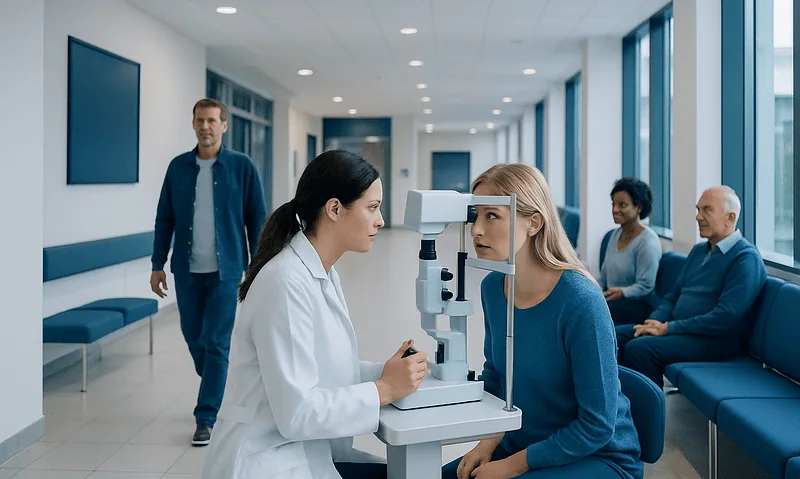
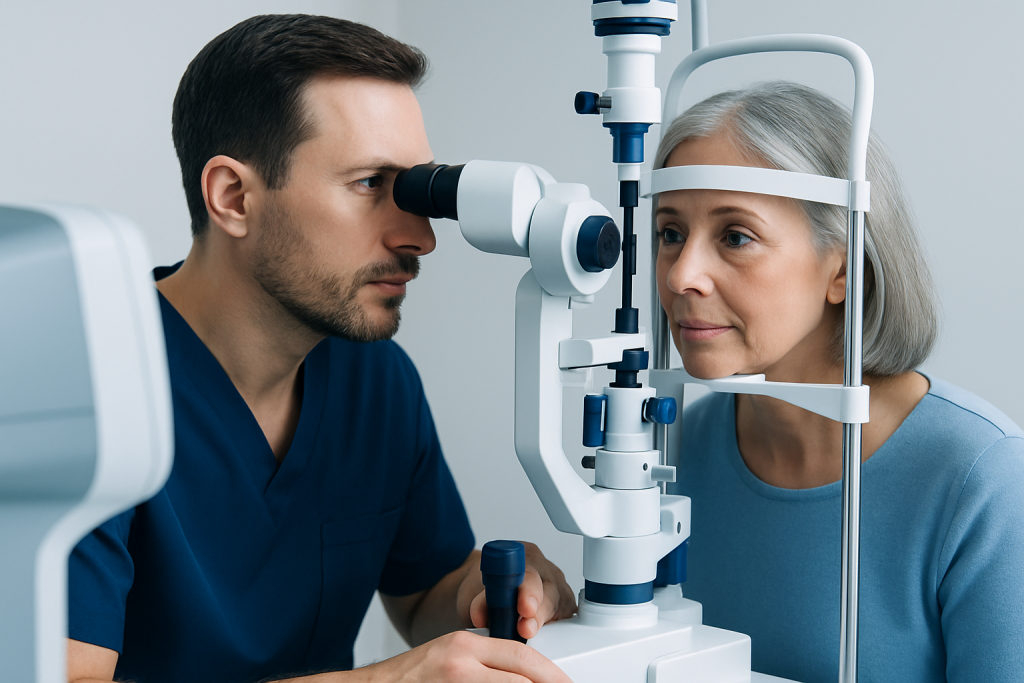
The eye examination may include slit-lamp evaluation, corneal staining, tear assessment, visual acuity testing, pressure measurement, retinal imaging, and sometimes advanced scans. If the posterior part of the eye is involved, patients may need specialist assessment in retina vitreous care or neuro-visual evaluation depending on the suspected problem. The purpose is to identify which tissue is damaged, how severe the damage is, and whether it is active, stable, reversible, or scarred.
Doctors also assess whether the rest of the eye is healthy enough to benefit from treatment. For example, even if the corneal surface can be improved, vision may still be limited by retinal disease, glaucoma, cataract, or optic nerve damage. Expectations need to be realistic. Some patients are seeking pain relief and surface stability more than visual improvement, and that can still be a meaningful treatment goal.
In many cases, evaluation also includes discussion of alternatives, timing, and the level of evidence behind a proposed therapy. Patients should feel comfortable asking whether the treatment is part of established care, whether it is being offered within a regulated clinical trial, and what the doctor expects it to improve.
Benefits, Limits, and Possible Risks
The potential benefits of regenerative ophthalmology depend on the condition being treated. Some patients may experience a healthier eye surface, less pain, fewer recurrent defects, and better visual quality. Others may gain stability rather than dramatic improvement, which can still reduce complications and improve daily function. In selected cases, regenerative treatment may also prepare the eye for later reconstructive procedures by improving the tissue environment first.
At the same time, these treatments have limits. Scarred or long-standing damage may not be fully reversible. Retinal and optic nerve conditions remain especially challenging because neural tissue has limited repair capacity. Even when a treatment is biologically promising, the degree of visual benefit may be modest or uncertain. Patients may need repeat treatment, long-term medicines, protective lenses, or additional surgery.
Risks vary by therapy and may include inflammation, infection, graft failure, rejection in donor-based procedures, irregular healing, scarring, raised eye pressure from accompanying treatments, or no meaningful improvement. Procedures involving cell culture or transplantation require careful screening, sterile preparation, and expert handling. This is one reason patients should avoid unregulated clinics that advertise stem cell eye injections or vision restoration without transparent medical standards.
Evidence-based care means balancing hope with realism. A trustworthy specialist explains what is known, what remains uncertain, and how success will be measured. The safest path is treatment in experienced centers with proper diagnostics, pathology support when needed, and structured follow-up.
Treatment Planning, Recovery, and Self-Care
Treatment planning is individualized. Some patients begin with intensive medical therapy to calm inflammation, protect the eye surface, and treat infection or dryness before any regenerative procedure is considered. Others may move directly to a tissue-based treatment or a reconstructive operation if there is severe stem cell loss or an ongoing epithelial defect. The exact plan depends on which part of the eye is affected and how urgent the problem is.
Recovery also varies. After ocular surface procedures, patients may need frequent follow-up visits, temporary activity restrictions, and a medication plan that can include lubricating drops, anti-inflammatory treatment, or infection prevention measures. Vision may fluctuate during healing. Protecting the eye from trauma, smoke, contaminated water, and unsupervised lens wear is often important. If contact lenses are used therapeutically, they should only be managed under specialist guidance rather than routine contact lenses use.
Self-care can support the healing environment but does not replace medical treatment. Helpful measures may include using prescribed drops exactly as directed, avoiding rubbing the eyes, wearing protective eyewear when advised, managing systemic conditions such as diabetes or autoimmune disease, and attending all follow-up appointments. Patients should promptly report worsening pain, redness, discharge, or sudden vision change.
Near the end of the treatment journey, some patients may need continued multidisciplinary care for the surface, retina, or visual rehabilitation. Acibadem International’s multidisciplinary specialists and JCI-accredited hospitals diagnose and treat complex eye conditions, including selected cases evaluated for regenerative ophthalmology for international patients.
When to See a Doctor and How to Choose Safe Care
A person should seek medical attention for persistent blurred vision, eye pain, redness, light sensitivity, non-healing surface problems, recurrent erosions, or vision changes after an eye injury or surgery. Prompt evaluation is especially important after chemical exposure, burns, sudden retinal symptoms, or signs of infection. Early treatment may prevent further tissue damage and improve the chance of preserving sight.
Choosing safe care is particularly important in regenerative medicine. Patients should look for ophthalmologists with expertise relevant to their problem, such as cornea, ocular surface, or retina specialists. It is reasonable to ask whether the proposed treatment is established practice, what regulatory and laboratory standards are used, and whether the treatment is part of a formal clinical trial if it is still investigational.
Warning signs of unreliable care include guaranteed vision restoration, vague explanations, pressure to pay quickly, or recommendations for invasive stem cell treatment without a full diagnostic workup. A reputable center will explain alternatives, discuss uncertainty honestly, and offer follow-up planning.
Regenerative ophthalmology is a promising field, but the best results come from careful patient selection and evidence-based care. For many people, the right next step is not a dramatic procedure but a clear diagnosis, realistic guidance, and a treatment plan tailored to the exact cause of the eye problem.
Frequently asked questions
What is regenerative ophthalmology?
Regenerative ophthalmology is an area of eye care that explores ways to repair or support damaged eye tissues. It may involve stem cells, biologic materials, or tissue-based treatments, especially for selected corneal and ocular surface conditions.
Can stem cell eye treatments restore vision completely?
Not usually, and results depend very much on the condition being treated. Some patients may gain better surface healing, improved comfort, or partial visual improvement, but full restoration of vision is not guaranteed.
Which eye problems are most likely to be treated with regenerative methods?
The most established uses are generally in corneal and ocular surface disease, such as limbal stem cell deficiency or persistent epithelial defects. Some retinal applications are being studied, but many remain investigational rather than routine care.
Are regenerative eye treatments experimental?
Some are established and used in specialist practice, while others are still under research. Patients should ask whether a specific treatment is standard care or part of a regulated clinical trial.
Are these treatments safe?
Safety depends on the exact therapy, the condition being treated, and the expertise of the medical team. Treatments should be offered in appropriate clinical settings with proper diagnosis, sterile preparation, and follow-up.
How do doctors decide if someone is a candidate?
Doctors assess the exact tissue damage, the cause of the problem, the health of the rest of the eye, and whether evidence supports a regenerative approach. They also consider the patient’s goals, such as pain relief, surface healing, or visual improvement.
Should patients be cautious about stem cell clinics advertising eye cures?
Yes. Patients should be careful with clinics that promise guaranteed results or recommend invasive treatment without a detailed eye evaluation and clear evidence. Safe care requires qualified ophthalmologists, transparent discussion of risks, and appropriate oversight.
This article is for general information only and is not a substitute for professional medical advice. Please consult a qualified doctor about your individual situation.
Regenerative Ophthalmology in Turkey — costs, top hospitals & a free quote
JCI-accredited · board-certified surgeons · reply within 24h
Add us as a Preferred Source to see more of our trusted health content across Google Search, AI Overviews and Discover.

Related Treatments
More from the Health Library
Lazy Eye Treatment in Adults: Can Amblyopia Still Improve?
Contact Lenses for Dry Eyes: Are They Still an Option?
Diabetic Retinopathy: Eye Screening, Vision Changes, and Treatment

Orbital Tumors: Symptoms, Imaging, and When Orbit Surgery Is Needed
Who Is a Good Candidate for Femto LASIK?