Restrictive Cardiomyopathy: Symptoms, Causes, and Treatment Options

Restrictive cardiomyopathy makes the heart's lower chambers stiff, so they cannot fill with blood normally, even when pumping strength is preserved. Causes include amyloidosis, scarring, inflammation, and inherited conditions, so treatment depends on the underlying cause. See a doctor if you have unexplained breathlessness, swelling, or an irregular heartbeat.
Key Takeaways
- Restrictive cardiomyopathy happens when the heart muscle becomes stiff rather than weak.
- The main problem is impaired filling of the ventricles, which can lead to heart failure symptoms even when pumping function seems near normal.
- Common causes include infiltrative diseases such as amyloidosis, scarring, certain genetic disorders, and prior radiation or systemic illness.
- Diagnosis usually combines history, examination, echocardiography, ECG, blood tests, cardiac MRI, and sometimes biopsy or genetic evaluation.
- Treatment depends on the cause and may include medicines to relieve congestion, rhythm control, anticoagulation in selected patients, and advanced therapies when needed.
- Early medical evaluation is important because symptoms can resemble other heart and lung conditions.
Climbing one flight of stairs used to be nothing. Now you stop halfway, catching your breath, and your ankles look puffier by evening. That combination is worth paying attention to.
In restrictive cardiomyopathy, the heart muscle disease affects the lower chambers, which become abnormally stiff and cannot fill with blood properly between beats. Symptoms often include shortness of breath, fatigue, swelling, and exercise intolerance. Treatment focuses on the underlying cause, symptom control, and preventing complications.
What restrictive cardiomyopathy means
Think of a stiff sponge that will not soak up water. That is roughly what happens here: the heart muscle becomes unusually stiff. It may still squeeze reasonably well, especially early on, but it does not relax normally between beats. So the ventricles cannot fill with blood as easily as they should, and pressure builds up inside the heart and circulation.
This filling problem can lead to symptoms such as breathlessness, tiredness, leg swelling, or reduced ability to exercise. Many people first notice that everyday activities become more difficult, even though standard measures of pumping strength may appear less affected than in other forms of cardiomyopathy.
Restrictive cardiomyopathy is less common than some other heart muscle diseases. It is not a single illness but a pattern of heart dysfunction that can result from several different causes, including abnormal protein deposits, scarring, inflammatory disease, or inherited conditions. So finding out exactly what is behind it becomes a key part of your care.
It can overlap with other heart conditions and may sometimes be confused with constrictive pericarditis or heart failure. A careful evaluation helps doctors tell these conditions apart and choose the most appropriate treatment plan.
How it affects the body and what symptoms it can cause
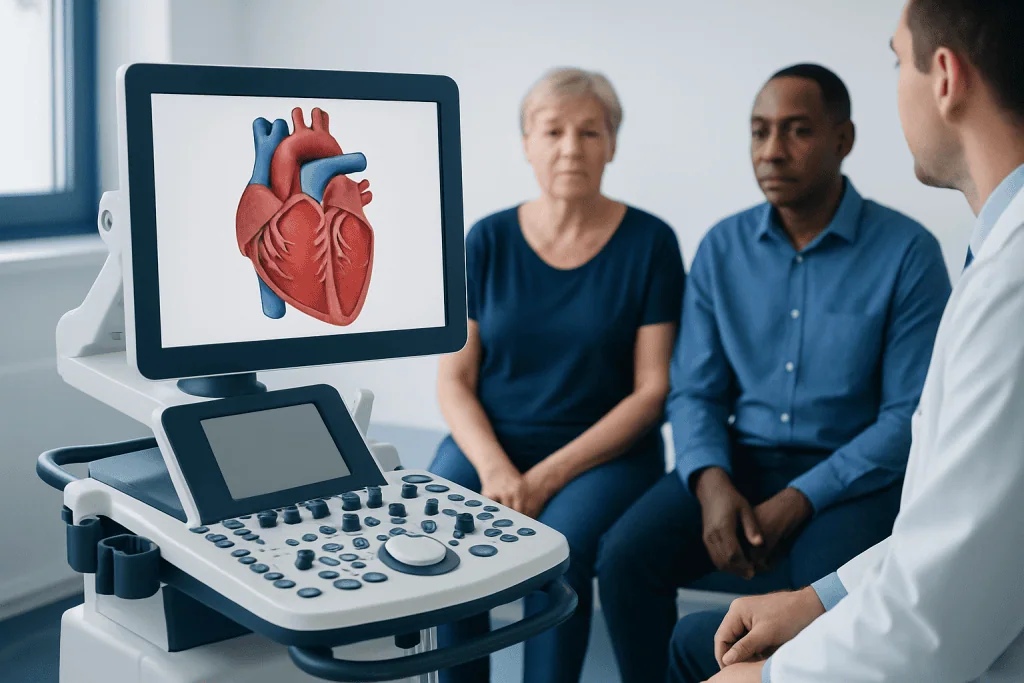
Poor relaxation of the heart muscle is the hallmark of this condition. When the ventricles are stiff, blood returning to the heart meets resistance. Over time, pressures rise in the lungs and veins, and that is why the symptoms often look like congestion or fluid overload.
Symptoms can develop gradually or, less commonly, become more noticeable over a shorter period. Some people have mild symptoms at first, while others are diagnosed only after complications such as atrial fibrillation or worsening fluid retention appear.
- Shortness of breath, especially during exertion or when lying flat
- Fatigue and reduced stamina
- Swelling in the ankles, legs, abdomen, or feet
- Rapid or irregular heartbeat
- Chest discomfort or a feeling of pressure
- Dizziness or fainting in some cases
- Unexplained weight gain from fluid retention
As the condition progresses, both sides of the heart can be affected. Some people develop enlarged atria, valve leakage, liver congestion, or sleep disturbance due to breathing difficulty at night. These symptoms are not specific to restrictive cardiomyopathy, so medical assessment is important to confirm the diagnosis.
Causes and risk factors

Restrictive cardiomyopathy can happen when a disease changes the structure of the heart muscle or the tissues around it. One major group of causes is infiltrative disease, in which abnormal substances collect inside the heart. Amyloidosis is a well-known example, but storage disorders and other systemic illnesses can also cause this pattern.
In other cases, the heart muscle becomes stiff because of scarring, inflammation, or prior injury. Some people develop restrictive physiology after radiation therapy to the chest, certain chemotherapy exposures, connective tissue disease, or longstanding eosinophilic disorders. Rarely, the cause remains uncertain even after thorough testing.
Inherited forms can occur, sometimes linked to gene variants that also appear in other cardiomyopathies. A family history of unexplained heart disease, rhythm problems, or sudden cardiac death may prompt doctors to consider genetic counseling and family screening.
- Amyloidosis and other infiltrative disorders
- Hemochromatosis and some storage diseases
- Sarcoidosis or inflammatory conditions
- Endomyocardial fibrosis or scarring
- Prior chest radiation or certain cancer therapies
- Connective tissue and autoimmune diseases
- Inherited or familial cardiomyopathy
How doctors diagnose restrictive cardiomyopathy
Diagnosis starts with a clinical review of symptoms, medical history, medications, family history, and a physical examination. Because restrictive cardiomyopathy can mimic more common causes of breathlessness and swelling, doctors usually look for clues that point toward a stiff-heart pattern rather than a primary lung problem or typical weakened-heart pattern.
Echocardiography is often the first major test. It can show how the ventricles fill, whether the atria are enlarged, whether heart valves leak, and how well the heart pumps. An electrocardiogram can help detect rhythm disturbances or signs that suggest infiltrative disease. Blood tests may look for markers of heart strain and for conditions such as iron overload, inflammation, or abnormal proteins.
When the cause is not clear, advanced imaging may be very helpful. Cardiac MRI can assess tissue characteristics and patterns of scarring or infiltration. In selected cases, doctors may recommend nuclear imaging, right and left heart catheterization, an endomyocardial biopsy, or genetic testing to confirm the diagnosis and guide treatment.
Part of the evaluation is ruling out conditions that can look similar, especially constrictive pericarditis, hypertrophic cardiomyopathy, and other causes of arrhythmia. The best treatment approach depends not only on confirming restrictive cardiomyopathy but also on identifying what is causing it.
Treatment options and ongoing care
Restrictive cardiomyopathy treatment aims to reduce symptoms, treat the underlying cause when possible, and prevent complications. There is no single treatment that fits every patient because the condition can arise from many different diseases. Management is usually individualized and often involves cardiologists working with other specialists.
For fluid retention and breathlessness, doctors commonly use diuretics with careful monitoring. These medicines can relieve congestion, but they need to be balanced thoughtfully because too much diuresis may reduce filling and worsen symptoms in some patients. Other medicines may help control heart rate, manage blood pressure, or treat rhythm abnormalities. If atrial fibrillation or blood clot risk is present, anticoagulation may be considered.
Treating the root cause matters just as much. For example, specific therapies may be used for amyloidosis, iron overload, inflammatory disease, or autoimmune conditions. In advanced or difficult cases, evaluation in a specialist heart center may be needed for procedures, rhythm management, or consideration of heart transplant when appropriate.
If your symptoms are significant, or nobody has yet pinned down a diagnosis, a full cardiology evaluation is worth arranging. At Acibadem International and its JCI-accredited hospitals, multidisciplinary specialists diagnose and treat restrictive cardiomyopathy for international patients, combining cardiac imaging, medical therapy, and advanced heart care when needed.
Living with restrictive cardiomyopathy
Medical treatment plus a few practical daily habits tends to work better than either alone. Those habits will not replace your treatment, but they help keep fluid balance steadier and let you spot changes early. Your doctor can tell you which ones make sense in your case.
Useful strategies often include weighing regularly, following recommendations on salt intake, taking medicines exactly as prescribed, and keeping follow-up appointments. Activity is usually encouraged within safe limits, but the level and type of exercise should match the person’s symptoms, heart rhythm status, and overall health. Cardiac rehabilitation or supervised exercise may be helpful for some patients.
Patients should also discuss vaccinations, travel plans, pregnancy, and any over-the-counter medicines or supplements with their clinician. Some drugs can worsen fluid retention, affect blood pressure, or interact with heart medications. Fatigue and anxiety often travel with chronic heart disease, so emotional support and good information matter too.
Family members may need screening if an inherited cause is suspected. If symptoms change, the care team may repeat imaging or adjust treatment over time, since restrictive cardiomyopathy can evolve depending on the underlying disease process.
When to seek medical care
Book an appointment if you have ongoing shortness of breath, swelling, unusual fatigue, palpitations, or reduced exercise tolerance without a clear explanation. None of these automatically mean restrictive cardiomyopathy, but they deserve a look, especially if they persist or slowly get worse.
Prompt care is important if symptoms become more severe, such as rapid weight gain from fluid retention, increasing breathlessness when lying down, new dizziness, or a racing or irregular heartbeat. Earlier evaluation can help identify the cause, start symptom relief sooner, and reduce the chance of complications.
Emergency care is needed for severe chest pain, fainting, severe trouble breathing, blue lips, confusion, or signs of stroke such as sudden weakness, facial droop, or difficulty speaking. These symptoms may signal a serious heart rhythm problem, heart failure worsening, or another urgent condition and should not be ignored.
Frequently asked questions
Is restrictive cardiomyopathy a type of heart failure?
Restrictive cardiomyopathy is a heart muscle disease that can lead to heart failure symptoms. The heart often has trouble relaxing and filling properly, which causes congestion, breathlessness, and swelling even if pumping strength is not severely reduced at first.
What is the difference between restrictive cardiomyopathy and dilated cardiomyopathy?
In restrictive cardiomyopathy, the heart muscle is mainly stiff, so the problem is filling between beats. In dilated cardiomyopathy, the ventricles are enlarged and weakened, so the main problem is pumping blood forward effectively.
Can restrictive cardiomyopathy be cured?
Some causes can be treated in a targeted way, which may improve symptoms and slow progression. However, many cases require long-term management rather than a simple cure, so ongoing follow-up with a heart specialist is important.
Is restrictive cardiomyopathy inherited?
It can be. Some people have a genetic or familial form, while others develop the condition because of diseases such as amyloidosis, iron overload, inflammation, or prior radiation exposure. If family history suggests inherited heart disease, doctors may recommend screening relatives.
What tests are usually needed?
Most people need an echocardiogram, electrocardiogram, blood tests, and a careful clinical examination. Depending on the findings, doctors may also use cardiac MRI, heart catheterization, biopsy, or genetic testing to confirm the diagnosis and identify the cause.
Can someone exercise with restrictive cardiomyopathy?
Often yes, but activity should be individualized. Light to moderate exercise may be appropriate for some people, while others need closer supervision because of symptoms, rhythm issues, or advanced disease. A doctor can advise on safe limits.
This article is for general information only and is not a substitute for professional medical advice. Please consult a qualified doctor about your individual situation.
Heart care in Turkey — expert evaluation and treatment
7 JCI-accredited hospitals · board-certified surgeons · reply within 24h
Add us as a Preferred Source to see more of our trusted health content across Google Search, AI Overviews and Discover.

Medically reviewed by the Acıbadem International Medical Board — August 24, 2026
See our medical review board →
References (1)
- Cardiomyopathy — MedlinePlus — medlineplus.gov
Cardiology Department
Diagnosis and treatment of heart and vascular conditions, from prevention to advanced interventional procedures.
93 specialists in this unitCardiovascular Surgery Specialists at Acibadem



Related Treatments
Related Conditions
More from the Health Library

Sick Sinus Syndrome: Early Signs, Risk Factors, and How It Is Treated

No Blood Pressure Drug Is the Worst for Every Patient

Ventricular Bigeminy Is a Rhythm Pattern, Not a Diagnosis

White Coat Syndrome: Symptoms, Causes, and Treatment Options
A Cardiac PET Scan Shows Blood Flow to the Heart Muscle