

Scar Revision: Improving the Appearance of Surgical or Injury Scars

Scar revision aims to improve the appearance, texture, or function of a scar, not remove it completely. Treatment options range from silicone therapy, injections, and lasers to surgical scar revision and skin grafting.
Key Takeaways
- Scar revision aims to improve the appearance, texture, or function of a scar, not remove it completely.
- Treatment options range from silicone therapy, injections, and lasers to surgical scar revision and skin grafting.
- The best timing depends on the scar type, location, symptoms, and how long the scar has been healing.
- People with keloid or hypertrophic scars may need combined treatments and long-term follow-up.
- Sun protection, scar massage when advised, and careful wound care can support better healing.
- A qualified plastic surgeon or dermatologist can recommend the safest and most effective plan.
Scar revision is a group of medical and surgical treatments designed to make scars less noticeable and improve comfort, flexibility, and confidence. While no treatment can erase a scar completely, careful assessment and the right technique can often create a flatter, softer, and better blended result.
Overview
Scar revision refers to treatments that improve the appearance or symptoms of a scar after surgery, injury, burns, acne, or other skin trauma. A scar forms when the body repairs a wound by producing collagen. This is a normal part of healing, but the final scar may be raised, widened, depressed, discolored, tight, itchy, painful, or more visible than expected.
The goal of scar revision is improvement rather than complete removal. Even with excellent care, every wound that heals through the deeper layers of skin leaves some degree of scar. However, modern scar treatment can often make a scar flatter, softer, narrower, better aligned with natural skin lines, or closer in color to the surrounding skin.
Scar revision may involve non-surgical treatments, minimally invasive procedures, or surgery. The most suitable approach depends on the age and type of scar, skin type, body area, previous healing history, and the person’s goals. A careful consultation helps set realistic expectations and choose a plan that balances benefit, recovery time, and safety.
Types of Scars That May Be Treated
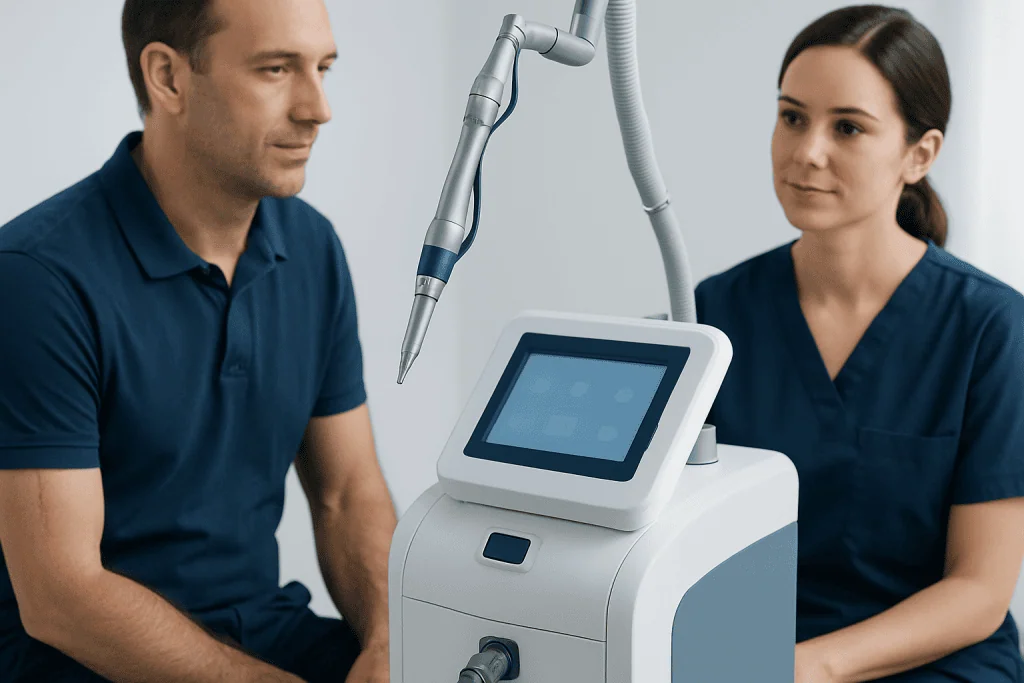
Scars vary widely in appearance and behavior. Some are mostly cosmetic concerns, while others can limit movement, cause discomfort, or affect daily activities. Understanding the scar type is important because a treatment that works well for one scar may not be suitable for another.
Common scar types include fine-line scars after surgery, widened scars that stretch over time, hypertrophic scars that remain raised within the original wound edges, and keloid scars that grow beyond the wound boundaries. Atrophic scars, such as some acne scars, are depressed or pitted because tissue volume has been lost. Contracture scars, often after burns or larger injuries, can tighten the skin and restrict movement near joints.
Scars may also be red, dark, pale, shiny, uneven, or firm. Symptoms such as itching, tenderness, sensitivity, or tightness can be as important as appearance. A clinician may assess the scar’s thickness, color, mobility, location, and effect on nearby structures before recommending treatment.
- Hypertrophic scars: raised scars that usually stay within the wound margins.
- Keloid scars: overgrown scars that extend beyond the original injury and may recur after treatment.
- Atrophic scars: depressed scars, often related to acne, chickenpox, or tissue loss.
- Contracture scars: tight scars that can limit motion, especially after burns.
Causes and Risk Factors

Scarring occurs because the body repairs injured skin by laying down collagen and rebuilding the tissue barrier. The final appearance of a scar depends on many factors, including wound depth, infection, tension on the wound, blood supply, location on the body, and the person’s healing tendencies. Scars across joints, the chest, shoulders, back, or areas with frequent movement may be more likely to widen or thicken.
Genetics plays an important role. Some people naturally produce more collagen during healing and are more prone to hypertrophic or keloid scars. Keloids are more common in people with darker skin tones and may occur after surgery, piercings, burns, acne, vaccinations, or even minor skin injuries. A personal or family history of keloids should always be discussed before elective procedures.
Other factors can also affect scar quality. Smoking, poorly controlled diabetes, certain medications, inadequate nutrition, sun exposure, wound infection, and tension from early heavy activity can interfere with ideal healing. Previous radiation treatment or repeated surgery in the same area may also influence scar behavior and treatment choices.
Diagnosis and Consultation
A scar revision consultation usually begins with a medical history and physical examination. The doctor may ask when and how the scar formed, whether it has changed over time, and whether it causes symptoms such as pain, itching, tightness, or sensitivity. Previous treatments, allergies, skin conditions, and any history of keloids are also important.
The scar is assessed for size, thickness, color, texture, location, direction, and movement. The doctor may evaluate whether the scar lies along natural skin creases or pulls against them. For functional scars, such as burn contractures or scars near the eyelids, mouth, hands, or joints, the assessment may include range of motion and impact on daily activities.
Most scars can be diagnosed by examination alone. In unusual cases, if a scar changes rapidly, bleeds, ulcerates, or looks different from typical scar tissue, further evaluation may be needed to rule out other skin conditions. Photographs may be taken to document the baseline appearance and monitor response to treatment over time.
Treatment Options
Scar treatment is individualized. Some scars improve significantly with non-surgical care, while others require procedures or a combination of methods. For newer scars, conservative options may include silicone gel or sheets, pressure therapy in selected cases, moisturizing, and scar massage when the wound is fully closed and the clinician confirms it is safe. These measures may help soften and flatten scars over time.
Minimally invasive treatments may be recommended for raised, red, thick, or uneven scars. Corticosteroid injections can reduce inflammation and thickness in hypertrophic or keloid scars. Other injectable medicines may sometimes be used by specialists for selected cases. Laser and light-based treatments can help reduce redness, improve texture, or stimulate collagen remodeling. Microneedling, chemical peels, dermabrasion, or subcision may be considered for some acne or depressed scars.
Surgical scar revision may be appropriate when a scar is wide, poorly positioned, tight, or functionally limiting. The surgeon may remove the old scar and close the skin in layers to reduce tension, reposition the scar along natural skin lines, or use techniques such as Z-plasty or W-plasty to break up a straight line and improve flexibility. For larger defects or burn scars, tissue expansion, local flaps, or skin grafting may be needed.
Keloid scars require special planning because they can recur after removal. Surgical excision alone is often not enough, so doctors may combine it with injections, silicone therapy, pressure treatment, laser therapy, or other measures depending on the case. A clear follow-up plan is essential for any person with a keloid tendency.
Recovery and Expected Results
Recovery depends on the type of scar revision performed. Non-surgical treatments may involve little or no downtime, although a series of sessions may be needed. Laser treatments, injections, or microneedling can cause temporary redness, swelling, bruising, or sensitivity. These effects usually improve with appropriate aftercare, but the doctor should explain what is normal for the specific procedure.
After surgical scar revision, the area is usually protected with dressings, and activity may be limited to reduce tension on the healing wound. Stitches may be removed or dissolve depending on the location and technique. Patients are generally advised to keep the area clean, avoid unnecessary strain, and follow all instructions on wound care, sun protection, and follow-up visits.
Scar improvement is gradual. A revised scar often looks red or firm in the early healing phase and then slowly matures over months. Final results can take many months and, in some cases, more than a year. The new scar may be shorter, thinner, flatter, or better placed, but it will still be a scar. Realistic expectations help patients feel more satisfied with the outcome.
Prevention and Self-Care
Good wound care can support better scar healing. After any surgery or injury, patients should follow the clinician’s instructions about cleaning, dressings, activity restrictions, and follow-up. Picking scabs, reopening a wound, or returning too quickly to strenuous activity can increase the risk of a wider or more noticeable scar.
Sun protection is one of the most important self-care steps. Fresh scars can darken or remain discolored if exposed to ultraviolet light. Covering the scar with clothing or using a broad-spectrum sunscreen when the wound is fully healed can help reduce long-term color changes. Silicone gel or sheets may also be recommended for selected scars, especially during the active healing phase.
Healthy habits support wound healing. Avoiding smoking, managing chronic conditions such as diabetes, maintaining adequate protein intake, and seeking care promptly for signs of infection can all help. Scar massage may be useful for some scars, but it should only begin after the wound has fully closed and the treating clinician has approved it.
- Keep healing wounds clean and protected as instructed.
- Avoid tension, stretching, or heavy pressure on a new incision.
- Protect scars from sun exposure, especially in the first year.
- Use silicone products only as recommended by a healthcare professional.
- Seek early advice if a scar becomes raised, painful, itchy, or rapidly enlarges.
When to See a Doctor
A person may consider medical advice if a scar is raised, widening, painful, itchy, tight, discolored, or affecting movement. Consultation is also helpful when a scar causes emotional distress or self-consciousness, especially if it is visible on the face, neck, hands, or another exposed area. Early assessment can be valuable for scars that appear to be becoming hypertrophic or keloid.
Medical review is important if a scar or wound shows signs of infection, such as increasing redness, warmth, swelling, pus, worsening pain, or fever. A scar that bleeds, opens, ulcerates, grows rapidly, or changes in an unusual way should also be examined. These signs do not always indicate a serious problem, but they deserve professional evaluation.
People planning elective surgery should tell their surgeon if they have a history of thick scars or keloids. This allows preventive strategies to be considered from the beginning. At Acibadem International, multidisciplinary specialists in JCI-accredited hospitals evaluate and treat scars for international patients, including surgical, traumatic, burn, and keloid scars, with individualized care plans.
Frequently asked questions
Can scar revision remove a scar completely?
No scar treatment can make a scar disappear completely. Scar revision aims to make the scar less noticeable, more comfortable, or better positioned. The degree of improvement depends on the scar type, skin quality, location, and healing response.
When is the best time to have scar revision?
Many scars continue to mature for months, so doctors often recommend waiting until a scar has softened and stabilized before surgical revision. However, some raised, itchy, or keloid-prone scars may benefit from earlier non-surgical treatment. A specialist can advise based on the scar’s age and behavior.
Is scar revision surgery painful?
Scar revision surgery is usually performed with local anesthesia, sedation, or general anesthesia depending on the size and location of the scar. Patients may feel soreness, tightness, or mild swelling afterward. The doctor will recommend appropriate pain control and aftercare.
Do keloids come back after treatment?
Keloids can recur, especially if they are removed without additional treatment. For this reason, doctors often use a combination of methods such as injections, silicone therapy, pressure, or laser treatment when appropriate. Ongoing follow-up helps detect and treat recurrence early.
Are lasers effective for scars?
Laser treatments can help some scars by reducing redness, improving texture, softening thickness, or supporting collagen remodeling. Several sessions may be needed, and results vary by scar type and skin type. A qualified clinician should assess whether laser treatment is suitable and safe.
What can patients do at home to improve a scar?
Patients can support healing by following wound care instructions, protecting the scar from sun exposure, avoiding smoking, and using silicone products if recommended. Scar massage may help some scars once the wound is fully healed. Any worsening pain, redness, or rapid thickening should be checked by a doctor.
References
- American Society of Plastic Surgeons
- American Academy of Dermatology Association
- British Association of Plastic, Reconstructive and Aesthetic Surgeons
- National Health Service
- International Society of Aesthetic Plastic Surgery
This article is for general information only and is not a substitute for professional medical advice. Please consult a qualified doctor about your individual situation.
Explore treatments in Turkey — costs, top hospitals & a free quote
JCI-accredited · board-certified surgeons · reply within 24h
Add us as a Preferred Source to see more of our trusted health content across Google Search, AI Overviews and Discover.

Related Treatments
Related Conditions
More from the Health Library



Related Specialists

Prof. Dr. Şükrü Yazar
Aesthetic Plastic & Reconstructive Surgery
Assoc. Prof. Dr. Erdem Güven (m)
Aesthetic Plastic & Reconstructive Surgery
Prof. Dr. Hakan Ağır
Aesthetic Plastic & Reconstructive Surgery
Prof. Dr. Bülent Saçak
Aesthetic Plastic & Reconstructive Surgery