The Fluid in the Anterior Cavity Is Known As: What Patients Need to Know

Aqueous humor is the clear fluid found in the front portion of the eye. It supplies nutrients to structures that do not have their own blood vessels, including the cornea and lens.
Key Takeaways
- Aqueous humor is the clear fluid found in the front portion of the eye.
- It supplies nutrients to structures that do not have their own blood vessels, including the cornea and lens.
- This fluid is constantly produced and drained to maintain healthy intraocular pressure.
- Problems with drainage can raise eye pressure and contribute to conditions such as glaucoma.
- Eye pain, sudden blurred vision, redness, or halos around lights should be assessed by a doctor promptly.
The fluid in the anterior cavity is known as aqueous humor. It is a clear fluid in the front part of the eye that nourishes nearby tissues and helps keep the eye’s internal pressure stable.
Overview: What Is the Fluid in the Anterior Cavity?
The fluid in the anterior cavity is known as aqueous humor. This clear, watery fluid fills the front part of the eye and plays an essential role in keeping the eye healthy. It is different from tears, which coat the outer surface of the eye, and different from the vitreous gel, which fills the larger space at the back of the eye.
In eye anatomy, the anterior cavity refers to the space between the cornea at the front and the lens behind it. This space is divided into the anterior chamber and posterior chamber, and both contain aqueous humor. The fluid flows through these chambers in a continuous cycle.
Aqueous humor is important because some eye tissues, especially the cornea and lens, do not have a direct blood supply. Instead, they rely on this fluid for oxygen and nutrients. It also helps remove waste products and supports the eye’s shape by maintaining normal internal pressure.
Where It Is Found and What It Does
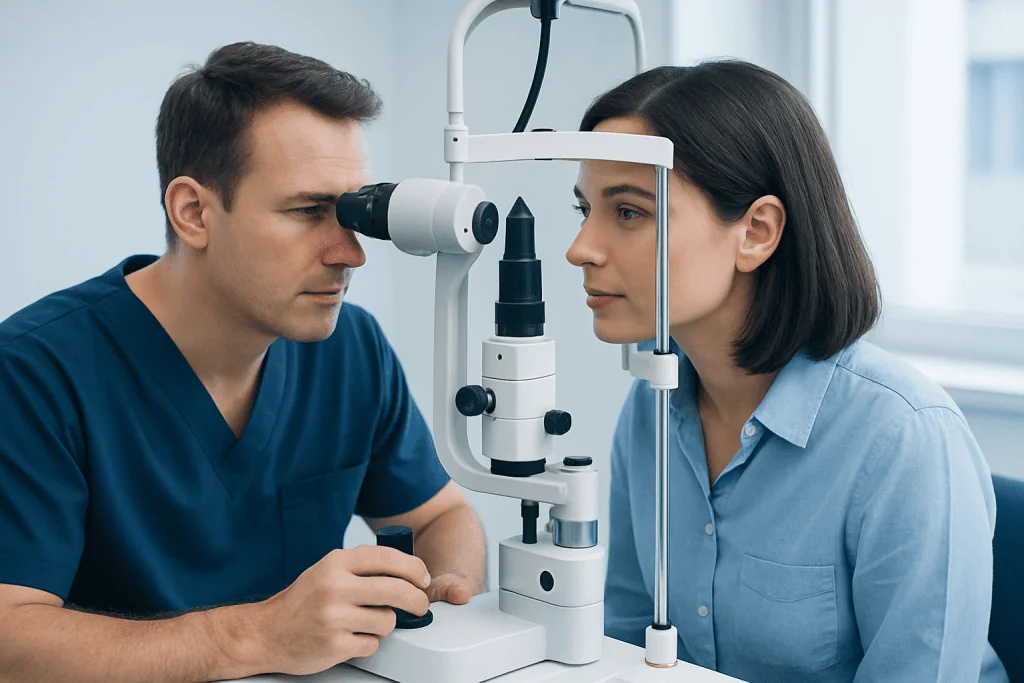
The aqueous humor is produced by the ciliary body, a structure located behind the iris. From there, it flows into the posterior chamber, passes through the pupil, and enters the anterior chamber, the space between the iris and the cornea. After circulating, it drains through a specialized angle where the cornea and iris meet.
This fluid has several important functions. It nourishes the cornea and lens, both of which must remain clear to focus light properly. It also helps preserve a stable pressure inside the eye, known as intraocular pressure, which is necessary to maintain the eye’s shape and optical function.
Aqueous humor is not static. The eye is constantly making and draining it in a carefully balanced process. If production and drainage stay in balance, eye pressure usually remains within a healthy range. If the outflow pathway becomes less efficient, pressure may gradually rise and affect the optic nerve.
- Nourishes the cornea and lens
- Removes metabolic waste
- Maintains normal eye pressure
- Supports clear vision by preserving eye structure
Aqueous Humor vs. Other Eye Fluids
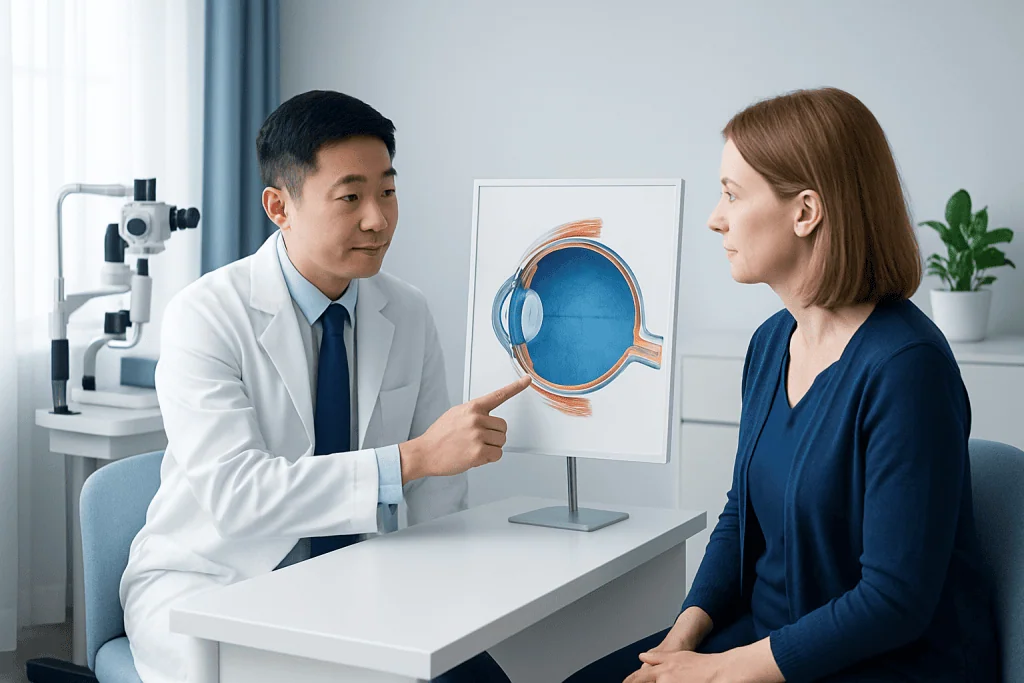
Patients often hear several terms for fluid related to the eye, and these can be confusing. Aqueous humor is the clear fluid in the front part of the eye. Tears, by contrast, are produced by the lacrimal glands and spread across the surface of the eye to keep it moist and comfortable.
Another eye substance is the vitreous humor, a gel-like material that fills the large cavity behind the lens. Unlike aqueous humor, the vitreous is not continuously produced and drained in the same way. It has a different consistency and function, mainly helping the eyeball keep its shape and supporting the retina.
Understanding these differences matters because disorders involving each type of fluid can cause different symptoms and require different treatments. For example, problems with aqueous humor circulation are closely linked to raised eye pressure and glaucoma, while issues involving tears may cause dryness or irritation rather than pressure-related damage.
What Happens When the Fluid Does Not Drain Properly
The eye depends on a healthy balance between aqueous humor production and drainage. When this balance is disrupted, the most common result is increased intraocular pressure. In some people, this happens slowly over time and may cause no symptoms at first. That is one reason regular eye examinations are important, especially with age or a family history of eye disease.
If pressure rises enough, it can damage the optic nerve. This may happen in forms of glaucoma that develop gradually, or less commonly in a sudden blockage of drainage known as angle-closure glaucoma. Pressure-related optic nerve damage can lead to vision loss if it is not recognized and managed.
Not every change in aqueous humor causes high pressure. Inflammation inside the eye, injury, surgery, or certain medications can also alter the fluid’s circulation or composition. Conditions such as uveitis may affect the front part of the eye and can require specialist assessment to protect vision and reduce discomfort.
Symptoms That May Suggest a Problem
On its own, aqueous humor cannot be seen or felt. People usually notice symptoms only if a condition affects how the fluid is produced, circulates, or drains. Mild or gradual pressure increases may cause no early warning signs, which is why glaucoma is often called a silent condition in its early stages.
Symptoms that may point to an eye problem include blurred vision, eye pain, redness, seeing halos around lights, headache, nausea, or a feeling of pressure in or around the eye. Sudden symptoms deserve prompt medical attention because they may indicate a rapid rise in eye pressure or another urgent eye disorder.
Some problems are discovered during routine eye care before symptoms appear. An ophthalmologist may detect elevated intraocular pressure, changes in the optic nerve, or narrowing of the drainage angle during examination. Early identification can make treatment more effective and help preserve vision over time.
- Blurred or reduced vision
- Eye redness or pain
- Halos around lights
- Headache with eye discomfort
- Nausea with sudden visual symptoms
How Doctors Diagnose Aqueous Humor and Pressure-Related Problems
Diagnosis begins with a medical history and a detailed eye examination. The doctor asks about symptoms, family history, medications, past eye injuries, and overall health conditions. A slit-lamp exam allows close inspection of the front structures of the eye, including the cornea, iris, and anterior chamber where aqueous humor circulates.
Eye pressure is commonly measured with tonometry. Doctors may also use gonioscopy to examine the drainage angle and determine whether it is open or narrow. If glaucoma is suspected, additional tests can assess the optic nerve and check for changes in peripheral vision.
Imaging and specialized testing may be recommended depending on the findings. Some patients may need a comprehensive eye examination or follow-up monitoring over time rather than immediate treatment. The goal is to understand how the fluid is behaving, whether pressure is affecting the eye, and what steps are safest for preserving sight.
Treatment Options and Ongoing Care
Treatment depends on the underlying cause. If the main issue is elevated intraocular pressure, doctors often begin with medicated eye drops that either reduce aqueous humor production or improve drainage. The choice of treatment depends on the patient’s eye pressure, optic nerve findings, symptoms, and overall health.
When drops are not enough, laser or surgical procedures may be considered to improve fluid outflow or reduce pressure. In selected cases, specialists may recommend glaucoma treatment to help protect the optic nerve. If inflammation is involved, the doctor may treat the underlying inflammatory condition as well.
Management is often long term. Regular follow-up visits help ensure that pressure remains controlled and that vision stays stable. Near the end of the care journey, some patients may benefit from multidisciplinary services; Acibadem International’s specialists in JCI-accredited hospitals diagnose and treat eye conditions for international patients, including evaluation when pressure-related disease is suspected.
Patients should not stop prescribed eye medication without medical advice. Even if symptoms improve, pressure can rise again quietly. Ongoing monitoring is an important part of protecting vision and catching changes early.
When to Seek Medical Care
Medical care is advisable for any new or persistent change in vision, especially if it comes with redness, pain, or headaches. Routine eye examinations are also important for people with a family history of glaucoma, diabetes, past eye injury, or long-term steroid use, as these factors can increase the chance of pressure-related eye problems.
Urgent assessment is needed if symptoms begin suddenly. Severe eye pain, rapidly blurred vision, halos around lights, nausea, vomiting, or a red eye with visual loss may signal an eye emergency. Fast treatment can be important to reduce the risk of permanent damage.
Self-care cannot correct impaired aqueous humor drainage, but healthy habits still support overall eye health. Patients can keep follow-up appointments, use medications exactly as prescribed, report side effects, and ask whether they need screening for related conditions. If symptoms suggest a structural problem in the front of the eye, doctors may also investigate other causes and discuss options such as cornea treatment when appropriate.
Frequently asked questions
What is the fluid in the anterior cavity of the eye called?
It is called aqueous humor. This is a clear fluid in the front of the eye that helps nourish nearby tissues and maintain normal eye pressure.
Is aqueous humor the same as tears?
No. Tears cover the outer surface of the eye, while aqueous humor circulates inside the front part of the eye. They have different functions and are produced by different structures.
What does aqueous humor do?
Aqueous humor provides nutrients and oxygen to the cornea and lens, which do not have their own blood vessels. It also helps remove waste and supports the eye’s internal pressure and shape.
What happens if aqueous humor does not drain properly?
If drainage is reduced, pressure inside the eye may rise. Over time, this can damage the optic nerve and contribute to glaucoma, sometimes without causing early symptoms.
Can a person feel high eye pressure?
Not always. Many people with gradually increased eye pressure do not notice symptoms at first, which is why routine eye exams are important. Sudden pressure increases, however, can cause pain, blurred vision, redness, and halos around lights.
How is a problem with aqueous humor diagnosed?
Doctors diagnose these problems with an eye examination that may include pressure measurement, slit-lamp examination, and an assessment of the drainage angle. If glaucoma is a concern, optic nerve evaluation and visual field testing may also be recommended.
References
- American Academy of Ophthalmology
- National Eye Institute
- MedlinePlus
- Mayo Clinic
- National Health Service
This article is for general information only and is not a substitute for professional medical advice. Please consult a qualified doctor about your individual situation.
Explore treatments in Turkey — costs, top hospitals & a free quote
JCI-accredited · board-certified surgeons · reply within 24h
Add us as a Preferred Source to see more of our trusted health content across Google Search, AI Overviews and Discover.

More from the Health Library

Fecalith: What Patients Need to Know

Aorta — Explained by Medical Evidence, Not Myths

Inner Thigh Stretches — Explained by Medical Evidence, Not Myths

Essiac Tea — Explained by Medical Evidence, Not Myths

Over the Counter Tapeworm Medicine for Humans: A Complete Medical Overview
Ligament: An Evidence-Based Guide for Patients
Infectious Diseases & Clinical Microbiology Specialists at Acibadem

Prof. Dr. Kenan Hızel
Infectious Diseases & Clinical Microbiology
Dr. Krıstıne Koyunseven
Infectious Diseases & Clinical Microbiology
Dr. Meltem Hüner
Infectious Diseases & Clinical Microbiology
Dr. Nevin Sarıgüzel
Infectious Diseases & Clinical Microbiology