Treatment for Inflammation of the Eye: How It Works, Results and What to Expect

Eye inflammation is a broad term that can involve the eyelids, conjunctiva, cornea, sclera or inner eye. The right treatment depends on the cause; steroid drops are helpful for some conditions but unsafe without an eye examination in others.
Key Takeaways
- Eye inflammation is a broad term that can involve the eyelids, conjunctiva, cornea, sclera or inner eye.
- The right treatment depends on the cause; steroid drops are helpful for some conditions but unsafe without an eye examination in others.
- Pain, light sensitivity, reduced vision, a very red eye or eye injury require urgent medical assessment.
- Recovery may take days for mild surface inflammation and weeks or longer for deeper inflammation.
- Follow-up is important when steroid medicines are used, because eye pressure and healing need monitoring.
Treatment for inflammation of the eye begins with identifying which part of the eye is affected and why. Many cases improve with targeted eye drops and supportive care, while deeper inflammation such as uveitis may need prompt specialist treatment to protect vision.
Overview: How treatment for inflammation of the eye works
Treatment for inflammation of the eye works by calming the inflammatory response while addressing its underlying cause. Depending on the diagnosis, this may involve lubricating or anti-allergy drops, antibiotics or antiviral medicines for infection, anti-inflammatory eye drops, or medicines taken by mouth or given by injection for more extensive inflammation.
“Eye inflammation” is not one diagnosis. It can refer to conjunctivitis affecting the membrane over the white of the eye, keratitis affecting the clear cornea, scleritis affecting the tough outer eye wall, or uveitis affecting tissues inside the eye. These conditions can look similar at first, so an examination by an ophthalmologist is important before using prescription drops.
Many people with mild surface irritation recover well with appropriate care. However, inflammation that causes significant pain, blurred vision, sensitivity to light, or a red eye concentrated around the colored part of the eye may need urgent assessment. Early, cause-specific care can reduce discomfort and help prevent complications.
How serious is eye inflammation?
Eye inflammation ranges from mild and short-lived to potentially vision-threatening. For example, dry-eye irritation, allergic conjunctivitis, and some viral conjunctivitis cases are often uncomfortable but usually settle with supportive care. In contrast, corneal inflammation, scleritis, and uveitis can affect vision if diagnosis or treatment is delayed.
Severity depends on the location of inflammation, its cause, and how quickly it is treated. Infection involving the cornea can progress rapidly, particularly in contact lens wearers. Inflammation inside the eye may lead to complications such as raised eye pressure, cataract, swelling at the back of the eye, or scarring if it is not controlled.
A person should not judge seriousness by redness alone. A relatively mild-looking eye can still have important internal inflammation, while a very red eye may have a less serious surface cause. An eye examination can determine the source of symptoms and the appropriate next step.
Causes, symptoms and who may need treatment

Common causes include allergies, dry eye, viral or bacterial infection, contact lens-related irritation, injury, chemical exposure, and blocked eyelid glands. Inflammation may also be associated with autoimmune or inflammatory conditions, including inflammatory arthritis, inflammatory bowel disease, psoriasis, or certain infections. Sometimes no clear underlying cause is found.
Symptoms vary by condition and may include redness, tearing, discharge, itching, a gritty sensation, pain, light sensitivity, swelling, floaters, or changes in vision. Itching is more typical of allergy, while thick discharge can occur with bacterial infection. Severe pain, light sensitivity, and reduced vision are more concerning for corneal or internal eye inflammation.
People who wear contact lenses, have a weakened immune system, have had recent eye surgery, or live with an autoimmune condition may need earlier review when new eye symptoms occur. A clinician may also consider related conditions, such as uveitis, when the pattern of symptoms suggests inflammation inside the eye.
- Contact lens wearers with a painful red eye should remove lenses and seek same-day advice.
- People with recurring inflammation may need assessment for an underlying systemic condition.
- Children, older adults, and anyone unable to describe visual symptoms clearly should be assessed carefully.
How to make eye inflammation go away
The safest way to make eye inflammation go away is to use treatment matched to the cause. Until an eye professional has assessed the problem, it is generally sensible to avoid rubbing the eye, stop wearing contact lenses, avoid sharing towels or eye cosmetics, and use only medicines recommended for the current symptoms.
For mild allergy-related symptoms, clinicians may recommend allergen avoidance, cool compresses, preservative-free lubricating drops, or anti-allergy drops. For some surface infections, supportive care is enough; bacterial infections or certain viral infections may require prescription treatment. A clinician will decide whether antibiotic or antiviral medicine is appropriate rather than treating redness alone.
When inflammation is non-infectious, ophthalmologists may use anti-inflammatory drops, often corticosteroid drops, sometimes alongside drops that keep the pupil dilated for comfort and to reduce complications. Steroid drops should never be started, borrowed, or continued without medical supervision because they can worsen some infections and may raise eye pressure.
For more severe or recurrent disease, treatment may include tablets, injections around or into the eye, biologic medicines, or coordinated care with rheumatology, infectious diseases, or other specialists. In selected cases, uveitis treatment involves both controlling eye inflammation and investigating any associated health condition.
What to expect: assessment and treatment steps
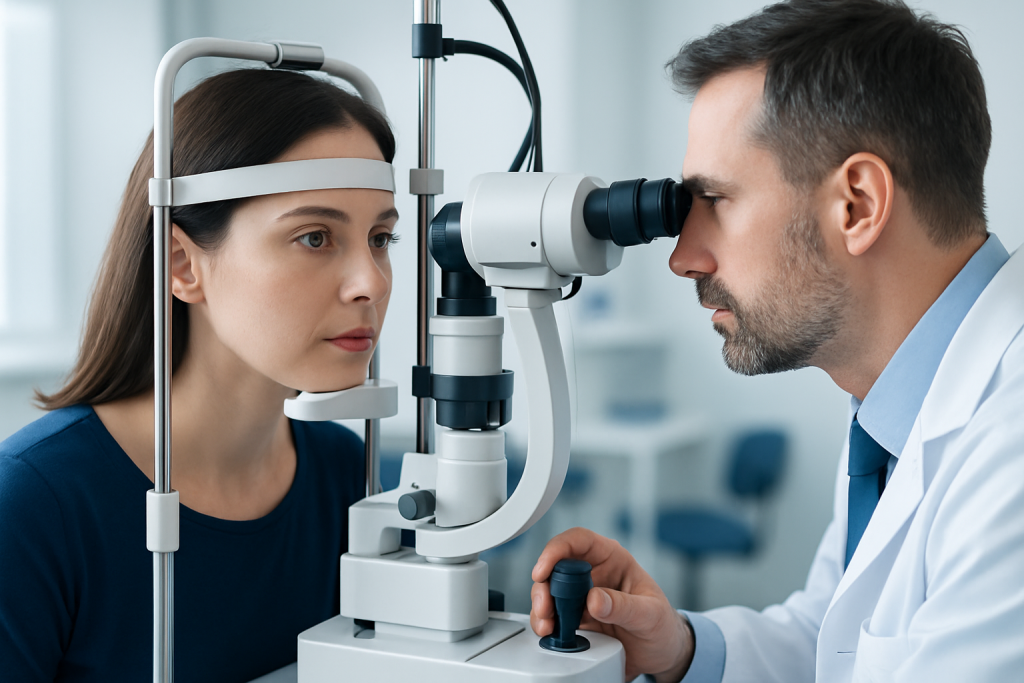
An eye appointment usually starts with questions about symptoms, contact lens use, injury, recent illness, medicines, and medical conditions. Vision is checked in each eye. The ophthalmologist examines the eyelids, eye surface, cornea, and internal structures using a slit-lamp microscope, often with special dyes or drops to make certain findings easier to see.
Additional tests depend on what is suspected. These may include eye-pressure measurement, imaging of the retina, laboratory tests, cultures, or blood tests when recurrent or internal inflammation may be linked to another condition. Not everyone needs extensive testing; investigations are tailored to the clinical picture.
The treatment plan explains which drops or medicines to use, how often to use them, and when follow-up is needed. Eye drops may need a careful schedule, especially at the beginning of treatment. People should tell their clinician about pregnancy, breastfeeding, allergies, glaucoma, previous eye surgery, and all medicines they use.
Follow-up visits are part of treatment rather than an optional extra for many inflammatory eye conditions. They allow the team to check whether inflammation is settling, whether vision is stable, and whether medicines are causing side effects such as increased eye pressure.
How long does it take for eye inflammation to go away?
How long eye inflammation takes to go away depends on the diagnosis and severity. Mild irritation or allergy-related inflammation may improve within a few days once triggers are reduced and appropriate drops are used. Viral conjunctivitis can take one to two weeks or sometimes longer to settle, while bacterial infections may improve over several days with suitable treatment.
Inflammation of the cornea, sclera, or inner eye often needs longer treatment and closer follow-up. Uveitis may improve over weeks, but some forms recur or require long-term treatment to keep inflammation controlled. Medicines should not be stopped early simply because symptoms feel better; the eye may still be inflamed on examination.
Recovery can also be affected by the cause, whether treatment began early, and the presence of other health conditions. If symptoms are not improving as expected, worsen after starting treatment, or return repeatedly, a prompt review is important.
Benefits, risks and self-care during recovery
The main benefits of appropriate treatment are relief of pain, redness, tearing, and light sensitivity, as well as protection of vision and eye structures. Treating an underlying infection, allergy, autoimmune condition, or contact lens-related problem also helps reduce the likelihood of persistence or recurrence.
Risks depend on the treatment. Some eye drops can cause brief stinging, blurred vision immediately after use, or allergic reactions. Corticosteroid drops can increase eye pressure, contribute to cataract formation with prolonged use, and mask or worsen certain infections, which is why monitoring by an ophthalmologist is essential.
During recovery, people can protect their eyes by washing hands before using drops, avoiding contact lenses until they are cleared to restart them, and following advice about cleaning or replacing lenses and cases. Sunglasses may improve comfort with light sensitivity. Eye makeup should be avoided during active infection or significant irritation.
For international patients, Acibadem International’s multidisciplinary specialists and JCI-accredited hospitals can assess and treat inflammatory eye conditions, with referral to related specialties when needed.
When to seek medical care
Urgent same-day medical care is recommended for sudden vision loss or marked blurring, severe eye pain, strong light sensitivity, a red eye after injury or chemical exposure, a visible white spot on the cornea, new flashes or many floaters, or symptoms in a contact lens wearer. Chemicals in the eye should be rinsed immediately with clean lukewarm water for at least 15 minutes while arranging emergency care.
A person should also seek prompt assessment if redness and discomfort do not begin to improve, if symptoms repeatedly return, or if there is fever, facial rash, severe headache, nausea, or swelling around the eye. These symptoms do not always indicate a serious condition, but they need evaluation to identify the cause safely.
Over-the-counter “redness-relief” drops may temporarily reduce redness but do not treat the cause and can lead to rebound redness when used frequently. Prescription steroid drops or leftover antibiotic drops should not be used without an examination. A qualified eye professional can advise on the right treatment and follow-up plan.
Frequently asked questions
Is eye inflammation treatable?
Yes. Most types of eye inflammation are treatable, but the best treatment depends on the affected part of the eye and the underlying cause. Some cases improve with simple supportive care, while others require prescription drops, systemic medicines, or ongoing monitoring by an ophthalmologist.
Can eye inflammation go away on its own?
Some mild cases, such as temporary irritation or certain viral infections, can improve without prescription medicines. However, painful redness, light sensitivity, reduced vision, contact lens-related symptoms, or persistent symptoms should be assessed rather than watched at home.
Are steroid eye drops safe for inflammation?
Steroid eye drops can be very effective for selected inflammatory eye conditions when prescribed and monitored by an ophthalmologist. They are not suitable for every red eye because they can worsen some infections and may increase eye pressure.
Should contact lenses be worn during eye inflammation?
Contact lenses should usually be removed when the eye is red, painful, or inflamed. They should not be worn again until a clinician says it is safe, and lenses, cases, and solutions may need replacement depending on the cause.
What is the difference between conjunctivitis and uveitis?
Conjunctivitis affects the thin membrane covering the white part of the eye and is commonly associated with irritation, discharge, or itching. Uveitis affects structures inside the eye and is more likely to cause pain, light sensitivity, floaters, or blurred vision; it needs specialist assessment.
Can eye inflammation be linked to other health conditions?
Yes. Recurrent or internal eye inflammation can sometimes be associated with autoimmune, inflammatory, or infectious conditions elsewhere in the body. An ophthalmologist may recommend further tests or referral to another specialist when the history or examination suggests this possibility.
References
- American Academy of Ophthalmology
- National Eye Institute
- National Health Service
- Mayo Clinic
- Merck Manual Consumer Version
This article is for general information only and is not a substitute for professional medical advice. Please consult a qualified doctor about your individual situation.
Explore treatments in Turkey — costs, top hospitals & a free quote
JCI-accredited · board-certified surgeons · reply within 24h
Add us as a Preferred Source to see more of our trusted health content across Google Search, AI Overviews and Discover.