Ulcerative Colitis: Biologics, Steroids, and Other Treatment Options Explained

Ulcerative colitis causes inflammation in the colon and often leads to diarrhea, rectal bleeding, and urgent bowel movements. Treatment is personalized and may include aminosalicylates, corticosteroids, immunomodulators, biologics, or small-molecule medicines.
Key Takeaways
- Ulcerative colitis causes inflammation in the colon and often leads to diarrhea, rectal bleeding, and urgent bowel movements.
- Treatment is personalized and may include aminosalicylates, corticosteroids, immunomodulators, biologics, or small-molecule medicines.
- Steroids are usually used short term to control flares, while biologics and other maintenance therapies help prevent relapse.
- Regular follow-up is important to monitor symptoms, medication safety, nutrition, and colon cancer risk.
- Surgery can be an effective option when medicines do not control the disease or complications develop.
Ulcerative colitis is a long-term inflammatory bowel disease that affects the lining of the colon and rectum. Treatment aims to control inflammation, ease symptoms, maintain remission, and protect long-term bowel health.
Overview of ulcerative colitis
Ulcerative colitis is a chronic inflammatory bowel disease that affects the inner lining of the large intestine, also called the colon, and the rectum. Inflammation usually starts in the rectum and may extend continuously through part or all of the colon. This ongoing inflammation can lead to episodes of active symptoms, known as flares, followed by quieter periods called remission.
The exact cause is not fully understood, but ulcerative colitis is thought to result from an abnormal immune response in a person who is genetically and environmentally susceptible. It is not caused by stress alone, and it is not the same as a stomach infection. However, stress may worsen symptoms for some people during flares.
Ulcerative colitis is one of the two main forms of inflammatory bowel disease. The other is Crohn’s disease, which can affect different parts of the digestive tract and may involve deeper bowel layers. Understanding the type of inflammatory bowel disease is important because treatment plans, monitoring, and surgery options can differ.
Symptoms and how the condition can feel
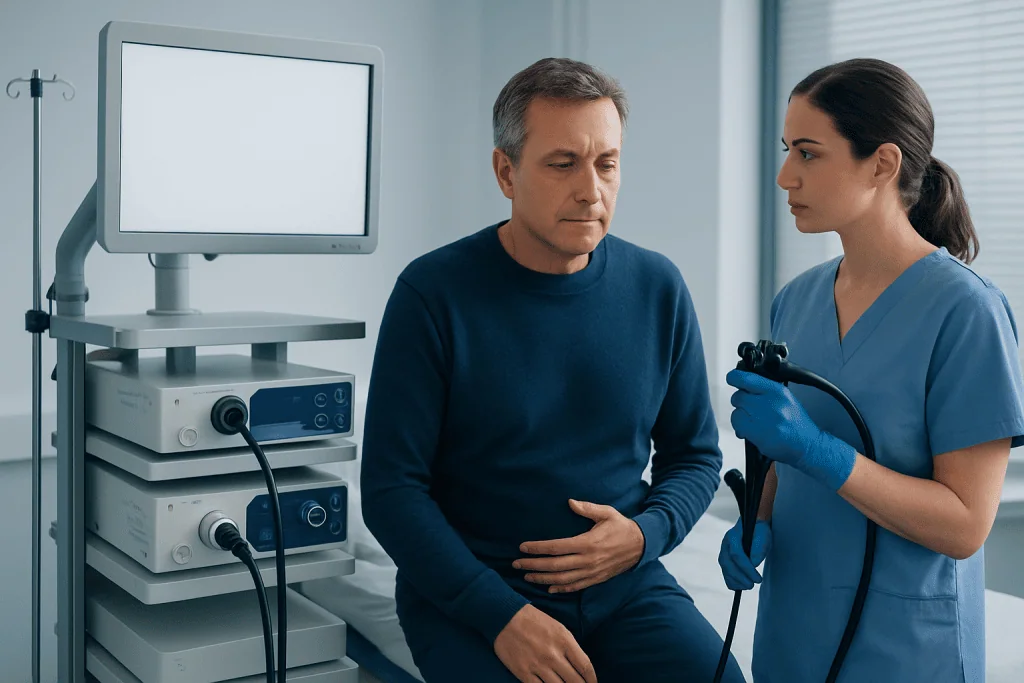
Symptoms vary from person to person and depend on how much of the colon is inflamed and how severe the inflammation is. Common symptoms include diarrhea, blood or mucus in the stool, abdominal cramping, urgency to have a bowel movement, and a feeling of incomplete emptying. Some people also notice fatigue, poor appetite, weight loss, or low energy.
When inflammation is mild, symptoms may come and go and may be manageable for a time. During moderate or severe flares, bowel movements may become much more frequent, bleeding may increase, and dehydration can develop. The condition can interfere with work, sleep, school, travel, and emotional well-being.
Ulcerative colitis can also have effects outside the bowel. Some patients develop joint pain, skin rashes, eye inflammation, or liver-related conditions such as primary sclerosing cholangitis. Because symptoms can overlap with infections or functional bowel conditions such as irritable bowel syndrome, medical assessment is important for an accurate diagnosis.
Causes, triggers, and risk factors
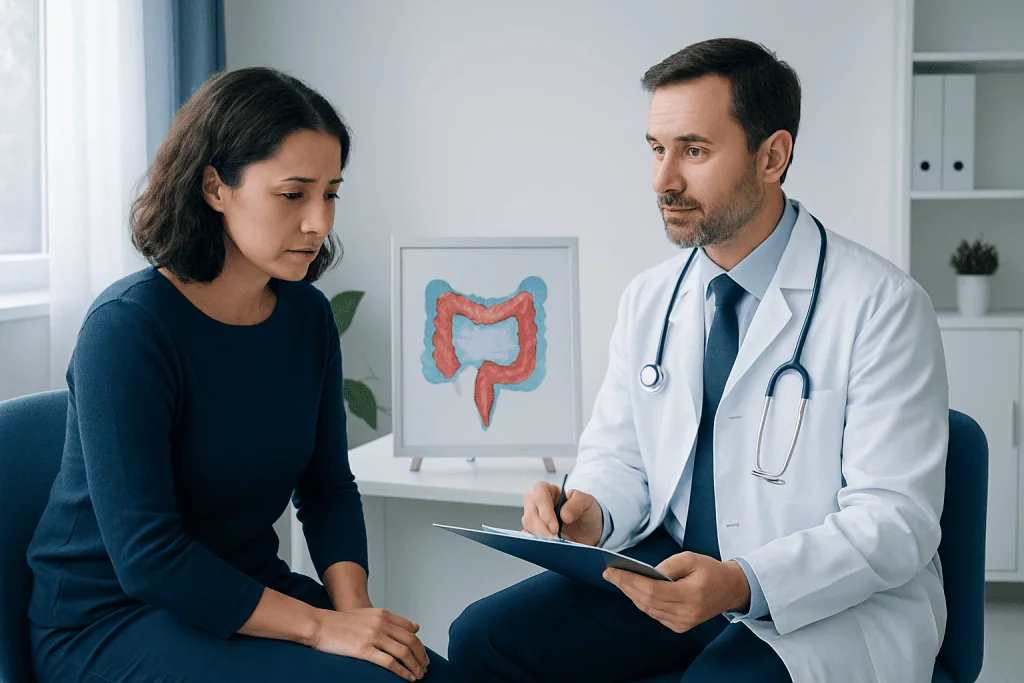
Ulcerative colitis is believed to develop when the immune system reacts in an abnormal way to normal intestinal contents. Genetics appear to play a role, since the condition can be more common in people with a family history of inflammatory bowel disease. Environmental influences, changes in the gut microbiome, and immune system activity may also contribute.
Although no single food causes ulcerative colitis, certain foods may worsen symptoms during a flare. Common triggers include high-fat meals, alcohol, very spicy foods, and items that are hard to digest when the bowel is inflamed. Triggers differ widely, so keeping a symptom and food diary can help identify personal patterns.
It is also important to separate ulcerative colitis from other causes of diarrhea and bleeding. Infections, gastroenteritis, hemorrhoids, and other digestive conditions can cause similar symptoms. A person should not assume that bleeding or ongoing bowel changes are simply due to diet, stress, or a minor digestive upset.
How ulcerative colitis is diagnosed
Diagnosis usually begins with a detailed medical history and physical examination. A doctor will ask about bowel habits, blood in the stool, abdominal pain, weight changes, family history, and symptoms outside the gut. Blood tests may look for anemia, inflammation, dehydration, or signs of infection, while stool tests help rule out infectious causes.
The most important tests often include colonoscopy or flexible sigmoidoscopy with biopsies. These procedures allow the doctor to see the colon lining directly and confirm the pattern of inflammation. Biopsy samples can help distinguish ulcerative colitis from other disorders and assess the degree of inflammation.
Imaging may also be used in selected cases, especially when complications are suspected. Ongoing specialist care through inflammatory bowel services can help with diagnosis, disease staging, and long-term monitoring. For many patients, diagnosis is not based on one test alone but on the combined pattern of symptoms, examination findings, laboratory results, and endoscopy.
Treatment options: biologics, steroids, and other medicines
Ulcerative colitis treatment options are chosen according to disease severity, how much of the colon is affected, whether the goal is to treat a flare or maintain remission, and how the patient has responded to previous therapy. Mild disease may be treated with aminosalicylates, such as mesalamine, given by mouth, rectally, or both. These medicines help reduce inflammation and are commonly used for both symptom control and long-term maintenance.
Corticosteroids, often called steroids, are usually used for short-term treatment when symptoms flare and inflammation needs to be controlled quickly. They can be very effective, but they are not ideal for long-term use because of side effects such as bone thinning, mood changes, blood sugar elevation, weight gain, and increased infection risk. For this reason, doctors aim to taper steroids once inflammation is under control and transition to safer maintenance therapy.
Biologics are advanced medicines that target specific parts of the immune system involved in inflammation. They may be recommended for moderate to severe ulcerative colitis, for patients who do not improve with standard treatment, or for those who become dependent on steroids. Depending on the medication, biologics may be given by infusion or injection and can help reduce flares, support healing of the bowel lining, and lower the need for hospitalization or surgery.
Other treatment options include immunomodulators and small-molecule medicines. These therapies may be used alone or with biologics in selected patients. The right plan should balance effectiveness, safety, convenience, other medical conditions, pregnancy plans, and infection screening. Patients can learn more about ulcerative colitis care and discuss options with a gastroenterologist before changing or stopping any prescribed medicine.
Surgery and long-term management
Surgery can be an important and effective treatment when medicines do not control ulcerative colitis or when complications occur. Reasons for surgery may include severe bleeding, perforation, toxic megacolon, precancerous changes, cancer, or symptoms that remain very difficult despite medical therapy. Because ulcerative colitis affects the colon and rectum, removing these organs can eliminate the disease from the bowel.
The most common operation is removal of the colon and rectum, sometimes with creation of an internal pouch connected to the anus or with an ileostomy. The best option depends on the patient’s overall health, the urgency of surgery, bowel function goals, and personal preferences. A colorectal surgeon and gastroenterologist usually work together to explain the benefits, limitations, and recovery process.
Even when surgery is not needed, long-term management remains essential. Follow-up visits help monitor symptoms, medication side effects, vaccination needs, nutritional status, iron levels, bone health, and mental well-being. Patients with longstanding colitis may also need regular colonoscopy surveillance because chronic inflammation can increase colorectal cancer risk over time.
Prevention, self-care, and when to see a doctor
Ulcerative colitis cannot usually be prevented, but good self-care can help reduce complications and support day-to-day well-being. Taking medicines exactly as prescribed is one of the most effective ways to maintain remission. Many people also benefit from hydration, balanced nutrition, adequate sleep, regular physical activity, and stress-management techniques such as relaxation exercises or counseling support.
During a flare, a doctor or dietitian may suggest temporarily adjusting food choices to reduce discomfort. Small, frequent meals, limiting foods that worsen symptoms, and replacing lost fluids can be helpful. Because some patients may develop vitamin, mineral, or iron deficiencies, nutritional review is often part of care. Specialist support in neurogastroenterology and digestive disease care may be useful when symptoms are complex or overlap with bowel motility problems.
A person should seek medical attention promptly for persistent rectal bleeding, severe abdominal pain, fever, fainting, signs of dehydration, rapidly worsening diarrhea, or inability to keep fluids down. Ongoing symptoms should not be ignored, especially if there is weight loss or nighttime bowel movements. Near the end of the care pathway, some international patients choose centers such as Acibadem International, where multidisciplinary specialists in JCI-accredited hospitals diagnose and treat ulcerative colitis and related digestive conditions.
Frequently asked questions
What is the difference between biologics and steroids for ulcerative colitis?
Steroids are usually used to bring a flare under control quickly, but they are generally not meant for long-term use because side effects increase over time. Biologics are longer-term therapies that target specific immune pathways and are often used to maintain control of moderate to severe disease.
Can ulcerative colitis go into remission?
Yes. Many people experience periods of remission when symptoms improve greatly or disappear for a time. The goal of treatment is not only to ease symptoms but also to reduce inflammation and help maintain remission as safely as possible.
Does ulcerative colitis always require surgery?
No. Many patients are managed successfully with medicines and regular follow-up. Surgery is usually considered when symptoms remain uncontrolled, side effects limit treatment, or complications such as severe bleeding or precancerous changes develop.
Are there foods that cure ulcerative colitis?
No specific food cures ulcerative colitis. However, certain foods may worsen symptoms during a flare, so individualized dietary adjustments can be helpful alongside medical treatment.
Is ulcerative colitis the same as irritable bowel syndrome?
No. Ulcerative colitis is an inflammatory disease that causes visible damage to the colon lining, while irritable bowel syndrome is a functional bowel disorder without the same type of inflammation. Because symptoms can overlap, testing is important to distinguish them.
When should someone seek urgent care for ulcerative colitis symptoms?
Urgent medical care is important if there is heavy rectal bleeding, severe abdominal pain, high fever, signs of dehydration, fainting, or rapidly worsening diarrhea. These symptoms can signal a serious flare or complication and should not be managed at home alone.
References
- National Institute of Diabetes and Digestive and Kidney Diseases
- Crohn's & Colitis Foundation
- American College of Gastroenterology
- Mayo Clinic
- National Health Service
This article is for general information only and is not a substitute for professional medical advice. Please consult a qualified doctor about your individual situation.
Ulcerative Colitis in Turkey — costs, top hospitals & a free quote
JCI-accredited · board-certified surgeons · reply within 24h
Add us as a Preferred Source to see more of our trusted health content across Google Search, AI Overviews and Discover.

Gastroenterology
Diagnosis and treatment of the digestive system and liver, with advanced endoscopy.
43 specialists in this unit