Enterocolitis Is Inflammation of Both the Small Intestine and Colon

Enterocolitis means inflammation of both the small intestine and colon. Causes range from infections and antibiotic effects to reduced blood flow and inflammatory bowel disease, so treatment depends on the cause. See a doctor promptly for blood in the stool, dehydration, severe pain, or warning signs in infants.
Key Takeaways
- Enterocolitis means inflammation of the small intestine and colon.
- Common symptoms include diarrhea, abdominal pain, nausea, vomiting, and fever.
- Causes range from viral or bacterial infections to inflammatory bowel disease, poor blood flow, and some medical treatments.
- Diagnosis usually combines a medical history, physical exam, stool testing, blood tests, and sometimes imaging or endoscopy.
- Mild cases may improve with fluids and rest, while severe cases may need hospital care, medicines, or surgery.
- Early medical attention is important if there is dehydration, severe pain, blood in the stool, or symptoms in an infant or vulnerable adult.
Enterocolitis is inflammation affecting both the small intestine and the colon. It can happen for several reasons, including infection, reduced blood flow, medication effects, or inflammatory disease, and treatment depends on the underlying cause and how severe the illness is.
Overview: what enterocolitis means
Enterocolitis is a general term for inflammation involving both the small intestine and the colon. In simple terms, it describes irritation and swelling in parts of the digestive tract that help absorb nutrients and move waste through the body. Because it is a broad term rather than a single disease, the condition can look different from one person to another.
Some people develop enterocolitis after a short-lived infection and recover within days. Others may develop it because of an underlying condition such as inflammatory bowel disease, reduced blood flow to the bowel, immune-related illness, or a side effect of treatment. In newborns, especially premature infants, a serious form called necrotizing enterocolitis can occur and needs urgent specialist care.
The symptoms of enterocolitis often overlap with other digestive problems, including gastroenteritis, colitis, and food-related illness. What matters most is identifying the cause, judging how severe the inflammation is, and looking for complications such as dehydration, bleeding, or damage to the bowel. This is why persistent or severe symptoms should be assessed by a qualified doctor.
How enterocolitis can feel: common symptoms
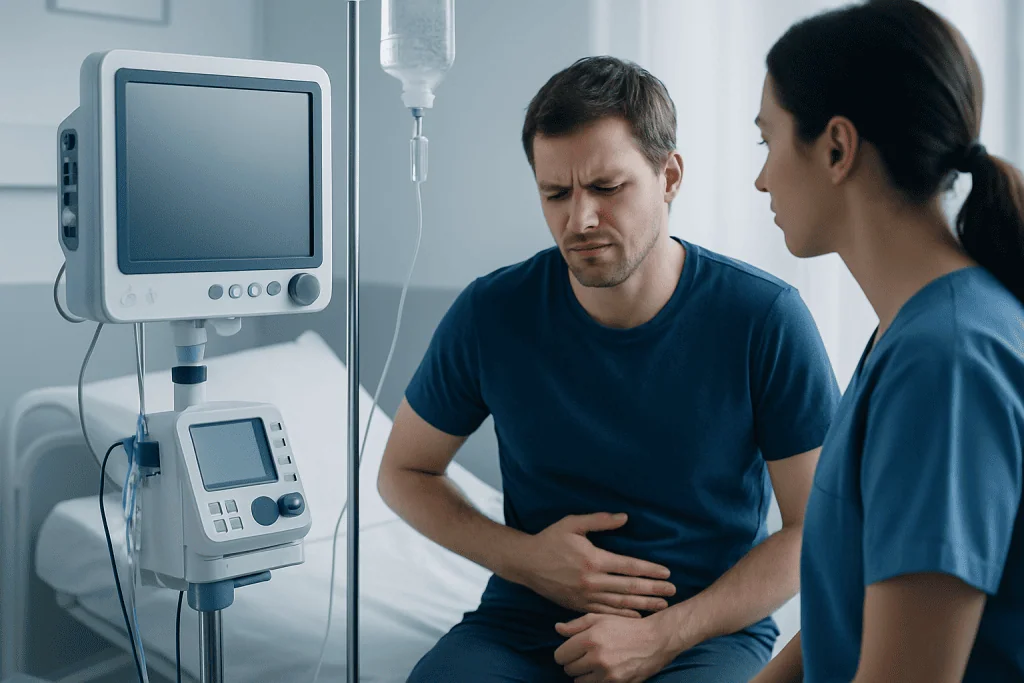
Enterocolitis commonly causes diarrhea, cramping abdominal pain, bloating, nausea, and vomiting. Many people also feel weak, tired, or unable to eat normally for a short time. Fever may occur, especially when infection is involved.
The exact symptom pattern depends on the cause and the person’s age and overall health. For example, infectious enterocolitis may begin suddenly with loose stools and stomach cramps, while inflammation related to Crohn’s disease or ulcerative colitis may cause recurrent episodes, weight loss, or longer-lasting bowel changes. Some people notice mucus in the stool, urgency to use the bathroom, or tenderness in the abdomen.
Signs of more severe illness can include dehydration, very little urine, dizziness, severe abdominal swelling, blood in the stool, or worsening pain. In infants, warning signs may include poor feeding, vomiting, a swollen belly, lethargy, or temperature instability. These symptoms do not always mean a serious complication, but they do need prompt medical evaluation.
- Diarrhea, sometimes frequent or urgent
- Abdominal cramps or diffuse belly pain
- Nausea and vomiting
- Fever or chills
- Loss of appetite and fatigue
- Blood or mucus in the stool in some cases
Why enterocolitis happens
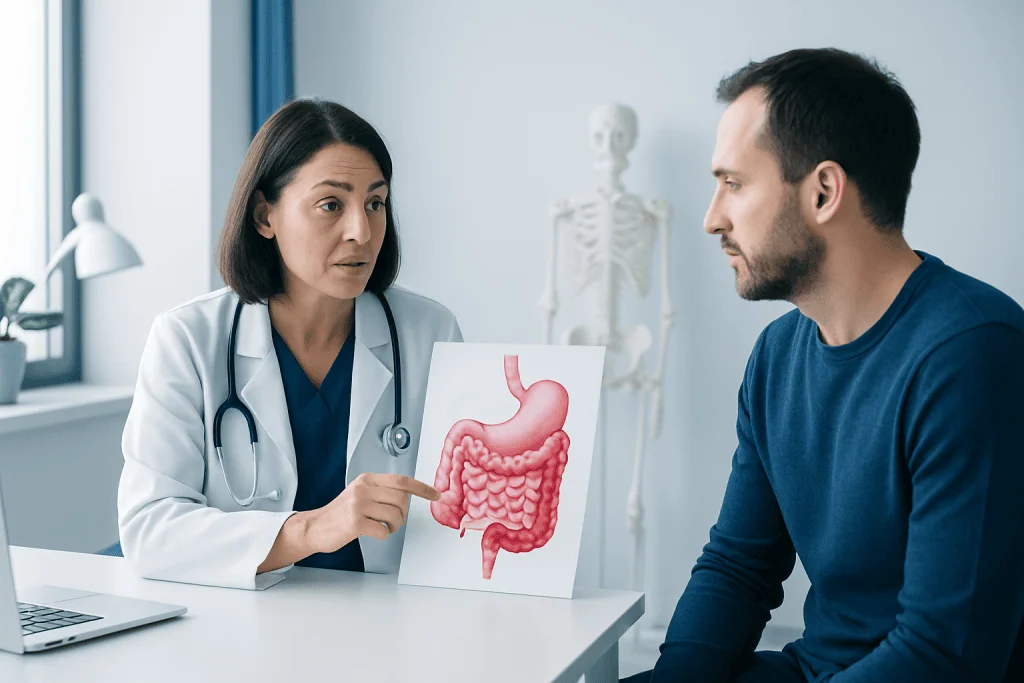
Enterocolitis doesn’t have one single cause. Infection is one of the most common. Viruses, bacteria, and parasites can inflame the intestinal lining and trigger sudden digestive symptoms. Depending on the organism involved, the illness may be mild and self-limited or more severe and prolonged. Antibiotic use can also disrupt normal gut bacteria and lead to inflammation associated with Clostridioides difficile.
Enterocolitis may also happen when the bowel does not get enough blood flow, a problem called ischemia. This is more likely in older adults and in people with heart or vascular disease, low blood pressure, or clotting problems. Inflammation from chronic conditions such as ulcerative colitis or Crohn’s disease can also affect the intestine in a way that resembles or causes enterocolitis.
Other triggers include radiation therapy to the abdomen or pelvis, some medications, weakened immunity, and recent hospitalization. In newborns, especially those born prematurely, necrotizing enterocolitis is thought to involve intestinal immaturity, altered blood flow, and abnormal bacterial interactions in the gut. With so many possible causes, treatment has to be matched to the individual rather than guessed at.
How doctors diagnose enterocolitis
Diagnosis begins with a careful review of symptoms, timing, recent travel, food exposures, medication use, antibiotic history, medical conditions, and hydration status. A physical examination helps identify signs of abdominal tenderness, bloating, fever, or dehydration. This first step often gives important clues about whether the problem is likely infectious, inflammatory, ischemic, or related to another cause.
Tests are chosen based on age, symptoms, and severity. Blood tests may look for infection, inflammation, electrolyte imbalance, anemia, or kidney strain from dehydration. Stool tests can help identify bacteria, viruses, parasites, or toxins. In some cases, imaging such as ultrasound or CT can show bowel thickening, swelling, reduced blood flow, or complications.
When symptoms are persistent, recurring, or concerning for chronic bowel disease, doctors may recommend endoscopic evaluation. Colonoscopy can help examine the colon directly and obtain tissue samples if needed. In selected patients, a specialist in gastroenterology care may coordinate further testing to distinguish enterocolitis from other digestive conditions and guide the safest treatment plan.
Treatment options and recovery
Treatment for enterocolitis depends on the cause, the patient’s age, and how ill the person is. Mild cases related to a viral infection may improve with rest, careful fluid replacement, and temporary dietary adjustments. More serious cases may need hospital observation, intravenous fluids, correction of electrolytes, and close monitoring for complications.
If a bacterial infection is confirmed or strongly suspected in certain situations, a doctor may prescribe antibiotics. However, not every case of diarrhea or enterocolitis should be treated with antibiotics, and using them unnecessarily can sometimes make things worse. When inflammation is linked to conditions such as inflammatory bowel disease, treatment may involve anti-inflammatory or immune-modifying medicines under specialist supervision. If a complication such as bowel perforation, severe ischemia, or necrotizing disease is suspected, urgent surgical evaluation may be necessary, including general surgery assessment when appropriate.
Recovery time varies. Many infectious cases improve within days, while inflammatory or ischemic causes may take longer and require follow-up care. During recovery, doctors often recommend drinking enough fluids, reintroducing food gradually, and avoiding medicines that may irritate the gut unless specifically advised. In complex cases, endoscopic evaluation or repeat imaging may be used to check healing or clarify the diagnosis.
Self-care, prevention, and protecting the gut
You can’t prevent every case, but a few simple habits lower the risk. Good hand hygiene, safe food handling, drinking clean water, and avoiding food that may be contaminated can help prevent infectious causes. People who travel, live in shared settings, or care for young children should be especially mindful of infection control.
Be careful with medicines too. Take antibiotics only when they’re prescribed, because using them unnecessarily can upset the balance of normal bowel bacteria. People with chronic digestive conditions should take medicines as directed and keep regular follow-up appointments. Managing vascular risk factors such as smoking, high blood pressure, and diabetes may also help lower the chance of poor blood flow to the bowel in some adults.
At home, supportive care focuses on preventing dehydration and allowing the digestive system to recover. Small sips of fluids, oral rehydration solutions when appropriate, and a gradual return to bland, easy-to-tolerate foods may help. It is best to seek medical advice before using anti-diarrheal medicines, especially if there is fever, blood in the stool, severe pain, or symptoms in a child, older adult, or pregnant person.
When to seek medical care
Medical care should be sought promptly if symptoms are severe, do not improve, or are accompanied by warning signs. These include dehydration, fainting, persistent vomiting, severe or worsening abdominal pain, blood in the stool, high fever, confusion, or a swollen abdomen. Infants, older adults, and people with weakened immunity may become unwell more quickly and should not wait if symptoms are significant.
Emergency evaluation is especially important when a baby has a distended abdomen, feeds poorly, seems unusually sleepy, or vomits repeatedly. Adults should also seek urgent help if bowel symptoms begin after a recent hospitalization or antibiotic course, because some infections need specific treatment. A doctor can decide whether home care is enough or whether testing, medicines, or hospital monitoring are needed.
For international patients who need evaluation of complex digestive symptoms, Acibadem International’s multidisciplinary specialists and JCI-accredited hospitals diagnose and treat conditions affecting the intestines, including enterocolitis and related bowel diseases. Because the right level of care depends on the cause, getting checked early is the safest move when symptoms are severe or won’t settle.
Frequently asked questions
Is enterocolitis the same as gastroenteritis?
Not exactly. Gastroenteritis usually refers to inflammation of the stomach and intestines, often due to infection, while enterocolitis refers specifically to inflammation of the small intestine and colon. The symptoms can overlap, so a doctor may need tests to tell them apart.
Can enterocolitis go away on its own?
Some mild cases, especially those caused by a short-term viral infection, can improve with rest and fluids. However, enterocolitis can also be caused by conditions that need medical treatment, such as bacterial infection, inflammatory bowel disease, or reduced blood flow to the bowel. Ongoing or severe symptoms should always be assessed.
Is enterocolitis contagious?
It can be contagious when it is caused by certain viruses, bacteria, or parasites. In those cases, the infection may spread through contaminated food, water, or close contact. Enterocolitis caused by inflammation, ischemia, or medication effects is not contagious.
What foods are best during recovery from enterocolitis?
Recovery usually starts with fluids and simple, easy-to-digest foods that do not worsen nausea or diarrhea. A doctor may suggest gradually returning to a normal diet as symptoms improve. Very fatty, spicy, or heavily processed foods may be harder to tolerate while the bowel is healing.
How is enterocolitis treated in babies?
In infants, especially premature newborns, enterocolitis can be serious and requires urgent specialist care. Treatment may include stopping feeds for a period, giving fluids and nutrition through a vein, antibiotics when needed, close monitoring, and sometimes surgery. Parents should seek immediate medical attention if a baby has a swollen belly, vomiting, poor feeding, or unusual sleepiness.
When should someone worry about diarrhea with enterocolitis?
Diarrhea needs prompt medical review if it is severe, lasts more than a few days, causes signs of dehydration, or comes with blood, fever, or strong abdominal pain. People who are pregnant, older, immunocompromised, or caring for a sick infant should be especially cautious. A doctor can determine whether testing or treatment is needed.
This article is for general information only and is not a substitute for professional medical advice. Please consult a qualified doctor about your individual situation.
Persistent digestive symptoms? Get evaluated in Turkey
7 JCI-accredited hospitals · board-certified surgeons · reply within 24h
Add us as a Preferred Source to see more of our trusted health content across Google Search, AI Overviews and Discover.
Check your numbers in seconds
BMI, calories, due date, blood pressure and 30+ more clinical calculators — free, instant, doctor-reviewed ranges.

Medically reviewed by the Acıbadem International Medical Board — August 24, 2026
See our medical review board →
Update history
- PublishedJuly 29, 2026
- Medical review approvedAugust 24, 2026
- Last content updateAugust 24, 2026
References3
- Necrotizing Enterocolitis (MedlinePlus) — medlineplus.gov
- C. diff (Clostridioides difficile) Infection — CDC — cdc.gov
- Gastroenteritis — NHS — nhs.uk
Gastroenterology
Diagnosis and treatment of the digestive system and liver, with advanced endoscopy.
43 specialists in this unitGastroenterology Specialists at Acibadem

Prof. Dr. Züleyha Akkan Çetinkaya
Gastroenterology
Assoc. Prof. Dr. Abdullah Okan
Gastroenterology
Prof. Dr. Ahmet Karaman
Gastroenterology
Dr. Alp Mustafa Günay
Gastroenterology
Prof. Dr. Arzu Tiftikçi
GastroenterologyRelated Treatments
Related Conditions
More from the Health Library

Pancreatitis Supportive Therapy: Early Signs, Risk Factors, and How It Is Treated

Hepatic Encephalopathy: Early Signs, Risk Factors, and How It Is Treated

Easing Intestinal Gas and Bloating Starts With Finding the Cause
Hepatic Steatosis: Diagnosis, Outlook, and Modern Treatment Approaches

Gastritis Treatments: Early Signs, Risk Factors, and How It Is Treated