VSG Surgery Before and After: What Weight Loss Results Are Realistic?

Most weight loss after VSG happens gradually over the first 12 to 18 months. Results depend on starting weight, eating habits, physical activity, follow-up care, and overall health.
Key Takeaways
- Most weight loss after VSG happens gradually over the first 12 to 18 months.
- Results depend on starting weight, eating habits, physical activity, follow-up care, and overall health.
- VSG helps reduce hunger and portion size, but it still requires long-term lifestyle changes.
- Before and after changes often include better mobility, energy, blood sugar control, and quality of life.
- Lifelong vitamin monitoring and regular medical follow-up are important after surgery.
VSG surgery can lead to meaningful weight loss and improvement in obesity-related health problems, but results vary from person to person. Realistic expectations focus on steady progress, long-term habits, and close follow-up rather than an overnight transformation.
Overview: What VSG Surgery Is and What It Can Change
VSG stands for vertical sleeve gastrectomy, often called gastric sleeve surgery. In this operation, a large part of the stomach is removed, leaving a smaller, sleeve-shaped stomach. The smaller stomach holds less food and also affects hunger-related hormones, which can help a person feel full sooner and feel less hungry between meals.
When patients ask about VSG surgery before and after results, the answer is usually that change happens in stages. There is often a visible difference in body size over time, but the full picture is broader than appearance alone. Many people also hope for improvements in health conditions linked to obesity, such as type 2 diabetes, high blood pressure, sleep apnea, joint strain, and reduced mobility.
VSG is considered a metabolic and bariatric procedure, not a cosmetic one. Its main goal is to support healthier, sustained weight loss in people who have not reached safe, lasting results with diet, exercise, and medical support alone. For many patients with morbid obesity, it can be an important part of treatment when recommended by a specialist team.
What Realistic Before and After Results Look Like
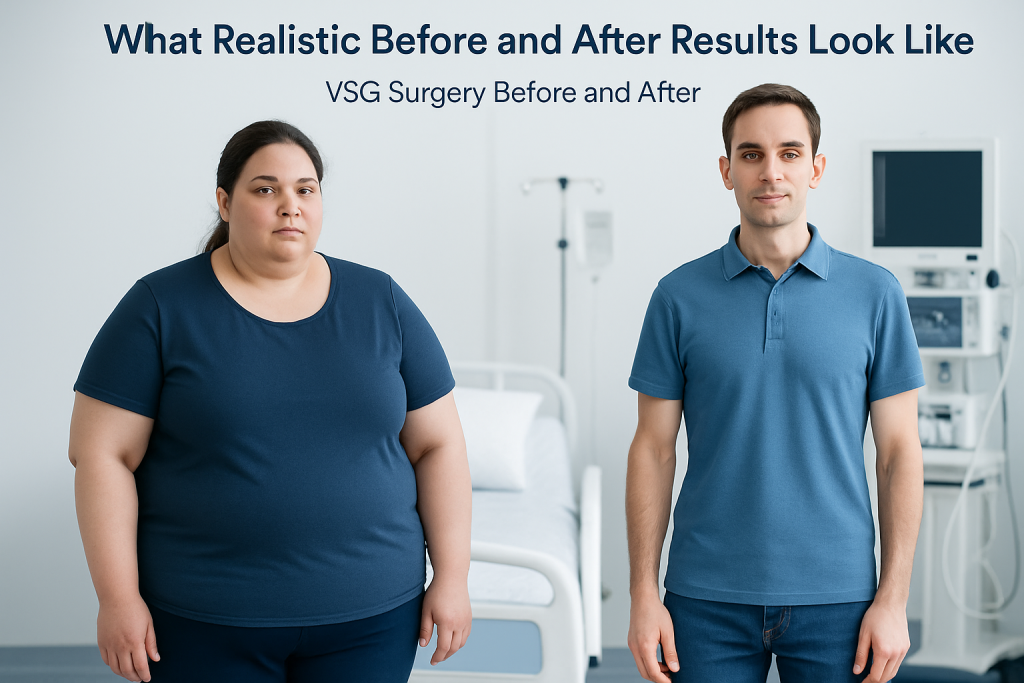
Realistic VSG results are usually progressive, not immediate. The most rapid weight loss often occurs in the first several months after surgery, followed by a slower phase of continued loss. Many patients continue to lose weight for 12 to 18 months, although the exact timeline differs based on metabolism, age, activity level, eating patterns, and adherence to follow-up care.
Doctors often discuss success in terms of percentage of excess weight loss rather than a single target number on the scale. This is important because two people with the same starting weight may have very different body composition, health conditions, and goals. A healthy result is not always reaching an “ideal” weight, but achieving meaningful and sustainable improvement in weight and health risks.
Before and after changes may include more than weight loss alone. Patients often notice smaller clothing sizes, easier movement, less breathlessness, and improved confidence with daily activities. Some also see benefits in blood sugar, cholesterol, blood pressure, and fertility-related health, although these outcomes are individual and should be monitored by a physician.
Weight regain can happen in some patients over time. This does not mean the surgery has failed. Instead, it often signals that the body has adapted, eating patterns have changed, or follow-up support needs to be strengthened. Long-term success usually comes from combining surgery with nutrition guidance, physical activity, sleep, stress management, and regular medical review.
Timeline After VSG: From the First Weeks to Long-Term Follow-Up
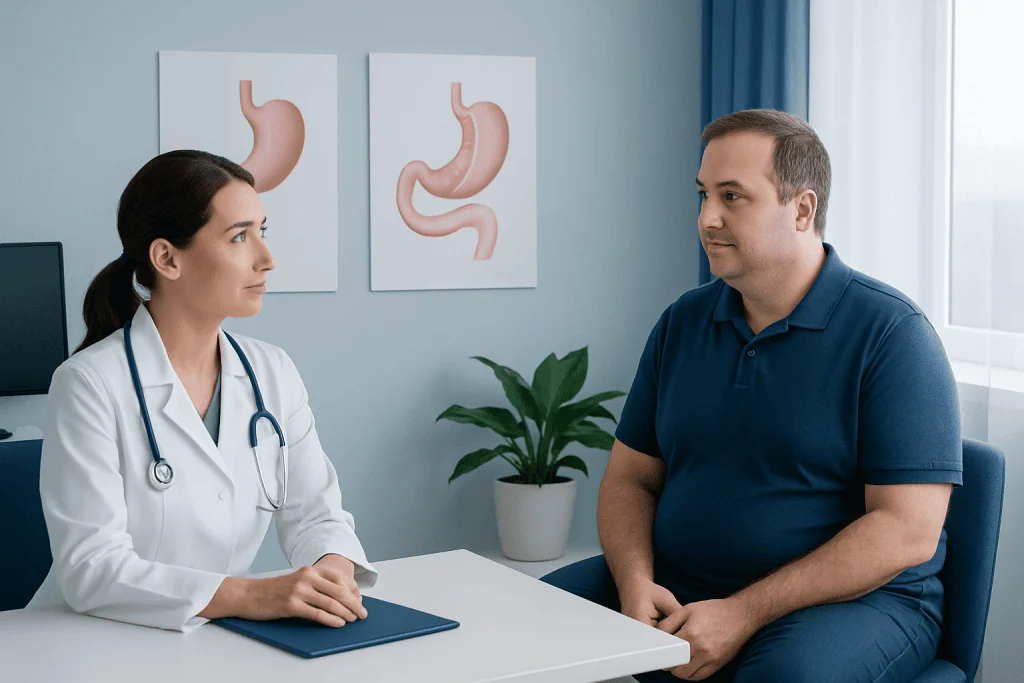
The early period after VSG focuses on healing, hydration, and gradual progression of food texture. Patients usually begin with liquids, then move to pureed foods, soft foods, and later a more regular bariatric meal plan as advised by their surgeon and dietitian. During this time, the scale may change quickly, but recovery and safe nutrition are the main priorities.
In the first few months, many people notice significant appetite changes. Meals become much smaller, eating too quickly can cause discomfort, and high-sugar or high-fat choices may be poorly tolerated. Learning new eating habits is one of the most important parts of the before and after journey. Chewing well, eating slowly, and separating fluids from meals are common recommendations.
By about 6 to 12 months, patients often see major visible changes in body shape and daily function. Physical activity usually becomes easier, which can further support weight loss and muscle preservation. This period can also bring emotional adjustments, including changing body image and new social situations around food.
Long-term follow-up matters just as much as the surgery itself. Weight tends to stabilize after the initial loss phase, and the goal shifts toward maintaining results. Ongoing monitoring helps identify issues such as nutritional deficiencies, reflux symptoms, inadequate protein intake, or gradual weight regain early, when they are easier to manage.
What Affects Weight Loss Results After VSG
No surgeon can promise the same outcome for every patient. Results after VSG depend on several factors, including starting body mass index, existing medical conditions, hormone and metabolic factors, psychological health, sleep quality, and previous weight loss attempts. A person with severe insulin resistance or limited mobility may lose weight differently from someone without those challenges.
Daily habits remain central. Patients who attend follow-up visits, follow a structured nutrition plan, meet protein goals, stay hydrated, and build regular movement into their routine often have stronger long-term outcomes. In contrast, frequent grazing, calorie-dense liquids, alcohol misuse, or lack of support can reduce the procedure’s effectiveness over time.
The quality of preoperative assessment also matters. A thorough bariatric team typically reviews medical history, eating behavior, emotional health, and readiness for long-term change before surgery. This helps identify the most suitable option, whether that is gastric sleeve surgery, another bariatric surgery approach, or in some cases a non-surgical weight management plan.
Some patients may have other abdominal concerns that affect their overall surgical planning or recovery, such as a prior scar-related incisional hernia. These issues do not automatically prevent VSG, but they may influence the evaluation and treatment pathway.
Health Benefits Beyond the Scale
The most encouraging before and after changes are often medical rather than purely visual. Weight loss after VSG may improve or reduce the severity of conditions linked to obesity, including type 2 diabetes, high blood pressure, fatty liver disease, sleep apnea, and joint pain. Some patients also report better stamina, reduced snoring, and easier participation in work or family life.
These benefits happen because the procedure can lower calorie intake and also influence metabolic pathways. For some patients, blood sugar control begins improving early, even before the full amount of weight loss has occurred. However, medication changes should only be made under medical supervision, since needs can change quickly after surgery.
Mental and emotional changes can also be part of the journey. Many people feel encouraged by improved mobility and self-esteem, but others may find adjustment more complex than expected. Rapid body changes, shifting relationships with food, and new social attention can bring emotional ups and downs. Support from dietitians, psychologists, and bariatric teams can be very helpful.
For patients comparing procedures, it may help to discuss how VSG differs from options such as gastric bypass or other metabolic operations. The best procedure depends on each person’s health profile, eating patterns, reflux symptoms, and treatment goals.
Possible Risks, Side Effects, and Limitations
Like any surgery, VSG has possible risks and limitations. Short-term surgical risks can include bleeding, infection, blood clots, and leaks from the staple line. These are serious concerns but are carefully monitored in the hospital and during follow-up. The individual level of risk depends on the person’s health and the experience of the treating team.
Longer-term issues can include acid reflux, nausea with overeating, constipation, dehydration, hair thinning during rapid weight loss, and vitamin or mineral deficiencies if supplements are not taken properly. Because the stomach is permanently reduced in size, patients need lifelong commitment to nutrition advice and follow-up blood tests.
Another important limitation is that VSG is a tool, not a cure. It can make healthy choices easier by reducing hunger and portion size, but it does not remove the need for behavior change. If old patterns gradually return, the stomach can adapt and calorie intake can increase.
Some patients considering VSG may also ask about alternatives such as gastric balloon or less invasive approaches. These may be suitable in selected cases, but they typically produce different amounts of weight loss and have different long-term considerations. A bariatric specialist can explain which option fits the patient’s medical situation best.
How to Prepare for Better Before and After Outcomes
Good preparation can improve both safety and long-term success. Before surgery, patients are usually asked to complete medical testing, nutritional counseling, and sometimes psychological evaluation. They may also be advised to stop smoking, review medications, and begin practicing post-surgery eating habits early. These steps help lower risk and make the transition smoother.
After surgery, structure is very important. Helpful habits often include prioritizing protein, drinking enough water between meals, avoiding high-calorie liquids, taking prescribed vitamin and mineral supplements, and gradually increasing physical activity. Strength training and walking are commonly encouraged because they support muscle maintenance during weight loss.
Family and social support can make a real difference. Patients often do better when the household understands the new meal pattern and the need for long-term routine. Follow-up appointments should not be skipped, even when progress seems to be going well, because nutritional issues can develop quietly.
For people pursuing treatment abroad, coordinated care is especially valuable. Near the end of the treatment journey, patients may benefit from centers that combine surgeons, internists, dietitians, and imaging and laboratory services in one program. Acibadem International’s multidisciplinary specialists and JCI-accredited hospitals diagnose and treat obesity-related conditions for international patients.
When to Contact a Doctor During Recovery or Later On
After VSG, patients should seek medical advice promptly if they have persistent vomiting, fever, worsening abdominal pain, chest pain, shortness of breath, trouble drinking fluids, signs of dehydration, or redness and discharge from incision sites. These symptoms do not always mean a serious problem, but they should be checked without delay.
Medical review is also important if weight loss stops very early, severe reflux develops, swallowing becomes difficult, or fatigue and weakness suggest possible nutritional deficiency. Lifelong follow-up allows the care team to adjust supplements, review diet, and investigate concerns before they become more significant.
In the longer term, a doctor should be consulted if there is notable weight regain, emotional distress around eating, or new digestive symptoms. Sometimes patients benefit from additional nutrition counseling, medication review, endoscopic evaluation, or discussion of revisional bariatric options such as sleeve gastrectomy follow-up care and revision planning within a specialist center.
Frequently asked questions
How much weight can someone realistically lose after VSG surgery?
Weight loss varies from person to person, so there is no single number that fits everyone. In general, most patients lose a meaningful amount of excess weight over 12 to 18 months when surgery is combined with consistent nutrition, activity, and follow-up care.
How quickly are before and after changes visible?
Some early changes may be visible within the first few weeks or months, especially as swelling settles and weight begins to drop. However, the most meaningful body and health changes usually develop gradually over the first year.
Can weight come back after gastric sleeve surgery?
Yes, some weight regain can happen over time. This is not unusual and may be related to changes in eating habits, reduced activity, stress, poor sleep, or loss of follow-up support. Early medical and dietary review can often help.
Will VSG surgery cure diabetes or high blood pressure?
VSG can improve obesity-related conditions and may reduce the need for some medications, but it is not guaranteed to cure every condition. Blood sugar, blood pressure, and other health problems still need regular monitoring by a doctor.
What does the stomach look like after VSG?
After VSG, the stomach is much smaller and shaped like a narrow tube or sleeve. This limits how much food it can hold and can also affect hormones involved in appetite.
Is exercise necessary after VSG if the surgery already reduces hunger?
Yes, exercise remains important even though the surgery helps with portion control and appetite. Regular movement supports heart health, preserves muscle, improves mood, and helps maintain weight loss over the long term.
Do patients need vitamins for life after VSG?
Many patients need long-term or lifelong vitamin and mineral supplementation after VSG. Exact needs vary, so supplements and blood tests should be guided by the treating medical team.
References
- American Society for Metabolic and Bariatric Surgery
- National Institute of Diabetes and Digestive and Kidney Diseases
- National Health Service
- Mayo Clinic
- World Health Organization
This article is for general information only and is not a substitute for professional medical advice. Please consult a qualified doctor about your individual situation.
Medical weight-loss options in Turkey — costs & eligibility
JCI-accredited · board-certified surgeons · reply within 24h
Add us as a Preferred Source to see more of our trusted health content across Google Search, AI Overviews and Discover.
Check your numbers in seconds
BMI, calories, due date, blood pressure and 30+ more clinical calculators — free, instant, doctor-reviewed ranges.