

What Are Cosmetic Procedures and How Do They Work?
Cosmetic procedures include both non-surgical treatments and surgical operations. They work by changing skin quality, volume, shape, or body contour, depending on the treatment.
Key Takeaways
- Cosmetic procedures include both non-surgical treatments and surgical operations.
- They work by changing skin quality, volume, shape, or body contour, depending on the treatment.
- A careful consultation helps match a person’s goals, health status, and expectations to the safest option.
- Recovery time varies widely, from little downtime after some treatments to several weeks after surgery.
- Choosing a qualified specialist and accredited medical center is important for safety and results.
Cosmetic procedures are medical or minimally invasive treatments designed to improve or reshape appearance. They range from non-surgical options such as injections and laser treatments to surgical procedures that alter facial or body contours.
Overview of Cosmetic Procedures
Cosmetic procedures are treatments performed to improve, refine, or reshape a person’s appearance. Some focus on the face, such as smoothing lines, improving skin texture, or changing contour. Others target the body, for example by adjusting breast shape, removing excess skin, or reducing localized fat. These procedures are usually elective, meaning they are chosen rather than medically required.
There are two broad groups of cosmetic procedures: non-surgical and surgical. Non-surgical treatments may include injectables, chemical peels, laser therapies, skin resurfacing, or energy-based treatments. Surgical procedures can involve incisions, anesthesia, and a longer healing period. Examples include breast augmentation, tummy tuck procedures, brow lift surgery, or arm liposuction when these are suitable for a patient’s goals.
Although cosmetic procedures are often discussed alongside reconstructive treatments, they are not exactly the same. Reconstructive surgery is usually performed to restore function or appearance after injury, illness, birth differences, or medical treatment. In practice, the two areas can overlap. For example, treatment for keloid scars or appearance changes after burn injuries may involve both reconstructive and aesthetic principles.
Common Types and How They Work
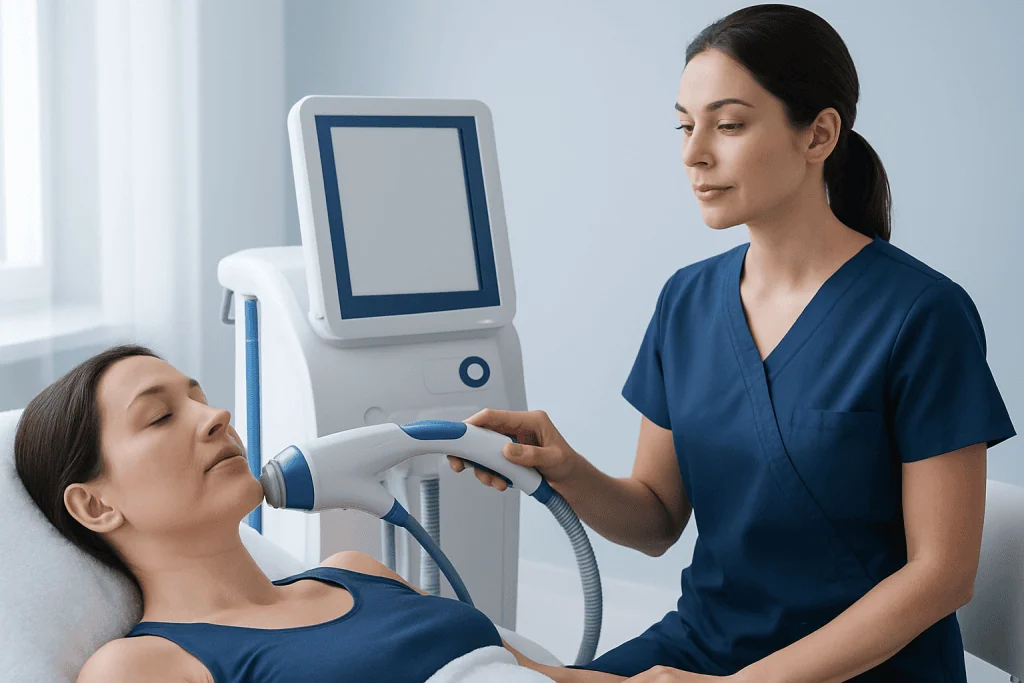
Different cosmetic procedures work in different ways. Some add volume, some remove tissue or fat, and others tighten, resurface, or stimulate the skin. The best option depends on the area being treated, skin quality, overall health, and the person’s expectations.
Non-surgical procedures generally work by making controlled changes in the skin or underlying soft tissue. For example, fillers add volume, neuromodulators relax certain facial muscles, and laser or light therapies can target pigmentation, redness, fine lines, or texture. Chemical peels and microneedling encourage skin renewal. These approaches often have shorter recovery times, but results may be more subtle or temporary.
Surgical cosmetic procedures create more structural change. They may remove excess skin, reposition tissue, reshape cartilage, or reduce localized fat deposits. Liposuction removes selected fat cells through small incisions, while lifting procedures can tighten loose skin and soft tissues. Breast and body surgeries may use implants, fat transfer, or tissue removal to change shape and proportion. For some patients, procedures such as acne scarring treatment or contouring surgery are chosen to improve confidence as well as appearance.
- Skin-focused: peels, laser resurfacing, microneedling, scar treatments
- Injectable: fillers and wrinkle-relaxing injections
- Face-focused surgery: eyelids, nose, chin, brow, neck, ears
- Body-focused surgery: liposuction, tummy tuck, lifts, breast procedures
Why People Choose Cosmetic Procedures
People choose cosmetic procedures for many personal reasons. Some want to address age-related changes such as sagging skin, volume loss, or deeper lines. Others wish to refine a long-standing feature, improve body proportions, or feel more comfortable in clothing. After weight changes, pregnancy, acne, or scarring, some people seek treatment to restore a smoother or more balanced appearance.
In certain situations, appearance concerns are linked to a medical or developmental condition. For instance, people with gynecomastia may seek treatment for excess breast tissue in the chest area, while others may consider surgery after trauma or congenital differences. What matters most is that the reason is personal, realistic, and discussed openly with a qualified doctor.
Good candidates for cosmetic procedures are usually in stable general health, understand the possible benefits and limitations, and have realistic expectations. A procedure can improve a feature, but it cannot create perfection or solve unrelated emotional concerns. A careful consultation helps determine whether the desired change is achievable and whether the treatment is appropriate at that time.
Consultation, Assessment, and Diagnosis
Even though cosmetic procedures are elective, proper medical assessment is still essential. The first step is usually a detailed consultation with a qualified plastic surgeon, dermatologist, or other appropriately trained specialist. The doctor asks about medical history, current medications, allergies, previous procedures, smoking, and any health conditions that may affect healing or anesthesia safety.
The physical examination focuses on the treatment area, skin quality, anatomy, symmetry, and tissue characteristics. Clinical photographs may be taken for planning and comparison. In some cases, laboratory tests or imaging may be needed before surgery. The doctor also checks whether a concern may actually reflect an underlying medical condition that should be treated first.
An important part of the consultation is discussing goals. Patients are encouraged to describe what bothers them, what level of change they want, and how much downtime they can manage. The doctor explains which options are suitable, what results are realistic, what scars may remain, and whether one treatment or a staged plan is better. This step helps prevent disappointment and supports informed decision-making.
Treatment Options, Anesthesia, and Recovery
Treatment planning depends on the type of procedure and the area involved. Non-surgical treatments may be performed in a clinic setting with topical numbing, cooling, or local anesthesia. Surgical procedures may require local anesthesia with sedation or general anesthesia, depending on complexity. The doctor explains the setting, the expected duration, and what the patient should do before and after treatment.
Recovery varies greatly. Some non-surgical treatments cause only brief redness, swelling, or bruising, and daily activities can resume quickly. Surgery usually needs a longer recovery period, with temporary swelling, discomfort, limited activity, and follow-up visits. Compression garments, wound care, scar management, and activity restrictions may be part of aftercare. Final results may take weeks or months to settle as swelling improves and tissues heal.
Potential risks also differ by procedure but may include bruising, infection, bleeding, fluid collection, visible scarring, pigment changes, asymmetry, numbness, delayed healing, or dissatisfaction with the result. Risks may be higher in smokers, people with certain medical conditions, or those who do not follow aftercare instructions. Careful preoperative assessment and close follow-up help lower these risks.
When patients seek coordinated care, multidisciplinary plastic surgery and dermatology teams can guide treatment from consultation to follow-up. Near the end of the decision process, some international patients choose centers such as Acibadem International, where multidisciplinary specialists and JCI-accredited hospitals diagnose and treat cosmetic concerns with individualized planning.
Benefits, Limitations, and Setting Realistic Expectations
The main benefit of cosmetic procedures is improvement in a feature that a person would like to change. Depending on the treatment, this may include smoother skin, better facial balance, reduced excess fat, improved body contour, or a more refreshed appearance. Many patients also value the practical effects, such as clothing fitting better or less discomfort from heavy tissue or skin folds.
However, every cosmetic procedure has limits. Human anatomy, skin quality, healing patterns, age, genetics, and lifestyle all affect the final result. Symmetry can often be improved, but perfect symmetry is not realistic. Surgical scars can usually be placed carefully and may fade over time, but they do not disappear completely.
Results can also change with time. Natural aging continues after treatment, and body weight changes, pregnancy, sun exposure, or smoking can influence long-term appearance. Some non-surgical treatments need maintenance sessions to preserve results. A trustworthy specialist explains not only what a procedure can do, but also what it cannot do, so the person can make a balanced choice.
Prevention, Self-care, and Choosing a Qualified Specialist
Not all appearance concerns can be prevented, but healthy habits can support skin quality and long-term results. Daily sun protection, avoiding smoking, staying hydrated, maintaining a stable weight, eating a balanced diet, and following good skin care routines all contribute to healthier skin and healing. After a cosmetic procedure, following postoperative instructions closely is one of the best ways to support recovery.
Choosing the right practitioner is one of the most important safety steps. Patients should look for a doctor with appropriate specialist training, experience in the specific procedure, and access to an accredited medical facility when surgery is planned. It is reasonable to ask about qualifications, possible alternatives, expected recovery, common side effects, and what support is available if complications occur.
People should be cautious about offers that seem rushed or unrealistic. A safe consultation should never pressure someone into treatment. Instead, it should include a clear explanation of benefits, risks, costs, recovery time, and likely outcomes. If needed, getting a second opinion can be helpful, especially before major surgery.
- Protect skin from excessive sun exposure
- Stop smoking if advised before treatment
- Keep chronic medical conditions well managed
- Follow wound care and activity guidance carefully
- Attend all scheduled follow-up appointments
When to See a Doctor
A person may consider seeing a qualified specialist when a feature of the face, skin, or body has been bothering them consistently and they want to understand the available options. A consultation can help clarify whether the concern is best managed with skin care, a non-surgical treatment, surgery, or no procedure at all. It is also useful for anyone who has questions after weight loss, pregnancy, aging changes, acne scarring, or changes related to previous surgery.
Medical review is especially important when there is pain, a rapidly changing lump, skin breakdown, a non-healing wound, or a sudden change in appearance. These issues may point to a health problem rather than a purely cosmetic concern. A doctor can determine whether further testing or referral is needed.
After any cosmetic treatment, urgent medical advice should be sought for severe swelling, increasing redness, fever, significant bleeding, shortness of breath, intense pain that is worsening, or signs that a wound is not healing properly. Early assessment can help protect both health and results. In most situations, open communication with the treating team is the safest approach.
Frequently asked questions
What is the difference between cosmetic and reconstructive procedures?
Cosmetic procedures are mainly performed to improve appearance, while reconstructive procedures are usually done to restore function or normal form after injury, disease, or a congenital condition. In some cases, the two overlap, especially when treatment also improves confidence and quality of life.
Are cosmetic procedures always surgical?
No. Many cosmetic procedures are non-surgical, such as injections, laser treatments, chemical peels, and skin resurfacing. Surgery is usually chosen when more noticeable or longer-lasting structural change is needed.
How long does recovery take after a cosmetic procedure?
Recovery depends on the treatment. Some non-surgical procedures involve only a few days of redness or swelling, while surgery may require several weeks before normal activities fully resume. Final results often continue to improve over months as healing progresses.
Are cosmetic procedures permanent?
Some surgical changes can be long-lasting, but no procedure completely stops aging or future body changes. Non-surgical treatments often need repeat sessions, and even surgical results can be affected by weight changes, sun exposure, pregnancy, and natural aging.
Who is a good candidate for cosmetic procedures?
A good candidate is usually in stable physical health, does not have unmanaged medical risks, and has realistic expectations about what treatment can achieve. A detailed consultation is important to decide whether a specific procedure is safe and suitable.
What are the most important safety considerations?
The key safety points are choosing a qualified specialist, having treatment in an appropriate medical setting, and understanding the risks, recovery, and alternatives. Following pre- and post-treatment instructions carefully also plays a major role in reducing complications.
References
- American Society of Plastic Surgeons
- American Academy of Dermatology
- National Health Service
- Mayo Clinic
- U.S. Food and Drug Administration
This article is for general information only and is not a substitute for professional medical advice. Please consult a qualified doctor about your individual situation.
Explore treatments in Turkey — costs, top hospitals & a free quote
JCI-accredited · board-certified surgeons · reply within 24h
Add us as a Preferred Source to see more of our trusted health content across Google Search, AI Overviews and Discover.

Related Treatments
Related Conditions
More from the Health Library



Related Specialists
Assoc. Prof. Dr. Erdem Güven (m)
Aesthetic Plastic & Reconstructive Surgery
Prof. Dr. Şükrü Yazar
Aesthetic Plastic & Reconstructive Surgery
Prof. Dr. Hakan Ağır
Aesthetic Plastic & Reconstructive Surgery
Prof. Dr. Bülent Saçak
Aesthetic Plastic & Reconstructive Surgery