

What Does Aesthetic Mean in Plastic Surgery?

Aesthetic plastic surgery focuses on appearance, symmetry, and balance. The goal is usually a natural-looking improvement, not an artificial one.
Key Takeaways
- Aesthetic plastic surgery focuses on appearance, symmetry, and balance.
- The goal is usually a natural-looking improvement, not an artificial one.
- Aesthetic procedures can involve the face, breasts, body, skin, or contours.
- Good candidates are informed, realistic, and in generally stable health.
- A qualified plastic surgeon helps match the procedure to the person’s goals and anatomy.
In plastic surgery, “aesthetic” refers to procedures designed to improve appearance, proportion, and harmony while aiming for natural-looking results. It is different from purely reconstructive surgery, though many procedures combine both goals.
Overview
In plastic surgery, the word aesthetic refers to procedures that are planned to improve appearance. The goal is usually to create a look that feels balanced, proportionate, and natural for the individual rather than dramatically changing features.
Aesthetic plastic surgery is sometimes called cosmetic surgery. It may involve the face, breasts, body, skin, or body contours. Common examples include a body contouring procedure, a facelift, breast surgery, or treatment for scars and uneven features.
Although the focus is appearance, aesthetic surgery is still a medical field. It requires careful assessment, surgical skill, and a clear discussion of expectations, risks, and recovery. In many cases, the best results come from procedures that respect both appearance and function.
What “Aesthetic” Means in Plastic Surgery
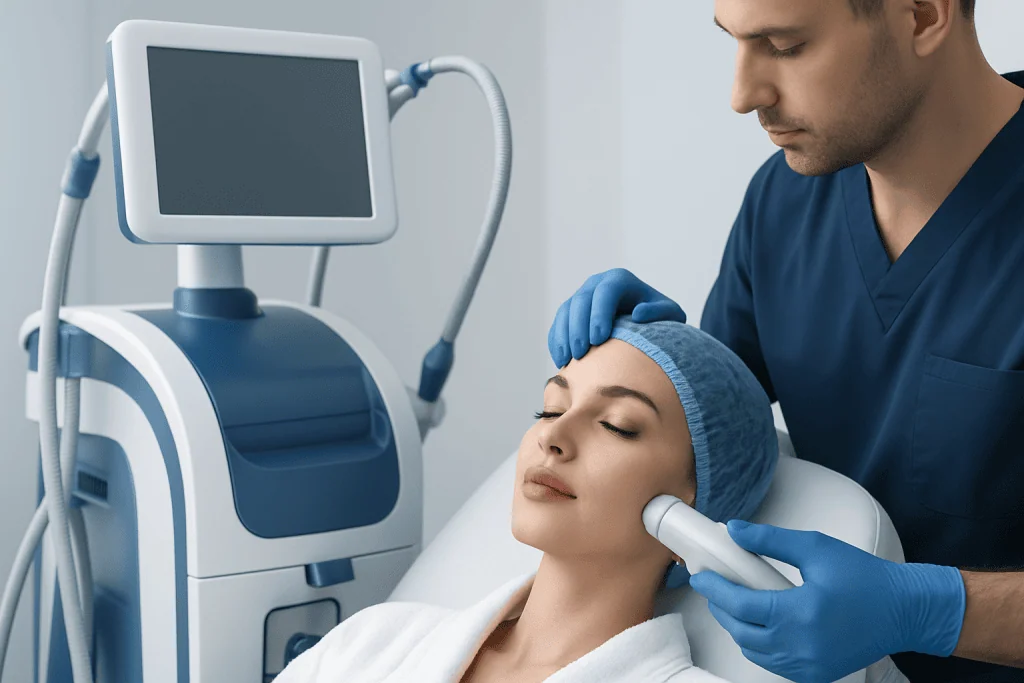
“Aesthetic” means related to beauty, appearance, and visual harmony. In plastic surgery, this does not mean chasing a perfect look. Instead, it means improving how a body part appears in a way that suits the person’s natural features.
Plastic surgeons often use the term to describe changes in shape, contour, symmetry, or proportion. For example, a surgeon may refine the nose, lift the breasts, reduce excess skin, or soften the appearance of scars. The aim is usually subtle, measured improvement.
The aesthetic approach also considers how a result fits the whole person. A feature that looks attractive in isolation may not look balanced if it is too large, too small, or too different from surrounding structures. That is why individualized planning matters so much.
Aesthetic Surgery vs. Reconstructive Surgery
Aesthetic surgery and reconstructive surgery are closely related, but they are not the same. Aesthetic surgery focuses mainly on appearance. Reconstructive surgery focuses on restoring form and function after trauma, illness, birth differences, or surgery.
In real practice, the two often overlap. A reconstructive procedure may also improve appearance, and an aesthetic procedure may support comfort or function. For example, breast reduction can be both aesthetic and functional because it may improve body balance while also easing physical discomfort.
Another example is ear reconstruction, which may restore a natural ear shape and also help with confidence and social comfort. The distinction is helpful, but the best surgical plan often considers both form and function together.
Common Aesthetic Procedures
Aesthetic plastic surgery includes many different procedures. Some focus on the face, such as eyelid surgery, brow lift, chin refinement, or facial contouring. Others focus on the body, such as liposuction, tummy shaping, arm lift, or buttock enhancement.
Breast procedures are also common. These may include augmentation, reduction, lift, or correction of asymmetry. A procedure like aesthetic breast surgery may be chosen to improve shape, symmetry, or proportion in a way that matches the patient’s goals.
Some aesthetic treatments address skin texture or scars rather than structure. For example, acne scarring treatment may help reduce the visible effects of past acne. In all these cases, the aesthetic goal is to improve appearance while keeping the result appropriate to the individual.
Who May Benefit From Aesthetic Plastic Surgery
People seek aesthetic plastic surgery for many reasons. Some want to change a feature they have disliked for years. Others want to restore shape after pregnancy, weight loss, aging, or previous surgery. Some simply want a more rested, balanced, or proportionate appearance.
Good candidates usually have realistic expectations. They understand that surgery can improve appearance, but it cannot create a completely different person or guarantee perfection. Emotional readiness is also important, because recovery takes time and results may continue to change for weeks or months.
Before recommending a procedure, a surgeon will review medical history, current health, medications, and personal goals. This helps determine whether surgery is appropriate and which option is most likely to meet the person’s needs safely.
How Aesthetic Surgery Is Planned and Performed
Aesthetic surgery begins with a consultation. The surgeon examines the area of concern, listens to the patient’s goals, and explains possible approaches. Photographs, measurements, and facial or body analysis may be used to plan the procedure.
The surgical technique depends on the treatment. Some procedures are minimally invasive, while others require incisions and a longer recovery. In every case, the surgeon tries to balance the desired change with safety, healing, and the surrounding anatomy.
Patients are usually given instructions before surgery and guidance after it. These may include how to prepare, what medicines to avoid, how to care for the incision, and when to return for follow-up visits. For selected body-slimming procedures, options such as classic liposuction or body contouring may be discussed as part of a broader plan.
Safety, Risks, and Recovery
All surgery has some risk, including bleeding, infection, swelling, bruising, scarring, and temporary discomfort. The exact risks depend on the procedure, the person’s health, and whether the operation is minor or complex. A thorough consultation helps reduce avoidable problems.
Recovery also varies. Some people return to normal activities quickly, while others need more time for rest, wound care, and swelling to settle. Following the surgeon’s instructions is one of the most important ways to support healing and protect the result.
It is also helpful to understand that the final appearance may not be immediate. Swelling can mask the result at first, and tissues may continue to refine over time. Patience and follow-up care are part of the aesthetic process.
How to Decide Whether a Procedure Is Right
The best aesthetic decision is usually the one that matches a person’s goals, anatomy, health, and lifestyle. A procedure should feel like a thoughtful choice, not a rushed one. A skilled surgeon will explain what can realistically be improved and what cannot be changed safely.
Patients may want to ask about the surgeon’s experience, the expected recovery, alternative treatments, and whether the procedure is likely to improve symmetry, shape, or proportion. For some people, non-surgical approaches or observation may be the better first step.
Acibadem International offers multidisciplinary specialists in JCI-accredited hospitals who diagnose and treat aesthetic and reconstructive conditions for international patients. That team-based approach can be especially helpful when more than one area, such as the breasts, body, or face, is involved.
Frequently asked questions
What does aesthetic mean in plastic surgery?
It means the procedure is intended to improve appearance, balance, or proportion. The focus is usually on creating a natural-looking result that fits the person’s features.
Is aesthetic surgery the same as cosmetic surgery?
The terms are often used in similar ways. In many settings, aesthetic surgery and cosmetic surgery both refer to procedures done mainly to improve appearance.
Can a procedure be both aesthetic and reconstructive?
Yes. Some operations improve both function and appearance, such as certain breast, facial, or ear procedures. The boundaries between the two categories can overlap.
Who is a good candidate for aesthetic surgery?
A good candidate is usually in reasonably stable health, understands the limitations of surgery, and has realistic expectations. A consultation with a qualified plastic surgeon is the best way to confirm suitability.
Does aesthetic surgery always mean dramatic change?
No. Many aesthetic procedures aim for subtle improvement rather than a major transformation. The most successful results often look natural and well-balanced.
How should someone prepare for a consultation?
It helps to think about the specific feature they want to change and the result they hope to achieve. Bringing medical history, a list of medicines, and honest questions can make the visit more useful.
References
- American Society of Plastic Surgeons
- International Society of Aesthetic Plastic Surgery
- Mayo Clinic
- NHS
- World Health Organization
This article is for general information only and is not a substitute for professional medical advice. Please consult a qualified doctor about your individual situation.
Explore treatments in Turkey — costs, top hospitals & a free quote
JCI-accredited · board-certified surgeons · reply within 24h
Add us as a Preferred Source to see more of our trusted health content across Google Search, AI Overviews and Discover.

Related Treatments
Related Conditions
More from the Health Library



Related Specialists

Prof. Dr. Şükrü Yazar
Aesthetic Plastic & Reconstructive Surgery
Assoc. Prof. Dr. Erdem Güven (m)
Aesthetic Plastic & Reconstructive Surgery
Prof. Dr. Hakan Ağır
Aesthetic Plastic & Reconstructive Surgery
Prof. Dr. Bülent Saçak
Aesthetic Plastic & Reconstructive Surgery