

What Is Aesthetic Plastic Surgery? Procedures, Goals, and Realistic Results

Aesthetic plastic surgery is elective surgery designed to refine appearance, not to treat urgent illness. Common procedures include facial surgery, breast surgery, body contouring, and skin or scar-related treatments.
Key Takeaways
- Aesthetic plastic surgery is elective surgery designed to refine appearance, not to treat urgent illness.
- Common procedures include facial surgery, breast surgery, body contouring, and skin or scar-related treatments.
- Good candidates are generally healthy, understand the limits of surgery, and have clear, realistic goals.
- Results vary by anatomy, skin quality, healing, and lifestyle habits such as smoking.
- Recovery planning, follow-up visits, and patience with swelling and scars are important parts of the process.
Aesthetic plastic surgery focuses on improving appearance, balance, and confidence through surgical procedures tailored to individual goals. Results are most successful when expectations are realistic, health is optimized, and treatment is planned with a qualified specialist.
Overview
Aesthetic plastic surgery is a branch of plastic surgery focused on improving or refining appearance. The goal is usually to create better balance, proportion, or contour while preserving natural facial expressions and body function.
These procedures are elective, meaning they are chosen by the patient rather than performed for an emergency or life-threatening condition. People may consider them for facial features, the breasts, the abdomen, the arms, the thighs, or specific concerns such as scars or changes after weight loss. In some cases, a procedure may overlap with reconstruction, such as breast enhancement or reshaping after pregnancy, aging, or asymmetry.
It is helpful to think of aesthetic surgery as a planning process rather than a single operation. A surgeon evaluates the person’s anatomy, skin quality, health history, and goals, then discusses which options are likely to be safe and realistic. The best outcomes usually come from careful matching of the procedure to the person, not from trying to copy someone else’s appearance.
Common Procedures
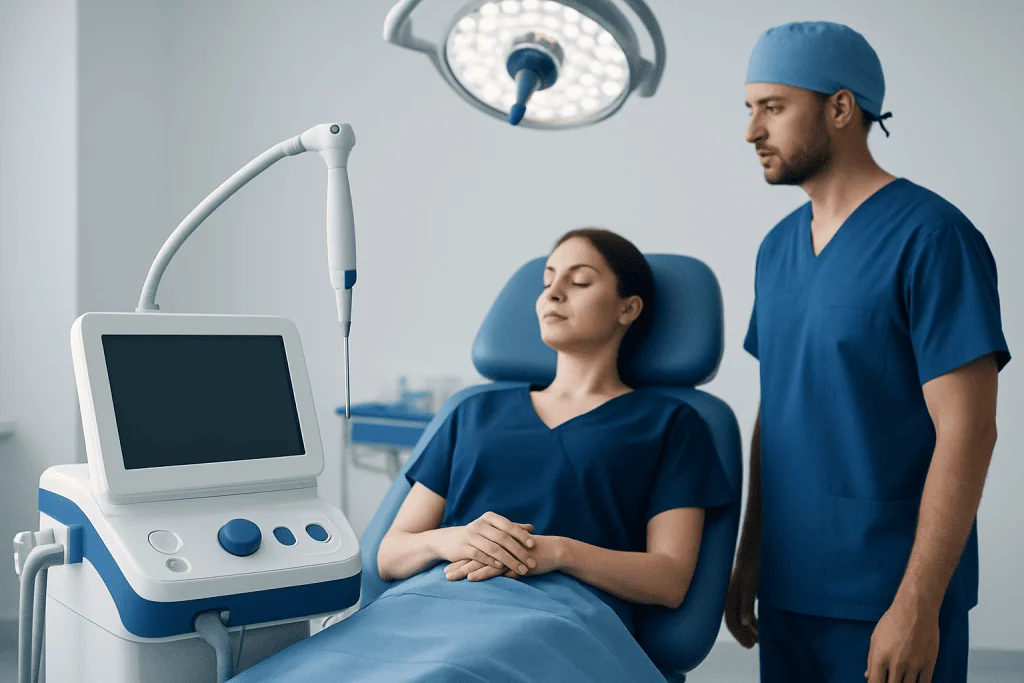
Aesthetic plastic surgery includes a wide range of procedures. Some focus on the face, such as eyelid surgery, brow lift, neck contouring, ear reshaping, chin enhancement, or selected procedures around the eyes. Others involve the breasts, including augmentation, reduction, lift, or correction of asymmetry. Body procedures may include liposuction, tummy contouring, arm lift, buttock lift, or body contouring after major weight loss.
Some procedures are designed to improve localized concerns rather than reshape an entire area. For example, acne-related irregularities may be treated with acne scar procedures, and prominent ears may be addressed with ear reconstruction when appropriate. People with changes after significant weight loss may discuss body contouring or specific options such as arm lift or breast reshaping.
Non-surgical methods are also part of aesthetic care, but they are different from plastic surgery. They may involve skin care, injectables, energy-based devices, or lifestyle measures. A surgeon can explain whether a concern is better suited to surgery, a non-surgical option, or a combination approach.
Goals and Realistic Results

The main goal of aesthetic plastic surgery is improvement, not perfection. A successful result usually looks natural, fits the person’s features, and aligns with the agreed treatment plan. For many patients, the purpose is to feel more comfortable in clothing, in photographs, or in daily life.
Realistic expectations are essential. Surgery can improve shape, symmetry, or proportion, but it cannot completely change a person’s underlying anatomy or stop the natural aging process. Skin elasticity, healing quality, scar tendency, and body weight changes can all influence the final result.
Before surgery, the specialist typically discusses what can and cannot be achieved. Photos, measurements, and a detailed conversation about priorities help set clear goals. This process reduces misunderstanding and supports satisfaction with the outcome.
Who May Be a Candidate?
Good candidates are generally in stable health, have a clear reason for wanting the procedure, and understand the recovery process. They should be non-smokers or willing to stop smoking before and after surgery, because smoking can slow healing and raise the risk of complications. Emotional readiness is also important, especially when the desire for surgery comes from long-standing self-consciousness rather than external pressure.
People considering surgery should be at or near a stable weight when possible, because major weight changes can affect results. For example, liposuction removes fat in selected areas but is not a substitute for weight loss. In a similar way, body shaping procedures after weight reduction often work best when the weight has already been stable for a period of time.
Some medical conditions may require extra evaluation before surgery, including diabetes, bleeding disorders, heart disease, or a history of poor wound healing. A surgeon may request additional tests or clearance from another specialist to improve safety.
Diagnosis and Consultation
Aesthetic plastic surgery begins with a consultation rather than a diagnosis in the usual disease sense. The surgeon asks about the person’s goals, medical history, medications, allergies, previous operations, and any history of anesthesia problems. A physical examination follows, with attention to skin quality, tissue volume, symmetry, and the relationship between different body areas.
Planning may include photos, measurements, and a discussion of different techniques. For facial concerns, the surgeon may consider the eyes, brows, jawline, and neck together because these structures affect one another. For breast or body procedures, the assessment may include posture, skin stretch, scars, and areas of fullness or laxity. In some cases, a related specialty such as oculoplastic surgery may be appropriate when concerns involve the eyelids and the area around the eyes.
This appointment is also the right time to discuss recovery time, scarring, the likely duration of results, and whether staged treatment is better than a single operation. Patients are encouraged to ask questions and to make decisions only after they understand the benefits, limitations, and possible risks.
Treatment Options
Treatment is individualized. Some people benefit from a single focused procedure, while others need a combination of techniques to achieve a balanced result. For example, facial rejuvenation may combine a brow lift, eyelid correction, and neck refinement. Body improvement may pair liposuction with contouring or skin tightening, depending on the amount of laxity and fat present.
Different procedures have different recovery profiles. Less invasive surgeries may allow an earlier return to routine activities, while larger operations usually require more downtime and follow-up care. The choice of procedure depends on anatomy, goals, and tolerance for scars, healing time, and possible revision in the future. In selected cases, options such as classic liposuction or arm liposuction may be discussed as part of a broader contouring plan.
When appropriate, surgery may be combined with scar treatment or specialized reshaping. For instance, breast reduction can relieve discomfort and improve proportion, while aesthetic neck contouring may refine the lower face and jawline. The best technique is the one that suits the person’s anatomy and supports safe healing.
Recovery, Risks, and Self-Care
Recovery varies widely depending on the procedure, the extent of surgery, and the individual’s healing response. Swelling, bruising, temporary numbness, tightness, and mild discomfort are common in the early period. Final results may take weeks or months to become clear, especially when swelling needs time to resolve.
Careful aftercare supports healing. Patients are usually advised to follow wound instructions, wear compression garments if recommended, avoid strenuous activity for a period of time, and attend all follow-up appointments. Good nutrition, hydration, and smoking cessation can also support recovery.
All surgery carries some risk, including bleeding, infection, delayed healing, scarring, asymmetry, and the need for additional treatment. Choosing an experienced surgeon, sharing a full medical history, and following pre- and post-operative instructions are among the best ways to lower risk. Acibadem International’s multidisciplinary specialists and JCI-accredited hospitals evaluate and treat aesthetic surgery patients from abroad with coordinated, individualized care.
When to See a Doctor
Anyone considering aesthetic plastic surgery should start with a consultation with a qualified plastic surgeon. This is especially important if the concern affects daily comfort, causes physical symptoms, or may require a combination of procedures. A specialist can explain which options are appropriate and which expectations are realistic.
Medical advice is also important before surgery if there is a history of major illness, bleeding problems, poor wound healing, smoking, or prior complications with anesthesia. People should seek prompt medical attention after surgery if they notice unusual pain, fever, redness that is worsening, significant swelling on one side, drainage from a wound, or other symptoms that do not follow the expected recovery pattern.
For many people, the most useful next step is not choosing a procedure immediately, but having a thoughtful discussion about goals, timing, and safety. That approach helps ensure that aesthetic surgery is considered carefully and aligned with overall health.
Frequently asked questions
What is the difference between aesthetic and reconstructive plastic surgery?
Aesthetic plastic surgery is chosen to improve appearance, proportion, or contour. Reconstructive plastic surgery is usually performed to restore function or correct a structural problem after injury, disease, or congenital differences. Some procedures can overlap between the two categories.
Is aesthetic plastic surgery only for cosmetic reasons?
Yes, it is generally elective and focused on appearance. However, some procedures may also improve comfort, posture, or daily function, such as breast reduction or certain contouring surgeries. A doctor can explain whether both cosmetic and functional goals are involved.
How long do results last?
Results can be long-lasting, but they are not permanent in the sense of stopping aging or future body changes. Weight fluctuations, pregnancy, sun exposure, and the natural aging process can all affect the outcome over time. Healthy habits help protect results.
Will the scars be visible?
All surgery leaves some scar, but the appearance varies by procedure, healing, and skin type. Surgeons usually place incisions in less noticeable locations when possible and give scar-care advice after surgery. Most scars become less noticeable over time, although they do not disappear completely.
How can someone know if they are a good candidate?
A good candidate is usually healthy, emotionally ready, and clear about why they want surgery. They should understand the benefits, risks, and recovery, and they should have realistic expectations. A consultation is the best way to confirm suitability.
Can non-surgical treatments replace aesthetic surgery?
Sometimes they can help with mild concerns, but they do not replace surgery for every problem. Non-surgical treatments may improve skin quality or small areas of volume loss, while surgery is better for more significant lifting, reshaping, or removal of excess tissue. A specialist can recommend the most appropriate approach.
References
- American Society of Plastic Surgeons
- International Society of Aesthetic Plastic Surgery
- Mayo Clinic
- MedlinePlus
- World Health Organization
This article is for general information only and is not a substitute for professional medical advice. Please consult a qualified doctor about your individual situation.
Explore treatments in Turkey — costs, top hospitals & a free quote
JCI-accredited · board-certified surgeons · reply within 24h
Add us as a Preferred Source to see more of our trusted health content across Google Search, AI Overviews and Discover.

Related Treatments
Related Conditions
More from the Health Library



Related Specialists

Prof. Dr. Şükrü Yazar
Aesthetic Plastic & Reconstructive Surgery
Assoc. Prof. Dr. Erdem Güven (m)
Aesthetic Plastic & Reconstructive Surgery
Prof. Dr. Hakan Ağır
Aesthetic Plastic & Reconstructive Surgery
Prof. Dr. Bülent Saçak
Aesthetic Plastic & Reconstructive Surgery