

What Is an Indigenous Nose? Features and Variations

An indigenous nose describes natural nasal variation rather than a disease or defect. Nose shape is influenced by genetics, ancestry, facial proportions, and environment.
Key Takeaways
- An indigenous nose describes natural nasal variation rather than a disease or defect.
- Nose shape is influenced by genetics, ancestry, facial proportions, and environment.
- There is no single “indigenous” nose type; features differ greatly across populations and individuals.
- If a person wants cosmetic or reconstructive change, evaluation should focus on function, balance, and personal goals.
- Any discussion of nasal appearance should be respectful and avoid stereotypes or one-size-fits-all assumptions.
An indigenous nose is not a medical diagnosis. It is a broad, non-technical way of describing naturally occurring nasal features associated with Indigenous ancestry, with wide variation between individuals, families, and communities.
Overview
The term indigenous nose is sometimes used in cultural, social, or aesthetic discussions to describe nasal features commonly seen in some Indigenous populations. It is important to understand that this is not a formal medical term, and it does not refer to a problem that needs treatment. Like skin tone, eye shape, or hair texture, nose shape is a normal part of human variation.
From a medical perspective, the nose is assessed by its anatomy and function rather than by labels alone. Doctors look at the bridge, tip, nostrils, septum, cartilage, skin thickness, and how the nose fits with the rest of the face. They also consider breathing, prior injury, and any concerns the person may have about appearance or comfort.
There is no single set of features that defines all Indigenous people. Communities around the world are diverse, and nasal traits can vary widely within the same family or region. Respectful care means recognizing this diversity and avoiding assumptions based on ethnicity alone.
Common Features and Normal Variations

Nasal features often differ in bridge height, width, tip projection, nostril shape, and skin thickness. In some people described as having an indigenous nose, common features may include a lower or straighter bridge, broader nostrils, a softer or less projected tip, or thicker skin over the nasal tip. However, these are only examples, not rules.
What matters most is proportion. A nose may appear broad, narrow, short, long, straight, or gently curved depending on the surrounding facial anatomy. The forehead, cheekbones, chin, lips, and overall facial width all influence how the nose is perceived. A feature that seems prominent on one face may look subtle on another.
Normal variation is especially important in aesthetic medicine. A natural result does not mean making every nose fit the same beauty standard. Instead, the goal is to understand the person’s anatomy and preferences, while preserving harmony with their facial identity and cultural sense of self.
- Bridge height may be low, medium, or high.
- Nostrils may be rounder, wider, narrower, or more oval.
- The tip may be more defined or softer in contour.
- Skin may be thin, medium, or thick, affecting surgical planning.
What Shapes Nose Features?

Nose shape is influenced mainly by genetics. Inherited traits affect bone structure, cartilage strength, skin thickness, and how facial features develop together. Because families pass down combinations of traits, siblings and close relatives may share certain nasal characteristics while still looking different from one another.
Environmental adaptation is also thought to have played a role in the long-term evolution of nasal shape in different populations. Over many generations, climate may have influenced average nasal features, including internal nasal passages and external form. Even so, these patterns are broad and do not predict how any one individual will look.
Other factors can change nasal appearance over time. Growth during childhood and adolescence, aging, previous surgery, and injuries may all alter the shape or support of the nose. Trauma can cause both cosmetic and functional changes, especially after a fracture or facial trauma.
Some people seek medical advice not because of ancestry-related features, but because they have a blocked airway, asymmetry after injury, or concerns related to facial balance. In these cases, evaluation focuses on the specific issue rather than on ethnic labeling.
Aesthetic Considerations and Respectful Terminology
Conversations about nose shape can be sensitive because they involve identity, culture, and beauty standards. Terms like “indigenous nose” may be meaningful in some settings, but they can also oversimplify diversity if used carelessly. In clinical care, it is usually better to describe the exact features a person wants to discuss, such as bridge height, tip shape, nostril width, or breathing difficulty.
Modern facial plastic surgery increasingly emphasizes individualized planning. Rather than trying to make someone’s nose look like a generic ideal, surgeons aim to understand what feels natural to that person. Some patients want only subtle refinement, while others prefer no change at all and simply want reassurance that their features are normal.
If a person is considering cosmetic surgery, the consultation should include discussion of goals, skin and cartilage characteristics, healing patterns, and realistic expectations. Ethnic and ancestry-related features can affect technique, but good care should preserve function and respect facial heritage. Related facial balancing procedures, such as cheek augmentation, may sometimes be discussed when overall profile harmony is part of the concern.
When Medical Evaluation May Be Helpful
Most natural nose shapes do not require medical treatment. However, a medical evaluation may be helpful if a person has trouble breathing through the nose, chronic congestion on one side, frequent nosebleeds, visible collapse when inhaling, or a noticeable change after injury. These issues may involve the septum, cartilage support, turbinate swelling, or prior fractures.
People may also seek evaluation for asymmetry, a drooping tip, or changes after previous surgery. In some cases, what seems to be a cosmetic concern may also have a functional component. For example, weak tip support or narrowing of the internal nasal valve can affect airflow.
Examination usually includes a discussion of symptoms, review of medical history, and a physical assessment of both the outside and inside of the nose. Photographs may be used in aesthetic planning. If past injury, scars, or skin healing issues are present, these can influence the treatment plan, especially in people prone to keloid scars.
Treatment Options: From Reassurance to Surgery
Treatment depends entirely on the person’s goals and whether there is a functional problem. Many people need no treatment at all and benefit most from education about normal variation. When breathing is the main issue, medical or surgical treatment may focus on improving airflow rather than changing ethnic features.
If cosmetic change is desired, options may include rhinoplasty or more conservative contouring approaches, depending on local practice and anatomy. Surgical planning for ancestry-related nasal features often differs from standard reduction-focused techniques. A surgeon may need to support the bridge, refine the tip without over-narrowing it, or adjust the nostrils while preserving a natural look. Thick skin and softer cartilage can make careful structural support especially important.
Reconstructive care may be considered after trauma, burns, congenital differences, or previous surgery. For example, patients with severe soft tissue injury from burns may need staged reconstruction, while those with complex facial changes may benefit from a broader facial plastic or reconstructive plan. In select cases, adjacent procedures such as aesthetic neck contouring or reconstructive ophthalmology may be part of overall facial assessment, though not everyone needs combined treatment.
Any procedure should begin with a qualified specialist who explains likely benefits, limitations, and healing time. Good treatment planning prioritizes breathing, facial balance, and the patient’s own goals rather than outside pressure to fit a certain look.
Choosing a Specialist and Setting Realistic Expectations
A surgeon evaluating nasal appearance should have experience in both nasal function and aesthetic analysis. This is especially helpful when a patient wants refinement while keeping features that feel true to their background. Consultation should include open discussion about what the patient likes about their nose, what they would change, and what outcome would still feel recognizable and natural.
Photographs, digital imaging, or diagrams may help guide conversation, but they should be used carefully. They are planning tools, not promises. Swelling, scar formation, skin thickness, and tissue memory can all affect the final result and how long it takes to appear.
Questions to ask may include whether breathing could be affected, how visible scars may be, whether grafts might be needed, and how much change is realistically possible. Near the end of the decision process, some international patients may choose centers such as Acibadem International, where multidisciplinary specialists in JCI-accredited hospitals diagnose and treat cosmetic and reconstructive facial concerns.
When to See a Doctor
A person should consider seeing a doctor if they are unhappy with nasal appearance and want reliable information, especially before making decisions based on social media or beauty trends. Professional advice can help separate normal variation from problems related to injury, obstruction, or previous surgery.
Prompt evaluation is also important after a nasal injury, especially if there is pain, bleeding that does not stop, obvious deformity, or difficulty breathing. Early assessment may improve both healing and long-term function.
In children and teenagers, concerns about nose shape should be approached with extra care. Growth, self-image, and emotional readiness all matter. A specialist can explain whether observation, supportive counseling, or later treatment would be the safest path.
Frequently asked questions
Is an indigenous nose a medical condition?
No. An indigenous nose is not a diagnosis or disease. It is a broad descriptive term sometimes used for natural nasal features associated with Indigenous ancestry, and those features can vary widely from person to person.
Is there one typical indigenous nose shape?
No, there is no single nose shape that represents all Indigenous people. Nasal appearance differs across regions, families, and individuals, just as other facial features do. Using one fixed description can be misleading.
Can a person change the shape of their nose if they want to?
Yes, some people choose cosmetic or reconstructive nasal surgery after careful consultation. The best approach depends on facial anatomy, skin thickness, cartilage support, breathing function, and personal goals. A qualified specialist can explain what changes are realistic and safe.
Does changing the nose always affect breathing?
Not always, but breathing should always be considered. Nasal surgery can improve, preserve, or sometimes worsen airflow depending on the anatomy and technique used. This is why functional assessment is an important part of planning.
Why do doctors avoid relying only on ethnic labels?
Ethnic labels are broad and do not describe one person’s anatomy precisely. Doctors usually focus on specific features such as bridge height, tip support, nostril shape, and internal structure. This leads to more accurate, respectful, and individualized care.
Should teenagers have surgery for a nose they dislike?
Sometimes, but only after careful evaluation. Facial growth, emotional maturity, motivation, and expectations are all important, and surgery may not be the best first step. A specialist can advise whether waiting, counseling, or treatment is more appropriate.
References
- American Society of Plastic Surgeons
- American Academy of Facial Plastic and Reconstructive Surgery
- MedlinePlus
- National Institute on Deafness and Other Communication Disorders
- Mayo Clinic
This article is for general information only and is not a substitute for professional medical advice. Please consult a qualified doctor about your individual situation.
Hair transplant in Turkey — costs, graft counts & a free assessment
JCI-accredited · board-certified surgeons · reply within 24h
Add us as a Preferred Source to see more of our trusted health content across Google Search, AI Overviews and Discover.

Related Treatments
Related Conditions
More from the Health Library



Related Specialists
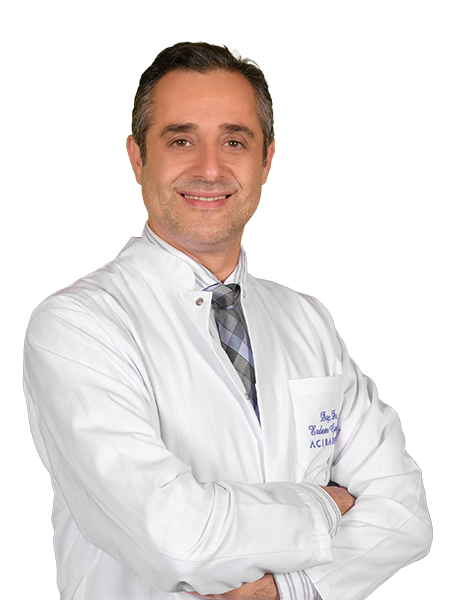
Assoc. Prof. Dr. Erdem Güven (m)
Aesthetic Plastic & Reconstructive Surgery
Prof. Dr. Şükrü Yazar
Aesthetic Plastic & Reconstructive Surgery
Prof. Dr. Hakan Ağır
Aesthetic Plastic & Reconstructive Surgery
Prof. Dr. Bülent Saçak
Aesthetic Plastic & Reconstructive Surgery