

What Is Face Surgery and Which Conditions Can It Treat?

Face surgery may be cosmetic, reconstructive, or functional, and many procedures overlap. It can help treat age-related changes, facial imbalance, trauma, scars, eyelid problems, and some congenital conditions.
Key Takeaways
- Face surgery may be cosmetic, reconstructive, or functional, and many procedures overlap.
- It can help treat age-related changes, facial imbalance, trauma, scars, eyelid problems, and some congenital conditions.
- Evaluation usually includes a medical history, physical examination, photographs, and sometimes imaging or specialist review.
- Treatment plans are individualized and may combine more than one procedure for balanced results.
- Recovery varies by procedure, but careful aftercare and realistic expectations are important.
Face surgery is a broad term that includes procedures to improve facial appearance, restore function, or rebuild facial structures affected by injury, birth differences, aging, or disease. The right approach depends on the person’s goals, anatomy, and overall health, and may involve aesthetic, reconstructive, or combined techniques.
Overview: What Is Face Surgery?
Face surgery refers to operations performed on the face to improve appearance, restore normal structure, support everyday function, or repair damage. It includes cosmetic procedures, such as contouring the chin or cheeks, and reconstructive procedures, such as repairing defects after injury, burns, or congenital differences. In many cases, the same operation can serve both appearance and function.
The face is made up of skin, fat, muscles, nerves, eyelids, ears, bones, cartilage, and soft tissues that all work together. Because these structures are closely connected, facial surgery often requires careful planning to protect expression, vision, breathing, speech, and sensation while also aiming for natural-looking balance.
Not all face surgery is elective. Some people seek treatment because of an injury, facial asymmetry, scars, drooping eyelids, difficulty closing the eyes, or a condition present from birth. Others want to address age-related changes such as skin laxity, volume loss, or a less defined jawline. A qualified specialist can help determine whether surgery is appropriate and which techniques may be most helpful.
Which Conditions Can Face Surgery Treat?
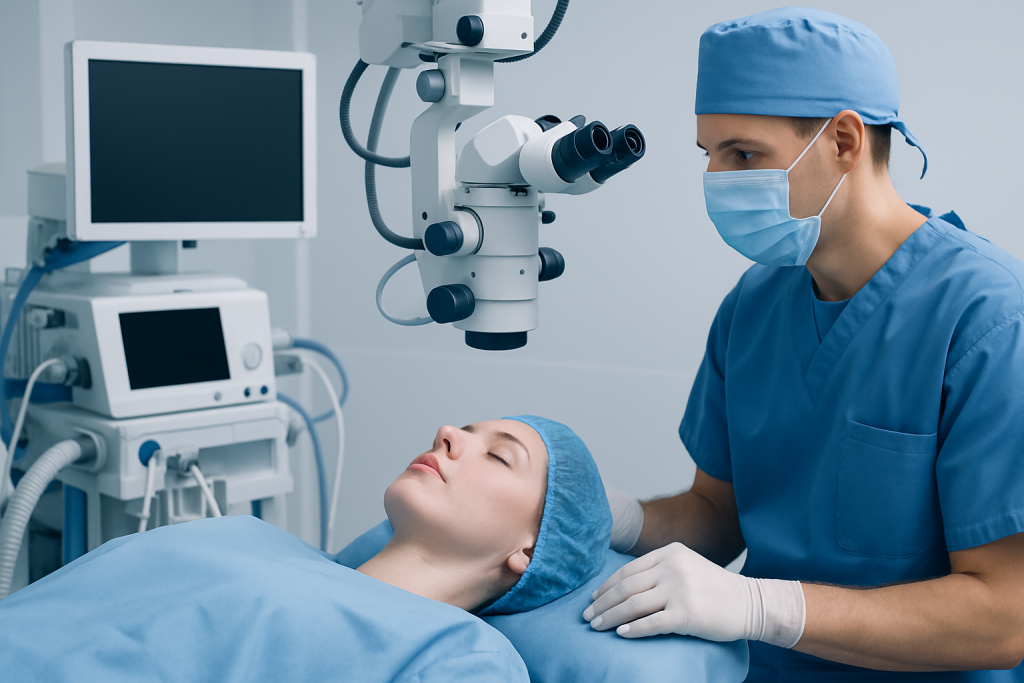
Face surgery can treat a wide range of concerns. Some are mainly aesthetic, while others affect comfort, function, or emotional well-being. Common reasons include age-related sagging, loss of volume, a weak or prominent chin, flat cheeks, heavy brows, eyelid changes, visible scars, and facial imbalance. Surgery may also be used after trauma, burns, skin cancer treatment, or previous operations.
Reconstructive facial surgery can help repair tissue damage and restore facial features after accidents or disease. For example, people with facial trauma may need procedures to repair soft tissue injuries, fractures, or contour problems. Scars that are raised, tight, or very noticeable may also benefit from surgical revision, especially when they are linked to conditions such as keloid scars.
Some congenital conditions can affect the face or nearby structures. Ear differences such as microtia may require staged reconstruction to improve form and support function. In other cases, surgery around the eyes may be needed for eyelid malposition, tissue loss, or problems that affect eye protection and comfort. Depending on the situation, a person may need treatment from plastic surgeons, maxillofacial surgeons, ENT specialists, ophthalmologists, or dermatologists working together.
- Age-related facial sagging or loss of definition
- Facial asymmetry or contour concerns
- Heavy brows or drooping eyelids
- Cheek or chin shape concerns
- Scars from acne, surgery, burns, or injury
- Defects after trauma, tumor removal, or congenital differences
Common Types of Face Surgery
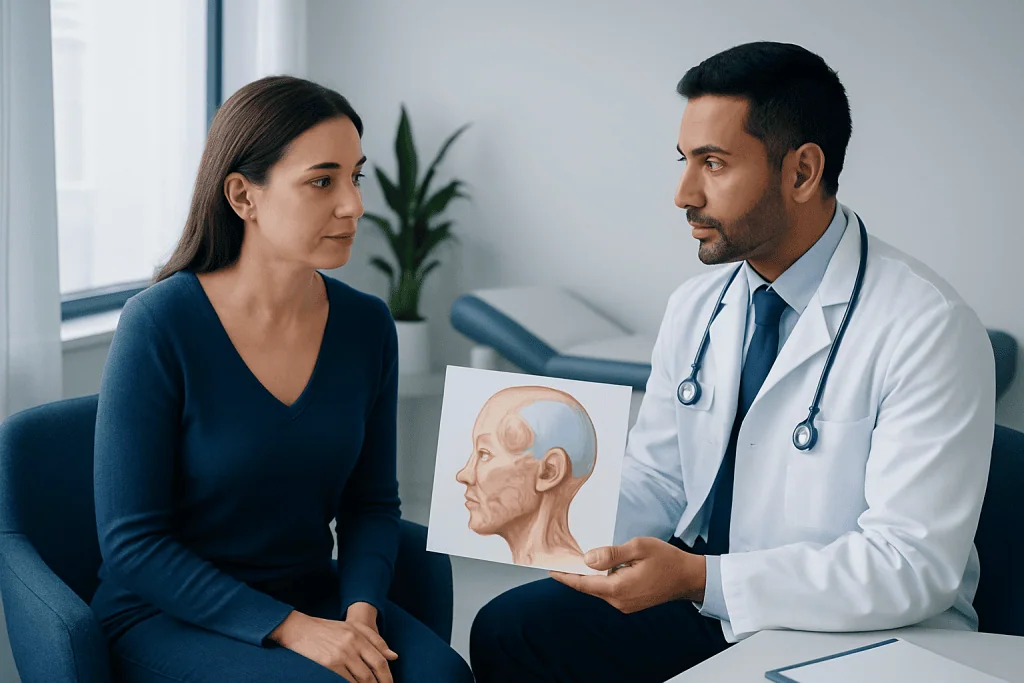
There is no single procedure called “face surgery.” Instead, treatment is tailored to the area involved and the result needed. For aesthetic concerns, commonly used procedures include brow surgery, eyelid procedures, chin reshaping, cheek enhancement, scar revision, and skin or soft tissue contouring. For example, some people may benefit from a brow lift to address a heavy brow or tired-looking upper face, while others may consider cheek augmentation to improve midface volume and contour.
Lower-face and profile concerns may be treated with procedures such as chin reshaping surgery, which can help balance the chin with the nose, lips, and jawline. In selected cases, facial and neck contouring are planned together because the lower face and neck strongly influence overall profile. A surgeon may also discuss neck contouring when loose tissue under the chin contributes to an indistinct jawline.
Reconstructive procedures are chosen based on the defect or condition being treated. Examples include scar revision, local tissue rearrangement, skin grafts, flaps, ear reconstruction, and surgery around the eyelids and eye socket. Some patients need specialist care such as reconstructive ophthalmology when eyelid position, tear drainage, or orbital support is affected. For complex cases, surgery may be staged over time to achieve the safest and most functional result.
Causes and Risk Factors That May Lead to Facial Surgery
People consider face surgery for many different reasons. Natural aging is one of the most common. Over time, skin becomes less elastic, facial fat may shift or decrease, and bones and soft tissues can lose support. These changes can lead to sagging, hollowing, jowls, deeper folds, or drooping around the eyes and brows.
Injury is another major cause. Road accidents, falls, sports injuries, burns, and animal bites can damage facial skin, muscles, nerves, and bones. Even when urgent treatment has already been completed, later reconstructive surgery may be recommended to improve scars, symmetry, or function. Tumor removal can also leave defects that require careful reconstruction.
Some individuals are born with facial or ear differences, while others develop changes after infections, inflammation, or previous surgeries. Lifestyle and health factors can affect both the need for surgery and recovery afterward. Smoking, poor wound healing, diabetes, uncontrolled high blood pressure, and a tendency to form thick scars may increase risk. A thorough medical review helps the surgical team plan safely and set realistic expectations.
How Doctors Evaluate and Diagnose Facial Concerns
Assessment begins with a detailed consultation. The doctor asks what concerns the person most, whether the goal is cosmetic, functional, or both, and how long the issue has been present. Medical history is important, including prior operations, facial injuries, allergies, medications, smoking, eye symptoms, dental or bite problems, and any history of unusual scarring.
A careful examination follows. The surgeon looks at facial proportions, skin quality, symmetry, movement, eyelid position, scars, and the relationship between facial features at rest and during expression. Standardized photographs are often taken for planning and comparison. If the problem involves deeper tissues, bones, or trauma, imaging such as X-rays or CT scans may be needed.
Some cases require more than one specialist. A patient with eyelid problems may be assessed by an oculoplastic or ophthalmic specialist, while fractures or jaw issues may need maxillofacial input. The final diagnosis is not just the name of a condition; it is an individualized understanding of which structures are affected, what result is realistically possible, and whether surgery is the best option compared with non-surgical care.
Treatment Options and What Surgery May Involve
Treatment depends on the underlying condition, the area of the face involved, and the person’s preferences. Some concerns can be managed without surgery, such as camouflage techniques, skin care, scar treatments, or observation. When surgery is chosen, the aim is usually to improve harmony, restore function, and create the most natural result possible rather than change appearance dramatically.
Operations may be performed under local anesthesia, sedation, or general anesthesia depending on complexity. Small procedures may be done as day surgery, while larger reconstructive operations may require a hospital stay. The surgeon tries to place incisions in natural skin creases or less visible areas when possible. In reconstruction, tissues may be moved from nearby areas or, less commonly, grafted from another part of the body.
Scar-related concerns sometimes improve with a combined approach. For example, surgery may be paired with treatments that support skin remodeling, and patients with acne-related textural changes may discuss options such as acne scarring treatment as part of a broader plan. In complex situations, more than one operation may be recommended, with time between stages to allow healing and reassessment.
Because the face is central to identity and communication, surgeons usually spend time discussing expected benefits, limitations, scars, and recovery. This shared decision-making process helps people choose treatment with confidence and realistic goals.
Recovery, Prevention, and Self-Care
Recovery after face surgery varies widely. Mild swelling, bruising, tightness, numbness, and temporary asymmetry are common early on and often improve gradually. Following the surgeon’s aftercare instructions is important. This may include wound cleaning, sleeping with the head elevated, avoiding strenuous activity for a period, protecting healing skin from sunlight, and attending follow-up appointments.
Good general health supports healing. Stopping smoking before and after surgery is especially important because smoking reduces blood flow and increases the risk of wound problems. A balanced diet, hydration, and careful management of chronic conditions such as diabetes can also help recovery. It is wise to avoid unapproved creams or supplements around the surgery date unless the medical team has advised them.
Prevention focuses on reducing avoidable facial injury and skin damage. Seat belts, helmets, sports protection, and workplace safety can lower the risk of trauma. Daily sun protection may reduce premature aging and help prevent changes in scars over time. Early medical care for wounds, burns, or infections can also reduce long-term facial scarring and tissue distortion.
When to See a Doctor
A person should consider seeing a doctor if a facial concern affects function, comfort, or confidence, or if there is persistent asymmetry, a noticeable scar, a changing contour, or trouble with eyelid position or eye closure. Medical advice is especially important after an injury, burn, or operation if healing seems unusual or if there is concern about deformity.
Urgent review is needed for symptoms such as sudden vision changes, severe pain, uncontrolled bleeding, signs of infection, a wound that is opening, or new weakness in facial movement. Even when a problem is not urgent, an early assessment can be helpful because some reconstructive issues are easier to manage when evaluated promptly.
Choosing a qualified surgeon with experience in facial procedures matters. Patients may benefit from care in centers where plastic surgery, ophthalmology, ENT, dermatology, and maxillofacial services work together. Acibadem International’s multidisciplinary specialists and JCI-accredited hospitals diagnose and treat facial conditions for international patients, including both aesthetic and reconstructive needs.
Frequently asked questions
Is face surgery always cosmetic?
No. Face surgery may be cosmetic, reconstructive, or functional. Many procedures overlap, especially when a treatment improves both appearance and everyday function, such as eyelid support or scar release.
What conditions are commonly treated with face surgery?
Common reasons include facial aging changes, contour imbalance, scars, brow or eyelid drooping, trauma, burns, congenital differences, and defects after tumor removal. The best treatment depends on which tissues are affected and what the patient hopes to improve.
How long does recovery from face surgery take?
Recovery time varies by procedure. Small procedures may improve within days to a couple of weeks, while swelling and tissue settling after larger operations can take much longer. The surgeon will usually explain both the early recovery period and the longer healing timeline.
Will face surgery leave scars?
Any incision can leave a scar, but surgeons generally try to place scars in natural creases or less visible areas. Most scars fade over time, though healing differs from person to person. Careful aftercare and sun protection may help scars mature more favorably.
Can face surgery improve function as well as appearance?
Yes. Some procedures help with eye protection, eyelid closure, scar tightness, symmetry, or structural support after injury or disease. Even aesthetic procedures are often planned with facial movement and balance in mind.
How does a surgeon decide which facial procedure is right?
The choice is based on the patient’s goals, anatomy, skin quality, medical history, and whether the concern is cosmetic, reconstructive, or functional. Examination, photographs, and sometimes imaging or specialist consultation help guide the plan.
References
- American Society of Plastic Surgeons
- National Health Service
- American Academy of Ophthalmology
- American Academy of Facial Plastic and Reconstructive Surgery
- Mayo Clinic
This article is for general information only and is not a substitute for professional medical advice. Please consult a qualified doctor about your individual situation.
Explore treatments in Turkey — costs, top hospitals & a free quote
JCI-accredited · board-certified surgeons · reply within 24h
Add us as a Preferred Source to see more of our trusted health content across Google Search, AI Overviews and Discover.

Related Treatments
Related Conditions
More from the Health Library



Related Specialists
Assoc. Prof. Dr. Erdem Güven (m)
Aesthetic Plastic & Reconstructive Surgery
Prof. Dr. Şükrü Yazar
Aesthetic Plastic & Reconstructive Surgery
Prof. Dr. Hakan Ağır
Aesthetic Plastic & Reconstructive Surgery
Prof. Dr. Bülent Saçak
Aesthetic Plastic & Reconstructive Surgery