

What Is Surgical Plastic Treatment in Plastic Surgery?

Surgical plastic treatment includes both reconstructive and cosmetic plastic surgery. Reconstructive surgery aims to repair defects caused by birth conditions, injury, burns, cancer treatment, or disease.
Key Takeaways
- Surgical plastic treatment includes both reconstructive and cosmetic plastic surgery.
- Reconstructive surgery aims to repair defects caused by birth conditions, injury, burns, cancer treatment, or disease.
- Cosmetic surgery focuses on changing appearance, proportions, or contour according to a patient’s goals.
- A safe treatment plan starts with a specialist assessment, realistic expectations, and careful discussion of risks and recovery.
- Recovery varies by procedure, but following aftercare instructions is essential for healing and results.
Surgical plastic treatment refers to operations performed to restore function, repair tissues, or improve appearance. In plastic surgery, it includes both reconstructive procedures for medical needs and cosmetic procedures chosen to refine body or facial features.
Overview
Surgical plastic treatment is a broad term for operations performed within the field of plastic surgery. These procedures may help rebuild or repair parts of the body, improve function, correct structural problems, or enhance appearance. The word “plastic” in plastic surgery comes from a term meaning to shape or mold, not from the material plastic.
Plastic surgery is commonly divided into two main areas: reconstructive surgery and cosmetic surgery. Reconstructive surgery addresses medical problems such as tissue loss, trauma, congenital differences, scarring, or defects after cancer treatment. Cosmetic surgery is performed to reshape or refine body features when a person wants an aesthetic change. Both types require careful planning, surgical skill, and attention to safety.
Examples of reconstructive treatment include surgery after burns, repair of facial trauma, hand reconstruction, and breast reconstruction after mastectomy. Cosmetic examples include aesthetic breast surgery, liposuction, facial contouring, and skin or soft-tissue reshaping.
What Surgical Plastic Treatment Can Include
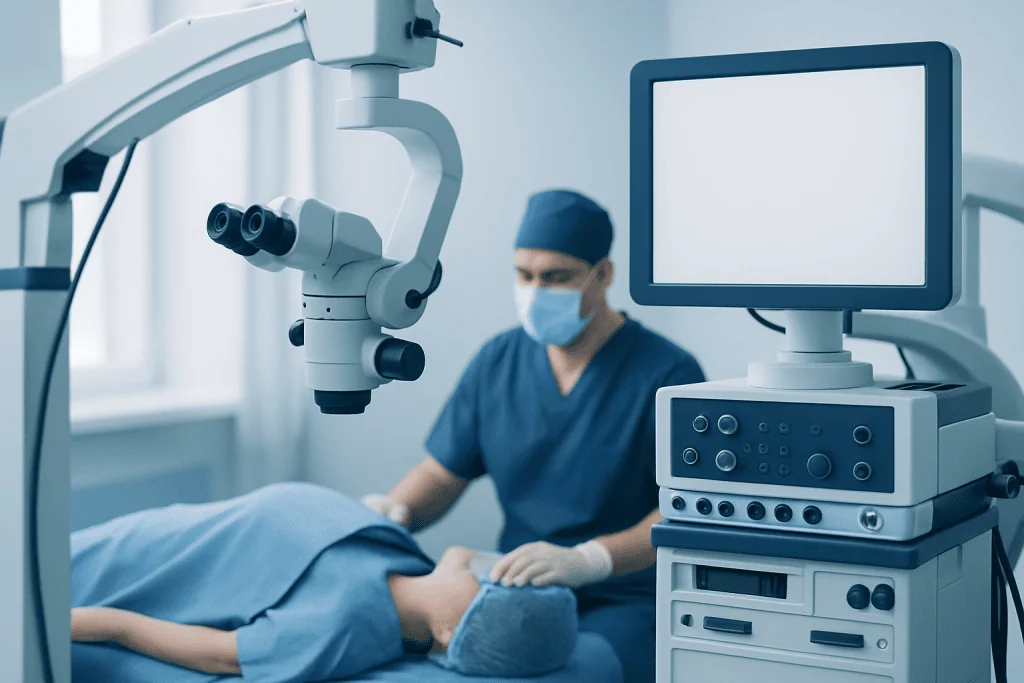
The type of operation depends on the body area involved and the reason for treatment. Plastic surgeons may work on the face, breast, skin, hands, trunk, and limbs. Procedures can involve skin, fat, muscle, cartilage, bone, nerves, blood vessels, or a combination of tissues. Some operations are relatively limited, while others require staged reconstruction over time.
Reconstructive plastic treatment may be recommended for people born with structural differences, such as microtia, or for those affected by trauma, tumors, chronic wounds, or severe scars. It may also be used after removal of skin lesions or after major weight loss to improve body contour and skin comfort. In selected cases, patients may benefit from techniques such as grafts, flaps, implants, tissue expansion, or microsurgery.
Cosmetic plastic treatment can include procedures on the breast, body, face, or scalp. Examples include body contouring, breast reshaping, eyelid and brow procedures, neck contouring, scar revision, and fat transfer. The main goal is not to treat disease, but to help a person achieve a desired appearance in a medically appropriate way.
Who May Consider Plastic Surgery

People consider surgical plastic treatment for many different reasons. Some have functional concerns, such as difficulty with eyelid position, limited movement from scar contracture, discomfort from excess tissue, or a body change after illness or injury. Others seek surgery because a feature has long affected self-confidence or clothing fit.
A suitable candidate is usually in stable overall health, understands the purpose and limits of surgery, and is prepared for the recovery period. Smoking, uncontrolled medical conditions, active infection, and unrealistic expectations can increase risks or lead to disappointing outcomes. A thorough consultation helps determine whether surgery is appropriate now, later, or not at all.
Age, skin quality, body weight, previous operations, medications, and emotional readiness also matter. In reconstructive cases, timing may depend on wound healing, cancer treatment schedules, or the need for other specialist care. In cosmetic cases, the surgeon will usually discuss whether the patient’s goals are achievable and whether non-surgical options might also help.
Assessment and Diagnosis Before Treatment
Before surgical plastic treatment, the plastic surgeon carries out a detailed assessment. This usually includes medical history, current symptoms, previous surgeries, medications, allergies, smoking status, and any conditions that may affect anesthesia or healing. The physical examination evaluates skin quality, symmetry, tissue support, scars, and the structure of the area being treated.
Photographs are often taken for planning and comparison. Depending on the procedure, imaging or laboratory tests may be needed. For example, breast surgery may involve breast imaging, while reconstruction after trauma may require CT or other scans. In some cases, input from other specialists such as oncologists, dermatologists, orthopedic surgeons, ophthalmologists, or ENT surgeons is part of the planning process.
The consultation should also cover the expected benefits, possible limitations, likely scars, alternative treatments, and the recovery timeline. This stage is especially important in cosmetic surgery because good communication helps align the surgeon’s plan with the patient’s priorities. An informed decision is one of the most important parts of safe plastic surgery care.
Treatment Options and Surgical Techniques
There is no single operation called surgical plastic treatment. Instead, treatment is tailored to the problem being addressed. In reconstructive surgery, options may include wound closure, scar revision, skin grafting, local or free tissue flaps, tendon or nerve repair, cartilage reconstruction, implant-based reconstruction, and microsurgery. The goal is often to restore function first, while also aiming for the best possible appearance.
In cosmetic surgery, treatment may reshape volume, tighten tissues, or improve proportion. This can include breast enlargement or reduction, facial lifting or contouring, body reshaping after pregnancy or weight change, and localized fat removal or transfer. Some patients need only one procedure, while others benefit from a combined or staged approach planned carefully for safety.
Examples of plastic surgery treatments may include breast reduction for physical discomfort, acne scarring treatment to improve skin texture and appearance, or specialized facial and eye-area reconstruction when needed. The best option depends on the person’s anatomy, concerns, medical condition, and desired outcome.
- Reconstructive goals: restore form, protect tissue, improve movement, support healing
- Cosmetic goals: refine contours, improve balance, soften signs of aging, address unwanted fullness or asymmetry
- Shared goals: safety, natural-looking proportion, and durable results when possible
Recovery, Risks, and Possible Results
Recovery after plastic surgery depends on the type and extent of the procedure. Mild swelling, bruising, tightness, discomfort, and temporary changes in sensation are common after many operations. Some people return to routine activities within days, while others need several weeks before exercise, lifting, or work can resume fully.
As with any surgery, there are risks. These can include bleeding, infection, delayed wound healing, fluid collection, scarring, asymmetry, numbness, anesthesia complications, or the need for revision surgery. Certain risks are higher in people who smoke, have diabetes, poor circulation, nutritional problems, or a history of problematic scarring such as keloid scars.
Results may appear gradually as swelling improves and tissues settle. Reconstructive outcomes may prioritize function and tissue coverage over symmetry, while cosmetic outcomes focus more on contour and appearance. Even when surgery is successful, it is important to understand that scars cannot be erased completely and the body continues to age over time.
Preparation, Prevention, and Self-care
Good preparation helps reduce risk and supports healing. Patients are often advised to stop smoking well before surgery, review medications with their doctor, maintain stable weight, and arrange help at home if needed. Following fasting instructions and preoperative guidance is important for anesthesia safety.
After surgery, wound care, activity limits, and follow-up visits should be taken seriously. Rest, hydration, balanced nutrition, and avoiding strain can make recovery smoother. Sun protection is especially important for healing scars, since fresh scars can darken with ultraviolet exposure.
Not every plastic surgery need can be prevented, but some situations can be reduced through self-care. Protecting the skin from burns and sun damage, treating wounds promptly, using safety measures to prevent injury, and seeking early care for suspicious lesions or severe scars can limit later reconstructive needs. For cosmetic surgery, the best self-care is thoughtful decision-making rather than rushing into a procedure because of trends or pressure from others.
When to See a Doctor
A person should consider seeing a qualified plastic surgeon when a physical change affects function, comfort, healing, or appearance enough to cause concern. Examples include persistent scars, wounds that are hard to heal, facial or hand injuries, changes after cancer surgery, congenital differences, or excess tissue causing pain or irritation. A consultation can clarify whether the issue is reconstructive, cosmetic, or both.
Urgent medical care is needed after surgery if there is severe pain that is getting worse, significant bleeding, fever, spreading redness, shortness of breath, chest pain, or sudden swelling. These symptoms do not always mean a serious problem, but they should be assessed promptly. It is safer to ask early than to wait.
People considering cosmetic surgery should also seek medical advice if they feel uncertain, pressured, or confused by information online. A specialist can explain options, likely outcomes, and whether another treatment may be more suitable. Acibadem International’s multidisciplinary specialists and JCI-accredited hospitals diagnose and treat plastic surgery conditions and procedures for international patients.
Frequently asked questions
What does surgical plastic treatment mean?
Surgical plastic treatment refers to operations performed in plastic surgery to repair, reconstruct, or reshape parts of the body. It can be done for medical reasons, cosmetic reasons, or a combination of both.
Is plastic surgery the same as cosmetic surgery?
Not exactly. Cosmetic surgery is one part of plastic surgery and focuses on appearance. Plastic surgery also includes reconstructive procedures that help restore function and repair tissues after injury, disease, congenital differences, or cancer treatment.
Who is a good candidate for plastic surgery?
A good candidate is usually in reasonably stable health, understands the goals and limits of surgery, and can follow recovery instructions. The decision also depends on the specific procedure, smoking status, medical history, and emotional readiness.
How long does recovery take after surgical plastic treatment?
Recovery time varies widely depending on the procedure and the area treated. Some people recover from smaller operations in a short time, while more complex surgeries may require several weeks or longer for swelling to settle and normal activities to resume.
Will plastic surgery leave scars?
Most surgical procedures leave some degree of scarring because the skin must heal after an incision. Plastic surgeons try to place and close incisions carefully, but scars cannot be removed completely and usually fade gradually over time.
Are the results of plastic surgery permanent?
Some changes can be long-lasting, but no result is completely unaffected by aging, weight changes, pregnancy, sun exposure, or general health. Reconstructive and cosmetic outcomes may also change over time, and some patients may later consider additional treatment.
References
- American Society of Plastic Surgeons
- NHS
- Mayo Clinic
- National Institute for Health and Care Excellence
- U.S. National Library of Medicine
This article is for general information only and is not a substitute for professional medical advice. Please consult a qualified doctor about your individual situation.
Explore treatments in Turkey — costs, top hospitals & a free quote
JCI-accredited · board-certified surgeons · reply within 24h
Add us as a Preferred Source to see more of our trusted health content across Google Search, AI Overviews and Discover.

Related Treatments
Related Conditions
More from the Health Library



Related Specialists
Assoc. Prof. Dr. Erdem Güven (m)
Aesthetic Plastic & Reconstructive Surgery
Prof. Dr. Şükrü Yazar
Aesthetic Plastic & Reconstructive Surgery
Prof. Dr. Hakan Ağır
Aesthetic Plastic & Reconstructive Surgery
Prof. Dr. Bülent Saçak
Aesthetic Plastic & Reconstructive Surgery