When Is a Second Opinion Worth Getting for Valve Surgery?

A second opinion is especially useful when the need for surgery, timing, or procedure type is uncertain. It can help patients understand whether valve repair, valve replacement, or a less invasive option may be most suitable.
Key Takeaways
- A second opinion is especially useful when the need for surgery, timing, or procedure type is uncertain.
- It can help patients understand whether valve repair, valve replacement, or a less invasive option may be most suitable.
- Getting another expert review is often helpful for complex valve disease, multiple health conditions, or high-risk surgery.
- A strong second opinion should include imaging review, symptom assessment, and discussion by an experienced heart team.
- Seeking another opinion is a routine part of informed decision-making and does not usually mean mistrust of the first doctor.
A second opinion for valve surgery can help confirm the diagnosis, clarify the urgency of treatment, and compare options such as repair, replacement, catheter-based procedures, or careful monitoring. For many patients, it provides reassurance and a clearer path forward rather than delaying necessary care.
Overview: Why a Second Opinion Can Matter
Valve surgery is a major decision. Heart valves control blood flow through the heart, and problems such as narrowing or leaking can eventually affect breathing, energy levels, heart function, and overall health. When surgery is proposed, many patients want to know whether it is truly necessary, how soon it should be done, and which type of procedure offers the best balance of safety and long-term benefit.
A second opinion can be valuable because valve disease is not always straightforward. The same diagnosis may lead to different treatment approaches depending on the exact valve involved, the severity of disease, symptoms, age, heart function, and other medical conditions. One specialist may recommend monitoring, while another may advise earlier intervention to prevent heart damage. Comparing these views can make the decision clearer.
In many cases, a second opinion does not change the diagnosis but strengthens confidence in the treatment plan. In other cases, it may identify additional options such as valve repair instead of replacement, a catheter-based approach instead of open surgery, or combined treatment if another heart problem is present, such as coronary artery disease. The goal is not to create confusion, but to support informed and personalized care.
When Is a Second Opinion Worth Getting?
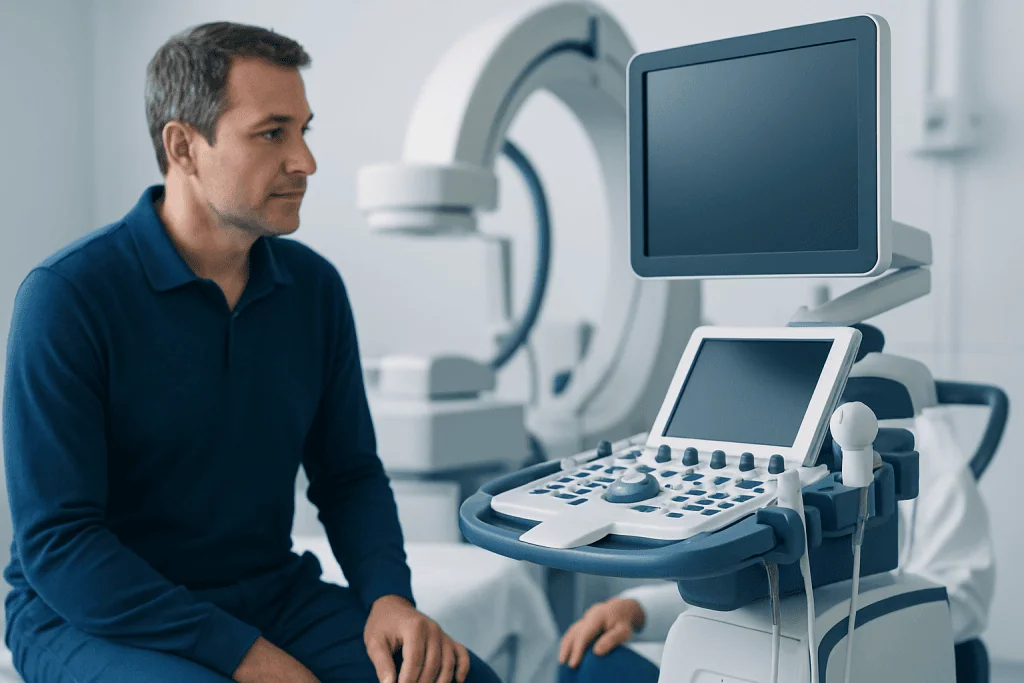
A second opinion is often worth getting when the decision feels complex, unexpected, or rushed. This is especially true if symptoms are mild but surgery has been recommended, or if there is uncertainty about whether the valve problem is severe enough to explain current symptoms. It can also help when imaging results and symptoms do not seem to match.
Patients may benefit from another expert review if they have been told they need valve replacement and want to know whether repair is still possible. This question matters because valve repair, when appropriate, may preserve more natural heart function and reduce some long-term concerns linked to artificial valves. The answer depends greatly on valve anatomy and the experience of the treating center.
A second opinion is also particularly helpful in the following situations:
- The diagnosis is unclear or based on conflicting test results.
- The recommended timing of surgery is uncertain.
- There are multiple treatment choices, including surgery and transcatheter procedures.
- The patient has other heart conditions, kidney disease, lung disease, or frailty that increase risk.
- A repeat operation is being considered.
- The patient has congenital or rare valve disease.
Even when surgery is clearly needed, a second opinion can help patients prepare emotionally and practically. It often gives them a better understanding of expected recovery, the hospital experience, and the long-term follow-up required after treatment.
Questions a Second Opinion Can Help Answer

The best second opinions do more than simply say yes or no to surgery. They address the main uncertainties that matter to patients and families. In valve disease, these usually include the exact diagnosis, how severe the valve problem is, whether the heart has already been affected, and what could happen if treatment is delayed.
Another important issue is choosing the right procedure. Depending on the valve problem, a specialist may discuss surgical repair, surgical replacement, or selected less invasive options. For example, some patients may be candidates for treatment through an experienced cardiothoracic surgery team, while others may need combined procedures if additional heart disease is present.
Questions a second opinion often helps clarify include:
- Is the valve disease definitely severe enough to need intervention now?
- Would valve repair be possible and durable?
- If replacement is needed, what are the pros and cons of mechanical versus tissue valves?
- Is a minimally invasive or catheter-based option appropriate?
- Are there related conditions such as aortic regurgitation or tricuspid regurgitation that also need attention?
- Should another heart procedure be done at the same time, such as bypass surgery or rhythm treatment?
These discussions can help patients move from feeling overwhelmed to feeling informed. Clear explanations also support shared decision-making between the patient, family, cardiologist, and surgeon.
What Specialists Review During a Second Opinion
A careful second opinion begins with a detailed review of symptoms, physical findings, and medical history. Specialists usually ask about shortness of breath, chest discomfort, dizziness, palpitations, reduced exercise tolerance, leg swelling, and fatigue. They also consider age, general fitness, medications, and conditions such as diabetes, kidney disease, lung disease, or heart failure, all of which may influence timing and risk.
Imaging is central to valve decisions. The reviewing team may reassess echocardiography results, including valve structure, blood flow, and how the valve problem affects heart chambers. In some cases, transesophageal echocardiography, CT, MRI, stress testing, or cardiac catheterization may be needed to answer remaining questions. Good-quality imaging is especially important when deciding whether repair is feasible.
For some patients, the second opinion also includes assessment by a multidisciplinary heart team. This may involve a cardiologist, cardiac surgeon, imaging specialist, anesthesiologist, and other experts depending on individual needs. If the patient also has blocked coronary arteries, options such as coronary artery bypass surgery may need to be considered alongside valve treatment.
This team-based approach is one reason second opinions can be so useful. Rather than focusing only on the valve itself, they examine the full picture: the heart, overall health, goals of care, and the expected quality of life after treatment.
How a Second Opinion May Change the Treatment Plan
A second opinion may confirm the original recommendation, but it can also refine the plan in meaningful ways. One common change is timing. Some patients learn that surgery should happen sooner to protect the heart before symptoms become severe or heart function declines. Others find that close monitoring is still appropriate and that immediate intervention is not yet necessary.
Another area where plans may change is the type of procedure. For example, a center with strong valve expertise may be able to offer repair rather than replacement in selected cases. In other situations, replacement remains the safer or more durable choice. The best option depends on the affected valve, valve anatomy, age, lifestyle, and the experience of the treating team.
Some patients also need combined treatment. A person with valve disease and rhythm problems may need evaluation for ablation procedures, while someone with significant coronary narrowing may need a combined strategy involving heart bypass surgery. A second opinion can help make sure all major issues are recognized before an operation.
Importantly, changing the treatment plan does not mean the first opinion was wrong. Medicine often involves judgment calls based on complex information. Another specialist may simply interpret the same evidence through a different lens or have access to different procedural expertise.
How to Get a Useful Second Opinion
To make a second opinion truly helpful, patients should gather all relevant records before the visit. This usually includes echocardiogram reports and images, CT or MRI scans if available, electrocardiograms, catheterization reports, laboratory results, medication lists, and clinic notes. Bringing the actual imaging files, not just written summaries, can be especially useful because specialists often want to review the images themselves.
It also helps to prepare specific questions in advance. Patients may want to ask whether surgery is needed now, what the goals of treatment are, whether repair is possible, how many similar procedures the center performs, what recovery will involve, and how the chosen treatment could affect daily life over time. Family members or a trusted companion can be helpful during these conversations.
Choosing the right source for a second opinion matters. In general, patients benefit from seeing a cardiologist or cardiac surgeon with substantial experience in heart valve disease, ideally within a center that offers a full range of options rather than only one type of procedure. Expertise is particularly important for complex disease, re-operations, and valves affected by prior infection, congenital conditions, or rheumatic heart disease.
Near the end of the decision process, some international patients may seek review at specialized centers such as Acibadem International, where multidisciplinary specialists in JCI-accredited hospitals diagnose and treat heart valve conditions. What matters most is receiving a careful, evidence-based assessment that matches the patient’s condition and priorities.
When Not to Delay Another Opinion
Although a second opinion is often helpful, there are situations where it should not significantly delay urgent care. Severe valve disease can sometimes lead to worsening shortness of breath, fainting, chest pain, fluid buildup, dangerous rhythm problems, or declining heart function. If symptoms are rapidly worsening, prompt medical review is more important than waiting too long for another consultation.
Patients should seek immediate care if they develop severe breathing difficulty, prolonged chest pain, fainting, sudden weakness, confusion, or signs of stroke. These symptoms may not always be caused by the valve alone, but they need urgent assessment. Infections involving the heart valves also require timely treatment and can become serious if ignored.
Even in urgent situations, a rapid second opinion may still be possible, especially at large heart centers where imaging and surgical teams work together. The key is balancing reassurance with safety. A second opinion should support good timing, not postpone clearly needed care.
For patients who are stable, asking for another expert view is a reasonable and responsible step. It can improve understanding, strengthen confidence, and help ensure that surgery is performed for the right reason, at the right time, and with the most suitable method.
Frequently asked questions
Is it normal to get a second opinion before valve surgery?
Yes. Getting a second opinion before valve surgery is common and often helpful, especially for major decisions involving timing, procedure choice, and long-term follow-up. Most specialists understand that patients want to feel confident before moving forward.
Will a second opinion delay needed treatment?
Not necessarily. In many stable cases, a second opinion can be arranged without causing harmful delay. However, if symptoms are severe or worsening quickly, patients should seek prompt medical care and discuss how to obtain a rapid review safely.
What should a patient bring to a second-opinion appointment?
Patients should bring imaging reports and, if possible, the actual scan files, especially echocardiograms. It also helps to bring medication lists, recent blood test results, hospital records, and a written list of questions and symptoms.
Can a second opinion suggest repair instead of replacement?
Sometimes, yes. Whether a valve can be repaired depends on the valve involved, the exact structural problem, and the experience of the treating team. A second opinion from a valve specialist may clarify if repair is realistic and likely to last.
Should a second opinion come from a surgeon or a cardiologist?
Ideally, it should involve a team with expertise in valve disease, which may include both a cardiologist and a cardiac surgeon. This helps ensure that diagnosis, imaging, and treatment options are reviewed from more than one perspective.
Does asking for another opinion mean the first doctor was wrong?
No. Valve disease decisions can be complex, and more than one reasonable approach may exist. A second opinion often confirms the original plan or adds detail rather than contradicting it.
References
- American Heart Association
- American College of Cardiology
- European Society of Cardiology
- National Heart, Lung, and Blood Institute
- Mayo Clinic
This article is for general information only and is not a substitute for professional medical advice. Please consult a qualified doctor about your individual situation.
Valve Surgery in Turkey — costs, top hospitals & a free quote
JCI-accredited · board-certified surgeons · reply within 24h
Add us as a Preferred Source to see more of our trusted health content across Google Search, AI Overviews and Discover.

Cardiology Department
Diagnosis and treatment of heart and vascular conditions, from prevention to advanced interventional procedures.
93 specialists in this unit