When to See an Ophthalmologist vs an Optometrist

An optometrist usually provides routine eye exams, vision testing, glasses and contact lens prescriptions, and basic eye health care. An ophthalmologist is a medical doctor who can diagnose eye diseases, prescribe medical treatment, and perform eye surgery.
Key Takeaways
- An optometrist usually provides routine eye exams, vision testing, glasses and contact lens prescriptions, and basic eye health care.
- An ophthalmologist is a medical doctor who can diagnose eye diseases, prescribe medical treatment, and perform eye surgery.
- Sudden vision loss, eye pain, flashes, floaters, or eye injury usually require urgent medical assessment by an ophthalmologist or emergency care.
- Many people benefit from both professionals at different times, depending on age, symptoms, and eye health history.
- Regular eye exams remain important even without symptoms, especially for children, older adults, and people with diabetes or high blood pressure.
Understanding the difference between an ophthalmologist and an optometrist can make eye care simpler. In general, optometrists provide routine vision care, while ophthalmologists are medical doctors who diagnose and treat eye diseases, including with surgery when needed.
Overview: What Is the Difference?
The question of ophthalmologist vs optometrist is common, especially when someone is booking an eye appointment for the first time. Both professionals care for the eyes, but their training, scope of practice, and day-to-day roles are different. Knowing who does what can help people get the right care more quickly and confidently.
An optometrist is a primary eye care professional who examines vision, checks overall eye health, prescribes glasses and contact lenses, and often helps manage common, non-surgical eye conditions. Routine vision checks, prescription updates, and many first-line eye concerns are usually handled by an optometrist. A standard eye examination may include vision testing, eye pressure measurement, and evaluation of the front and back of the eye.
An ophthalmologist is a medical doctor specializing in eye and vision care. In addition to examining the eyes and prescribing glasses or medicines, ophthalmologists diagnose and treat more complex eye diseases and can perform procedures and surgery. This includes care for cataracts, glaucoma, retinal disease, eye injuries, and many other conditions.
In practice, these roles often complement each other. A person may see an optometrist regularly for routine care and then be referred to an ophthalmologist if a medical or surgical eye problem is suspected. This shared approach helps ensure that both vision needs and eye health needs are addressed appropriately.
When to See an Optometrist
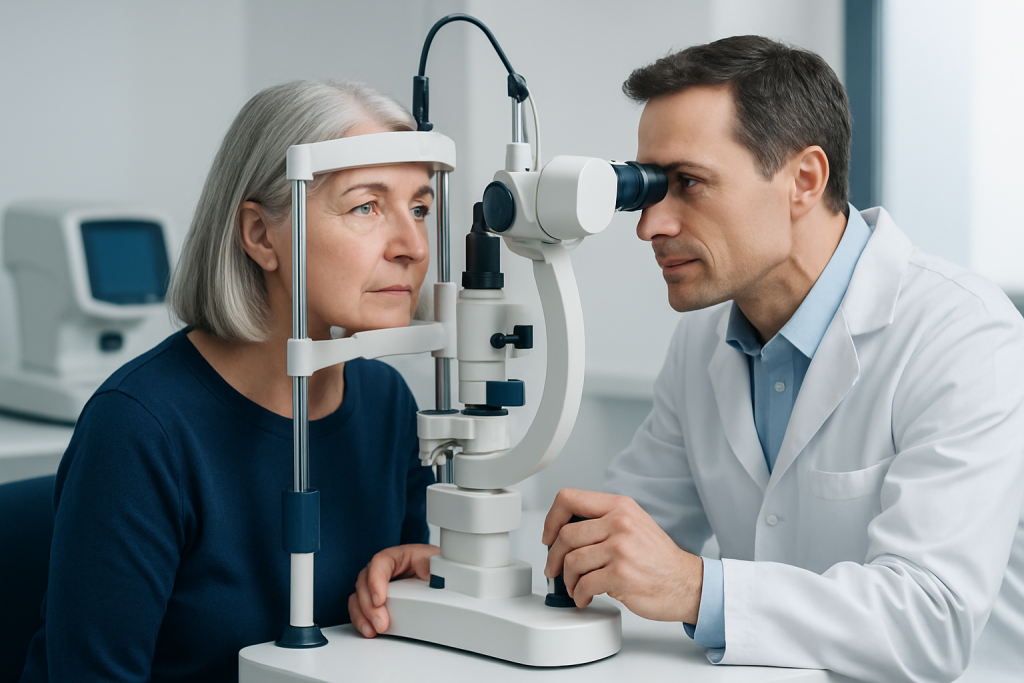
For many people, an optometrist is the best first contact for eye care. This is especially true for routine eye exams, blurry vision that develops gradually, headaches related to visual strain, or concerns about whether glasses or contact lenses are needed. Optometrists are trained to assess refractive errors such as nearsightedness, farsightedness, and astigmatism, and they can prescribe corrective lenses to improve day-to-day vision.
Optometrists also help with contact lens fitting and follow-up, including advice about lens hygiene, comfort, and suitability. Someone interested in trying contact lenses may begin with an optometrist, who can determine whether they are appropriate and monitor the health of the cornea and ocular surface during use.
Many optometrists also evaluate and manage common eye complaints such as dry eye symptoms, mild allergic eye irritation, digital eye strain, and some uncomplicated infections or lid conditions, depending on local regulations and practice setting. If the issue appears more serious, they can refer promptly to an ophthalmologist for further testing or treatment.
Children and adults without urgent symptoms often start with an optometrist for preventive eye care. Regular assessments are valuable because some visual problems and some eye diseases can develop slowly and may not be noticed right away. Early detection can support clearer vision, safer driving, better school performance, and long-term eye health.
When to See an Ophthalmologist

An ophthalmologist is the right choice when symptoms suggest an eye disease, a sudden change in vision, or a problem that may require medical treatment or surgery. Because ophthalmologists are physicians, they can evaluate the eye in the context of overall health, diagnose complex conditions, prescribe medical therapies, and perform procedures when needed.
People are often referred to an ophthalmologist for cataracts, glaucoma, retinal disorders, diabetic eye disease, corneal disease, and persistent inflammation. For example, if clouding of the lens is affecting daily life, an ophthalmologist can assess whether cataract surgery is appropriate. They also provide medical and surgical care for disorders of the retina, optic nerve, eyelids, and tear drainage system.
An ophthalmologist is also important when there are symptoms involving the visual pathways or nerves, such as unexplained double vision, vision loss related to neurological concerns, or abnormal eye movements. In such cases, a subspecialist in neuro-ophthalmology may be involved to explore whether the problem relates to the optic nerve, brain, or eye movement control.
Even without symptoms, some people should see an ophthalmologist because of risk factors or known disease. This may include people with diabetes, a strong family history of glaucoma, previous eye surgery, significant trauma, advanced age-related eye changes, or any diagnosis already requiring specialist follow-up.
Urgent Warning Signs That Need Prompt Eye Care
Some eye symptoms should never be ignored. Sudden vision loss in one or both eyes, severe eye pain, sudden onset of flashes or many new floaters, a curtain-like shadow in the vision, chemical exposure, or an eye injury can indicate a medical emergency. These situations generally require urgent assessment by an ophthalmologist or an emergency department.
Redness can be harmless in some cases, but not always. Red eye combined with pain, light sensitivity, blurred vision, or discharge may point to infection, inflammation, corneal injury, or increased eye pressure. Sudden double vision, a rapidly drooping eyelid, or a new blind spot should also be assessed promptly.
People sometimes delay care because symptoms seem temporary or improve slightly. However, some serious eye conditions can progress quickly and may threaten vision if not treated early. Timely evaluation is particularly important if the person has diabetes, immune suppression, recent eye surgery, or a history of retinal problems.
If it is unclear whether a symptom is urgent, it is safest to seek medical advice the same day. Quick triage can determine whether the concern can be managed in routine practice or needs specialist or emergency attention.
Common Conditions Each Professional May Manage
There is some overlap in what optometrists and ophthalmologists manage, but the complexity of the problem often determines who leads care. Optometrists commonly manage refractive errors, routine prescription updates, digital eye strain, basic dry eye care, and follow-up for stable patients who do not need surgery. They may also identify conditions such as conjunctivitis and decide whether simple treatment or referral is needed.
Ophthalmologists typically take the lead when disease affects the structures inside the eye or when surgery may be part of treatment. Examples include cataracts, glaucoma, retinal tears, retinal detachment, diabetic retinopathy, macular degeneration, corneal ulcers, and eye complications related to autoimmune or neurological disease. They may also manage conditions such as advanced eyelid disorders or tear drainage blockages.
Some conditions move from one professional to the other over time. For example, a person may first visit an optometrist because of blurred vision, then be referred when signs of cataract, retinal disease, or glaucoma are found. After specialist treatment, routine monitoring and prescription care may again be shared with the optometrist.
This coordinated approach is one reason eye care works best when patients seek regular checkups and follow referral advice. Each professional contributes a different level of expertise, and collaboration helps support both visual function and overall eye health.
How Eye Problems Are Diagnosed
Diagnosis begins with a careful history. The clinician may ask when symptoms started, whether vision changes are sudden or gradual, whether there is pain or light sensitivity, and whether the person has diabetes, high blood pressure, autoimmune disease, or a family history of eye problems. Current glasses, contact lens use, medications, and any previous eye surgery are also important.
A routine assessment often includes visual acuity testing, refraction to determine lens prescription, eye pressure measurement, pupil examination, and slit-lamp examination of the front of the eye. The back of the eye may be examined after pupil dilation to look at the retina, optic nerve, and blood vessels. Additional imaging or testing may be recommended if there are signs of disease.
When a more detailed medical evaluation is needed, ophthalmologists may use specialized diagnostics such as retinal imaging, visual field testing, ultrasound, angiography, or scans of the optic nerve and retina. These tests help clarify whether symptoms are related to cataract, glaucoma, retinal disease, nerve problems, or inflammation.
The goal of diagnosis is not only to find the cause of vision changes but also to decide what level of care is appropriate. Some problems can be monitored or managed conservatively, while others need medication, laser treatment, or surgery. Clear diagnosis allows treatment to be matched to the person’s needs.
Treatment Options and Follow-Up Care
Treatment depends on the underlying issue. Many common visual problems are corrected with glasses or contact lenses, while dry eye and minor irritation may improve with lubricating drops, environmental changes, and better screen habits. Infections, allergies, or inflammation may require prescription eye drops or other medicines prescribed by an appropriate clinician.
When structural eye disease is present, treatment may be more specialized. Ophthalmologists may use laser procedures, injections, or surgery to protect vision or improve visual function. Examples include glaucoma treatment, retinal care, corneal procedures, or surgery for cataracts and other lens problems. Refractive procedures such as LASIK may also be discussed for suitable candidates who want to reduce dependence on glasses.
Follow-up care is just as important as the initial diagnosis. Some conditions improve quickly, while others require long-term monitoring because they can change over time. Patients with glaucoma risk, diabetic eye disease, retinal problems, or previous surgery should keep scheduled appointments even if they feel well.
Near the end of the care pathway, coordination remains essential. Optometrists may continue routine prescription care and monitor stable eye health, while ophthalmologists provide specialist follow-up for disease or surgery. Acibadem International’s multidisciplinary eye specialists in JCI-accredited hospitals diagnose and treat a wide range of vision and eye conditions for international patients when specialist care is needed.
Prevention, Self-Care, and When to Book an Exam
Good eye care starts before symptoms appear. Regular eye examinations can detect silent problems such as glaucoma, diabetic eye disease, or retinal changes early. The ideal schedule varies by age, medical history, and risk factors, so it is best to ask a qualified eye care professional how often checks are needed.
Everyday habits also support eye health. Helpful steps include wearing sunglasses with UV protection, using protective eyewear for sports or hazardous work, taking breaks during long periods of screen use, controlling chronic conditions such as diabetes and high blood pressure, avoiding smoking, and maintaining a balanced diet. Contact lens users should follow hygiene instructions carefully and never wear lenses longer than recommended.
People should book an eye exam if they notice gradually blurred vision, difficulty reading, more glare at night, headaches after close work, or trouble with current glasses. A child who squints, sits too close to screens, or struggles in school may also benefit from a vision assessment. Even when symptoms seem minor, professional advice can help prevent discomfort and clarify whether further care is needed.
In short, the choice between an optometrist and an ophthalmologist depends on the reason for the visit. Routine vision care usually begins with an optometrist, while eye disease, sudden symptoms, and surgical concerns belong with an ophthalmologist. If there is uncertainty, starting with any qualified eye care professional is often better than delaying care.
Frequently asked questions
Is an optometrist a doctor?
An optometrist is a trained eye care professional who provides vision care and evaluates eye health, but is not a medical doctor in the same way an ophthalmologist is. Optometrists commonly perform eye exams, prescribe glasses or contact lenses, and manage many routine eye concerns.
Can an optometrist detect serious eye disease?
Yes, optometrists are trained to look for signs of serious eye disease during routine exams. If they suspect a complex or urgent problem, they usually refer the patient to an ophthalmologist for medical or surgical evaluation.
Should a person see an ophthalmologist for blurry vision?
Not always. Gradual blurry vision often starts with an optometrist because it may simply reflect a change in glasses prescription. However, sudden blur, blur with pain, flashes, floaters, or one-sided vision loss should be assessed urgently by an ophthalmologist or emergency service.
Who should be seen for contact lenses or glasses?
An optometrist is usually the best first choice for glasses and contact lens prescriptions. They can check vision, fit lenses appropriately, and monitor whether the lenses are affecting eye comfort or surface health.
Do children need an optometrist or an ophthalmologist?
Many children can begin with an optometrist for routine vision screening and prescription needs. If there are developmental concerns, suspected eye disease, eye misalignment, poor vision in one eye, or other complex findings, an ophthalmologist may be needed.
How often should adults have an eye exam?
The right interval depends on age, symptoms, medical history, and risk factors such as diabetes or family history of glaucoma. Even adults without symptoms should have periodic eye exams, and a qualified eye care professional can recommend a schedule tailored to individual needs.
References
- American Academy of Ophthalmology
- American Optometric Association
- National Eye Institute
- World Health Organization
This article is for general information only and is not a substitute for professional medical advice. Please consult a qualified doctor about your individual situation.
Explore treatments in Turkey — costs, top hospitals & a free quote
JCI-accredited · board-certified surgeons · reply within 24h
Add us as a Preferred Source to see more of our trusted health content across Google Search, AI Overviews and Discover.