

Why Is It Called Plastic Surgery?

The word “plastic” in plastic surgery comes from the Greek “plastikos,” meaning to mold or shape. Plastic surgery includes both reconstructive surgery and cosmetic surgery.
Key Takeaways
- The word “plastic” in plastic surgery comes from the Greek “plastikos,” meaning to mold or shape.
- Plastic surgery includes both reconstructive surgery and cosmetic surgery.
- Reconstructive plastic surgery helps restore form and function after injury, illness, or congenital differences.
- Cosmetic plastic surgery focuses on changing appearance based on personal goals.
- Modern plastic surgery uses many techniques, and most procedures do not involve plastic as the main material.
- A qualified plastic surgeon can explain whether a reconstructive or cosmetic approach is most appropriate.
Plastic surgery gets its name from the Greek word “plastikos,” which means to shape or mold. The term refers to reshaping body tissues for reconstructive or cosmetic purposes, not to the use of plastic materials.
Overview: What Does Plastic Surgery Mean?
Many people assume plastic surgery is named after the synthetic material plastic. In fact, the term has a very different origin. It comes from the Greek word plastikos, which means “to shape” or “to mold.” In medicine, plastic surgery refers to procedures that reshape, repair, or reconstruct tissues of the body.
This specialty includes a wide range of operations. Some are performed to restore function and appearance after injury, burns, cancer treatment, or birth differences. Others are done to refine or change a person’s appearance. Because the central idea is reshaping tissue, the name “plastic surgery” is accurate even when no plastic material is used at all.
Plastic surgery is best understood as a surgical field focused on form, function, and tissue reconstruction. It can involve skin, fat, muscle, cartilage, bone, nerves, and blood vessels. The techniques are often highly specialized and may be used on the face, hands, breasts, trunk, or other parts of the body.
The Origin of the Name

The word “plastic” entered medical language through its meaning related to shaping. The Greek term plastikos and the Latin-derived forms used in European medicine all point to molding or forming tissue. This is why the name describes the surgeon’s work rather than the material used during an operation.
Historically, physicians used the term to describe procedures that repaired missing, damaged, or deformed body parts. Over time, plastic surgery developed into a recognized surgical specialty with two broad branches: reconstructive surgery and cosmetic surgery. Both involve altering tissue shape, but they differ in their main goals.
Even today, confusion about the name is common. While implants, prosthetics, or synthetic materials may sometimes be used in selected procedures, they are not the reason the specialty is called plastic surgery. The name is about reshaping the body’s own tissues to improve function, appearance, or both.
A Brief History of Plastic Surgery

Plastic surgery has a long history. Early forms of reconstructive surgery were described in ancient India, where surgeons developed techniques to rebuild the nose using skin flaps. Similar ideas later appeared in other parts of the world as doctors looked for ways to repair injuries and restore appearance.
The specialty advanced significantly during times of war, when surgeons treated severe facial injuries, burns, and hand trauma. These experiences led to major improvements in skin grafts, tissue flaps, scar management, and microsurgery. Reconstructive methods became more precise and more effective over time.
In the modern era, plastic surgery includes both medically necessary reconstruction and elective aesthetic procedures. A plastic surgeon may help manage burn injuries, repair facial trauma, or improve appearance through cosmetic surgery. The specialty continues to evolve with advances in imaging, anesthesia, wound care, and tissue-preserving techniques.
Reconstructive vs Cosmetic Plastic Surgery
Plastic surgery is often divided into reconstructive and cosmetic categories. Reconstructive plastic surgery aims to restore normal form and function. It may be recommended after trauma, cancer surgery, infection, burns, or congenital differences present from birth. In these situations, treatment can improve movement, vision, speech, skin coverage, comfort, or overall quality of life.
Examples include repairing clefts, rebuilding the ear in microtia, restoring the breast after mastectomy with breast reconstruction, or correcting eyelid and orbital problems through reconstructive ophthalmology. Hand surgery, scar revision, skin grafting, and flap surgery also belong to the reconstructive side of the specialty.
Cosmetic plastic surgery focuses on changing appearance according to personal goals rather than treating disease or injury. Procedures may target the face, breasts, or body shape. Examples include aesthetic breast surgery, liposuction, body contouring, and facial procedures. Although cosmetic surgery is elective, it still requires careful planning, realistic expectations, and attention to safety.
In practice, the line between reconstructive and cosmetic surgery is not always absolute. Some procedures improve both appearance and function. For example, scar revision may reduce discomfort and also improve how an area looks. A plastic surgeon considers the patient’s anatomy, symptoms, and goals when recommending treatment.
What Plastic Surgeons Actually Do
Plastic surgeons are trained to manage problems involving soft tissues and body form. Their work often centers on how skin, fat, muscle, cartilage, and bone can be repaired or rearranged. Common techniques include suturing complex wounds, moving local tissue flaps, placing skin grafts, reducing scars, and reconstructing structures after tissue loss.
Some plastic surgeons focus mainly on reconstruction, while others work primarily in aesthetics, and many do both. Their expertise can be valuable after accidents, tumor removal, infections, burns, or congenital differences affecting areas such as the face, hands, breasts, or limbs. They may also collaborate with specialists in oncology, orthopedics, ophthalmology, dermatology, or ENT.
Materials other than the patient’s own tissue are sometimes used when appropriate, such as implants, expanders, or supportive meshes. However, these are tools within a much larger specialty. The essential principle remains the same: restoring or reshaping tissue as safely and effectively as possible.
- Repairing injuries and traumatic wounds
- Treating scars and tissue loss
- Reconstructing areas affected by cancer surgery
- Correcting congenital differences
- Improving body contour or facial balance
- Supporting both function and appearance
How Patients Are Evaluated Before Plastic Surgery
Whether a procedure is reconstructive or cosmetic, evaluation starts with a careful consultation. The surgeon reviews medical history, current symptoms, previous operations, medications, allergies, and lifestyle factors such as smoking. They also examine the area involved and discuss what changes are realistic and safe.
For reconstructive cases, the assessment may include the cause of the problem, such as injury, congenital difference, prior cancer treatment, or scar formation. Functional concerns are especially important. Depending on the body area, the surgeon may ask about pain, vision, breathing, hand movement, wound healing, or daily limitations.
For cosmetic procedures, the surgeon explores the patient’s goals, expectations, and reasons for seeking surgery. Good planning includes discussing benefits, limitations, recovery time, scars, and possible complications. In some cases, photographs, imaging, or consultations with other specialists may help guide treatment decisions.
A safe plan depends on individual factors. Age, general health, skin quality, body weight stability, and emotional readiness can all influence which option is most suitable. Asking questions and understanding the purpose of the surgery are important steps before moving forward.
Treatment Options and Recovery
Plastic surgery treatment varies widely depending on the condition and the person’s goals. Reconstructive procedures may involve wound closure, skin grafts, flap surgery, scar revision, tissue expansion, or staged reconstruction. Cosmetic procedures may include reshaping, lifting, reducing, or augmenting selected areas of the face or body.
Some treatments are done in a single operation, while others are planned in stages. Recovery depends on the complexity of the procedure, the body area treated, and the patient’s general health. Swelling, bruising, temporary discomfort, activity restrictions, and visible scars can all be part of normal healing. The surgeon provides guidance on wound care, follow-up, and return to work or exercise.
Good recovery also depends on following instructions carefully. Avoiding tobacco, protecting healing skin from sun exposure, eating a balanced diet, and attending follow-up appointments can support better healing. Patients should promptly report unexpected symptoms such as increasing pain, fever, bleeding, or wound concerns.
For international patients seeking information, Acibadem International’s multidisciplinary specialists and JCI-accredited hospitals diagnose and treat reconstructive and cosmetic plastic surgery needs with individualized planning and follow-up.
Common Misunderstandings and When to Seek Expert Advice
One of the most common misunderstandings is that plastic surgery means surgery using plastic materials. As explained, the name refers to shaping tissue. Another misconception is that all plastic surgery is purely cosmetic. In reality, much of the specialty is reconstructive and can be essential for healing, function, and rehabilitation.
It is also important to know that not every concern requires surgery. Some scars, skin changes, or contour concerns may be managed with non-surgical treatments or simple observation. A qualified doctor can help explain the available options and whether surgery is likely to be beneficial.
Expert advice is especially important after major injury, burns, poorly healing wounds, congenital differences, functional problems, or significant changes after cancer treatment. People considering cosmetic procedures should also seek a board-qualified plastic surgeon who can explain risks, recovery, and expected results in clear terms.
If there is uncertainty about whether a condition is reconstructive or cosmetic, a consultation can clarify the goal of treatment. The most appropriate approach is the one that supports health, function, appearance, and the patient’s overall well-being.
Frequently asked questions
Why is it called plastic surgery if no plastic is used?
The name comes from the Greek word “plastikos,” meaning to shape or mold. It describes the surgical reshaping of tissue, not the use of synthetic plastic material.
Is plastic surgery the same as cosmetic surgery?
Not exactly. Cosmetic surgery is one part of plastic surgery and focuses on appearance, while reconstructive plastic surgery aims to restore form and function after injury, illness, or congenital differences.
Do plastic surgeons only perform beauty procedures?
No. Plastic surgeons also treat burns, traumatic injuries, scars, birth differences, and tissue loss after cancer surgery. Much of the specialty is reconstructive rather than cosmetic.
What kinds of materials are used in plastic surgery?
Many procedures use the patient’s own tissues, such as skin, fat, cartilage, or muscle. In some cases, implants or other medical materials may be used, depending on the procedure and the treatment plan.
When did plastic surgery begin?
Plastic surgery has ancient roots, with early reconstructive techniques described centuries ago. The field expanded greatly in the modern era, especially as doctors developed better methods for treating war injuries, burns, and complex wounds.
Is reconstructive surgery medically necessary?
In many cases, yes. Reconstructive surgery may help restore function, protect tissues, improve healing, or repair damage caused by trauma, cancer treatment, or congenital conditions.
References
- American Society of Plastic Surgeons
- NHS
- MedlinePlus
- Mayo Clinic
- Encyclopaedia Britannica
This article is for general information only and is not a substitute for professional medical advice. Please consult a qualified doctor about your individual situation.
Oncology care in Turkey — second opinion and treatment plan
JCI-accredited · board-certified surgeons · reply within 24h
Add us as a Preferred Source to see more of our trusted health content across Google Search, AI Overviews and Discover.

Related Treatments
Related Conditions
More from the Health Library



Related Specialists
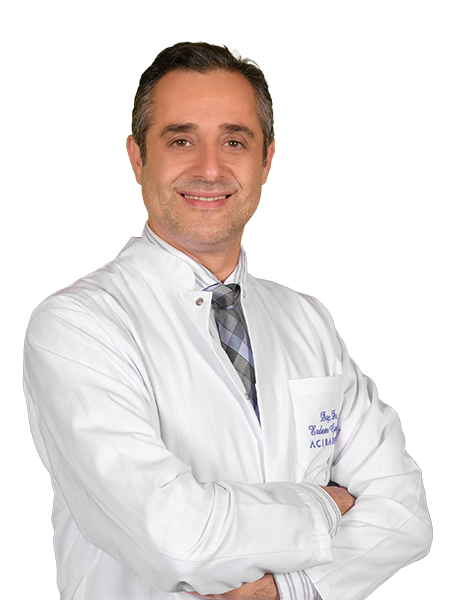
Assoc. Prof. Dr. Erdem Güven (m)
Aesthetic Plastic & Reconstructive Surgery
Prof. Dr. Şükrü Yazar
Aesthetic Plastic & Reconstructive Surgery
Prof. Dr. Hakan Ağır
Aesthetic Plastic & Reconstructive Surgery
Prof. Dr. Bülent Saçak
Aesthetic Plastic & Reconstructive Surgery