

Women’s Health Checkup: What to Expect at a Gynecology Visit

A gynecology visit may include a health discussion, physical exam, and age-appropriate screening tests. Not every appointment includes a pelvic exam, Pap test, or breast exam; care is tailored to symptoms, age, and medical history.
Key Takeaways
- A gynecology visit may include a health discussion, physical exam, and age-appropriate screening tests.
- Not every appointment includes a pelvic exam, Pap test, or breast exam; care is tailored to symptoms, age, and medical history.
- Patients can ask questions about periods, contraception, fertility, menopause, sexual health, and pelvic pain.
- Bringing a medication list, menstrual history, and questions in advance can make the visit more useful.
- Regular women’s health checkups support early detection, prevention, and long-term wellbeing.
A women’s health checkup is a routine gynecology visit focused on prevention, screening, and discussing reproductive and overall health. Knowing what happens during the appointment can help a person feel more prepared, informed, and at ease.
Overview: What a women’s health checkup is
A women’s health checkup is a routine medical visit that focuses on reproductive health, preventive care, and concerns that may affect wellbeing at different life stages. It may be done by a gynecologist, family doctor, or another qualified clinician. The exact visit depends on age, symptoms, sexual activity, pregnancy plans, menopause status, and personal or family medical history.
Many people think a gynecology visit always means an internal exam, but that is not always the case. Some appointments are mainly conversations about menstrual cycles, contraception, fertility, menopause, vaccinations, or screening tests. If an examination is needed, the clinician usually explains each step and asks for consent before proceeding.
A routine checkup can help identify problems early, even before symptoms appear. It is also a chance to discuss lifestyle, emotional wellbeing, intimate relationships, and any changes in the body that may need attention. The goal is not only to look for disease, but also to support health and answer questions in a respectful, private setting.
Why regular gynecology visits matter
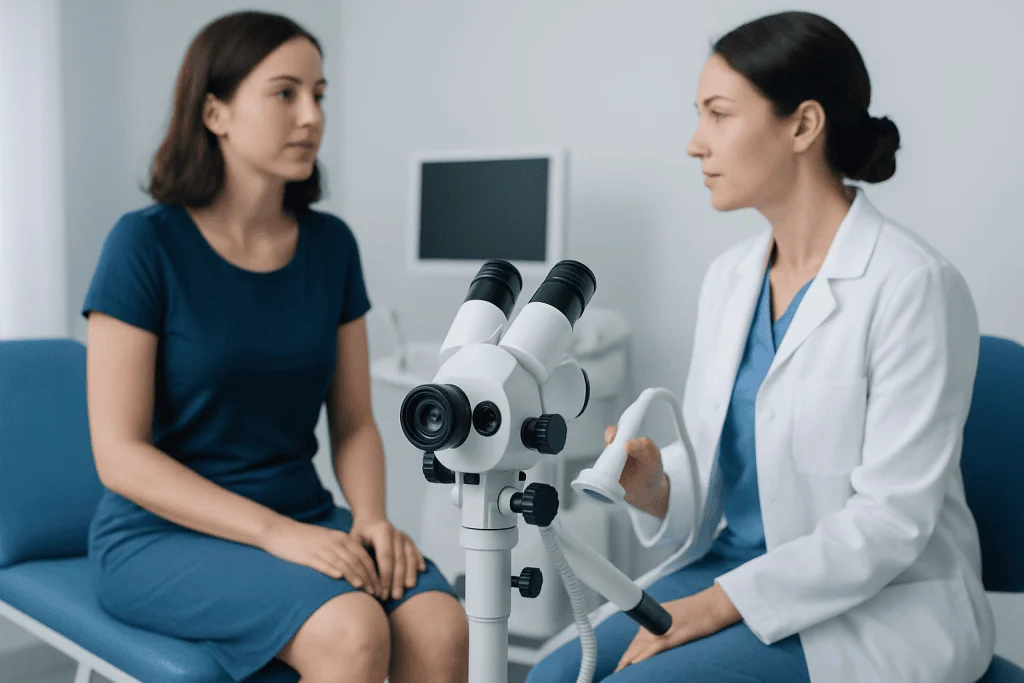
Regular visits help support prevention and early diagnosis. Screening tests may detect cell changes, infections, or other concerns before they become more serious. Discussions during the appointment can also help a person better understand normal body changes, healthy habits, and when symptoms should be checked sooner.
These visits are useful even when someone feels well. A clinician may review menstrual health, sexual health, family planning, bladder symptoms, pelvic discomfort, bone health, and changes related to perimenopause or menopause. Depending on age and risk factors, the visit may include guidance about cervical cancer screening, breast health, vaccination, and bone or heart health.
A gynecology appointment can also create a trusted place to talk about sensitive concerns such as painful periods, low libido, vaginal dryness, unusual bleeding, or worries about sexually transmitted infections. People living with ongoing conditions such as polycystic ovary syndrome or endometriosis may need follow-up visits to monitor symptoms and adjust treatment plans over time.
What to expect before and during the appointment
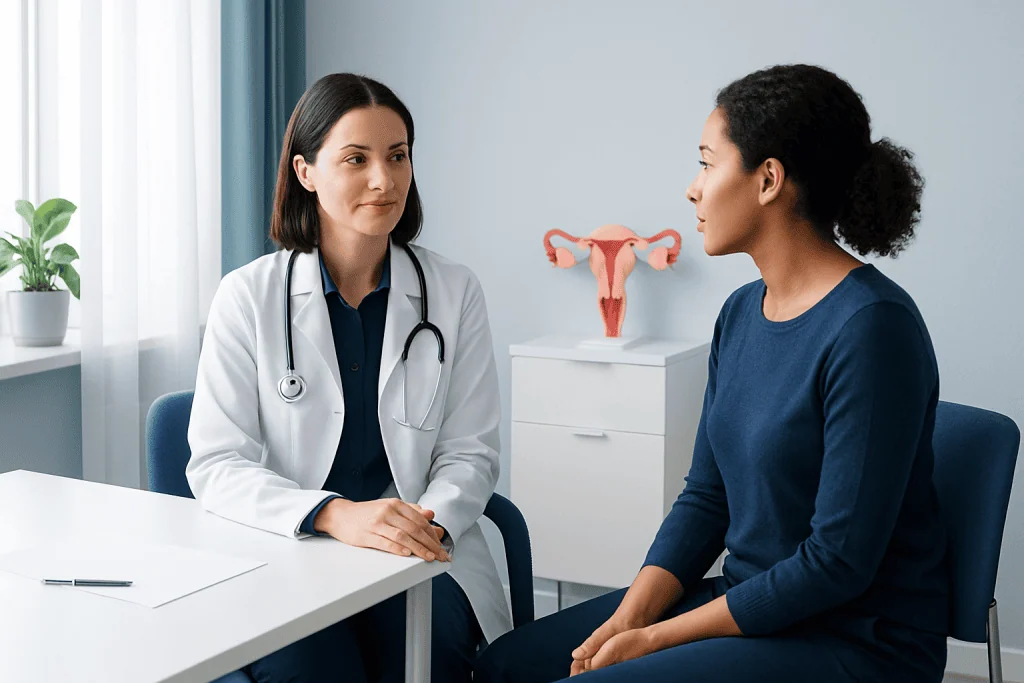
Before the visit, it often helps to prepare a few details. Patients may bring a list of medicines and supplements, the date of the last menstrual period, details about cycle length, past pregnancies, allergies, previous surgeries, and any questions they want to ask. If there are symptoms such as pelvic pain, heavy bleeding, discharge, or urinary changes, noting when they started and what makes them better or worse can be useful.
At the appointment, the visit usually begins with a conversation. The clinician may ask about periods, pain, sexual activity, contraception, pregnancy plans, menopause symptoms, medical conditions, family history, mental health, and lifestyle factors such as exercise, sleep, smoking, or alcohol use. These questions are routine and meant to guide safe, appropriate care.
A general physical check may include height, weight, blood pressure, and sometimes an abdominal or breast exam depending on age, symptoms, and local practice. If a pelvic exam is recommended, the clinician should explain why it is needed. Patients can ask for a chaperone, request that the examination stop at any time, or discuss concerns before agreeing to any part of the visit.
Many people feel nervous before their first gynecology appointment. Choosing comfortable clothing, arriving a little early, and writing questions down in advance may help. It is also reasonable to ask whether the appointment is expected to include a pelvic exam or test, so there are fewer surprises.
Exams and tests that may be recommended
Not every women’s health checkup includes the same tests. The clinician decides what is appropriate based on age, symptoms, medical history, and current guidelines. A pelvic exam may be done to assess symptoms such as pain, abnormal bleeding, a lump, or unusual discharge. In some cases, an external exam is enough; in others, an internal examination may be advised.
Cervical screening, often called a Pap test or Pap smear, looks for abnormal cervical cells and may be combined with human papillomavirus testing depending on age and local recommendations. This is different from a pelvic exam, although both can happen at the same visit. Screening schedules vary, so a doctor can explain when testing is needed and when it is not.
Other possible tests include pregnancy testing, urine testing, sexually transmitted infection screening, blood tests for hormone or thyroid concerns, and imaging such as pelvic ultrasound when symptoms suggest a structural problem. If further assessment is needed for persistent abnormal bleeding, a clinician may discuss additional procedures such as hysteroscopy or referral for specialized care. In selected situations, tests may help investigate fibroids, ovarian cysts, or suspected endometriosis.
- Pap test or HPV screening
- Sexually transmitted infection testing
- Pregnancy test
- Urine or blood tests
- Pelvic ultrasound or other imaging when indicated
Topics patients can discuss at a women’s health checkup
A gynecology visit is an opportunity to discuss much more than screening. Patients can ask about irregular periods, missed periods, severe cramps, premenstrual symptoms, pelvic pressure, urinary leakage, vaginal dryness, pain during sex, or changes in discharge. No concern is too small if it affects comfort, function, or peace of mind.
Contraception is another common topic. A clinician may explain the benefits, risks, and suitability of different methods based on health history and personal preferences. This may include short-term and long-acting options, emergency contraception, and planning for future pregnancy. If a patient is interested in a long-acting reversible option, the doctor may discuss IUD insertion as one possible method.
People trying to conceive can ask about timing, preconception health, folic acid, vaccinations, and when fertility evaluation may be appropriate. Those approaching menopause may want guidance about hot flashes, mood changes, sleep problems, bone health, and vaginal or urinary symptoms. The visit may also cover emotional wellbeing, relationship safety, and sexual health in a respectful, confidential way.
How to prepare and care for yourself after the visit
Preparation can make the appointment feel smoother and more productive. If possible, scheduling the visit when there is no heavy menstrual bleeding may make certain exams or tests easier, though many concerns should still be evaluated even during a period. Avoiding vaginal products, douching, or intercourse shortly before a cervical screening test may be advised, depending on the reason for the appointment.
Patients may want to prepare a short list of goals for the visit. Examples include understanding period pain, renewing contraception, discussing fertility, checking a new symptom, or asking whether screening is due. Bringing previous test results, if available, may also help the clinician compare findings over time.
After the visit, there may be little to no recovery needed. Some people have mild spotting or brief discomfort after a pelvic exam or Pap test, which often settles quickly. It is helpful to follow any instructions about test results, medicines, follow-up appointments, or symptom tracking. If anything discussed during the appointment remains unclear, contacting the clinic for clarification is appropriate.
When to book a routine visit and when to seek medical advice sooner
Routine women’s health checkups are often scheduled based on age, screening guidelines, and personal medical history. A clinician can advise how often follow-up is needed. Some people may need more frequent review because of ongoing symptoms, previous abnormal test results, a chronic gynecologic condition, pregnancy planning, or menopause-related concerns.
Medical advice should be sought sooner if there is very heavy bleeding, bleeding after menopause, bleeding between periods, severe pelvic pain, a new breast lump, unusual vaginal discharge with odor or irritation, pain during sex, urinary problems, or possible pregnancy complications. Symptoms do not always mean a serious problem, but they deserve proper assessment.
Anyone who feels anxious about examinations should say so at the start of the appointment. Clinicians can often adapt the pace of the visit, explain each step, and consider alternatives when possible. For international patients who need evaluation or treatment, Acibadem International’s multidisciplinary specialists in JCI-accredited hospitals provide diagnosis and care for a wide range of women’s health concerns.
Frequently asked questions
Does every gynecology visit include a pelvic exam?
No. A gynecology visit may focus mainly on discussion, preventive care, or reviewing symptoms. A pelvic exam is done only when it is appropriate for the person’s age, symptoms, screening needs, or medical history.
What should someone bring to a women’s health checkup?
It helps to bring a list of medicines and supplements, the date of the last menstrual period, relevant medical records, and any questions or symptoms to discuss. Notes about cycle patterns, pain, bleeding, or discharge can also help the clinician understand concerns more clearly.
Can a person go to a gynecology visit during a period?
Yes, in many cases they can. Some tests may be easier when bleeding is light or absent, but symptoms such as heavy bleeding or pain should not be delayed just because a period has started.
Is a Pap test the same as a pelvic exam?
No. A Pap test collects cells from the cervix for screening, while a pelvic exam is a broader physical examination of the reproductive organs. They may happen together, but they are not the same thing.
What kinds of questions can be asked at a gynecology appointment?
A patient can ask about periods, contraception, fertility, menopause, sexual health, pelvic pain, bladder symptoms, or unusual bleeding. The visit is also a good time to discuss emotional wellbeing, intimacy concerns, and preventive screening.
How often should a women’s health checkup be scheduled?
There is no single schedule that fits everyone. The right timing depends on age, symptoms, past test results, pregnancy plans, and risk factors, so a qualified clinician can advise when routine follow-up is needed.
References
- World Health Organization
- American College of Obstetricians and Gynecologists
- Centers for Disease Control and Prevention
- National Health Service
- Office on Women's Health
This article is for general information only and is not a substitute for professional medical advice. Please consult a qualified doctor about your individual situation.
Explore treatments in Turkey — costs, top hospitals & a free quote
JCI-accredited · board-certified surgeons · reply within 24h
Add us as a Preferred Source to see more of our trusted health content across Google Search, AI Overviews and Discover.
Check your numbers in seconds
BMI, calories, due date, blood pressure and 30+ more clinical calculators — free, instant, doctor-reviewed ranges.

More from the Health Library



Related Specialists

Prof. Dr. Sema Aydoğdu
Pediatric Gastroenterology
Dt. Ayça Aydın Kilavuz
Oral & Dental Health
Dyt. Zeynep Acar
Nutrition & Diet
Prof. Dr. Gülfer Mehtap Yazicioğlu
Pediatric Allergy